Food · Estonia
Estonia: Food and the National Dish
A humble barley-and-potato porridge elevated to national symbol, a roasted-grain mix with no real equivalent elsewhere, and a Baltic sprat sandwich once built to a record-breaking length
By Worldlore Editorial · 16 September 2026
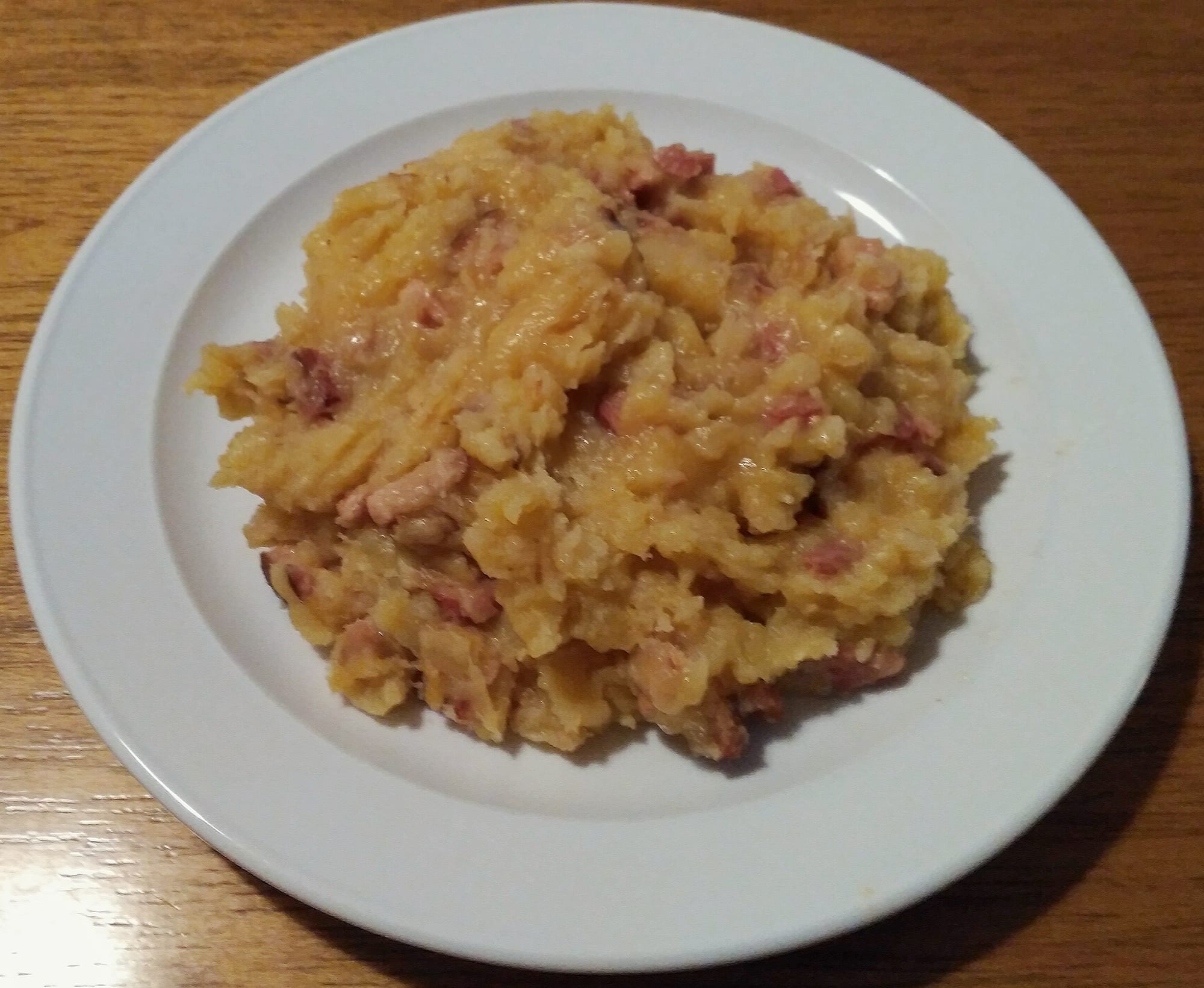
Hearty, simple food from a Baltic farming tradition
Estonian food grew out of a hard climate and a farming economy focused on rye, barley, potatoes, pork and dairy — plain, filling dishes built to get through a long winter rather than food designed to impress. Dark rye bread, leib, sits on the table at almost every meal, and preserving food through salting, smoking and pickling remains part of the everyday kitchen rather than a historical curiosity.
The national dish: mulgipuder
Mulgipuder — barley and potato cooked down together into a soft, mashed porridge, topped with crisp pork cracklings and often soured cream — takes its name from Mulgimaa, a historic region in southern Estonia. Plain peasant food originally, it has become a genuine symbol of Estonian culinary identity, served in traditional restaurants as proudly as in home kitchens.
Dishes to know
Five more to recognise across Estonia:
- Verivorst — blood sausage, especially eaten at Christmas with
lingonberry jam and sauerkraut.
- Mulgikapsad — a stew of sauerkraut and pork, from the same Mulgimaa
tradition as mulgipuder.
- Kiluvõileib — an open sandwich of rye bread, butter, boiled egg and
kilu, small Baltic sprats, a genuinely beloved everyday snack.
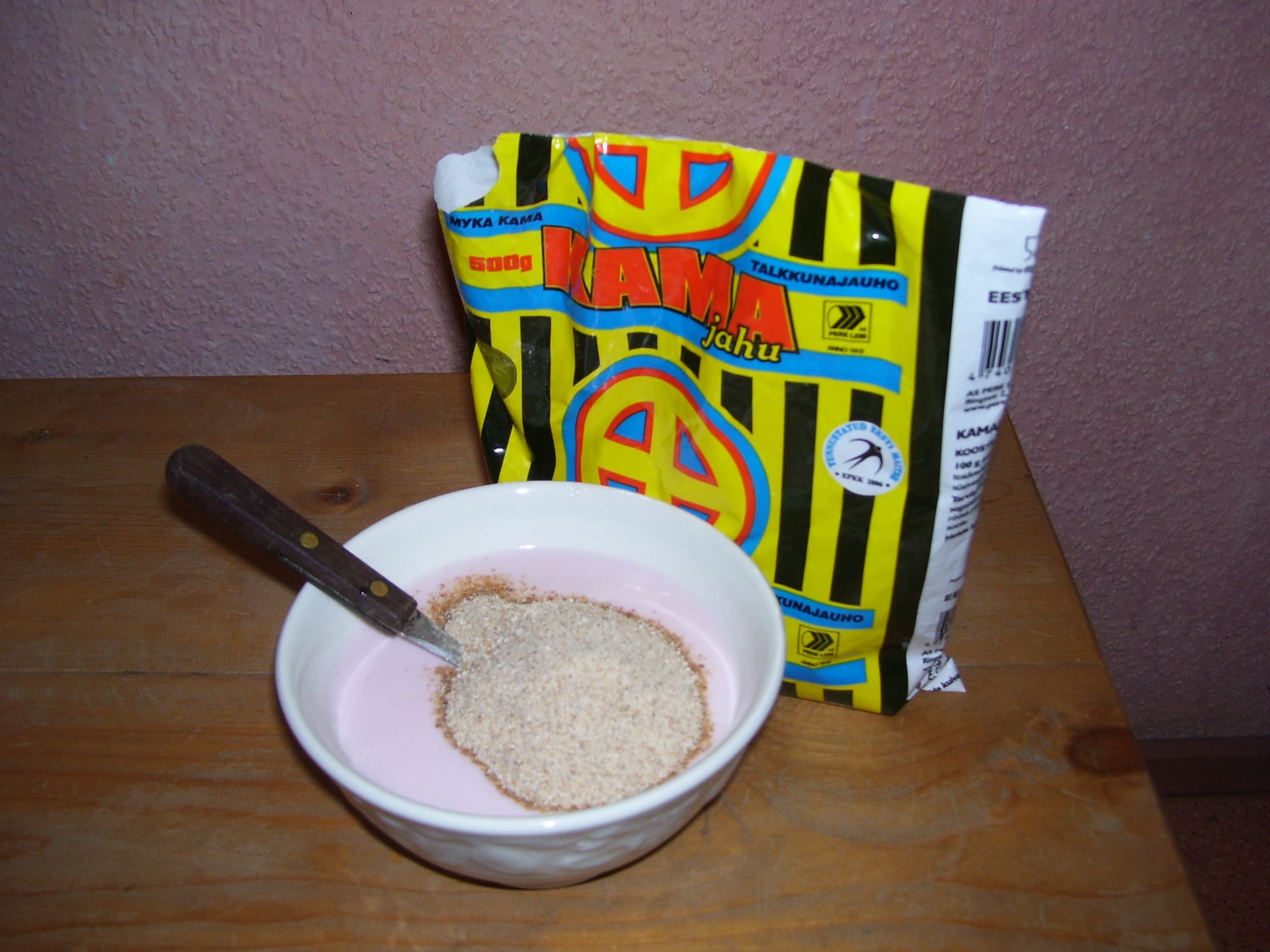
- Kama — a mix of roasted barley, rye, oat and pea flour, traditionally
stirred into buttermilk or kefir to make a thick drink or pudding, with no real equivalent outside the Baltic region.
- Sült — a savoury meat jelly (aspic), traditional holiday food.
Drinks
Vana Tallinn, a dark, spiced rum-based liqueur, is Estonia's best-known alcoholic export, sipped neat, added to coffee, or mixed into cocktails. Kali, a lightly fermented rye bread drink similar to Russian kvass, is the traditional non-alcoholic option, and Estonian beer brands like Saku and A. Le Coq are widely drunk.
Eating as a traveller
Vegetarians will find rye bread, potato dishes and dairy products manageable, though pork and fish appear in most traditional dishes. Tap water is safe throughout the country. Tallinn's food scene has developed a genuinely notable modern dining reputation in recent years, sitting alongside — rather than replacing — the traditional, hearty cooking described above.
What to take from the table
Mulgipuder, simple as it is, is the dish that best explains Estonian food: plain, farmhouse ingredients turned, through history and pride rather than technique, into something genuinely national.