Daily Life · Estonia
Estonia: A Digital Life, Lived Quietly
Taxes filed in minutes, an ID card that replaces most of the paperwork, and a population that still disappears at weekends to a lake, a forest, or a wooden sauna
By Worldlore Editorial · 30 September 2026
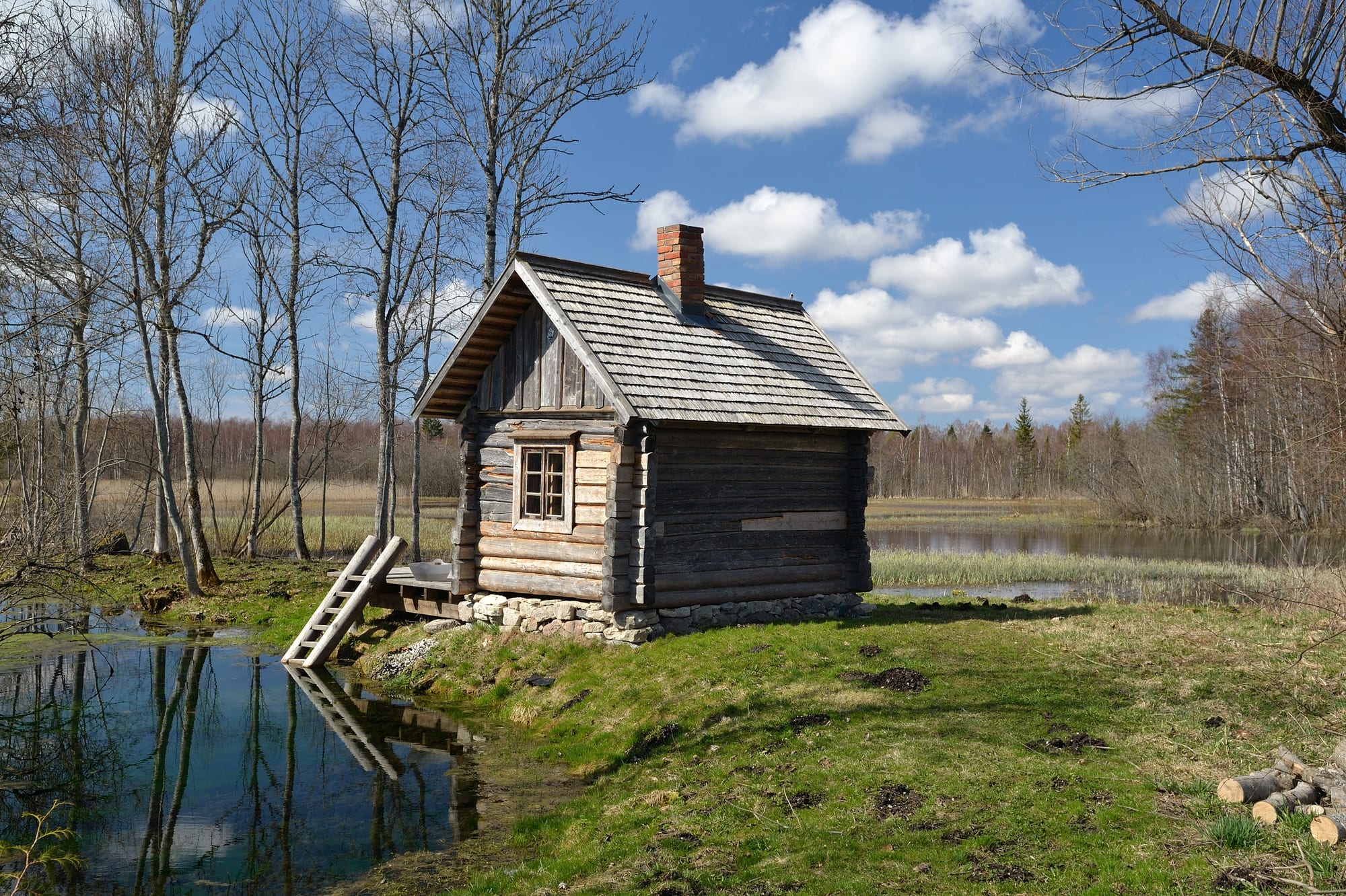
An ordinary day in Estonia runs on two things that rarely trouble each other: a state that has moved almost entirely online, and a population that still measures the week by how soon it can get back outdoors. Errands that would mean a queue and a form in most countries — filing taxes, renewing a prescription, registering a business — are handled from a phone or a laptop using a national ID card, often in minutes rather than an afternoon. That efficiency buys back time that Estonians spend, by preference, in the forest, at the lake, or in a wood-fired sauna, activities that have changed very little while the paperwork around them has nearly disappeared.
Family and home life
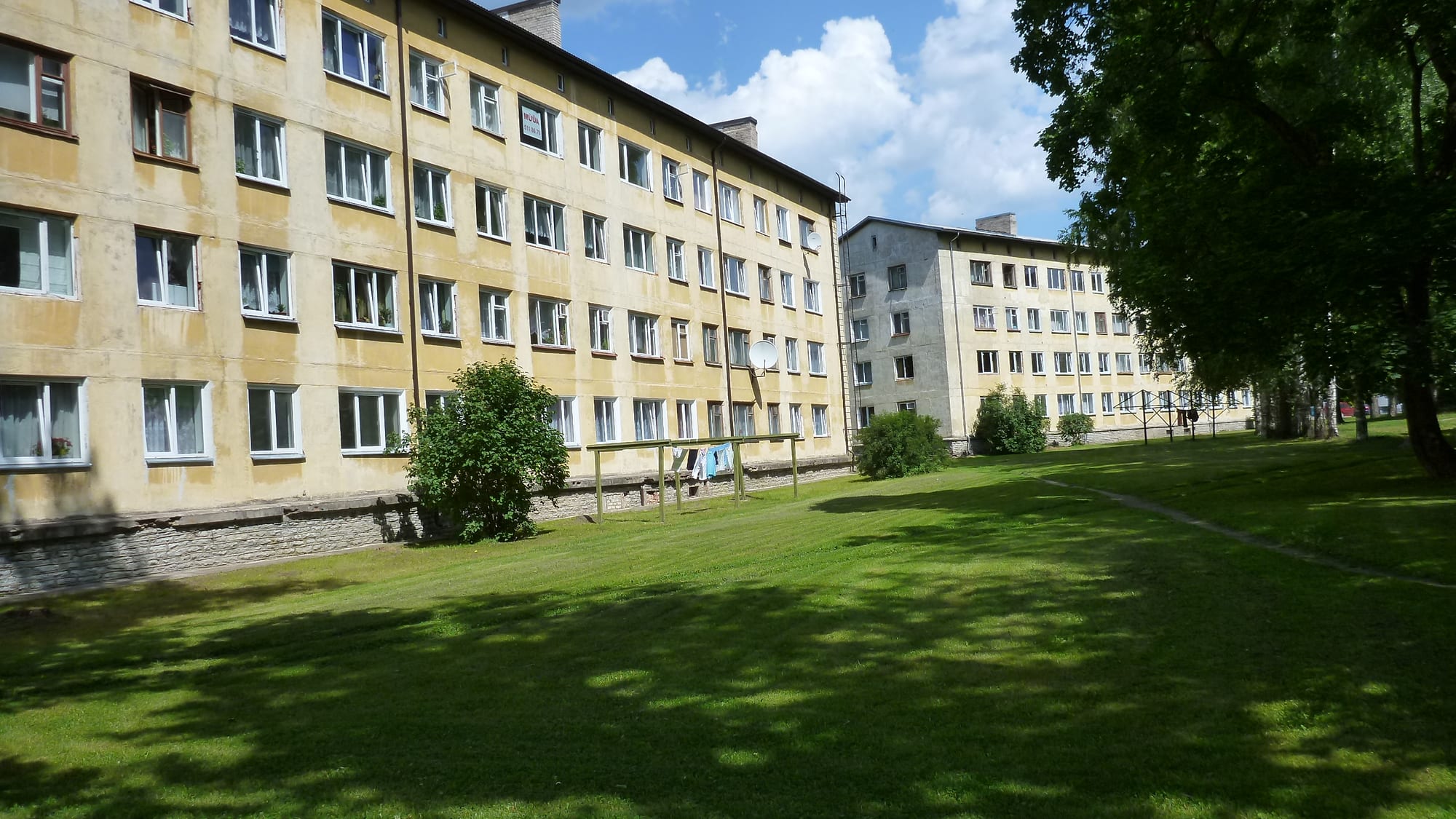
Estonian households are small: at the 2021 census the average household held about 2.35 people, and one-person households, at 37 per cent, were the single most common type nationwide. Where families do live together, a married couple with children still living at home is common, though it now sits alongside a large share of single-person and childless-couple households. Most people in the cities live in apartment blocks, a large share of them built during the Soviet decades and still standing largely unchanged in their concrete form, even as interiors have been renovated. Outside the cities, a detached house with a garden and, often, a private sauna building is common.
Work, school and the rhythm of the day
The working week is a standard five days, generally eight hours, with an economy in which services, including a well-known IT sector, play a large part. Because so much government and banking business can be done online — Estonia made around 99 per cent of its public services available online years ago — a lot of the administrative friction that eats into other countries' working days simply isn't there. The school day generally runs mornings into early afternoon, and Estonian pupils regularly post some of the strongest results in Europe on international assessments. Commutes are generally short, since even the capital, Tallinn, is compact, and cycling, buses, and (in the capital) free public transport for registered residents are all common ways to get to work.
Community life and public spaces
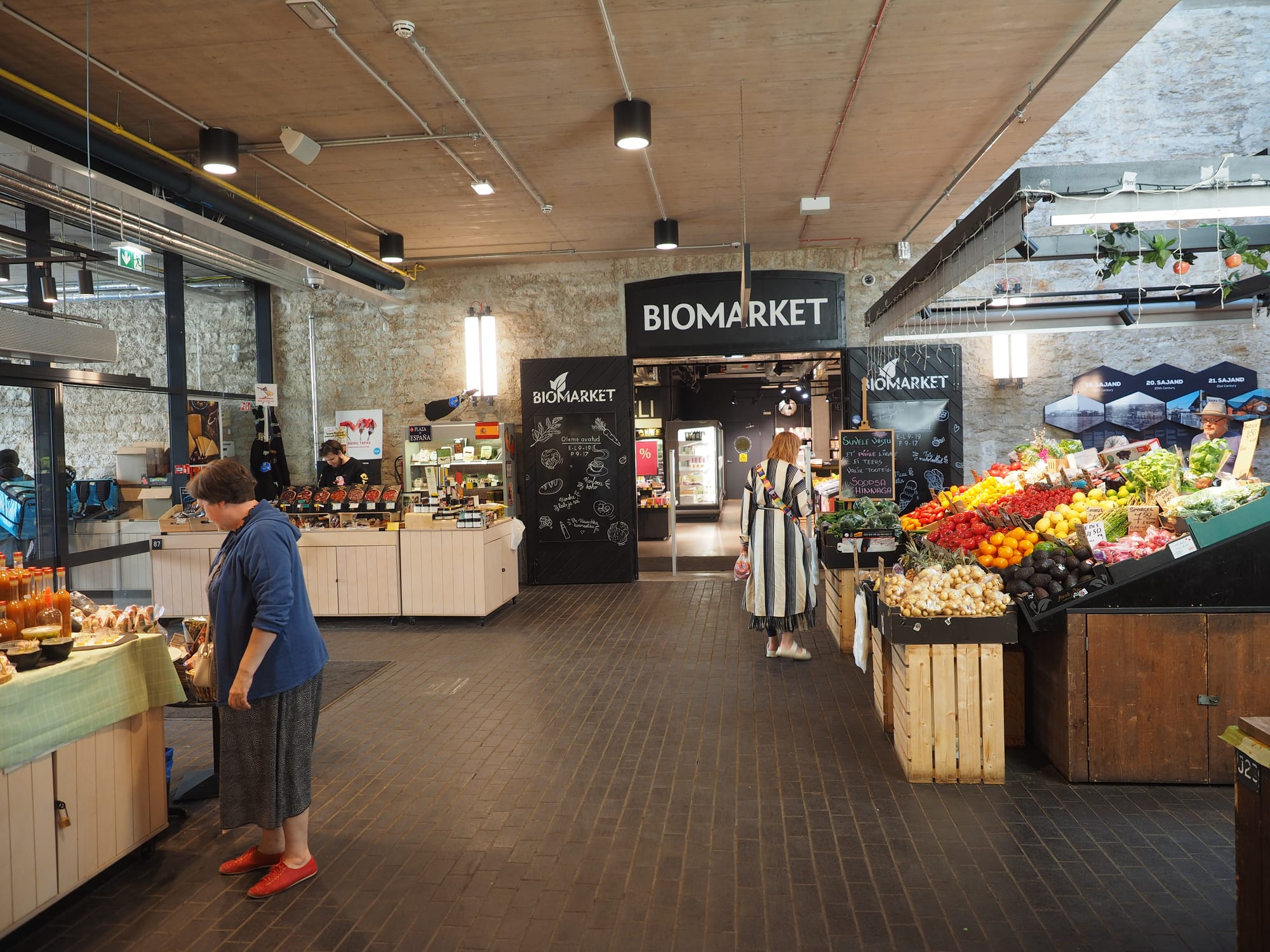
Markets remain a normal weekly fixture even in a highly digital society — Tallinn's Balti Jaama Turg by the Baltic Station and market halls elsewhere sell produce, fish, and household goods much as they always have. Public transport, particularly buses and, in Tallinn, trams, is the everyday way to get around for people without a car, although car ownership is high and most households have at least one vehicle. Outside the towns, a summer cottage — a modest wooden house by a lake or on the coast, often inherited or shared within a family — is a familiar part of many families' lives, and public bog and forest trails, some of them boardwalked, are treated as shared, everyday space rather than a special destination.
Free time and weekends
Weekends are built around getting outside. Forest walks, mushroom and berry picking in season, and time at a family's summer cottage by a lake or on the coast are ordinary, not occasional, activities, helped by a legal right of public access to most land and forest regardless of who owns it. The sauna is the other fixture: often heated at the end of the week, a private or shared sauna session remains a normal part of the week for many households, valued as much for quiet conversation as for the heat itself. Song is a less frequent but deeply felt tradition — the national song and dance festival, typically held every five years and drawing more than 30,000 singers, is one of the largest cultural events in the country's calendar.
A visitor's ordinary day
Estonia runs largely on cards and phones rather than cash, and a working contactless card or phone payment is accepted almost everywhere. Shops in the cities generally keep standard daytime hours, and larger supermarkets often stay open into the evening every day of the week, including Sunday. Intercity buses are frequent, cheap, and cover the country more thoroughly than the rail network, which mainly serves a handful of main lines; a rental car or the bus network both work well for reaching the islands and Lahemaa National Park. Free public wifi is widespread, a legacy of the same digital push that runs the rest of the country.
What to take away
What defines an ordinary day in Estonia is the gap it has closed between two things that usually pull against each other: a state efficient enough to stay almost entirely out of the way, and a population that spends the time this frees up outdoors, at a lake or in a sauna, rather than anywhere near a screen.