Daily Life · Equatorial Guinea
Equatorial Guinea: Wealth on Paper, Life at the Market
One of the highest incomes per person in Africa on the official figures, and an ordinary day that still runs on the market stall, the fishing catch and a long walk to fetch water
By Worldlore Editorial · 30 September 2026
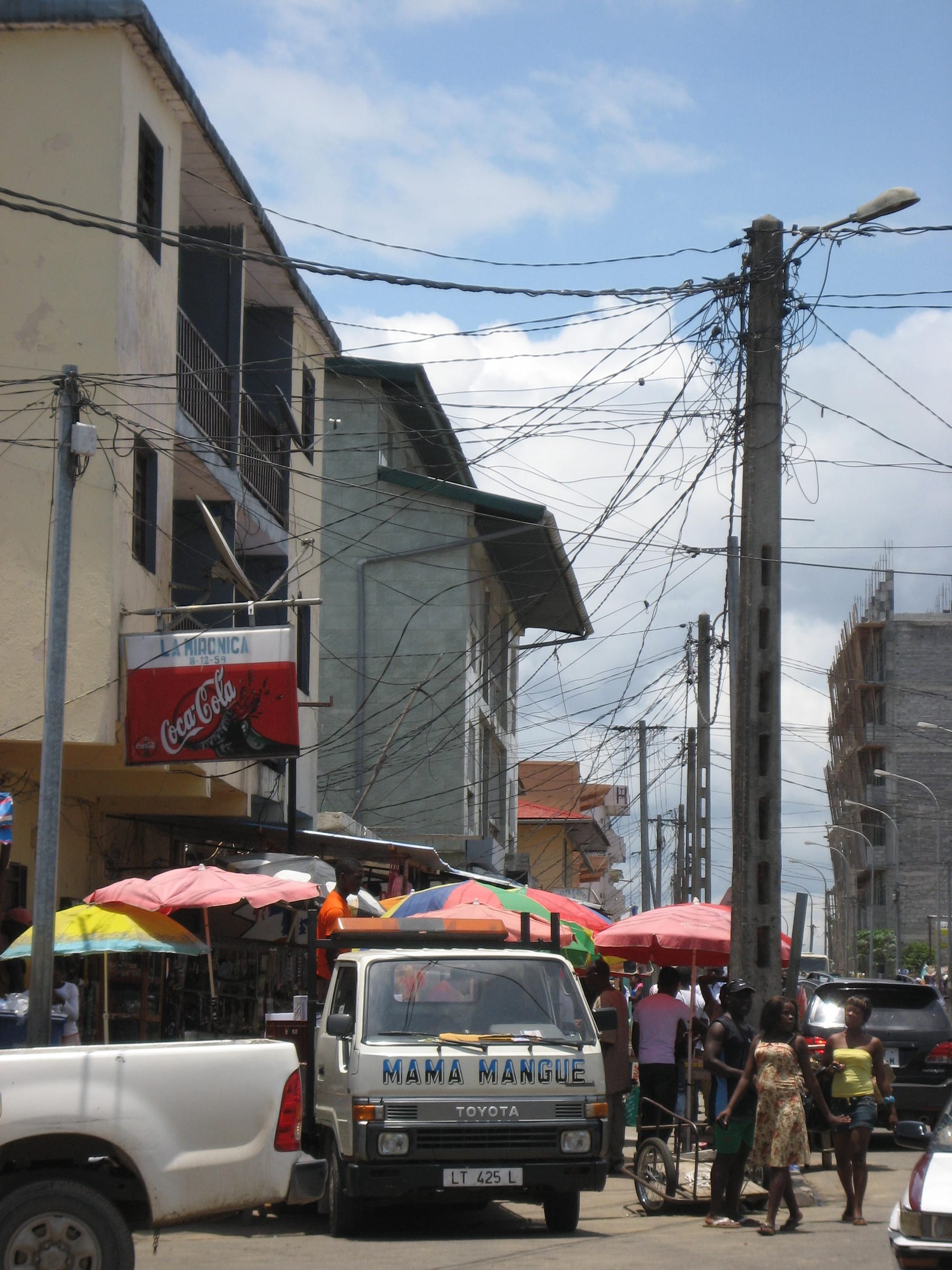
Equatorial Guinea's official income figures, boosted by offshore oil and gas, rank it among the wealthiest countries per person in Africa, yet little of that wealth is visible in how most people actually spend an ordinary day. Away from the government offices and oil-company compounds of the main cities, daily life runs largely as it would in any small farming and fishing economy: a market stall, a fishing catch, a smallholding, and, in many villages, a long walk to fetch water before the day's other work begins.
Family and home life
The extended family and clan remain the basic unit of daily life for both of the country's two largest groups, the Fang of the mainland and the Bubi of Bioko island, though the two differ in structure: Fang kinship is patrilineal, traced through the father's line, while Bubi society is matrilineal, with property and belonging traced through the mother's line. Multiple generations commonly live together or nearby, and raising children is treated as a shared responsibility of the wider family rather than the household alone. Housing ranges from concrete-block homes in Malabo and Bata to simpler timber and thatch construction in mainland villages.
Work, school and the rhythm of the day
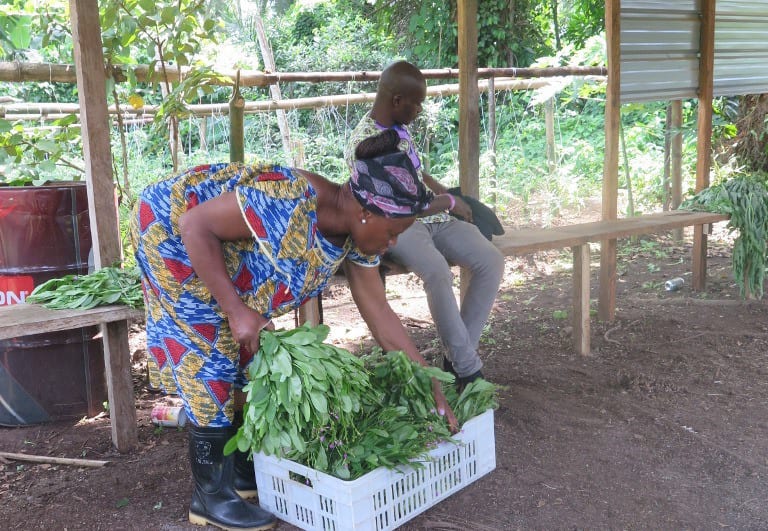
Formal employment is limited and concentrated in government and the oil and gas sector, which employ relatively few people, so many people outside the main cities depend on subsistence farming or fishing rather than salaried work. In many villages the day begins early, and fetching water for the household is often part of it, since more than half of the population lacks access to clean drinking water. Reliable electricity, clean water and healthcare remain out of reach for a large part of the population outside the main towns, a gap that shapes daily routines far more than the country's oil income would suggest.
Community life and public spaces
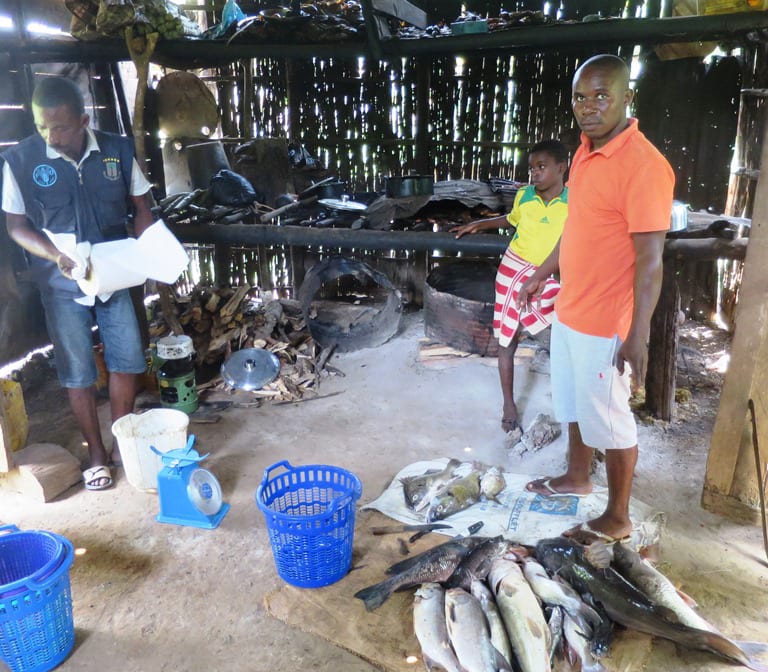
The market is the everyday centre of commercial and social life in both Malabo and Bata, and in smaller mainland towns the market draws in farmers and fishing families from the surrounding villages to sell directly. Coastal and river communities such as those on the mainland's southern coast depend heavily on fishing, sold straight from the boat or smoked and dried for the market, often out of simple open-sided timber stalls. Public transport is informal and limited outside the two main cities, and travel beyond them generally requires a private vehicle and, in practice, the travel permits the state requires for movement around the country.
Free time and weekends
Football is followed closely and played informally wherever there is open ground, and church attendance, Catholic for the majority, structures Sunday for much of the population. Public cultural life is limited, and civil society and independent media are heavily restricted, so socialising happens mostly within the family, the neighbourhood and the church rather than through public institutions or organised clubs. Where money allows, a weekend outing might mean visiting family in another town or, on Bioko, a trip to one of the island's beaches.
A visitor's ordinary day
Equatorial Guinea has very little tourism infrastructure, and most visitors arrive for business or through a pre-arranged guided trip rather than travelling independently. Cash in Central African CFA francs, or euros to exchange, is needed for most things, and hotels and services in Malabo and Bata are priced for oil-industry visitors rather than budget travellers. Passports and any travel permits should be carried at all times, since checkpoints are frequent, and photographing government buildings, ports, airports or anyone in uniform is prohibited and taken seriously.
What to take away
What defines an ordinary day in Equatorial Guinea is the wide gap between the country's oil-driven wealth on paper and the market-and-smallholding economy most people actually live inside.