Food · Equatorial Guinea
Equatorial Guinea: Food and the National Dish
A Central African table cooked in Spanish, from the only Spanish-speaking country on the continent
By Worldlore Editorial · 16 September 2026
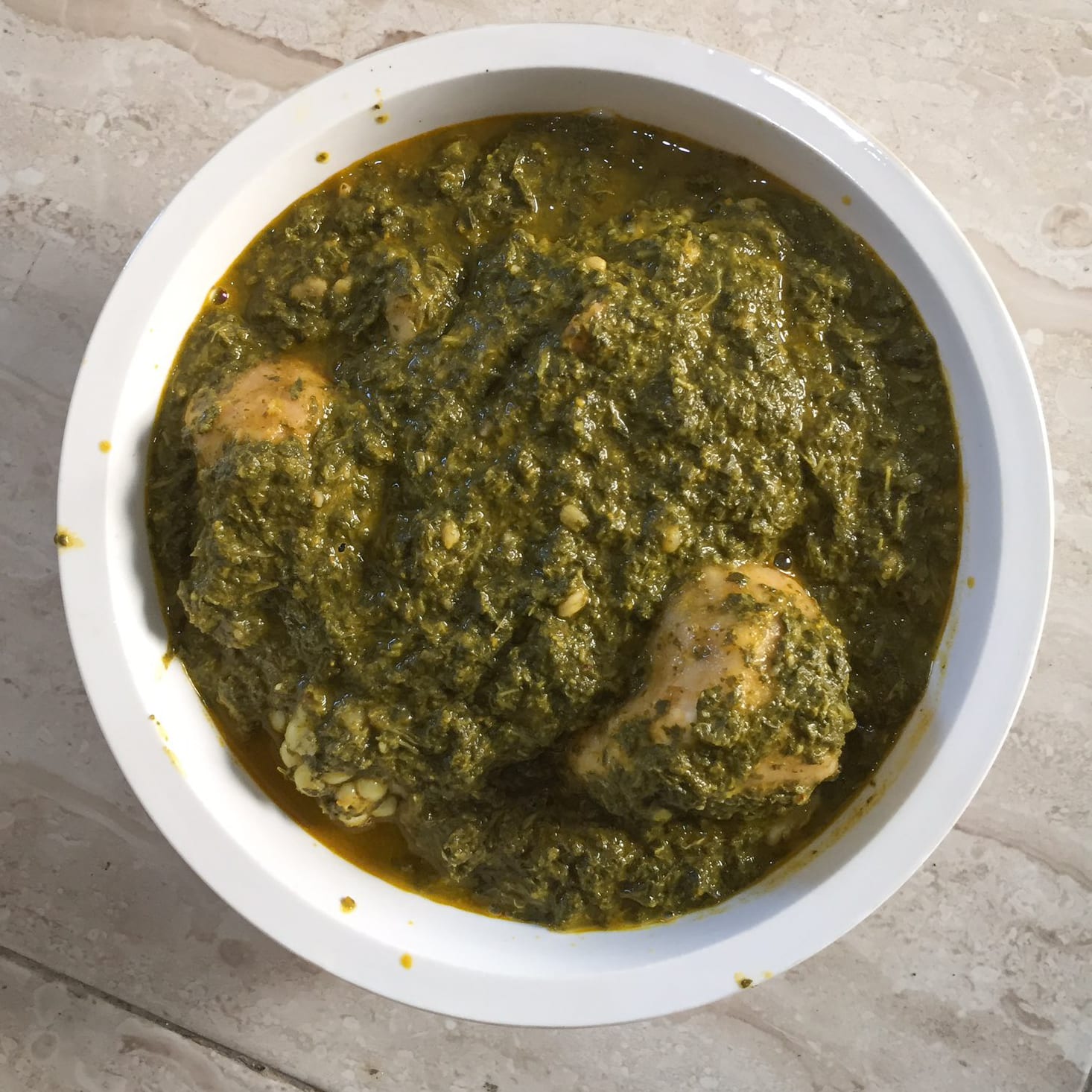
A Central African kitchen, spoken in Spanish
Equatorial Guinea is the only country in Africa where Spanish is an official language, a legacy of Spanish colonial rule that lasted until
- Its food, though, belongs to the same Central African tradition
found across the Gulf of Guinea: cassava, plantain, peanut sauce and fresh or smoked fish carry most meals, cooked with palm oil and a light hand with spice, the same base found in neighbouring Cameroon and Gabon. Spanish influence shows up mainly at the edges — bread, coffee, and Spanish names for otherwise local dishes.
What the table actually looks like
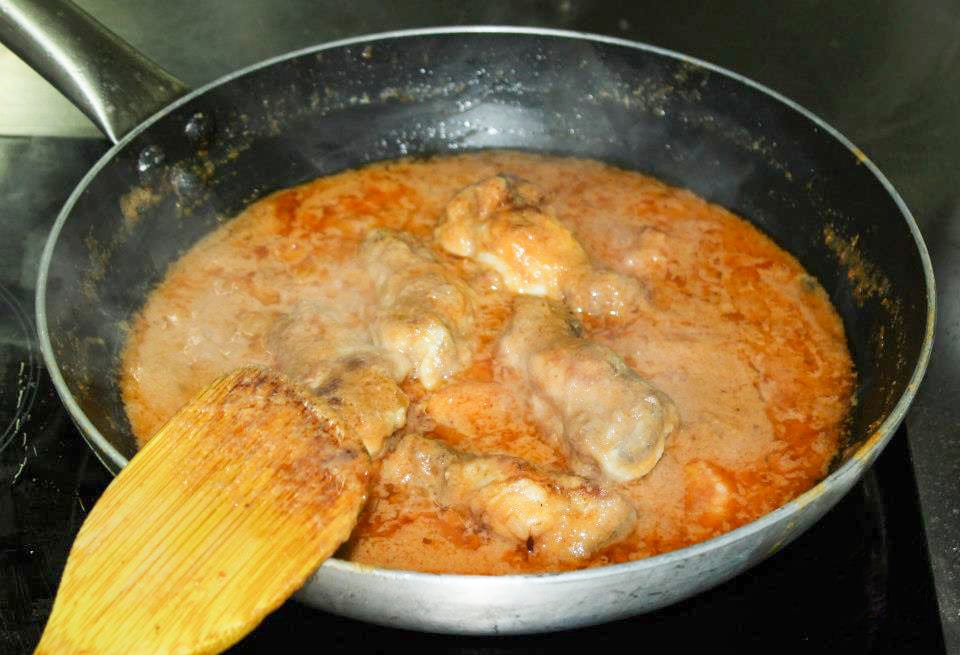
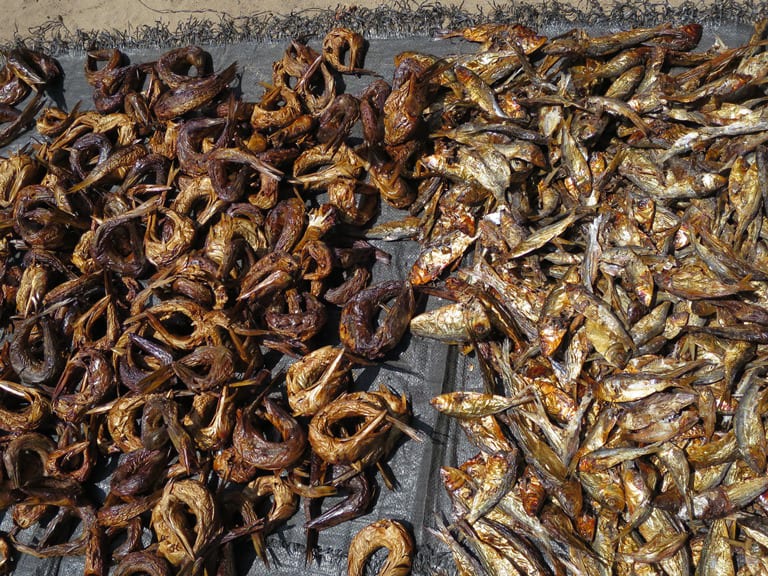
Fish, both fresh and smoked for preservation, is central along the coast and on Bioko island, home to the capital, Malabo, while cassava and plantain provide the everyday starch across the mainland region of Río Muni. Chicken cooked in a rich peanut sauce — close kin to the moambe and muamba dishes found across Central Africa — is a common, well-loved combination.
Eating as a traveller
Vegetarians can rely on plantain, cassava and vegetable-based sides, though most sauces and stews are built around fish or meat. Tap water is not safe to drink; stick to bottled or boiled water. Malabo and Bata have the country's most developed restaurant scenes, reflecting Equatorial Guinea's oil-driven economy, though the food most people actually eat day to day is simpler and closer to the cassava-and-fish staples described above.
What to take from the table
Equatorial Guinea's food is best understood as part of the wider Gulf of Guinea cooking tradition — cassava, plantain, peanut sauce and fish — with a genuinely unique linguistic twist: it's the one place in Africa where all of that is discussed, and often named, in Spanish.