Attractions & Natural Wonders · Equatorial Guinea
Equatorial Guinea: Six Attractions and Natural Wonders
A colonial capital on a volcanic island, a 3,000-metre peak above the Gulf of Guinea, a crater lake in the cloud forest, and rainforest full of primates on the mainland
By Worldlore Editorial · 10 September 2026
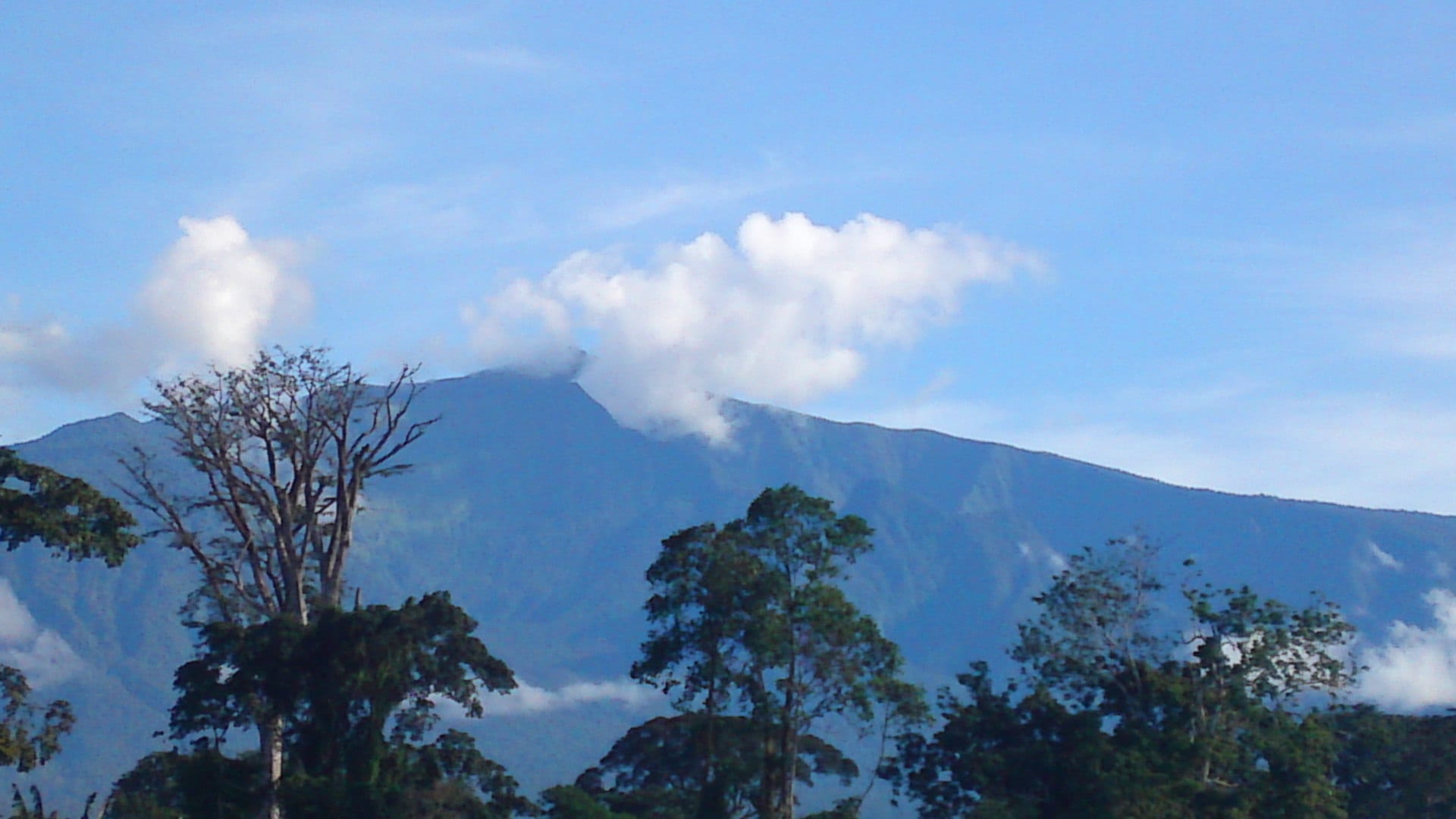
A hard country to visit
Equatorial Guinea is a small, oil-rich country in central Africa, split between the island of Bioko (where the capital, Malabo, sits) and a mainland region, Río Muni, on the coast between Cameroon and Gabon. It is the only Spanish-speaking country in sub-Saharan Africa, and one of the most closed: it has been ruled by the same president since 1979, tourist visas are difficult and often require an invitation, photography of anything official is risky, and independent travel is heavily restricted. There is essentially no tourism infrastructure.
The six below are the country's natural and cultural highlights, for reference. Anyone travelling here does so with local fixers and a clear understanding of the rules. The dry seasons vary between the island and the mainland.
1. Malabo
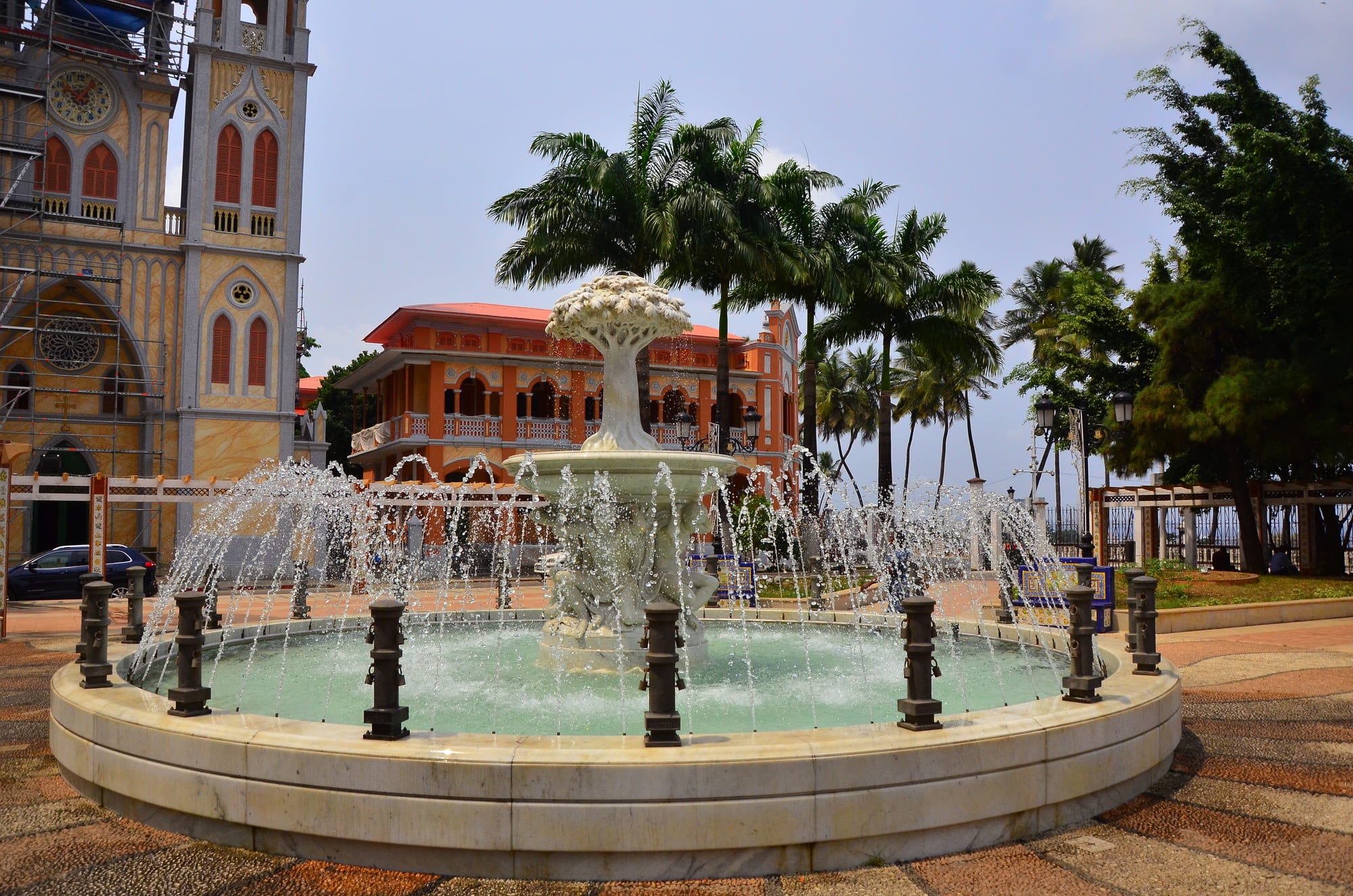
Malabo sits in the flooded crater of an old volcano on the north coast of Bioko — a small capital with a compact core of Spanish colonial buildings, including the neo-Gothic Santa Isabel Cathedral on Plaza de la Independencia, the old presidential palace, and pastel administrative offices, along with the modern oil-boom districts around them.
It is walkable in an hour or two. The nearby fishing village of Sampaka and the old cocoa plantations give a sense of the colonial economy.
2. The beaches of Bioko
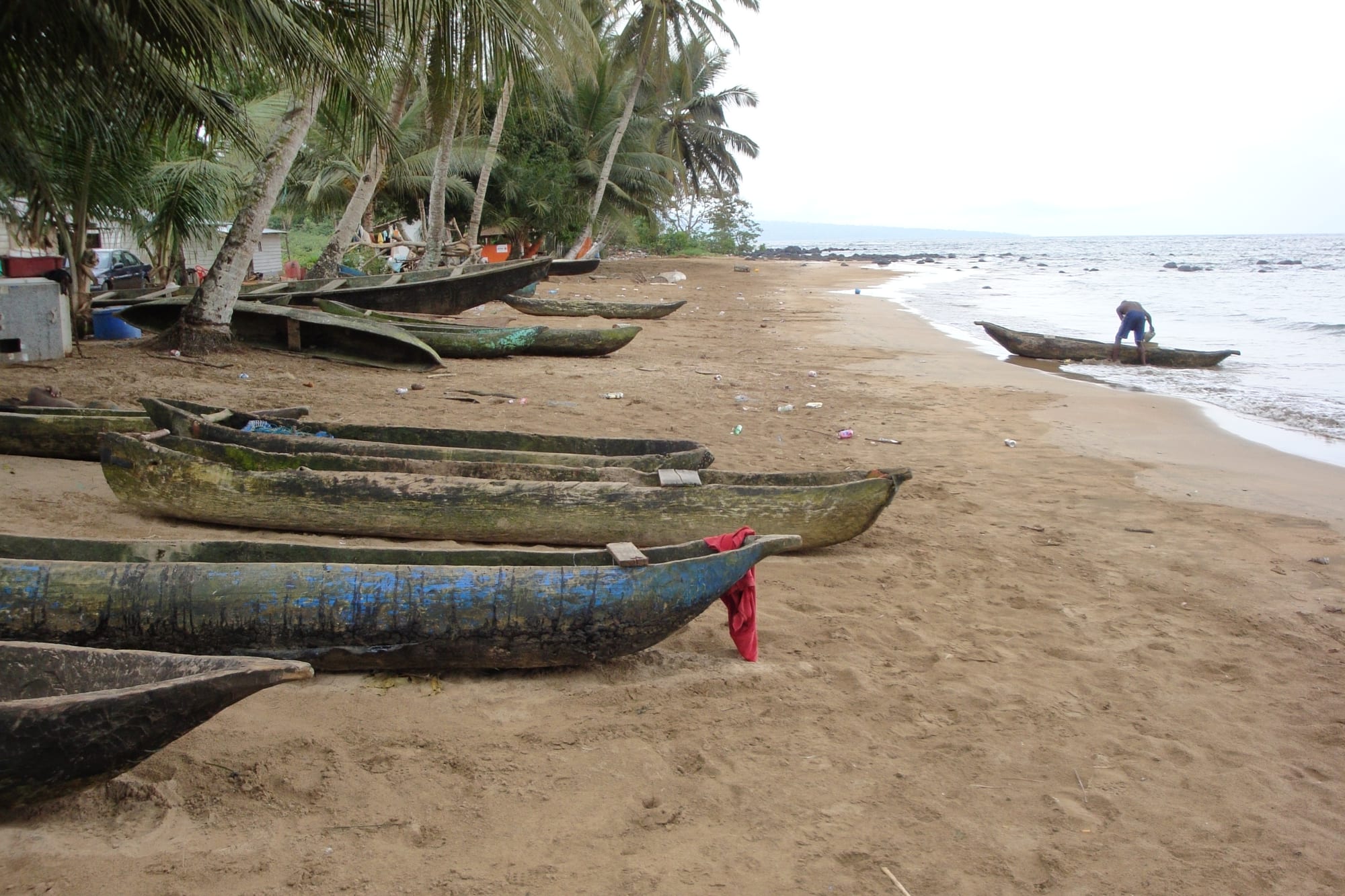
Bioko's coastline is volcanic — dark sand, dramatic surf, and jungle running to the shore. The most accessible beaches are on the north, near Malabo (Arena Blanca, Sampaka); the wild south coast, around Ureca, is one of the wettest places on Earth and a major nesting site for four species of sea turtle, protected by a long-running conservation programme.
Reaching the south requires a permit, a 4x4, and often a long hike; it is the country's outstanding wildlife experience.
3. Pico Basilé
Pico Basilé, a dormant volcano just over 3,000 metres high, takes up the northern half of Bioko and is usually capped in cloud. A rough paved road (built for a telecoms installation) climbs to near the summit, passing through zones of plantation, montane forest, and — near the top — heath and giant lobelia, with a huge statue of the Virgin partway up.
The upper mountain is a national park, home to endemic birds and, lower down, several monkey species found only here.
4. The Moka valley and Lake Biao
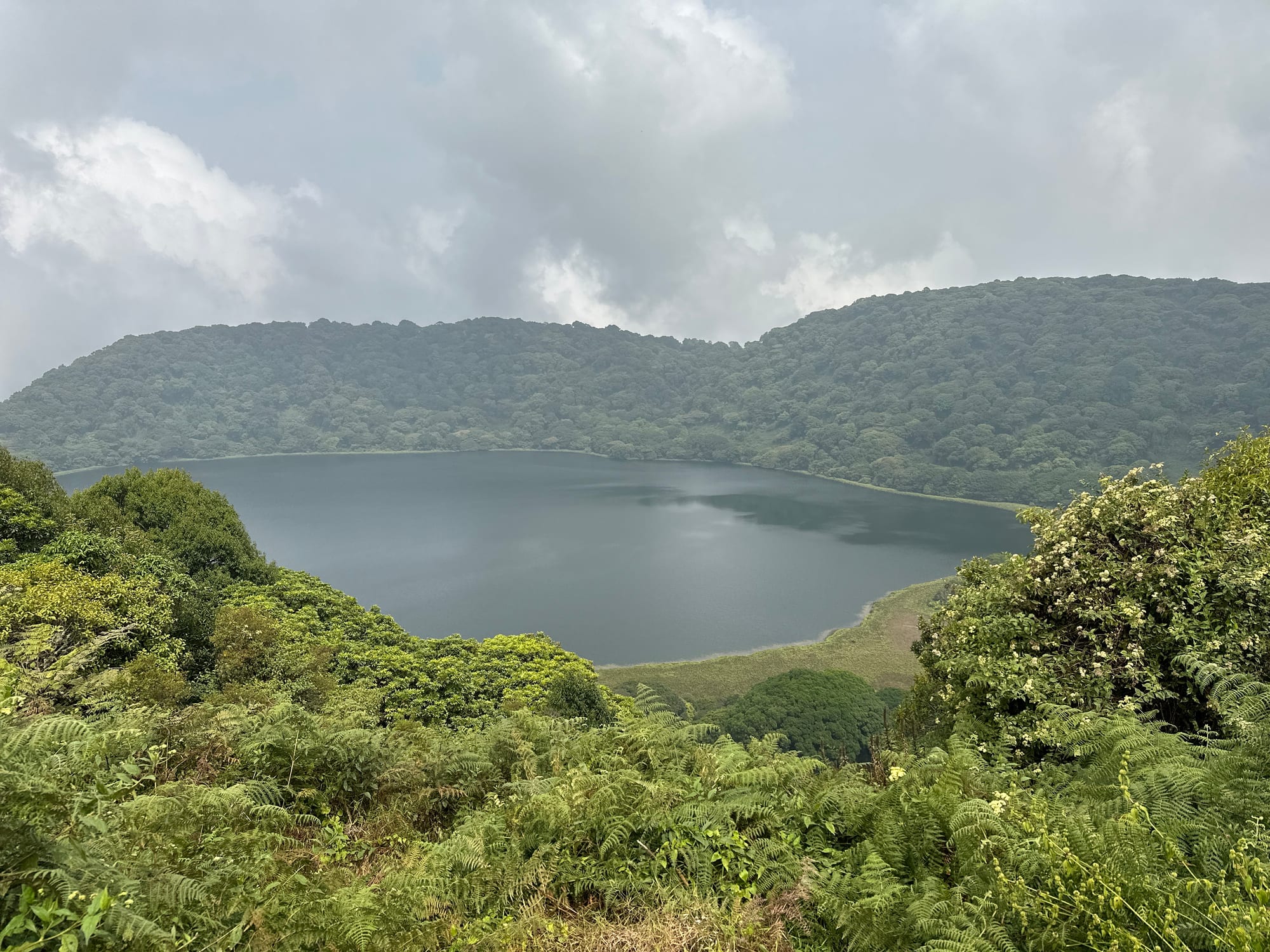
The Moka valley, in the cooler southern highlands of Bioko at around 1,300 metres, is the island's trekking area — grassland and cloud forest, the small crater lakes of Biao and Loreto, and the village of Moka itself, which has a basic ecolodge run with the Bioko biodiversity project. From here, guided walks reach the caldera rim, the lakes, and (with more effort) the Ureca turtle beaches.
It is the greenest, most temperate part of the country and the base for serious nature trips.
5. Monte Alén National Park
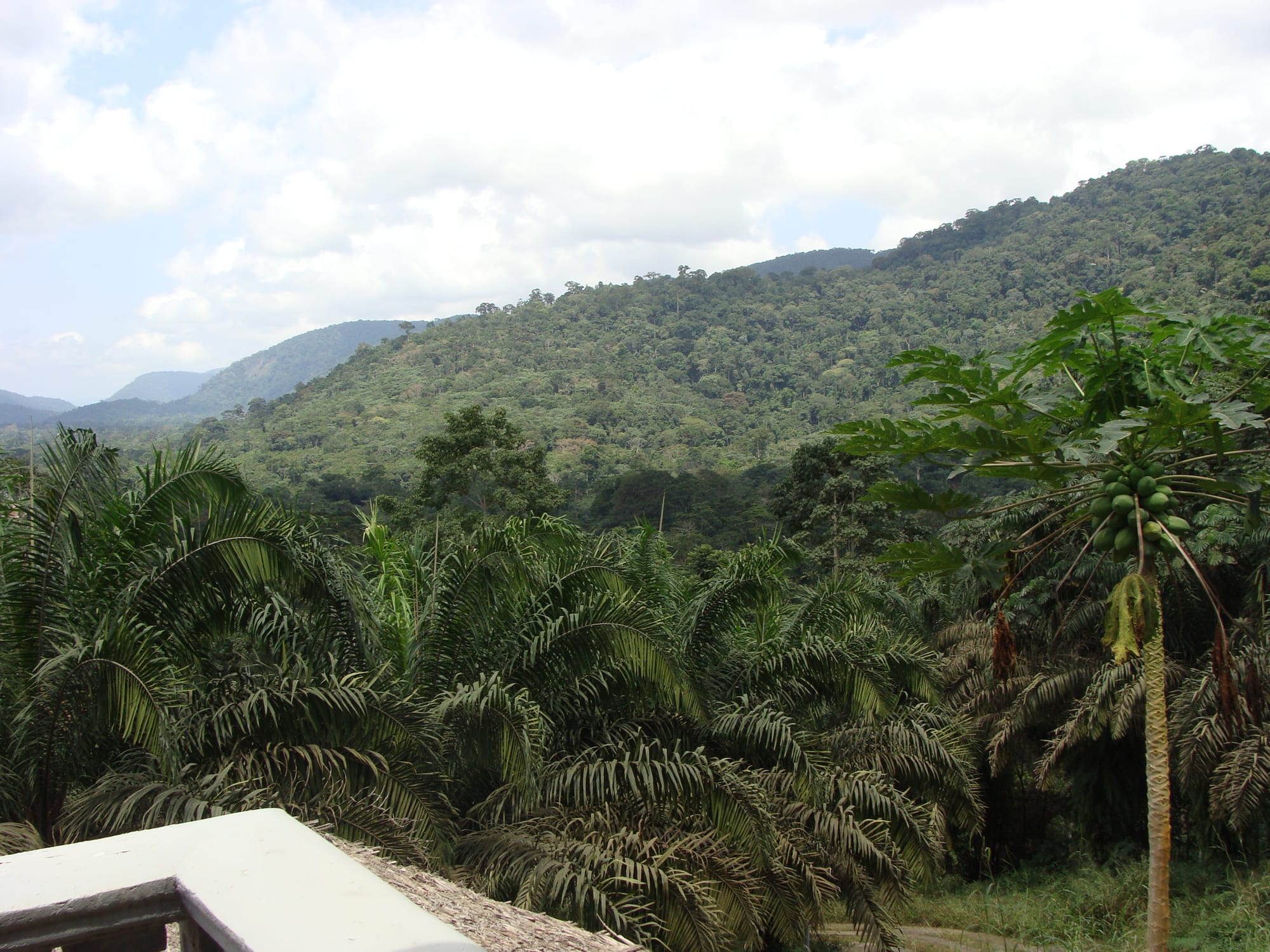
On the Río Muni mainland, Monte Alén protects around 1,400 square kilometres of lowland and montane rainforest — home to lowland gorillas, chimpanzees, forest elephants, mandrills, and the goliath frog, the largest frog in the world. It is the richest wildlife area in the country.
Infrastructure is minimal; visits are arranged from the town of Niefang or the capital of Río Muni, Bata, with guides. The mainland also has the Estuario del Muni reserve of mangroves and dolphins near the Gabon border.
6. Sipopo and the oil-boom landscape
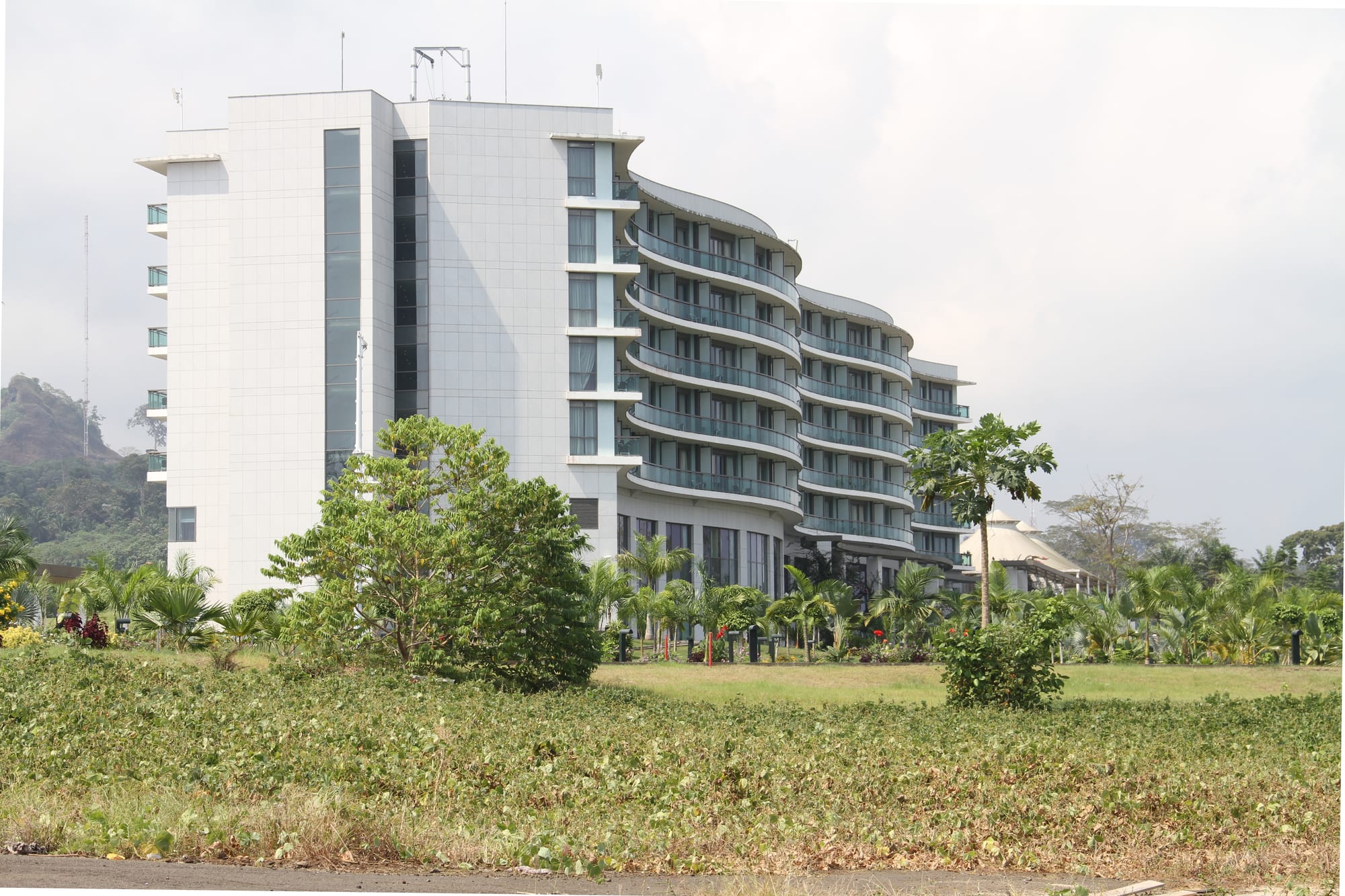
Sipopo, built east of Malabo for a 2011 African Union summit, is a strip of luxury hotels, villas, a golf course, and a conference centre carved out of the jungle — mostly empty most of the time, and emblematic of how the country's oil wealth has been spent. The planned new capital, Ciudad de la Paz (Oyala), being built from nothing in the mainland interior, is another example.
They are curiosities rather than attractions, but they are a large part of what a visitor actually sees.
Equatorial Guinea is one of the least-visited countries on Earth, and by design. It rewards the very determined traveller with untouched rainforest and volcanic scenery, reached only with permits, guides, and patience.