History · Dominican Republic
Dominican Republic: The Other Half of Hispaniola
The first European colony in the Americas, a nation defined by its border with Haiti, 31 years under Trujillo, and a Caribbean success story with a hard core
By Worldlore Editorial · 10 September 2026
One island, two countries
The Dominican Republic occupies the eastern two-thirds of Hispaniola, the second- largest island in the Caribbean, sharing it with Haiti to the west. Its 11 million people are Spanish-speaking, mostly Catholic, and heavily of mixed African and European descent, and its culture — the music, the food, the religion, the passion for baseball — is unmistakably Caribbean. But the fact that has shaped the country more than any other is the border: the Dominican Republic won its independence not from a European empire but from Haiti, and it has defined its national identity, at times toxically, against the neighbour it shares an island with.
A short history
- to 1490s
The Taíno
Five chiefdoms; the largest Indigenous society in the Caribbean.
- 1496
Santo Domingo
The first European city in the Americas; the base for the conquest of the mainland.
- 1605 / 1697
The island splits
Spain depopulates the west; France gains it as the colony of Saint-Domingue.
- 1822–1844
Haitian rule
Haiti invades and governs the whole island for 22 years.
- 27 February 1844
Independence
The Dominican Republic is proclaimed — from Haiti.
- 1861–1865
Back to Spain, then out again
Annexation to Spain, reversed by the War of Restoration.
- 1916–1924
US occupation
American forces occupy the country and build its constabulary.
- 1930–1961
Trujillo
A 31-year personal dictatorship; the 1937 massacre of Haitians.
- 1965
A second US intervention
20,000 troops land during a civil war.
The first colony
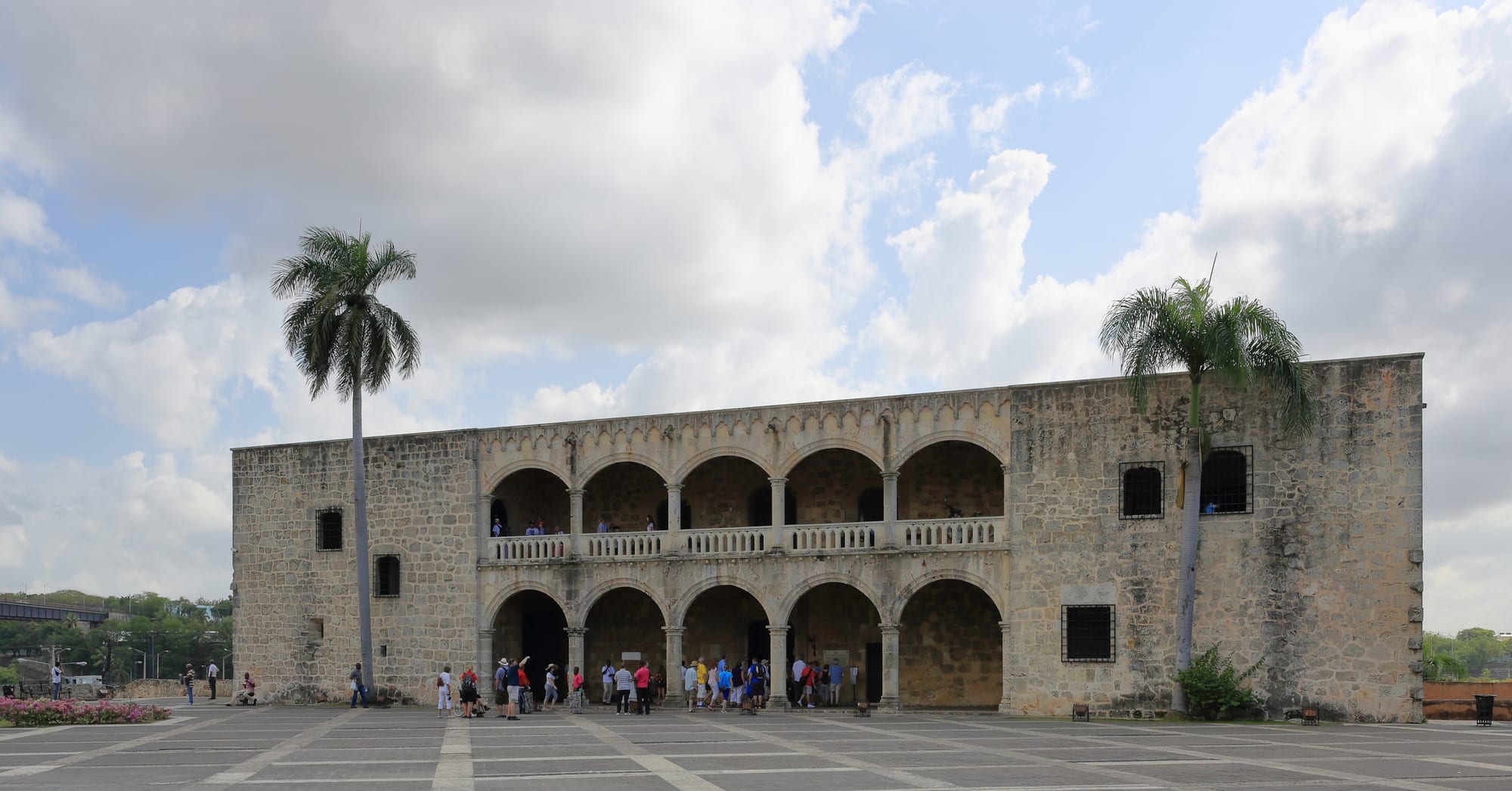
Columbus landed on Hispaniola in December 1492, and Santo Domingo, founded a few years later, became the first true European city in the Americas — with the first cathedral, the first university and the first fortress, and the launch point for the Spanish conquest of Mexico and Peru. The Taíno, who had the largest population in the Caribbean, were destroyed within a generation by forced labour in the gold mines, war and disease. The first enslaved Africans in the Americas were brought here, and so was the first major slave revolt.
The first city
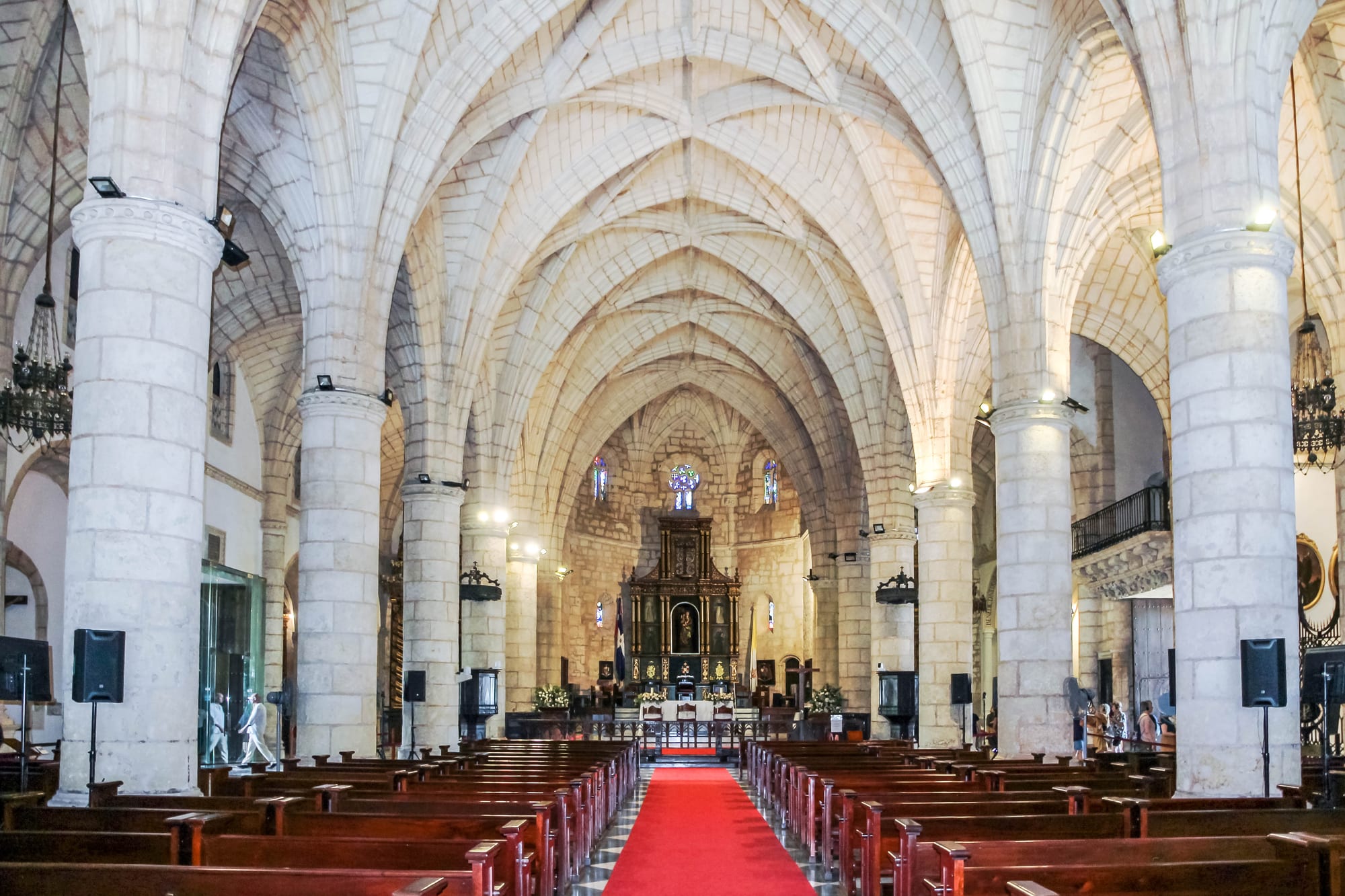
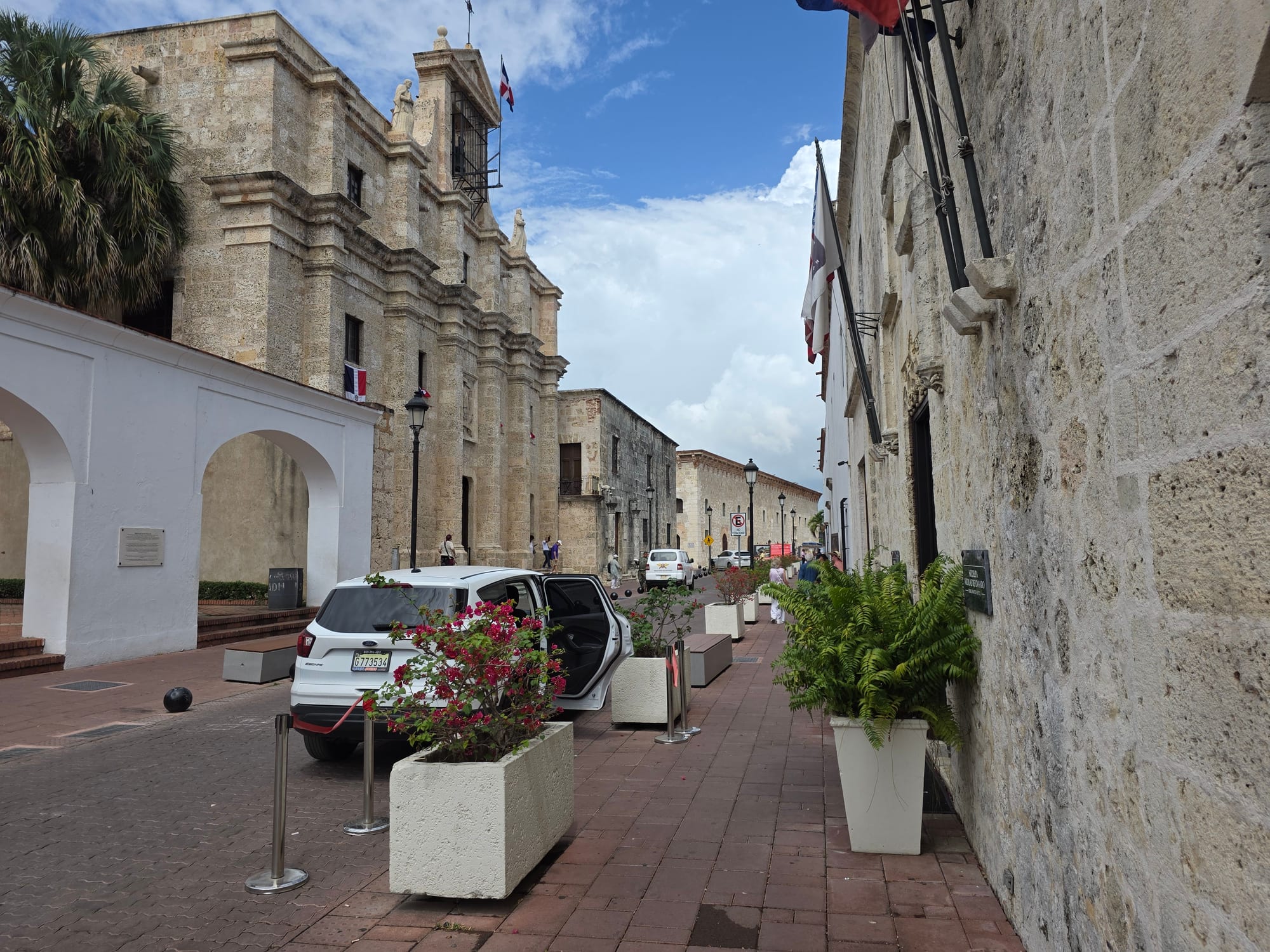
Once the gold ran out, Santo Domingo became a poor backwater. To stop contraband trade, Spain forcibly cleared the western coasts of the island in 1605–06 — which left the west open to French settlers, and by 1697 France held it as the colony of Saint-Domingue. Hispaniola was now split: a rich, slave-worked French west that became the world's largest sugar producer, and a poor, cattle-ranching Spanish east with a large free population of colour.
The Haitian century
The Haitian Revolution transformed both halves of the island. Spain ceded the whole of Hispaniola to France in 1795; Toussaint Louverture occupied Santo Domingo and abolished slavery there in 1801. After Haiti's independence in 1804, the Spanish east drifted through a brief return to Spain and a short-lived independence before Haiti, in 1822, invaded and governed the entire island for 22 years. Haitian rule ended slavery in the east for good, but it was experienced by many Dominicans as a hostile occupation, and the memory of it became central to how the Dominican Republic later defined itself.
Independence, and a country in search of a protector
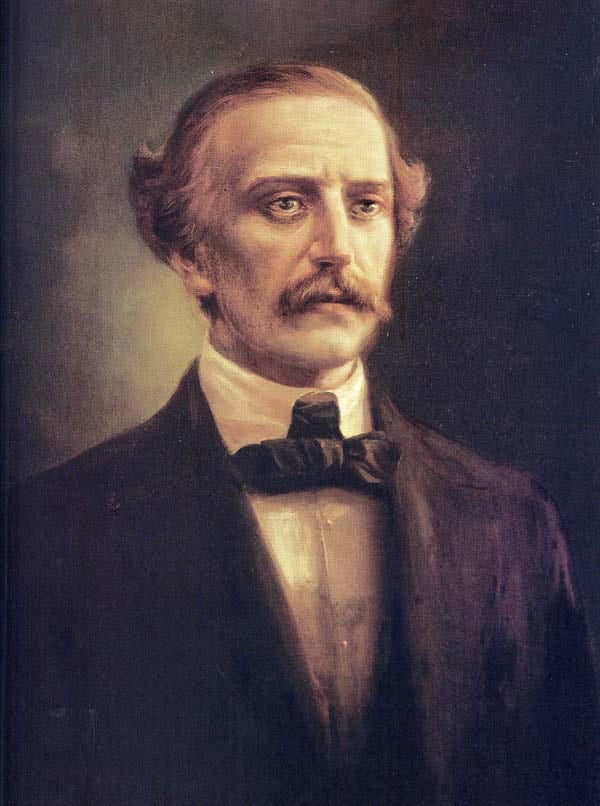
A secret society led by Juan Pablo Duarte organised a revolt, and on 27 February 1844 the Dominican Republic declared its independence — from Haiti. Duarte was quickly sidelined by conservative strongmen who spent the next decades repelling Haitian invasions and shopping for a foreign patron; one of them actually annexed the country back to Spain in 1861, provoking a guerrilla War of Restoration that drove Spain out again by 1865.
Decades of coups and debt followed, and in 1916 the United States occupied the country outright, staying until 1924 and leaving behind a national constabulary that would produce the next ruler.
Trujillo
Rafael Trujillo, risen through that US-built force, seized power in 1930 and held it for 31 years, in one of the most total dictatorships in Latin American history. He renamed the capital after himself, monopolised the economy for his family, and ran a pervasive secret police. Its worst crime was the Parsley Massacre of October 1937, when Trujillo ordered the army to kill Haitians along the border — using the Spanish word for parsley as a test of accent — killing tens of thousands of people in a few days. Trujillo also pushed an ideology of anti-Haitian, anti-Black racism that still colours Dominican politics.
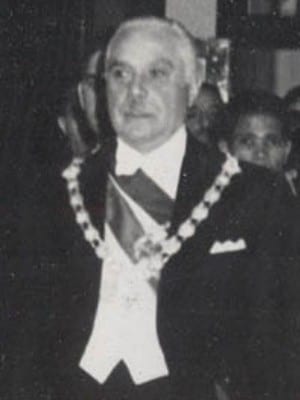
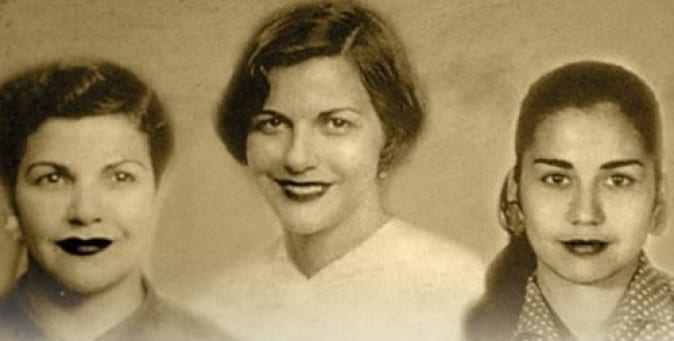
Trujillo was shot dead by conspirators in May 1961. The brief democratic opening that followed — the election of the leftist writer Juan Bosch — was cut short by a military coup, and in 1965 a pro-Bosch revolt in Santo Domingo brought a second US military intervention, 20,000 troops landing to prevent "a second Cuba".
The modern republic
The elections of 1966 brought Joaquín Balaguer, a former Trujillo official, to power, and he dominated Dominican politics for the rest of the century — through repression and fraud, but also through economic growth. Since the late 1990s the country has had genuine multiparty competition and peaceful transfers of power, and its economy has been one of the strongest performers in Latin America, driven by tourism, free-trade-zone manufacturing, one of the world's largest gold mines, and remittances from a large diaspora in the United States.
The unresolved issue is still Haiti. The Dominican Republic hosts a large Haitian-descended population working in construction, agriculture and services, often without papers and often exploited. In 2013 a court ruling retroactively stripped citizenship from tens of thousands of Dominican-born people of Haitian descent, leaving many stateless; and as Haiti has collapsed into gang rule since 2023, the Dominican Republic has built a border wall and deported hundreds of thousands of people.
What the Dominican Republic carries
The Dominican Republic is the place where European colonisation of the Americas began, and it spent the centuries afterward as an afterthought — poor, empty, fought over, occupied. Its modern identity was forged in opposition to Haitian rule and then hardened, under Trujillo, into an official racism that has never fully lifted. The country that has emerged is prosperous, democratic and outward-looking, and still working out how to live with the nation on the other side of the island.