Daily Life · Dominican Republic
Dominican Republic: The Colmado on the Corner
Merengue drifting from a radio, rice and beans at midday, and a small family-run shop on nearly every block that doubles as the real neighbourhood living room
By Worldlore Editorial · 30 September 2026
An ordinary day in the Dominican Republic starts with strong, sweet coffee and usually a radio somewhere playing merengue or bachata. Lunch, not dinner, is the day's main meal nationwide, built around rice, beans and a stewed meat known simply as la bandera, "the flag." Streets stay busy well into the evening, since the tropical heat pushes errands, sport and socialising to the cooler morning and night hours, and the corner store, the colmado, is never far from wherever the day happens to be.
Family and home life
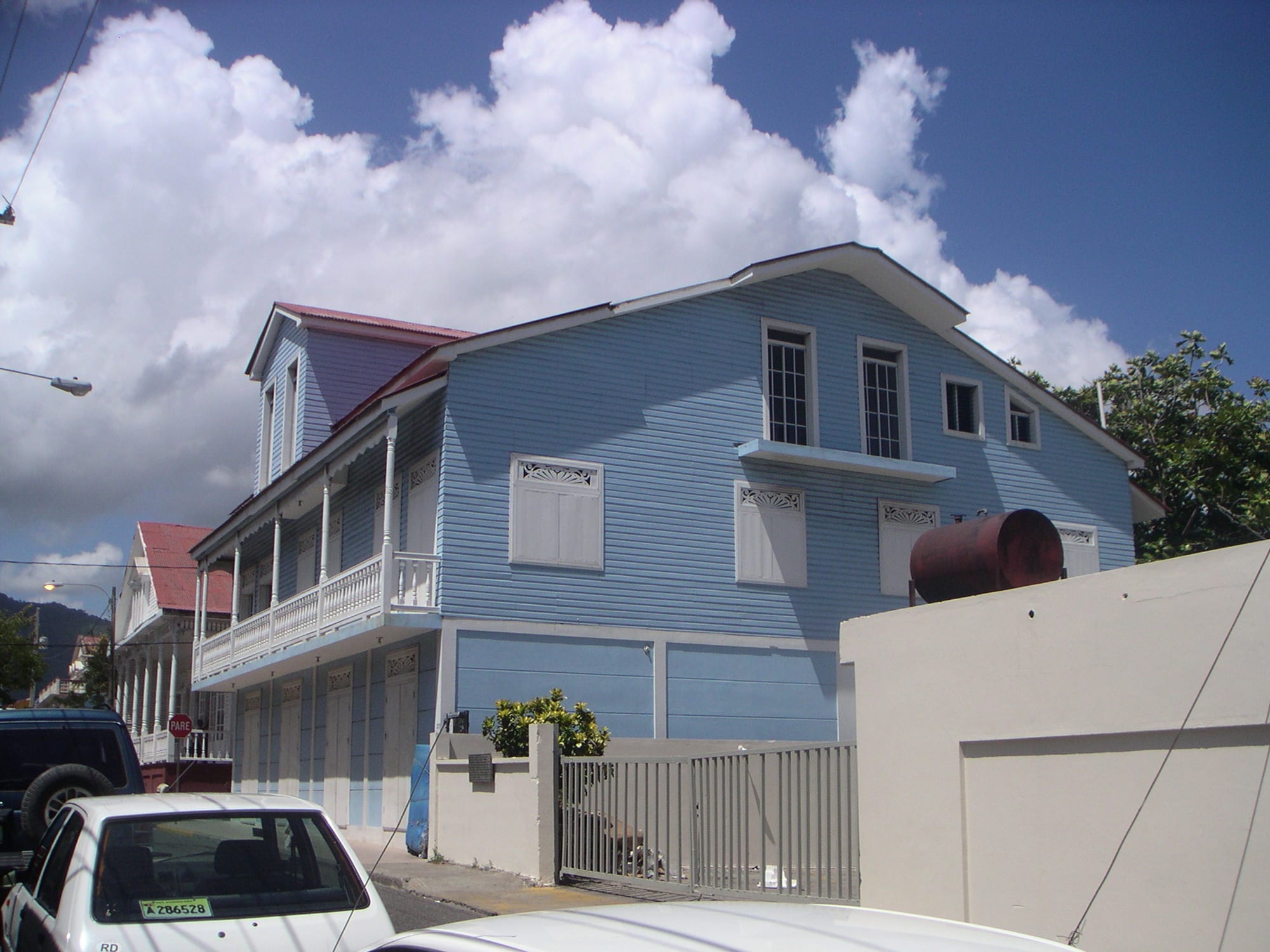
Households have grown smaller in recent decades: in the 2022 census the most common household was just two people, followed by people living alone and three-person homes. Even so, family ties reach well beyond one roof. Grandparents, aunts, uncles and cousins are treated as close family rather than extended relatives, and it remains common for them to live nearby, drop in without notice, and help raise children. Housing ranges from modest concrete-block homes to the wooden, colourfully painted Victorian-style houses found in towns across the country, a style that survives from the late nineteenth and early twentieth centuries.
Work, school and the rhythm of the day
Dominican labour law caps the standard working day at eight hours and the working week at 44 hours, with the week ending at midday on Saturday, though small businesses and market stalls often keep longer, looser hours than any office. Public schools have long run on a split-shift system, one group of children attending mornings and a second in the afternoon, a legacy of limited classroom space; a government programme has been extending many public schools to a single, longer full day, though the older double-shift pattern still operates in parts of the country. The school year runs from mid-August to June, in two terms either side of the Christmas break.
Community life and public spaces
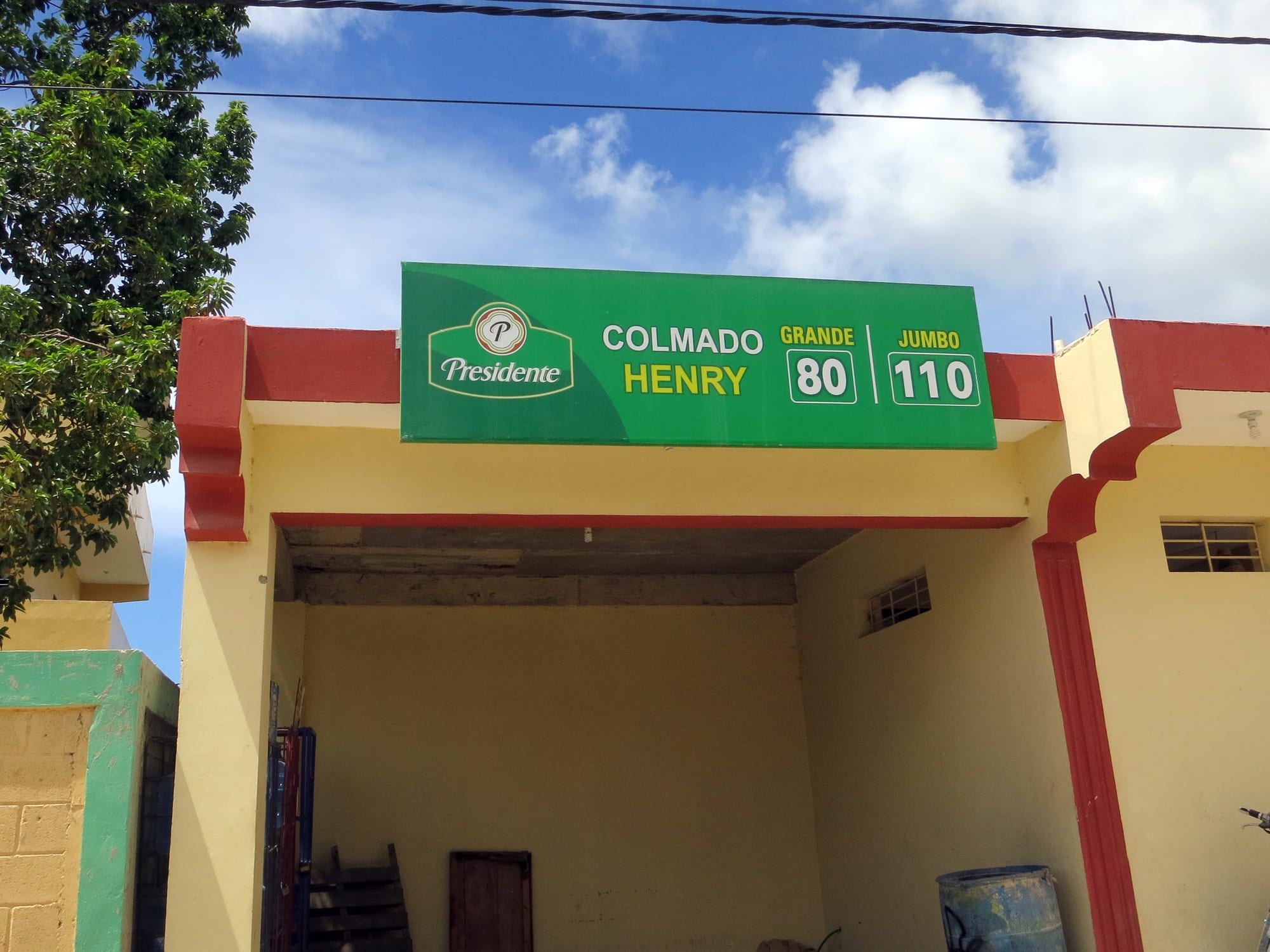
The colmado is the real hub of neighbourhood life: a small, family-run shop, often just a counter opening onto the street, selling everything from rice and phone credit to a single cold beer, and doubling as an informal meeting point where people pause to talk rather than just buy something and move on. Public transport runs on guaguas, privately operated minibuses and vans that follow set routes without a fixed timetable, a conductor leaning from the door to call out the destination and collect fares. Markets, plazas and the shaded parts of town squares fill in the evening once the day's heat eases, and Sunday brings church and, afterwards, a family meal that runs long.
Free time and weekends
Baseball dominates free time from mid-October to January, when the winter league season fills stadiums with fans banging cowbells and drums; games are treated as family outings and neighbourhood occasions as much as sport. Dominoes played at a folding table on the pavement is a popular pastime, among men in particular, and music is constant, merengue and bachata carrying from colmados, cars and open windows alike. Where money and distance allow, weekends bring a trip to the beach or a river, and long, unhurried family lunches are standard on Sundays.
A visitor's ordinary day
The Dominican Republic runs increasingly on cards in cities and resort areas, but cash in Dominican pesos is still needed for guaguas, colmados and smaller vendors; resort areas sometimes quote prices in US dollars at a less favourable rate than paying in pesos. Shops and colmados open early and stay open into the evening most days of the week. Getting around independently means guaguas for short hops, intercity coaches such as Caribe Tours or Metro for longer journeys between cities, and a rental car for flexibility, though night driving on rural roads is best avoided given rough surfaces and assertive local driving habits.
What to take away
What defines an ordinary day in the Dominican Republic is less any single custom than how much of it plays out on the street and at the colmado, rather than behind closed doors.