Attractions & Natural Wonders · Dominican Republic
The Dominican Republic: Ten Attractions and Natural Wonders
The oldest European city in the Americas, a mangrove park of humpback-whale bays and pirate caves, a beach reachable only by boat, and the highest mountain in the Caribbean
By Worldlore Editorial · 19 September 2026
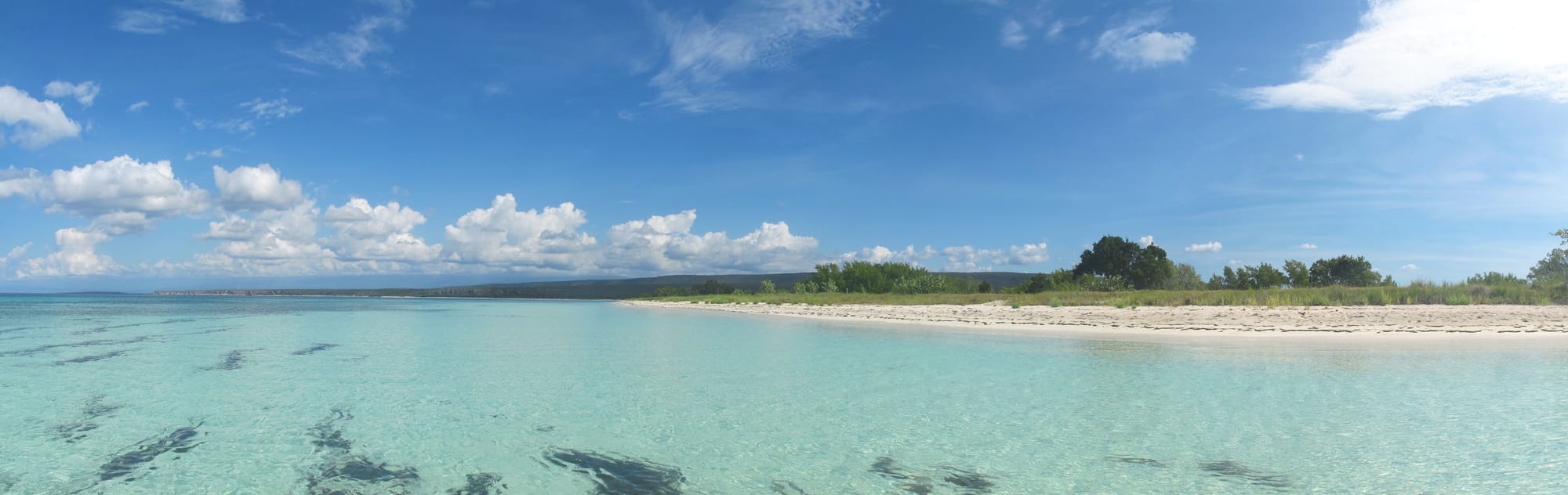
More than an all-inclusive
The Dominican Republic shares the island of Hispaniola with Haiti, and it is the most-visited country in the Caribbean — but the great majority of those visitors never leave the walled resort strips of Punta Cana and Bávaro. Behind them is a large, mountainous, varied country: the first city Europeans built in the New World, four mountain ranges (with the Caribbean's highest peak), whale bays, desert, and a huge mangrove national park.
The ten below run from Santo Domingo in the south to Samaná in the northeast and the wild southwest. It is a year-round destination; the hurricane season runs June to November, and whale season is mid-January to mid-March.
1. Santo Domingo's Colonial City
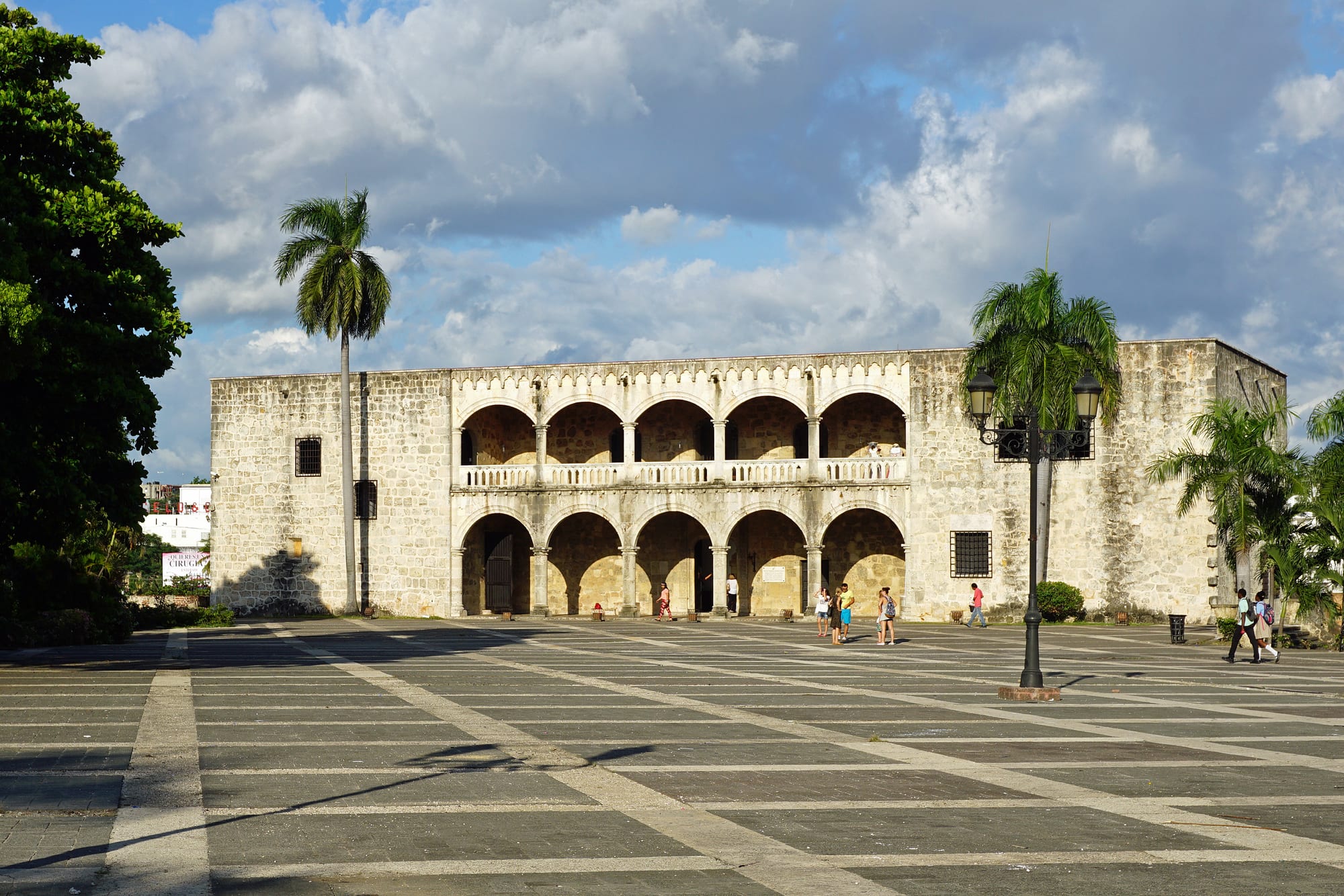
The Zona Colonial of Santo Domingo, founded in 1498, holds a string of "firsts" in the Americas: the first cathedral, the first university, the first paved street (Calle Las Damas), the first fortress. It is a UNESCO World Heritage Site and a living neighbourhood — restaurants and bars among the coral-limestone palaces and churches, and a nightly buzz around the Parque Colón.
The rest of Santo Domingo is a big, loud Caribbean capital, with the Three Eyes limestone caves and the vast Columbus Lighthouse monument on its edges.
2. Punta Cana and the east coast
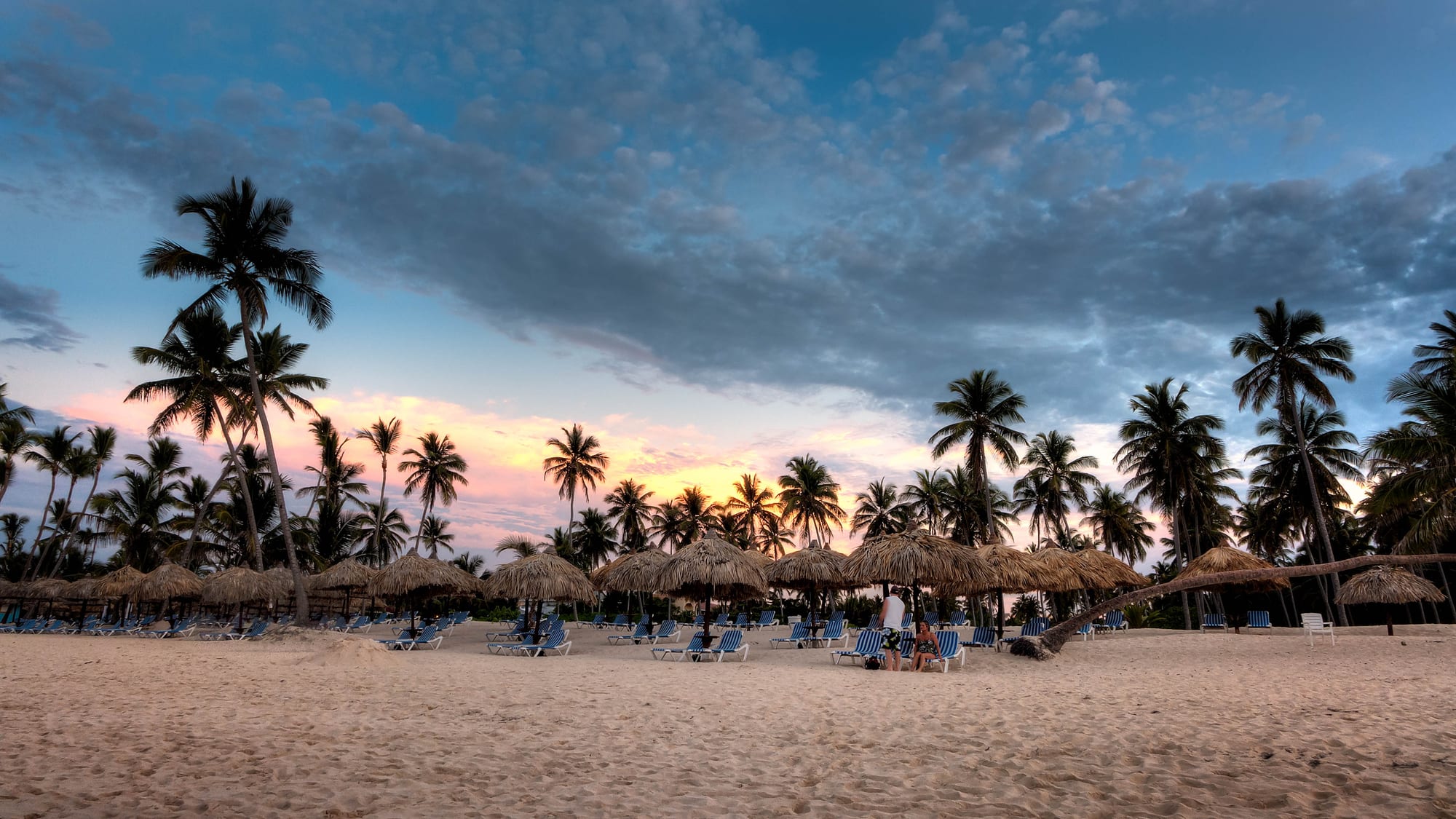
The 50-odd kilometres of coconut-palm beach from Punta Cana up through Bávaro and Uvero Alto is the engine of Dominican tourism — a wall of large all-inclusive resorts on genuinely excellent white sand and warm, reef-sheltered water. It is self-contained by design, with golf courses, a marina at Cap Cana, and day-trip piers.
For a beach town with more local life, Bayahíbe further south is the base for boat trips to Saona and the Cotubanamá (Del Este) national park.
3. Los Haitises National Park
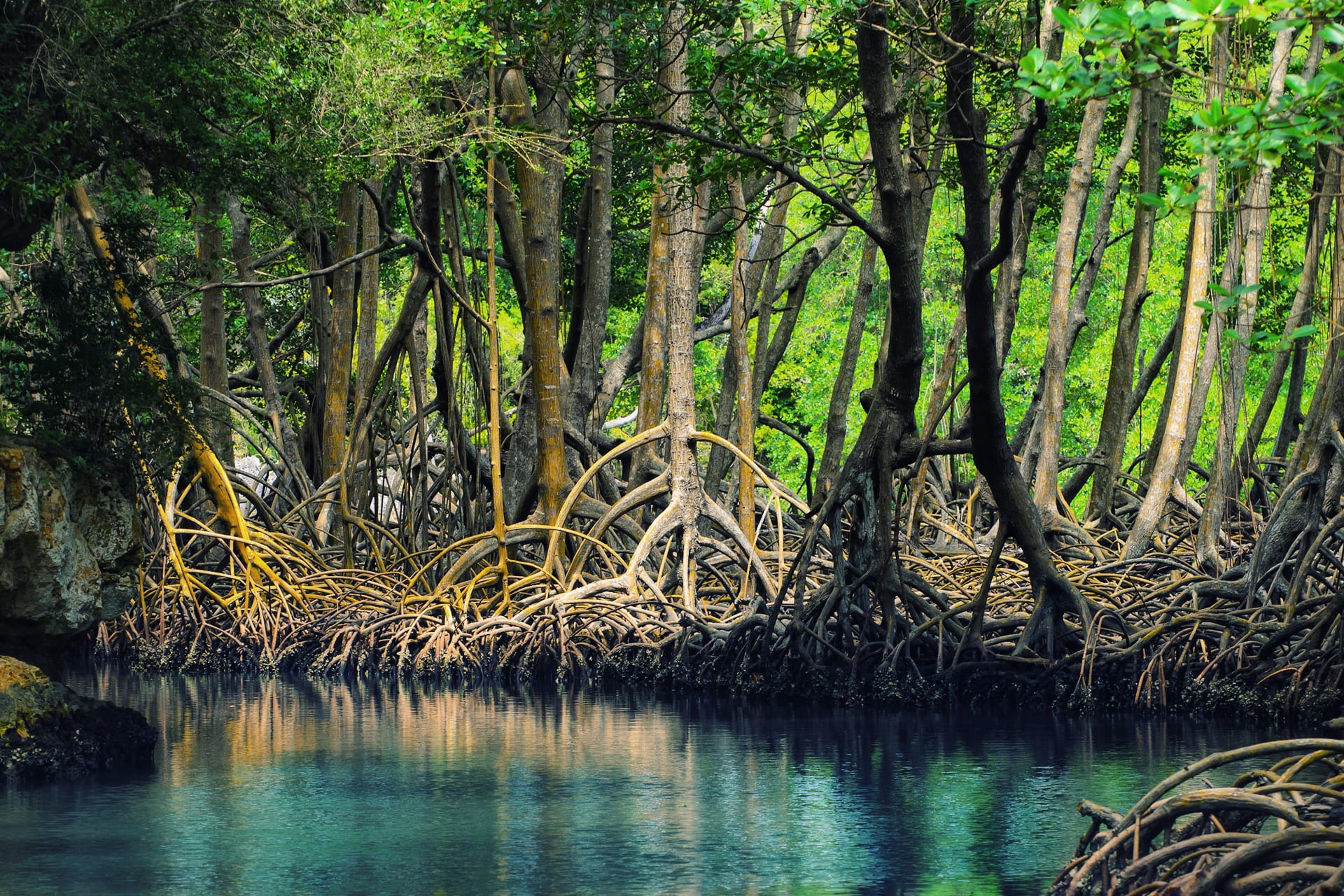
On the southern shore of Samaná Bay, Los Haitises is a drowned karst landscape — hundreds of forest-topped limestone knobs rising straight out of the sea and a maze of mangrove channels. Boat tours from Sabana de la Mar or Samaná weave among the mogotes to caves with Taíno rock paintings and pictographs, and to seabird colonies of pelicans and frigatebirds.
The forest holds the Hispaniolan parrot and solenodon; the "James Bond" film Jurassic World used the scenery as a stand-in for prehistoric islands.
4. Samaná and the humpback whales
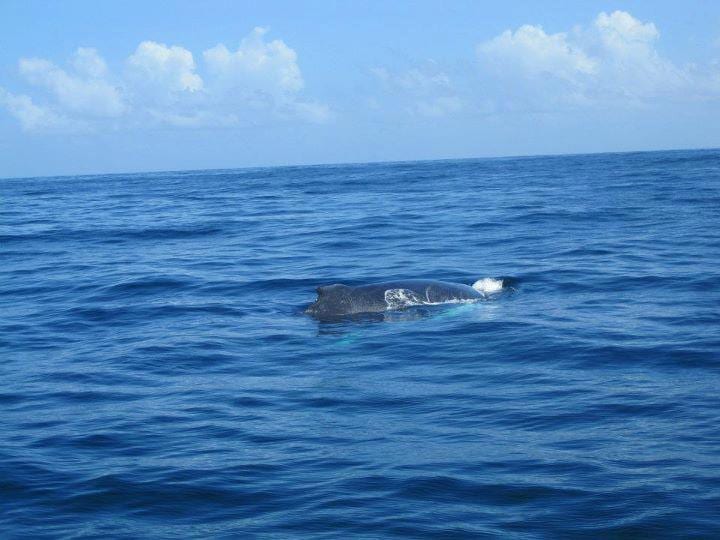
Each year from about mid-January to mid-March, an estimated 3,000 North Atlantic humpback whales migrate to the warm, shallow waters off the Samaná Peninsula to mate and give birth — one of the largest concentrations anywhere. Regulated whale-watching boats go out from the town of Santa Bárbara de Samaná; sightings of breaching and "singing" males are common.
The peninsula also has the beaches of Las Terrenas and Playa Rincón, and the offshore Cayo Levantado.
5. Salto El Limón
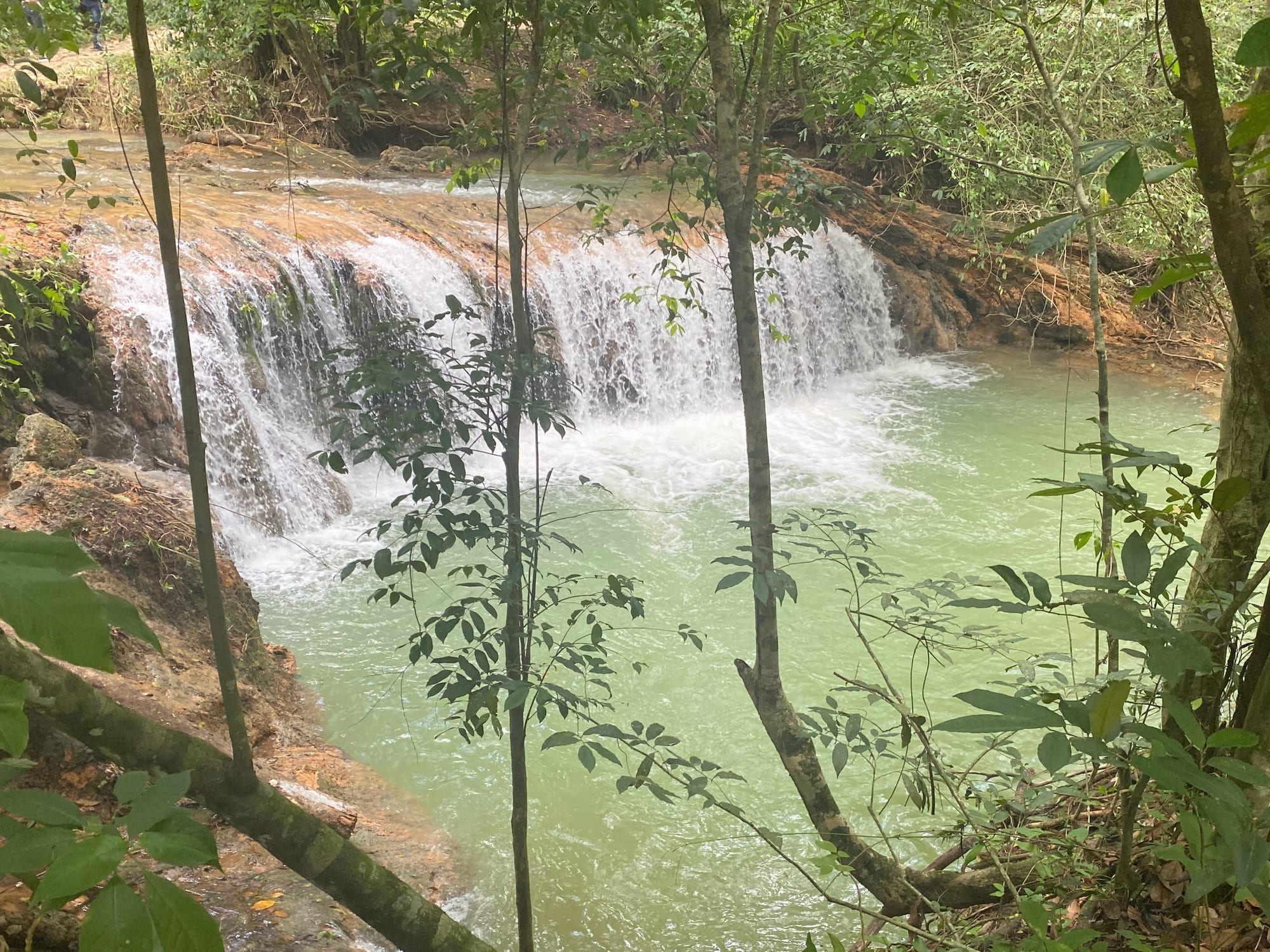
In the hills of the Samaná Peninsula, the El Limón river drops around 40 metres into a plunge pool you can swim in. It is reached by a 30–40-minute trail through forest and small farms, either on foot or — the traditional way — on horseback led by a local guide, from one of the ranches in the village.
It is one of the most popular excursions on the peninsula; go early to have the pool to yourself.
6. Bahía de las Águilas
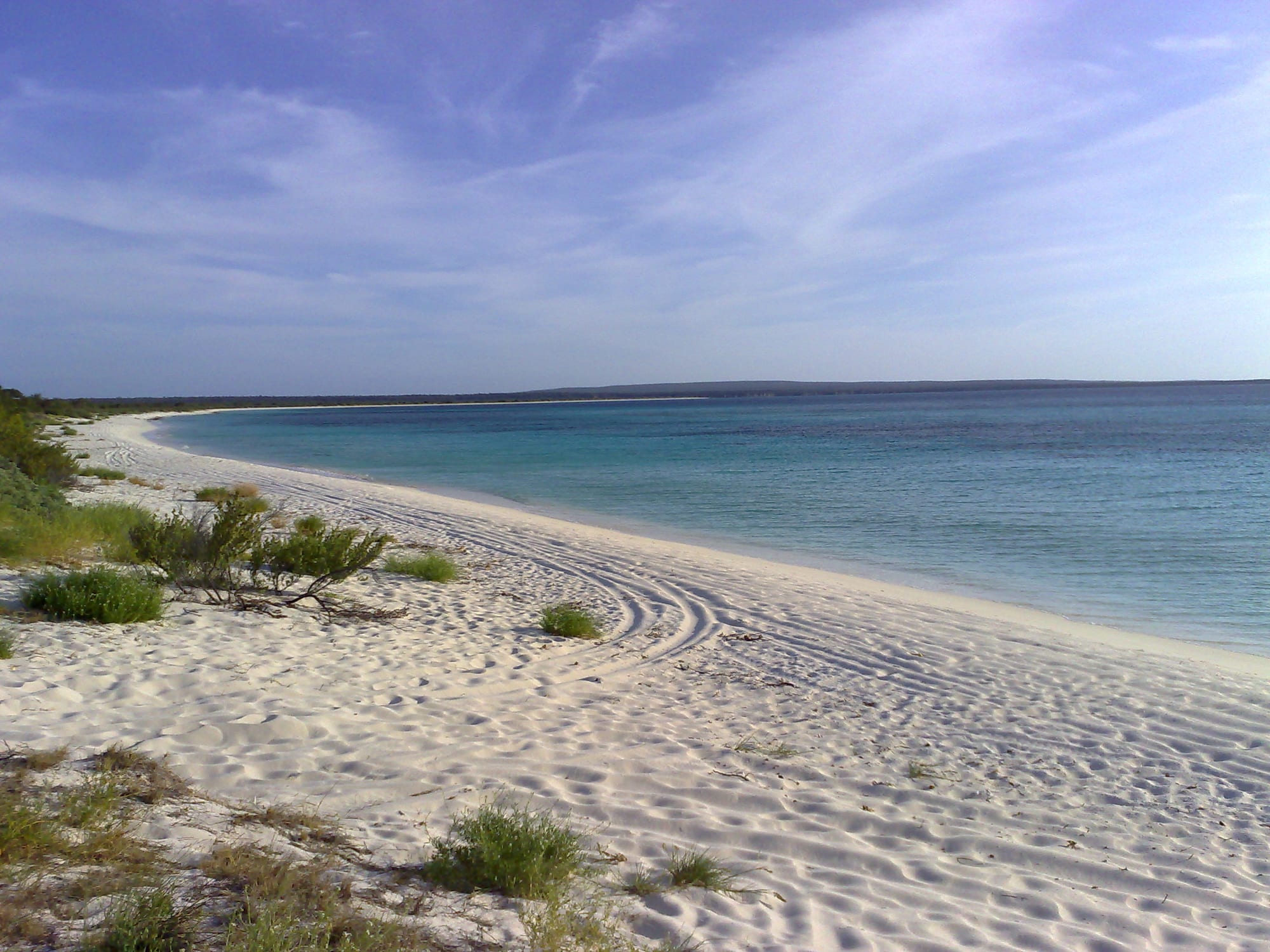
In the far southwest, close to the Haitian border, Bahía de las Águilas is often called the most beautiful beach in the country: seven kilometres of undeveloped white sand backed by cactus-covered cliffs, inside Jaragua National Park. There is nothing there — no hotel, no bar — and you reach it by a rough track and then a short boat ride from Las Cuevas.
The surrounding Pedernales region is dry and remote, with flamingo lagoons, iguanas, and the salt lake of Oviedo.
7. The 27 Waterfalls of Damajagua
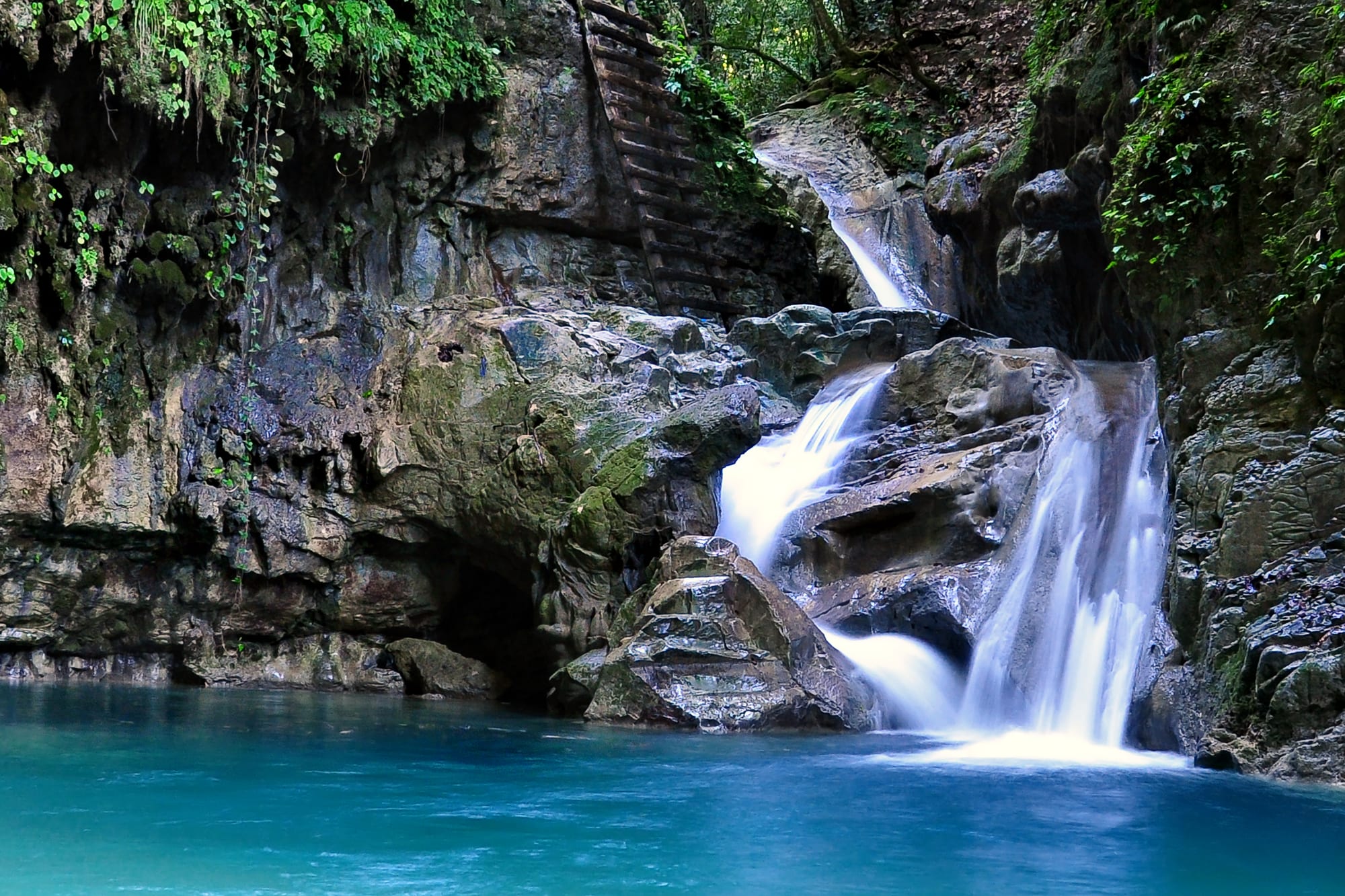
In the hills behind Puerto Plata on the north coast, the Damajagua river has cut a canyon of smooth travertine, and the standard trip is to hike up alongside it and then come back down through the water — sliding down natural rock chutes and jumping into the pools below the falls, in helmet and life jacket with a guide. You can do the first seven pools, or the full 27.
It is one of the best adventure outings in the country, run by a community cooperative.
8. Isla Saona
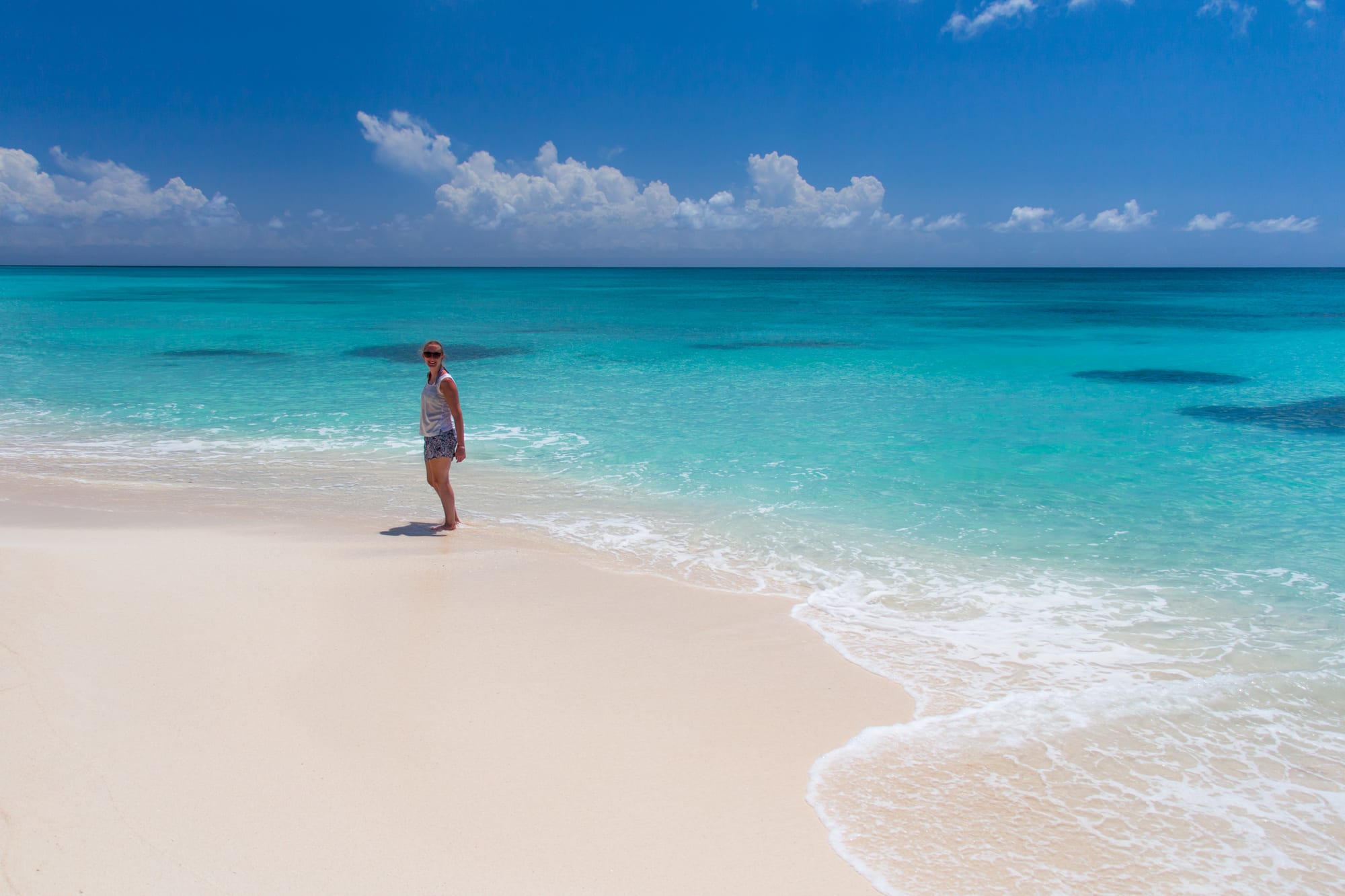
Saona, a low, forested island protected within the Cotubanamá (Del Este) National Park, is the classic Dominican day trip: catamaran or speedboat from Bayahíbe, a stop at a "natural pool" sandbar where you stand waist-deep among starfish, and a few hours on a palm-backed beach with a buffet lunch.
It is heavily visited and can feel like a floating party, but the water and the sand are the real thing, and the boat ride passes the mangroves and cliffs of the park.
9. Pico Duarte and the central mountains
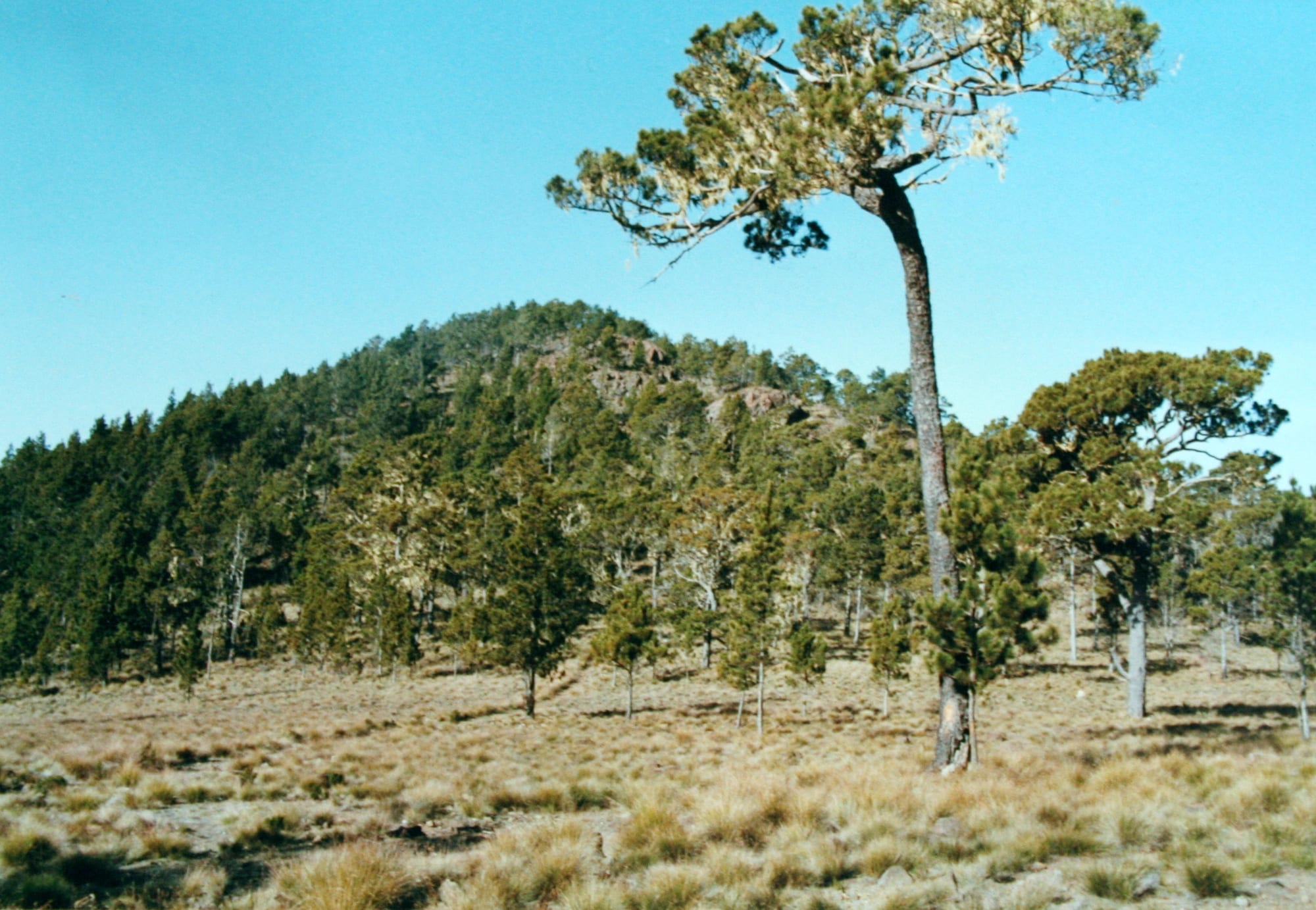
The Cordillera Central rises to Pico Duarte at 3,098 metres — the highest mountain in the Caribbean, and cold enough for frost. Climbing it is a two-to-three-day guided trek through pine forest from the town of La Ciénaga, staying in basic shelters. The mountain resort towns of Jarabacoa and Constanza, in cool green valleys below, are the base for rafting, canyoning, and Dominican strawberry and flower farms.
This "Dominican Alps" region is a complete change of climate from the coast, an hour or two inland.
10. The north coast and Cabarete
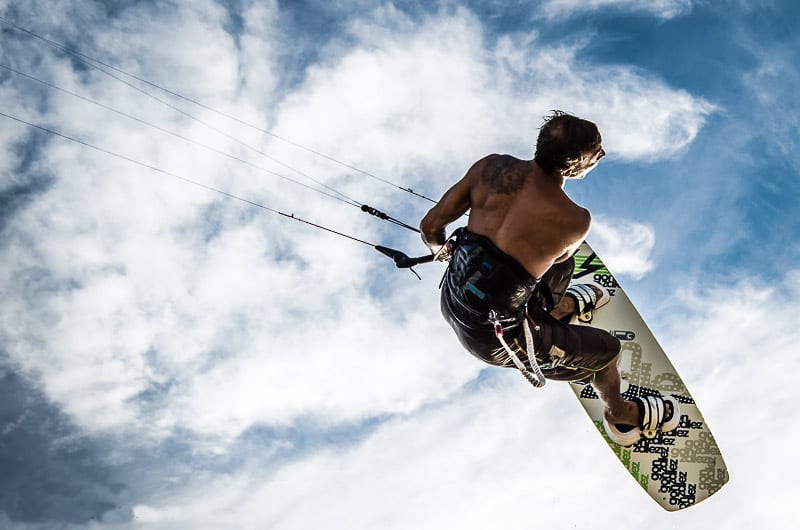
The Atlantic-facing north coast — the "Amber Coast", for its fossil-resin deposits — has a different character from the resort south: surf, wind, and small towns. Cabarete is a world capital of kitesurfing and windsurfing, with a reliable afternoon thermal wind and a beach-bar strip; Sosúa has a sheltered snorkelling bay; and Puerto Plata has a Victorian centre, a hilltop fortress, and a cable car up Mount Isabel de Torres.
It is the base for the Damajagua waterfalls, the amber museum, and the "Dominican Alps" inland.
The Dominican Republic works well as a two-part trip: a few days on a beach — the resort east, or the wilder Samaná or north coast — plus Santo Domingo for the history and one inland or wilderness excursion.