Culture & Customs · Djibouti
Djibouti: The Generosity of the Nomad
A Muslim nation of Somali and Afar traditions, where news is exchanged before anything else, guests are met with water and a meal, and old codes of solidarity still shape how people treat one another
By Worldlore Editorial · 30 September 2026
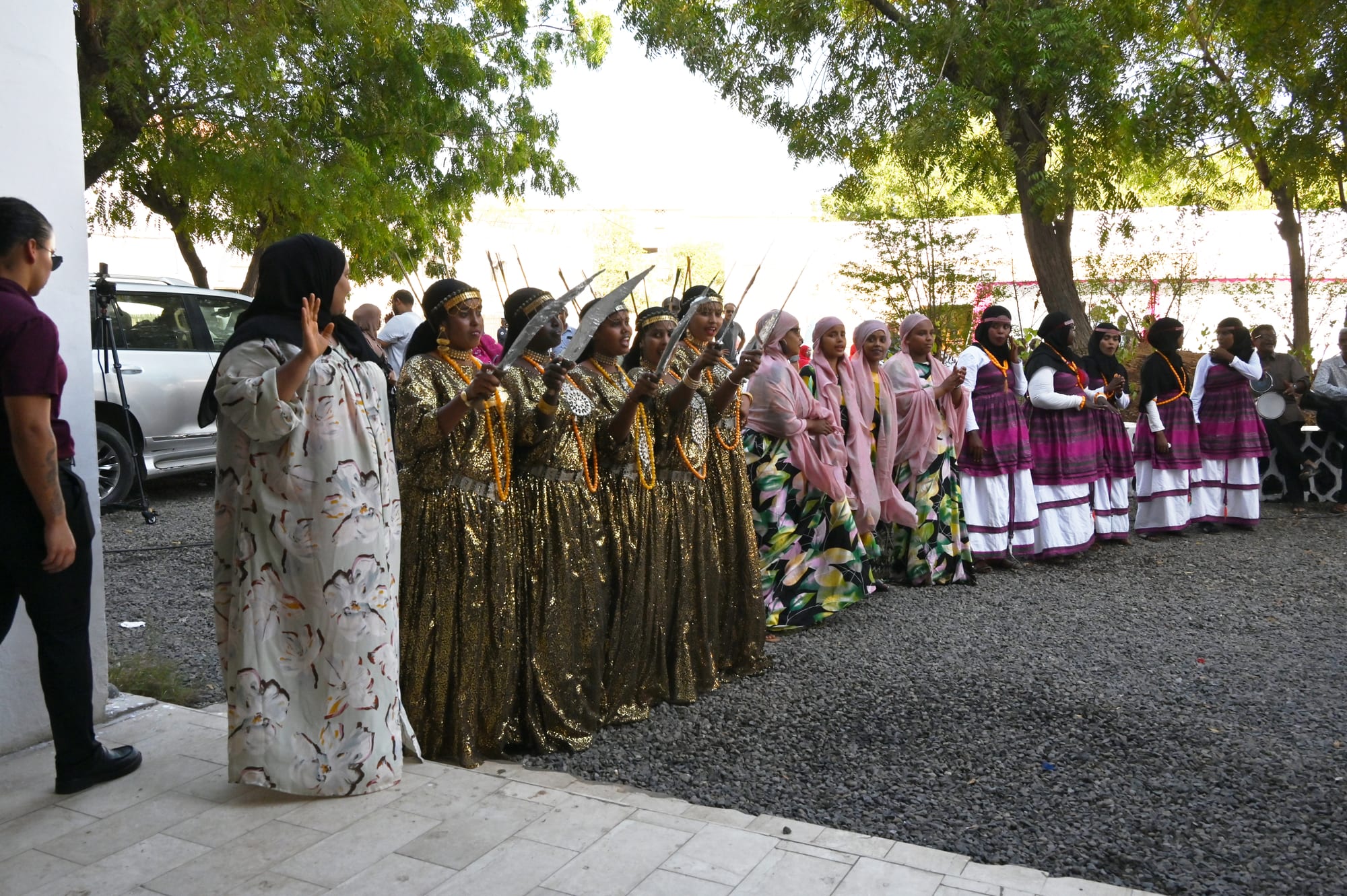
A traveller reaches an Afar encampment after a long walk through the heat. Before any questions are asked, the host brings water, first to drink and then to wash away the dust. Only once the guest has rested does the real conversation begin, and it opens with a question that has travelled across this corner of the Horn of Africa for generations: is there any dagu, any news? What follows is a careful exchange of who has married, who has died, where the rains have fallen and where lost animals were last seen. The scene holds much of what matters in Djibouti. In a harsh land, people have long depended on one another, and the country's own tourist office puts it simply: life in a difficult environment cultivates generosity, sharing and solidarity.
Faith, identity and values
Islam is the religion of the state under Djibouti's constitution, and the US government estimates that around 94 per cent of the population is Sunni Muslim. The remainder, including Christians of several denominations, is concentrated in the capital and includes many foreign-born residents. Religion is closely woven into public life. The Ministry of Islamic Affairs employs the country's imams as civil servants and vets the sermons given at Friday prayers, public schools observe Islamic holidays, and a course in civic and moral education based on Islam is taught to all pupils. Citizens are officially considered Muslim unless they identify with another faith, and social custom strongly discourages leaving Islam. Among Somalis, as Cultural Atlas notes, faith also runs through everyday speech: "inshallah", God willing, accompanies almost any mention of the future.
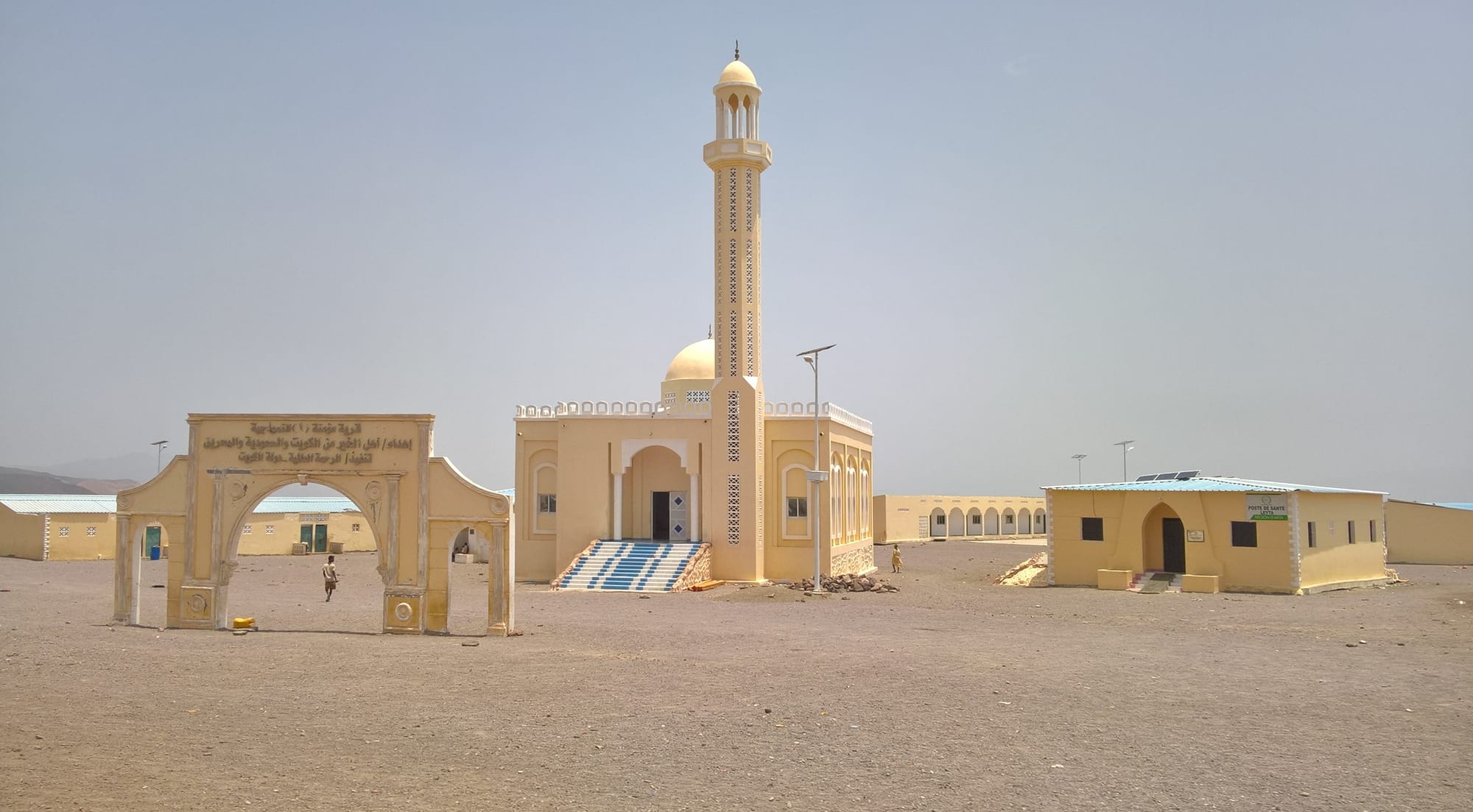
Two peoples make up most of the population: Somalis, above all the Issa, and the Afar. Both come from pastoral, nomadic backgrounds, and the tourist office describes the country's culture as springing from those ancestral nomadic roots, with a layer of Arab influence and Western modernity on top. For Somalis, family lineage traced through the father remains a basic marker of who a person is and how much respect is owed, and personal honour, known as sharaf, is bound up with the reputation of the whole family.
Both communities also keep their own systems of customary law. The Xeer Ciise, the oral law of the Somali-Issa, is on UNESCO's list of the intangible heritage of humanity, shared with Ethiopia and Somalia. UNESCO describes it as a codified system with three parts: a political constitution, a penal code that establishes community justice, and a code of social conduct built on values such as mutual assistance, peaceful settlement of disputes and respect for the rights of women and children. It is passed on through tales, proverbs, games and poetry. The Afar equivalent, the madqa, has been put forward by Djibouti for the same list. Peace itself is treated as a national value; the tourist office calls it "a treasure beyond price" in a turbulent region.
Much of social life among men has also long revolved around khat, a mildly stimulant leaf imported fresh from Ethiopia and chewed through the afternoon. When Djibouti's first president tried to ban it in 1978, the decision set off riots in the streets.
Greetings and meeting people
Greetings matter, and they are rarely hurried. The Islamic greeting "as-salaam alaykum", peace be upon you, answered with "wa alaykum as-salaam", is appropriate with anyone and especially with older people. Among Somalis, everyday greetings often ask for news rather than simply how someone is: "Iska warran?" means, roughly, "What's the news?" Standing up to greet an elder or a respected guest is a mark of good manners.
Men usually greet each other with a firm handshake. Physical contact between men and women who are not related is more cautious: Cultural Atlas advises that where a greeting crosses genders, the woman should be the one to offer her hand, and a man should not assume that she will. Women who know each other well may hug and kiss on the cheek. Among Somalis, kinship terms are extended well beyond the family as a form of respect, so an older man may be addressed as "adeer", uncle, and an older woman as "eeda" or "habo", aunt, whether or not they are related.
Among the Afar, the exchange of news is not small talk but an obligation with its own rules. Dagu, as the practice is called, expects anyone who passes on information to be able to say where it came from, so that a false report can be traced to its source; spreading falsehoods is treated as a serious breach, and the person responsible may be shunned. The subjects covered are practical and communal: marriages, deaths, journeys, the arrival of guests and the whereabouts of livestock.
Hospitality and being a guest
The nomadic ideal of generosity carries into the home. A visitor may be welcomed warmly even when unannounced, and visits tend to be long, with leave-taking stretched out rather than rushed. Among Somalis, shoes are usually taken off at the door unless the host says otherwise, partly because the home is also a place of prayer. Separate sitting areas for men and women are common, and men and women often eat separately.
Hands are washed before a meal is served. Food is traditionally eaten from a shared platter with the right hand, and the left hand should not touch the food; the right hand, or both hands together, is also used when passing or receiving anything. When seated, it is considered rude to point the soles of the feet or shoes at another person. Leaving a little food at the end of the meal is a quiet way of signalling that the host has provided more than enough.
Gifts are not required, but they are welcome. Anything containing alcohol or pork, or made from pigskin, should be avoided. It is common for a gift to be politely refused at first, so a guest may need to offer it again before it is accepted. Among the Afar, the first act of welcome remains water, for drinking and washing, followed by questions about the guest's family and, once they have rested, the exchange of news.
Festivals and life's big moments
The year is shaped by the Islamic calendar. During Ramadan, families break the fast together at sunset with dates and water, followed by a spread of dishes drawn from Somali, Afar and Arab traditions. After the meal, mosques fill for the night prayers known as tarawih. The month is also a time of solidarity and charity, and La Nation, the national newspaper, notes that even the mabraz, the traditional men's gathering place, keeps a more sober tone.
Eid al-Fitr, which ends Ramadan, begins with communal prayers at dawn. People put on their finest clothes, and buying new ones is a firm social expectation: in the weeks before, tailors and cloth merchants are busy with men buying the macawiis, a plain, elegant wrap, and women the diraac, a long, loose, flowing dress. Children parade in new outfits and receive sweets and money from their elders, while the rest of the day is given over to visiting relatives, with "Eid Mubarak" exchanged across town.
The main civic holiday is Independence Day on 27 June, marking the end of French rule in 1977. On the night of independence, crowds sang the national anthem after midnight as the new flag was raised, women wearing boubous bearing the flag and men in the traditional izar wrap, to the sound of folk dances, ululation and independence songs. Today the day is marked by a military parade watched by thousands of families from the capital and the interior.
Weddings are family and community affairs rather than simply the business of the couple. The zaffa, the bridal procession that marks the passage from single to married life, is on UNESCO's list as a tradition shared by Djibouti with six other countries, among them Somalia, the Comoros and Jordan. Preparations include cleansing rituals and henna for the bride, and during the celebrations symbolic acts are performed to bless and protect the couple, amid music, dancing, joyful shouts and the throwing of sweets and flowers. In Djibouti the couple is traditionally escorted to their new home with religious and ritual chants known as khassayid. The tourist office singles out weddings as the best occasions to see traditional song and dance performed. The diraac, worn to weddings, is also worn to work and to funerals, which is part of why it is so often called the signature dress of Djiboutian women.
Arts, crafts and music
Djibouti's culture is above all an oral one. Songs, poetry and dances in epic and lyrical styles are the heart of its artistic life, and the tourist office describes this spoken heritage as "oraliture", passed down by voice rather than in writing. Among the Somali dances it names are the daanto, the sadehleh, the zeili'i and the wilwilleh, while the Afar keep dance traditions of their own.
Poetry and song have also carried political weight. Before independence, poets, musicians and playwrights such as Aden Farah Samatar, Hassan Elmi and Ibrahim Souleiman, known as Gadhle, used metaphor and layered meaning to voice resistance to colonial rule while slipping past the censors. The independence songs of performers such as the late Mohamed Ali Fourchette rang out on the night the new flag went up.
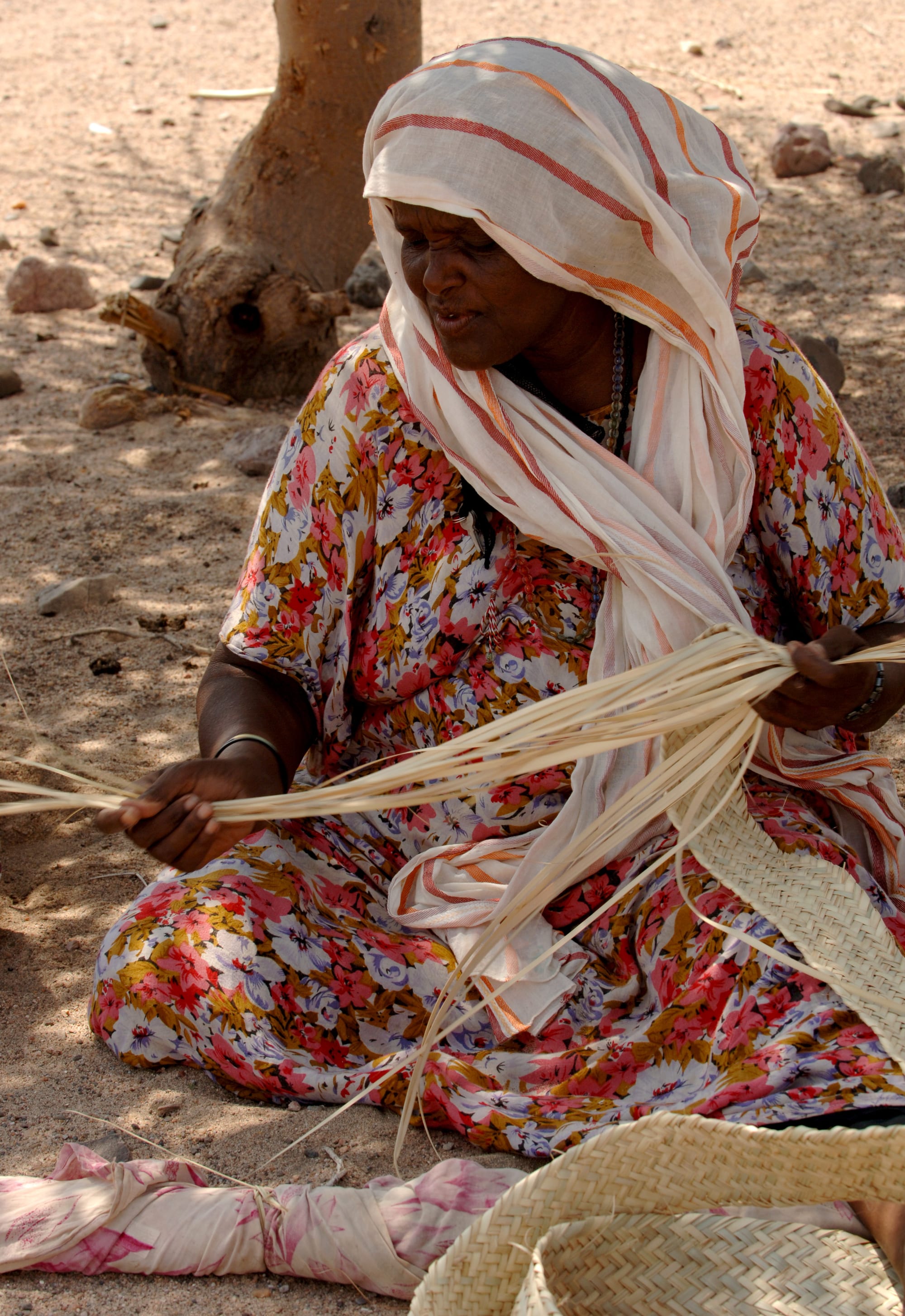
Crafts are, in the tourist office's words, essentially dominated by women, and draw on the materials of pastoral life: leather, wood, palm, beads, clay and ceramics. The xeedho vessel is among the most demanding of them. Its carved surface carries intricate interlaced patterns associated with fertility, happiness and protection, and it is wrapped in coloured cloth. Specialist makers once produced these vessels with little more than knives, needles, thread and plant fibre, but the knowledge has been fading, which is why UNESCO placed the xeedho on its list of heritage in need of urgent safeguarding; with its support, an association of women practitioners has begun training young women in the craft.
Dos and don'ts for visitors
- Do check the latest government travel advice before a trip, as the region around the Bab al-Mandab strait is volatile, and stay away from the Eritrean and Somali border zones.
- Do greet with "as-salaam alaykum", greet elders first, and stand when an elder or respected guest arrives.
- Do let a woman decide whether to shake hands; men should not offer a hand first.
- Do take shoes off when entering a home unless the host says otherwise.
- Do eat, pass and receive things with the right hand, and wash hands before a shared meal.
- Do dress modestly, with shoulders and knees covered.
- Don't point the soles of the feet at anyone while sitting.
- Don't bring alcohol or pork products as gifts, and expect a gift to be refused once before it is accepted.
- Don't rush a visit or a goodbye; unhurried time together is part of the welcome.
What to take away
Djibouti's manners come from people who once survived the desert only by relying on one another, and a visitor who shares news, time and courtesy freely will be answered in kind.