Daily Life · Djibouti
Djibouti: A Day Split by the Heat
A capital that holds around three-quarters of the country, a pastoral interior still built around camels, goats and the search for water, and a working day that starts early, pauses hard, and only really comes back to life once the heat breaks
By Worldlore Editorial · 30 September 2026
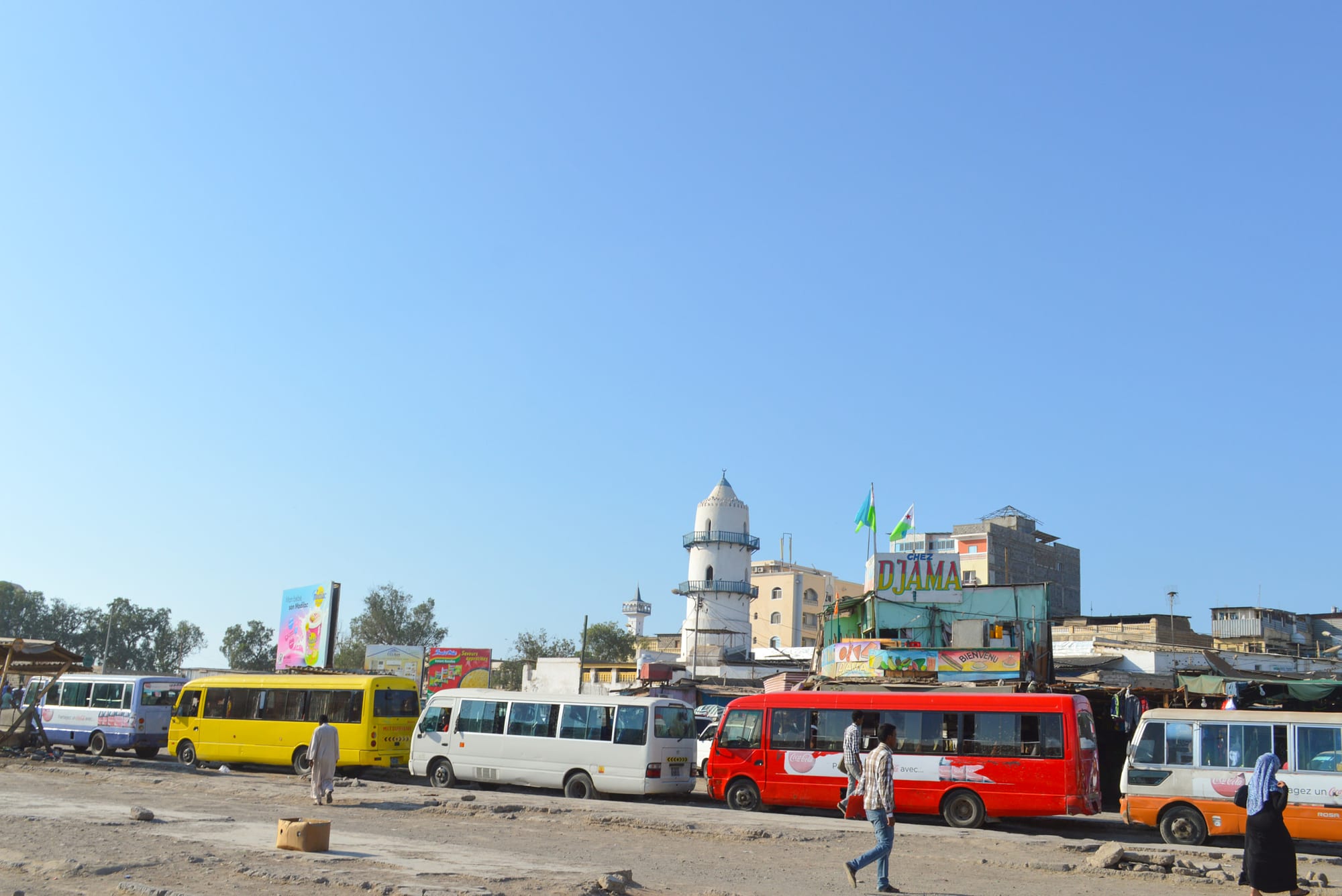
Djibouti is a small country shaped by two very different rhythms. Around three-quarters of its roughly one million people live in the low-rise heat of Djibouti City on the Gulf of Tadjoura, where the day is built around the port, trade and the foreign military bases that anchor much of the economy. The rest live scattered across a harsh desert interior, herding goats, sheep and camels as the Afar and Issa Somali have for centuries. What ties the two together is the heat itself: for much of the year, daily life nationwide is organised less around a clock than around getting the essential work done before the worst of it sets in.
Family and home life
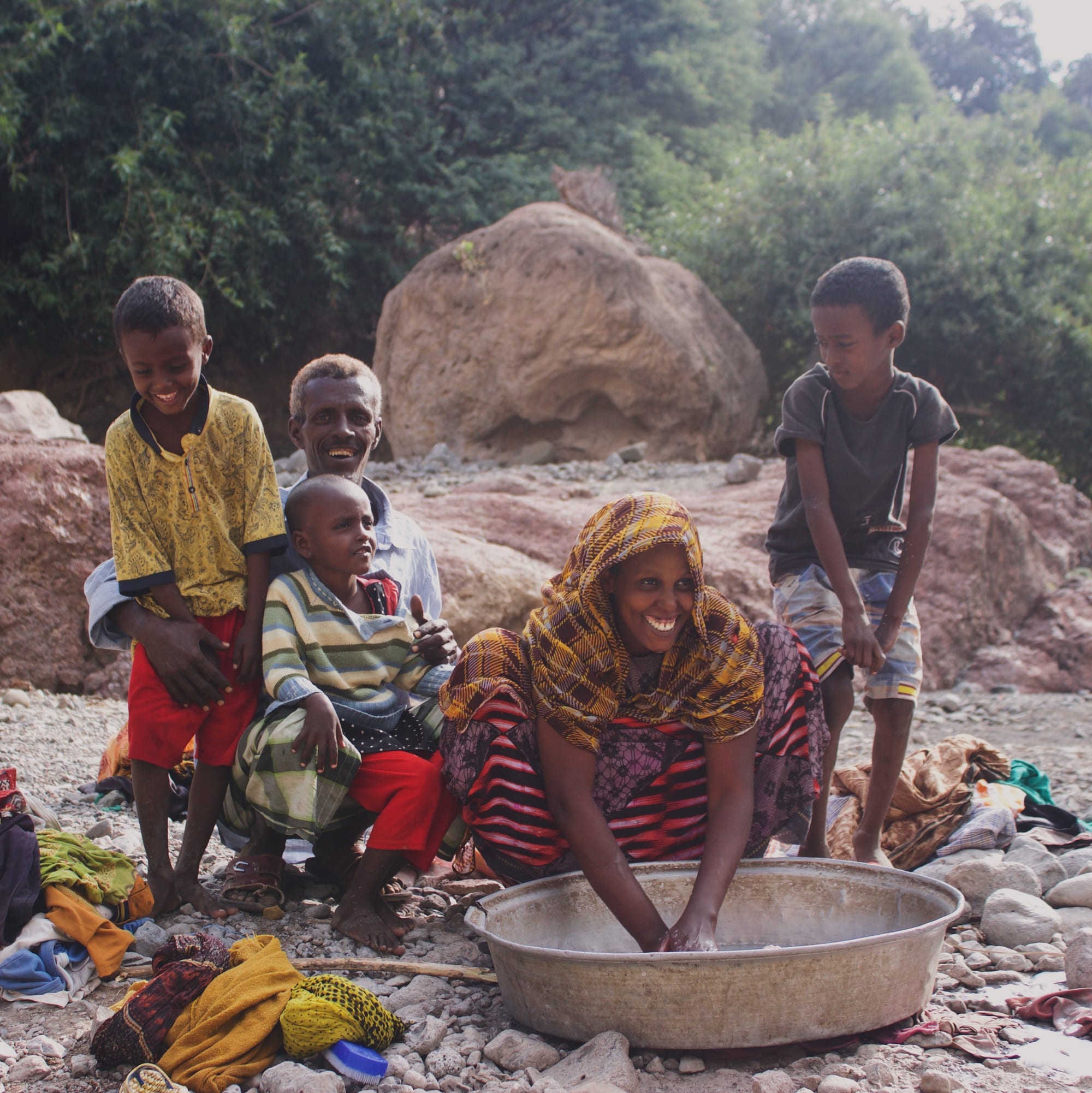
Households, in the city and in the pastoral interior alike, are often large and extend well beyond parents and children, with grandparents, aunts, uncles and cousins often close by or under one roof. In herding communities, family life still moves with the animals, and finding water is one of the most basic, recurring demands on a household's time, with washing and drawing water at a wadi or well often a shared, multigenerational task rather than a single person's chore. In the capital, households are more settled and urban, but many keep close ties to relatives still living a pastoral life in the interior, and members of an extended family often move between the two.
Work, school and the rhythm of the day
The working day in Djibouti City generally starts early to make the most of the cooler morning hours, slows through the hottest stretch of the afternoon, and only fully resumes once temperatures ease in the evening, especially from around May to September, when daytime highs regularly pass 40°C. The economy is overwhelmingly built on services tied to the port, the railway to Ethiopia, the free-trade zones and rent paid for the foreign military bases, so very little of the workforce is employed in agriculture, which the climate makes marginal outside the pastoral interior. In herding communities, work follows the search for pasture and water rather than a fixed schedule, and children in these areas are more likely to help with herding from a young age and to have less consistent access to schooling than children in the capital.
Community life and public spaces
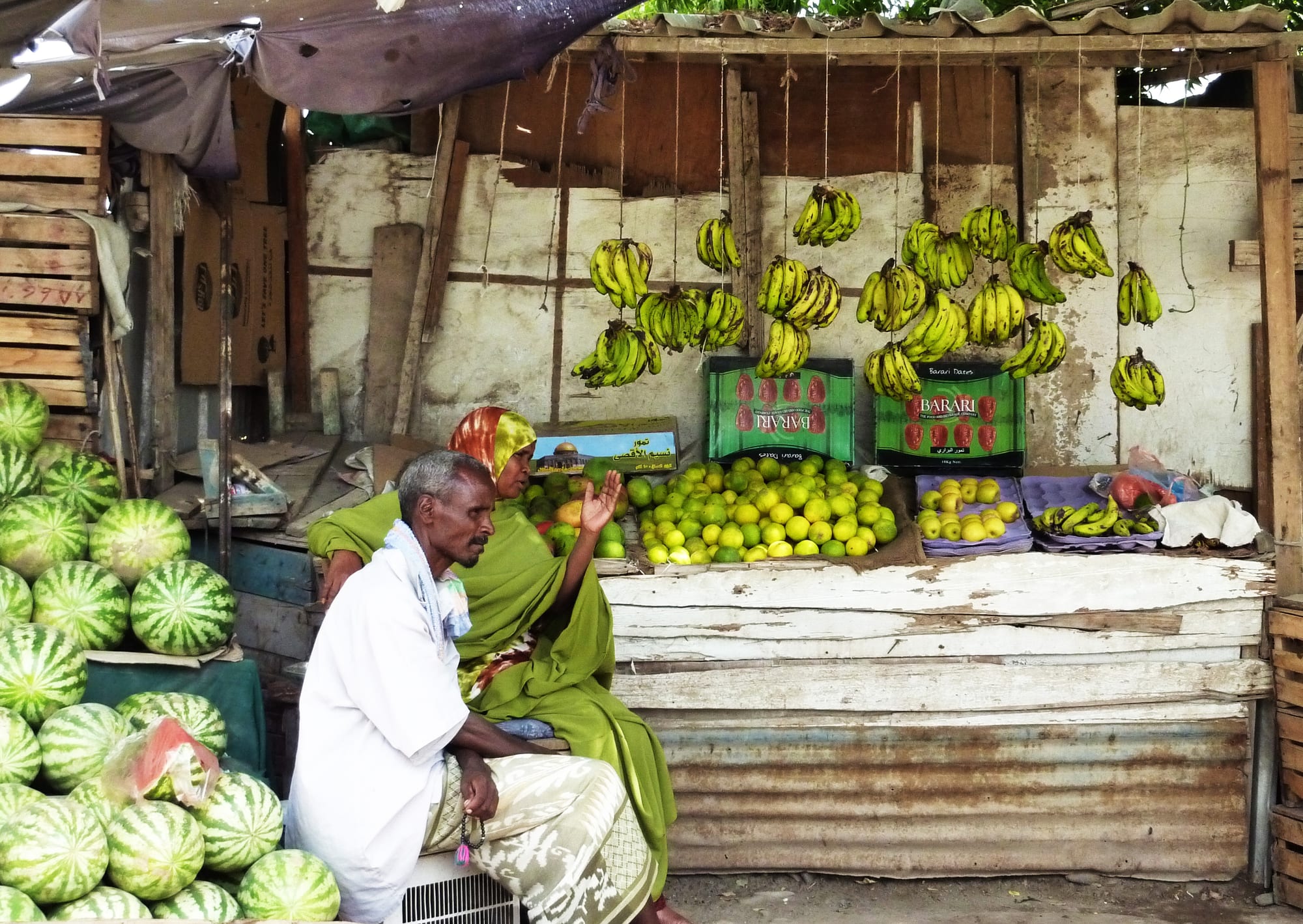
The market is the everyday centre of commerce in Djibouti City and in smaller towns, selling fruit, vegetables, grain and household goods, much of it imported given how little the country itself produces. Painted minibuses and shared taxis are the ordinary way to get around the capital, rather than any large, formal public transport network. Mosques anchor community life throughout this Muslim-majority country, and the daily arrival by truck of khat, a mildly stimulant leaf imported from Ethiopia and chewed by many men at afternoon gatherings, is itself a fixture of city life. Djibouti also hosts refugees from Somalia, Ethiopia, Eritrea and Yemen, a visible part of community life in and around the capital.
Free time and weekends
Evenings, once the heat breaks, are when Djibouti City's streets properly fill, and much of the country's social life happens then rather than during the day. Friday is the main weekly day of rest, in keeping with the country's Muslim majority, and family visits fill much of it. Where households have the means, a trip to the coast for swimming or a boat crossing of the Gulf of Tadjoura to Tadjoura or Obock is a genuine weekend escape from the capital's heat, and, seasonally, the juvenile whale sharks that gather off Arta in the cooler months are as much a local curiosity as a visitor draw.
A visitor's ordinary day
The currency is the Djiboutian franc, pegged to the US dollar; dollars and euros are accepted at hotels and by tour operators, and cash is the norm for most things outside them. There is no scheduled public transport to the desert sights such as Lake Assal or Lac Abbé, so a hired 4x4 with a driver, arranged through a local operator, is the standard way to see them. Expect the working and shopping day to follow the heat, starting early, thinning out in the early afternoon, and picking up again in the evening, and take the heat itself seriously: carrying enough water on any trip outside the capital is a basic, daily precaution rather than an optional one.
What to take away
What defines an ordinary day in Djibouti is less any single custom than how completely the climate still sets its shape, splitting the day into a cooler working stretch, a hot stretch to be endured, and an evening that belongs to everyone once the heat finally lifts.