History · Curaçao
Curaçao: The Trading Hub of the Dutch Caribbean
An arid island the Dutch turned into a slave-market entrepôt, an oil-refinery boomtown, and the largest of the countries within the Kingdom of the Netherlands
By Worldlore Editorial · 19 September 2026
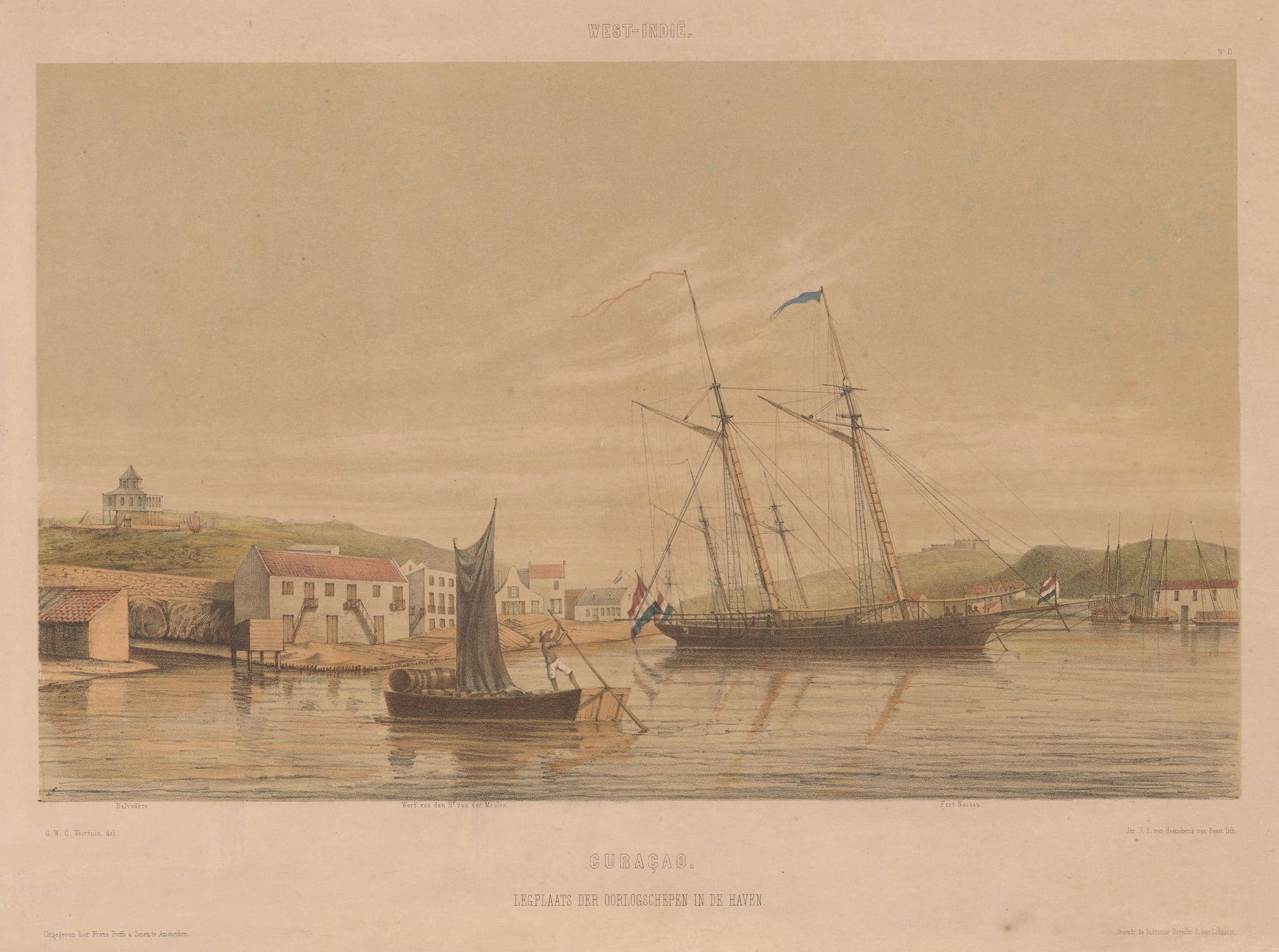
An island valued for its harbour
Curaçao is the largest of the ABC islands, a dry limestone island in the Leeward Antilles about 65 kilometres off the coast of Venezuela. Its 155,000 people are the most numerous in the Dutch Caribbean, almost all of them living in or around Willemstad, the only town, whose deep, sheltered harbour is the reason the island has mattered for four centuries. Too arid for plantations, Curaçao was made by the Dutch into something else: a warehouse, first for enslaved people and then for Venezuelan oil, and now one of the four countries that make up the Kingdom of the Netherlands.
A short history
- pre-1500
The Caquetío
Arawak people from Venezuela; Spain later deports most of them.
- 1634
The Dutch take Curaçao
The West India Company seizes it from Spain for its harbour and salt.
- 1660s–1730s
The slave depot
Willemstad becomes the central transit market of the Dutch Atlantic slave trade.
- 1732
The synagogue
Mikvé Israel–Emanuel, the oldest in continuous use in the Americas.
- 1795
The Tula rebellion
A major slave revolt is crushed; Tula becomes the national hero.
- 1863
Emancipation
Slavery is abolished in the Dutch colonies.
- 1915
The refinery
Shell opens the Isla refinery to process Venezuelan crude; the island is transformed.
- 30 May 1969
Trinta di Mei
A labour uprising burns central Willemstad and reshapes Curaçaoan politics.
- 10 October 2010
A country
Curaçao becomes a self-governing country within the Kingdom.
The West India Company's warehouse
Spain claimed Curaçao in 1499, dismissed the ABC islands as worthless, shipped most of the Caquetío away as forced labour, and used the island to graze cattle. The Dutch West India Company took it in 1634, mainly for its magnificent harbour and its salt pans, and as a base against Spanish shipping. Because the climate ruled out large plantations, the Dutch built a different kind of colony. Willemstad became the principal transit market of the Dutch Atlantic slave trade: enslaved Africans carried across the ocean were held here, fed back to health, and re-sold to Spanish and other American colonies that had no West African bases of their own. Tens of thousands passed through.
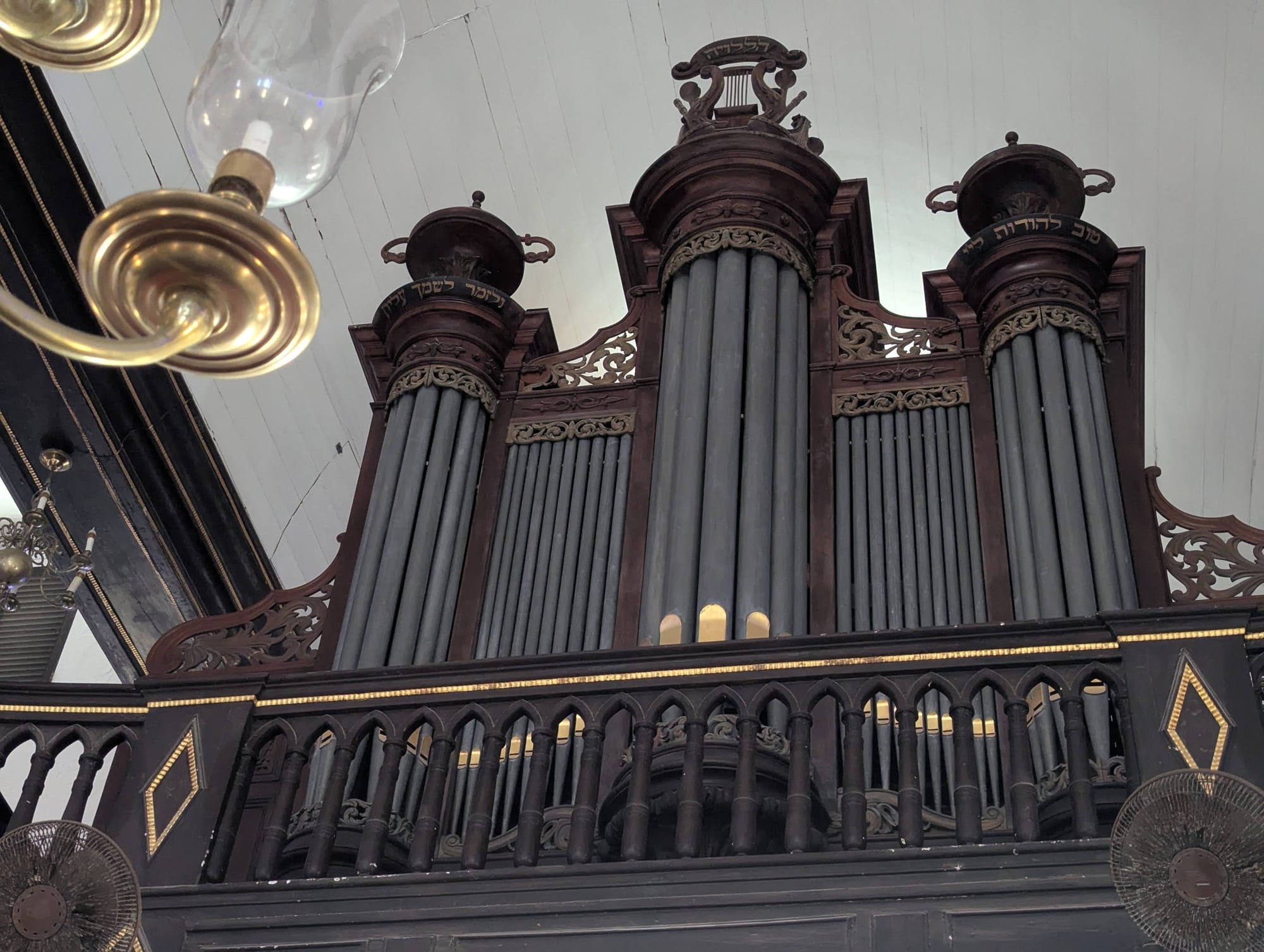
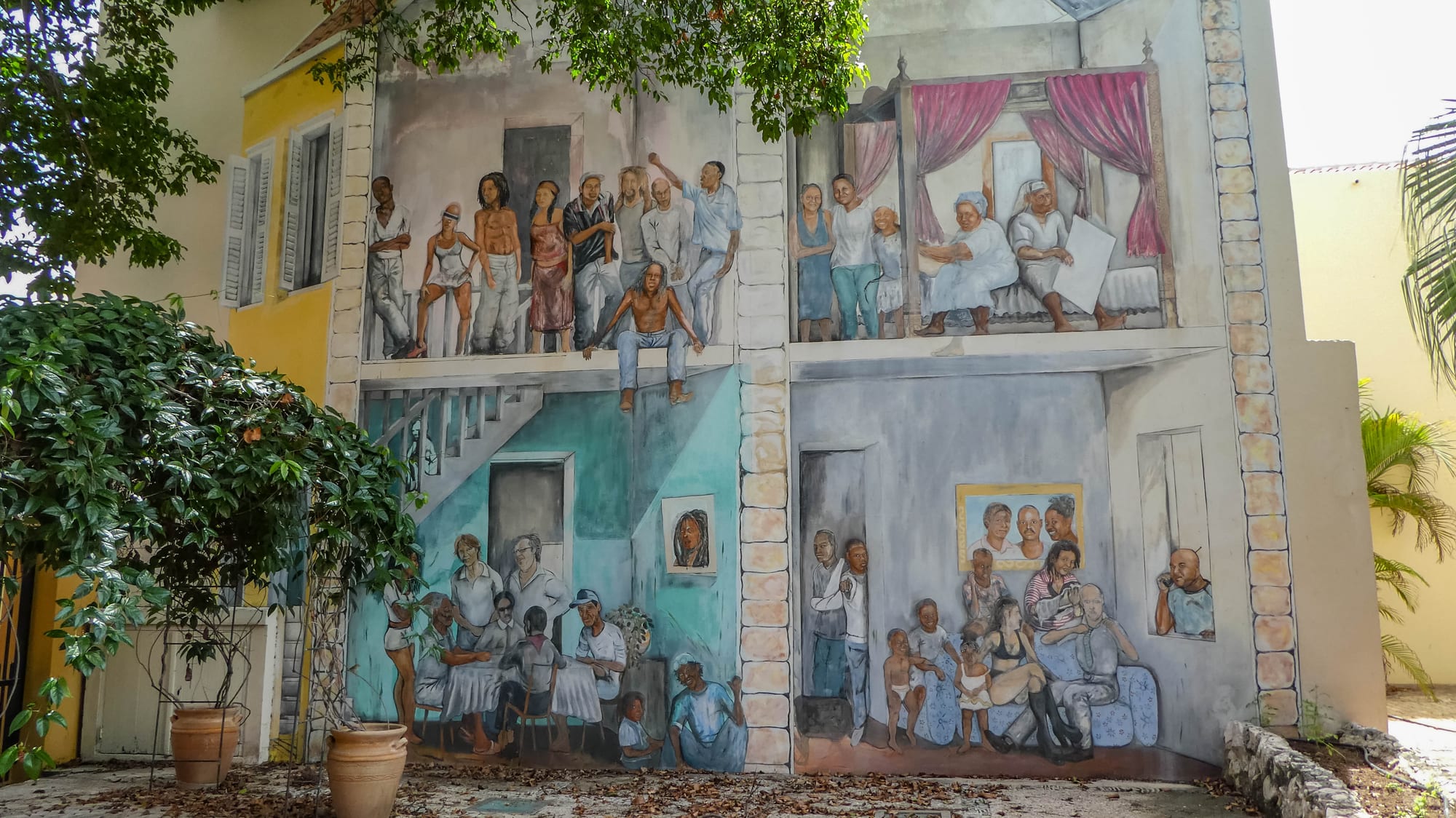
The commerce drew a Sephardic Jewish community from Amsterdam and Brazil that became central to the port's trade, and it produced a large free Black and mixed-race population — the roots of a Curaçaoan society more urban and mercantile than the plantation islands.
Rebellion and emancipation
In 1795, inspired in part by the revolutions in France and Haiti, enslaved people on Curaçao rose in one of the largest revolts in Dutch colonial history. Led by a man named Tula, it lasted about a month before it was crushed and its leaders tortured to death. Tula is now Curaçao's national hero, and the date the rebellion began is commemorated each year. The Netherlands abolished slavery in its colonies only in 1863 — among the last European powers to do so — with a further period of compulsory "supervised" labour, and with compensation paid to the slaveholders, not the enslaved.
The oil island
By the 19th century Curaçao had declined into a quiet, poor entrepôt. It was transformed again in 1915, when Royal Dutch Shell built a refinery at Willemstad to process crude from the newly opened Venezuelan fields — Venezuela had the oil but not the deep harbours or the stability, and Curaçao had both. The Isla refinery became one of the largest in the world and remade the island: the population multiplied, and workers arrived from across the Caribbean, from Latin America, Portugal, Lebanon and Asia, giving Curaçao its modern mixed society. During the Second World War the refinery was a vital Allied fuel supplier and was shelled by a German submarine.
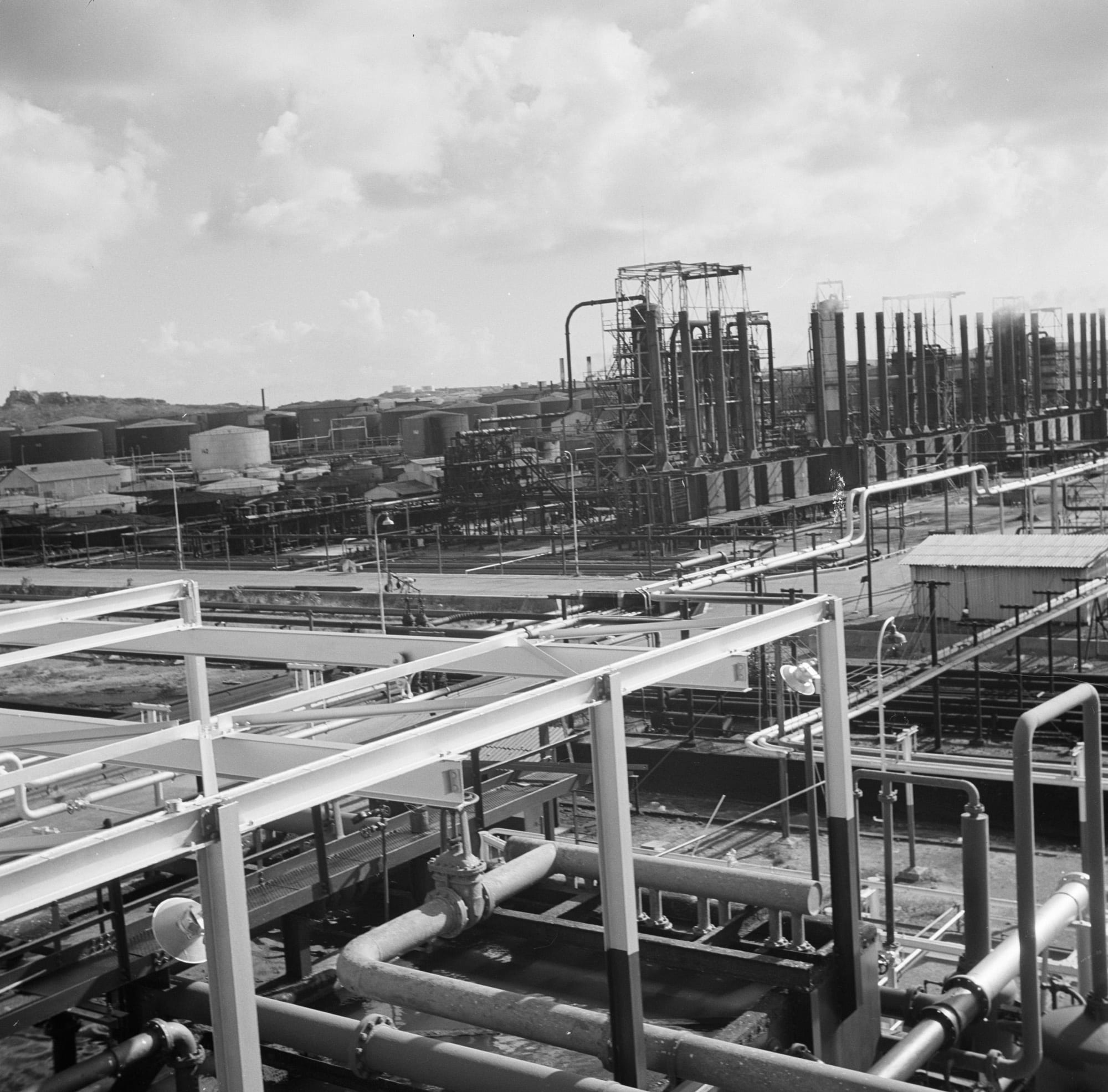
The refinery economy also had a sharp edge of inequality between the largely Afro-Curaçaoan workforce and a Dutch and light-skinned elite. On 30 May 1969, a refinery labour dispute escalated into a general strike and then a riot that burned much of central Willemstad. Two people were killed and Dutch marines were flown in. "Trinta di Mei" became a turning point for Black political consciousness and for the Papiamentu language, and it accelerated the move toward self-government.
A country within the Kingdom
Shell sold the ageing, polluting refinery to the Curaçao government for a symbolic sum in 1985; it was then leased to Venezuela's state oil company until that firm's collapse and US sanctions left it idle, its future and its pollution unresolved.
Politically, Curaçao was long the capital and dominant island of the self-governing Netherlands Antilles, resented by the smaller islands for its weight. When the Antilles was dissolved on 10 October 2010, Curaçao became a separate constituent country within the Kingdom of the Netherlands — running its own internal affairs, with the Netherlands responsible for defence and foreign policy and holding a supervisory role over its finances, which have repeatedly been placed under Dutch oversight. Its economy now leans on tourism, ship repair, an online-gambling licensing sector under pressure to reform, and the fallout — refugees, lost trade — from the crisis in Venezuela next door.
What Curaçao keeps
Curaçao's history is the history of its harbour: a place the great powers wanted not for what grew there but for what could be stored and traded through it. The island turned that role into a distinctive society — creole-speaking, commercial, religiously plural, shaped by the slave trade it served and by the refinery that replaced it — and, in 2010, into a small country that governs itself while keeping the Dutch connection that has defined it since 1634.