Daily Life · Curaçao
Curaçao: An Island That Speaks in Four Tongues
A conversation that can drift between Papiamentu, Dutch, English and Spanish without anyone noticing the switch, a floating market still restocked by boats from Venezuela, and a car-dependent island where the beach is close but rarely within walking distance
By Worldlore Editorial · 30 September 2026
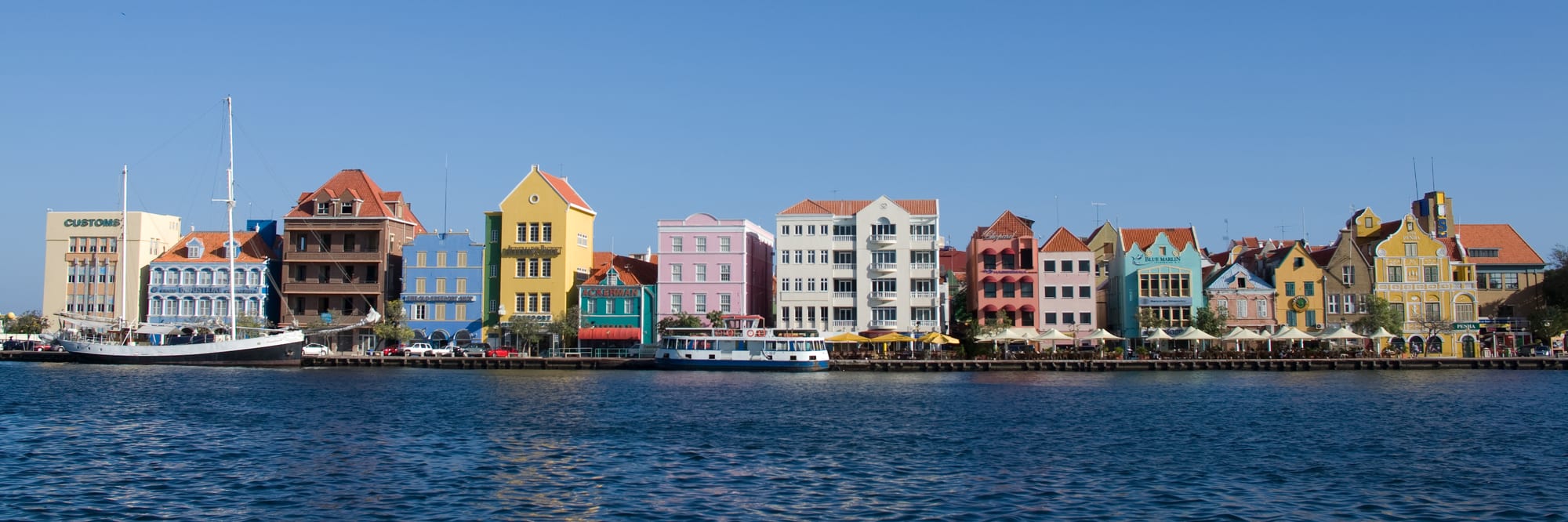
Conversation on Curaçao moves between languages the way it might move between topics. Papiamentu, a creole built from Portuguese, Spanish, Dutch, African languages and English, is what most people speak at home and in the street; Dutch remains the language of government and much of schooling; and English and Spanish are close enough behind that a single exchange in a shop or a taxi can slide through two or three of the four without either side treating it as unusual. Around that daily code-switching, the island runs on cars rather than footpaths, since the best beaches and the national parks sit well outside Willemstad, and on an economy that has had to keep reinventing itself since the oil refinery that once employed thousands stopped operating at the end of 2019.
Family and home life
Around 155,000 people live on Curaçao, most in and around Willemstad, which is split by its harbour channel into the Punda and Otrobanda districts. As Dutch nationals, Curaçaoans hold EU citizenship, and it remains common for young people to move to the Netherlands to study or work, keeping close family ties stretched across the Atlantic. At the same time, the island has taken in a substantial number of Venezuelans fleeing their country's crisis in recent years — Venezuelan emigration to Curaçao was estimated at around 14,000 people as of late 2022, a meaningful addition to an island of this size.
Work, school and the rhythm of the day
Tourism, including cruise ships and a substantial dive industry, is a major part of the economy today, alongside trade, shipping services, financial and business services and a long-established ship-repair drydock. The oil refinery that dominated the economy for most of the twentieth century has stood idle since the end of 2019, and replacing the jobs it once provided remains an open question shaping the working lives of many families. Papiamentu became an official language, alongside Dutch and English, only in 2007, and while Dutch has historically been the main language of schooling, Papiamentu is used increasingly in the early years of primary school, reflecting its status as the language nearly everyone actually grows up speaking.
Community life and public spaces
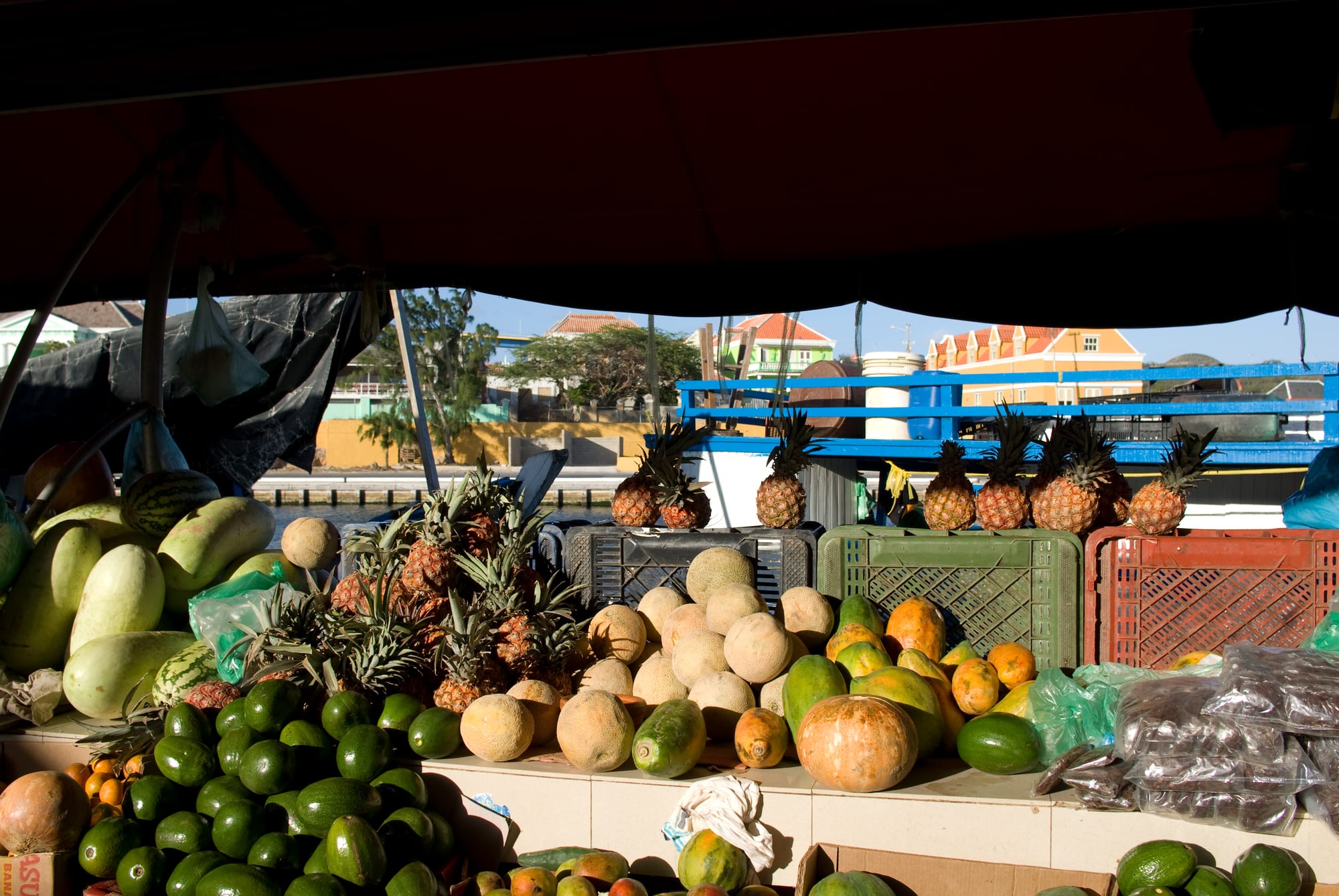
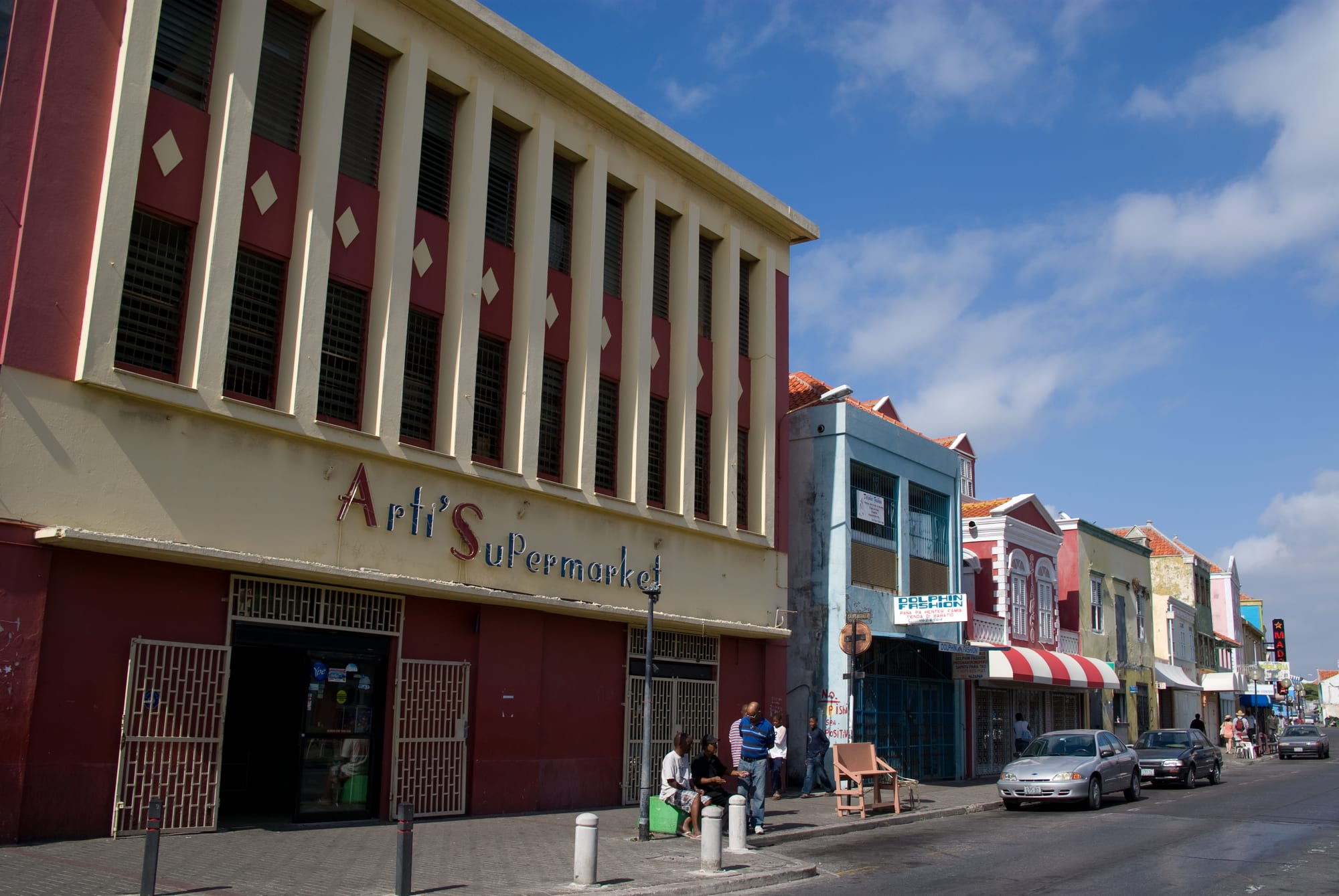
Willemstad's floating market, a row of boats moored along the Punda waterfront and restocked with fruit and vegetables brought over from Venezuela, has supplied the city with fresh produce for generations; it was shut when Venezuela closed its border with Curaçao in 2019 and has been coming back to life as a working market since the border reopened. Away from downtown, daily life is car-dependent: the scattered beaches, the supermarkets and the national parks are spread across the island, and a hire car or a shared van, rather than walking, is how most errands get done. Small neighbourhood shops and snack bars remain common gathering points in residential areas, serving quick food and drinks to regulars throughout the day.
Free time and weekends
Carnival dominates the calendar more than any single weekend: the season runs from January through to Lent, building toward the Gran Marcha parade, and Carnival groups rehearse and compete for months beforehand, giving free time throughout the early part of the year a shared focus. Outside Carnival season, weekends mean the beach, especially the calm coves along the western end of the island, diving or snorkelling on the surrounding reefs, and, for those with a boat or willing to book one, a day trip out to the uninhabited islet of Klein Curaçao.
A visitor's ordinary day
The Caribbean guilder, which replaced the Netherlands Antillean guilder in 2025, is the official currency, but US dollars are accepted almost everywhere and cards work in Willemstad and the resorts, so currency is rarely a practical problem. Hiring a car for at least part of a stay is close to essential, since the best beaches and the national parks are not realistically reachable on foot or by the limited bus service. The Queen Emma pontoon bridge in Willemstad swings open for passing ships, with free ferries running in its place, so it is worth building a few extra minutes into any plan to cross the harbour on foot. English is widely understood in tourist areas, but a few words of Papiamentu are often warmly received away from them.
What to take away
An ordinary day on Curaçao runs through several languages, a car-dependent geography, and an economy still working out what replaces the refinery — proof that a small island can hold a genuinely layered, adaptable everyday life.