History · Cuba
Cuba: The Pearl of the Antilles
A Spanish sugar colony that fought thirty years for independence, a US protectorate in all but name, and a revolution that outlasted the Cold War
By Worldlore Editorial · 10 September 2026
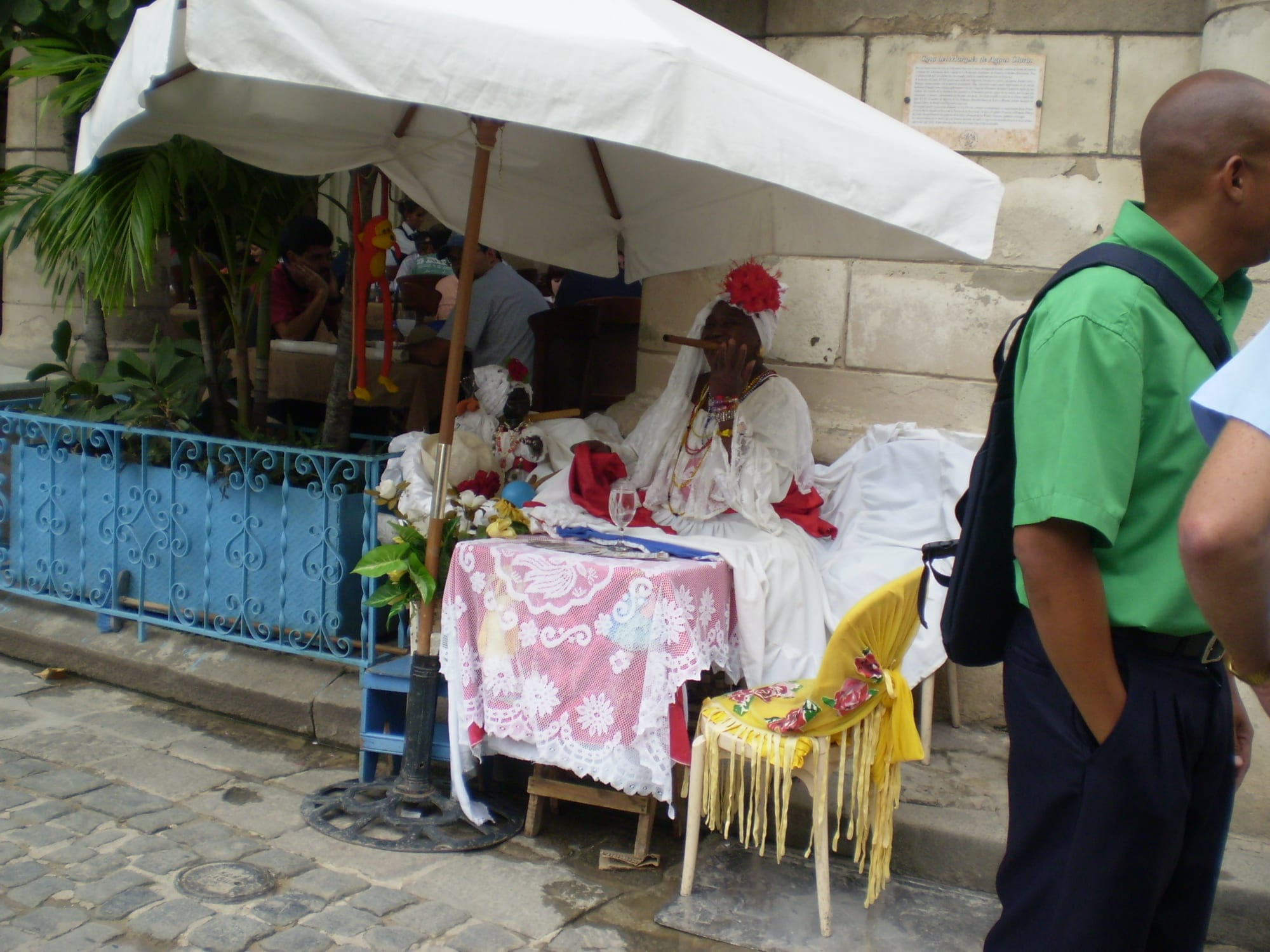
The island that guarded the shipping lanes
Cuba is the largest island in the Caribbean, lying across the mouth of the Gulf of Mexico about 150 kilometres from Florida. Its position — commanding the sea route between Spain's American empire and Europe — made it valuable to Spain long before anything grew on it, and valuable to the United States ever since. The two forces that shaped modern Cuba are the sugar-and-slavery economy that took off in the 19th century, and the long, unequal relationship with the country to its north, which independence in 1902 did not end and which the revolution of 1959 set out to break for good.
A short history
- 1492
Columbus
He lands on Cuba; Spanish conquest follows from 1511.
- 16th–18th c.
The treasure port
Havana is the fortified assembly point for Spain's homeward fleets.
- 1762–63
The British year
Britain holds Havana for 11 months, then trades it back for Florida.
- 1790s onward
The sugar boom
Cuba becomes the world's largest sugar producer and a huge slave society.
- 1868–1898
Thirty years of war
Three wars of independence; slavery is abolished in 1886.
- 1898
The US intervenes
The Spanish–American War ends Spanish rule.
- 1902
Independence under the Platt Amendment
Cuba is sovereign but a US protectorate, with a base at Guantánamo.
- 1 January 1959
The Revolution
Fidel Castro's forces overthrow Batista.
- 1962
The Missile Crisis
Soviet missiles on Cuba bring the world close to nuclear war.
- 1991
The Special Period
The Soviet collapse devastates the Cuban economy.
Conquest, forts, and the first sugar
Cuba's Taíno farmers and the earlier peoples of the west were destroyed within a few decades of the Spanish conquest by war, forced labour and disease; an early resistance leader, the cacique Hatuey, was burned at the stake in 1512 and is now a national symbol. For 250 years Havana mattered as a naval strongpoint — the place where the treasure fleets gathered for the Atlantic crossing, protected by some of the largest fortifications in the Americas. When Britain seized and held Havana for most of 1762, opening it to free trade and mass slave imports before handing it back for Florida, it gave Cuban planters a glimpse of what an open sugar economy could be.
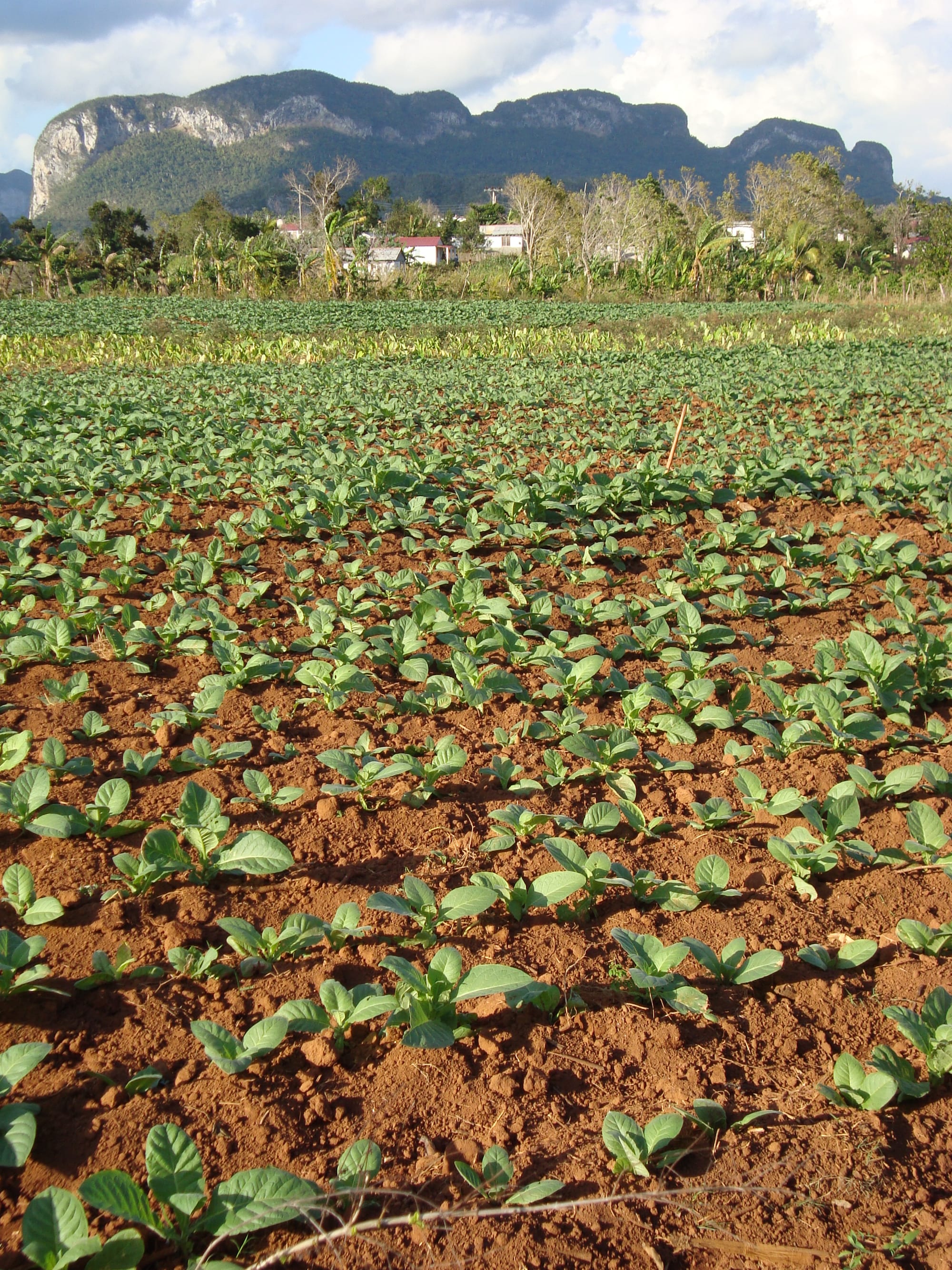
The chance came in 1791, when the revolution in Haiti destroyed the world's largest sugar producer. Cuba rushed to fill the gap, and the 19th century turned it into the dominant sugar island and, with that, a massive slave society: roughly 800,000 Africans were brought to Cuba in the 1800s, the trade continuing illegally into the 1860s, long after other countries had banned it.
Thirty years of war
Cuba stayed Spanish long after the rest of Latin America broke free — its planters feared that independence would bring abolition, or a Black republic on the Haitian model. When the fighting finally came, it lasted a generation. The Ten Years' War of 1868–78 began when a planter freed his slaves and declared independence; it killed perhaps 200,000 people and ended in a failed compromise. Slavery was abolished in 1886. Then the War of Independence of 1895–98, organised by the exiled poet and journalist José Martí — killed in one of its first skirmishes — was fought as an island-wide guerrilla campaign under the generals Máximo Gómez and Antonio Maceo. Spain's answer, herding rural civilians into camps where hundreds of thousands died, caused an outcry in the United States.
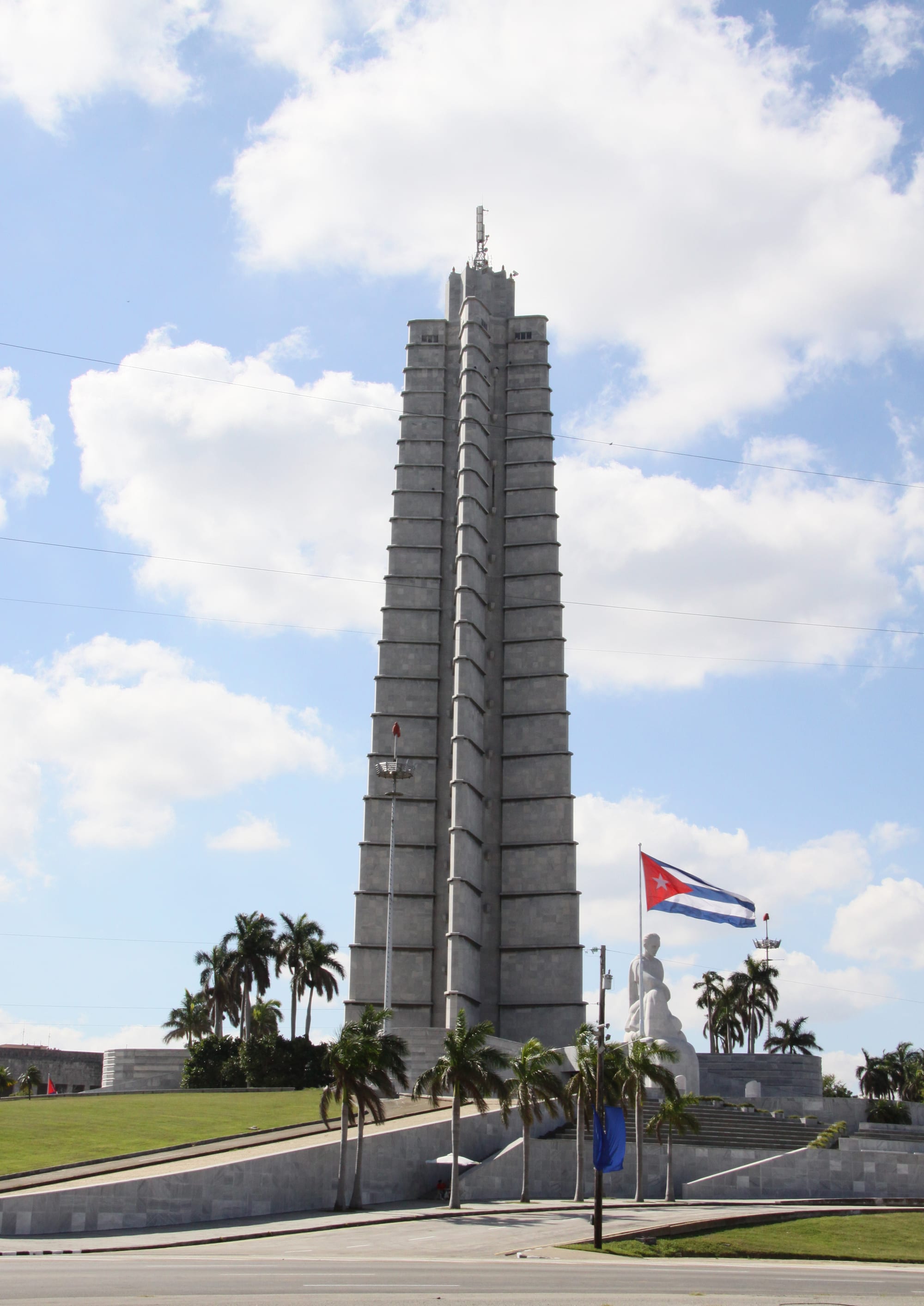
In 1898 the United States entered the war, defeated Spain within months, and took the Philippines, Puerto Rico and Guam. Cuba got independence — but only after a US military occupation, and only with the Platt Amendment written into its constitution, giving Washington the right to intervene in Cuban affairs and a permanent naval base at Guantánamo Bay. The republic proclaimed in 1902 was a US protectorate whose sugar industry, utilities and land were largely American-owned.
The republic, and Batista
Independent Cuba was sugar-dependent, corrupt and unstable, running through dictatorship, revolution and more dictatorship. The dominant figure from the 1930s was Fulgencio Batista, a former army sergeant, who in March 1952 cancelled elections and seized power outright, presiding over a repressive, mafia-friendly regime while Havana became a casino resort.
The Revolution
On 26 July 1953 a young lawyer, Fidel Castro, led a failed attack on the Moncada barracks in Santiago; he was tried, jailed, amnestied, and exiled to Mexico, where he built a movement named for the date. In December 1956 he returned by boat with some 80 men, most of whom were killed on landing. The survivors took to the Sierra Maestra and fought a two-year guerrilla war that drew growing support as Batista's repression worsened. Batista fled on 1 January 1959, and Castro's forces entered Havana days later.
1953 and 1959
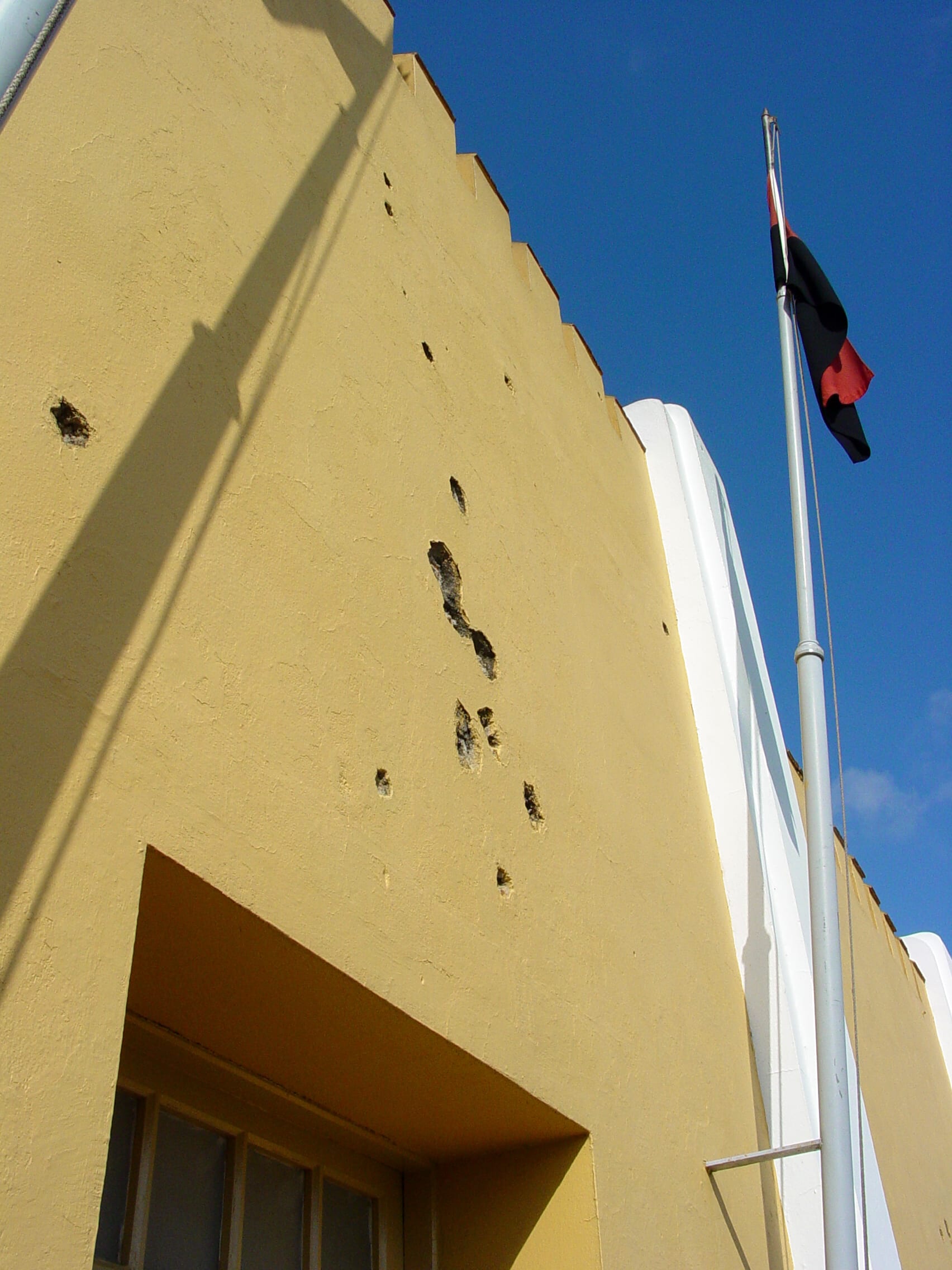
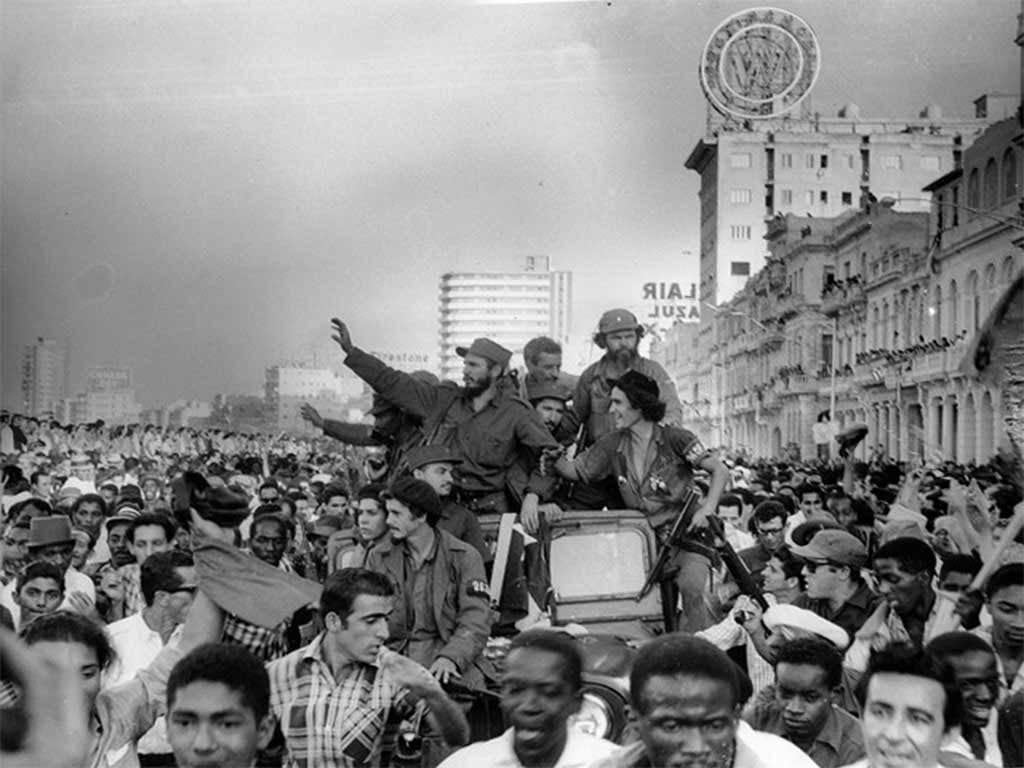
The revolution radicalised fast. Land reform and the nationalisation of US-owned property in 1960 brought a US trade embargo — near-total by 1962, and still in force — and drove Cuba into alliance with the Soviet Union.
Missiles, and the socialist state
A US-backed invasion by Cuban exiles was crushed at the Bay of Pigs in April 1961; Castro declared the revolution socialist. In October 1962 the discovery of Soviet nuclear missiles on the island produced the Cuban Missile Crisis — thirteen days at the edge of nuclear war, ended when the Soviets withdrew the missiles in exchange for a US pledge not to invade Cuba.
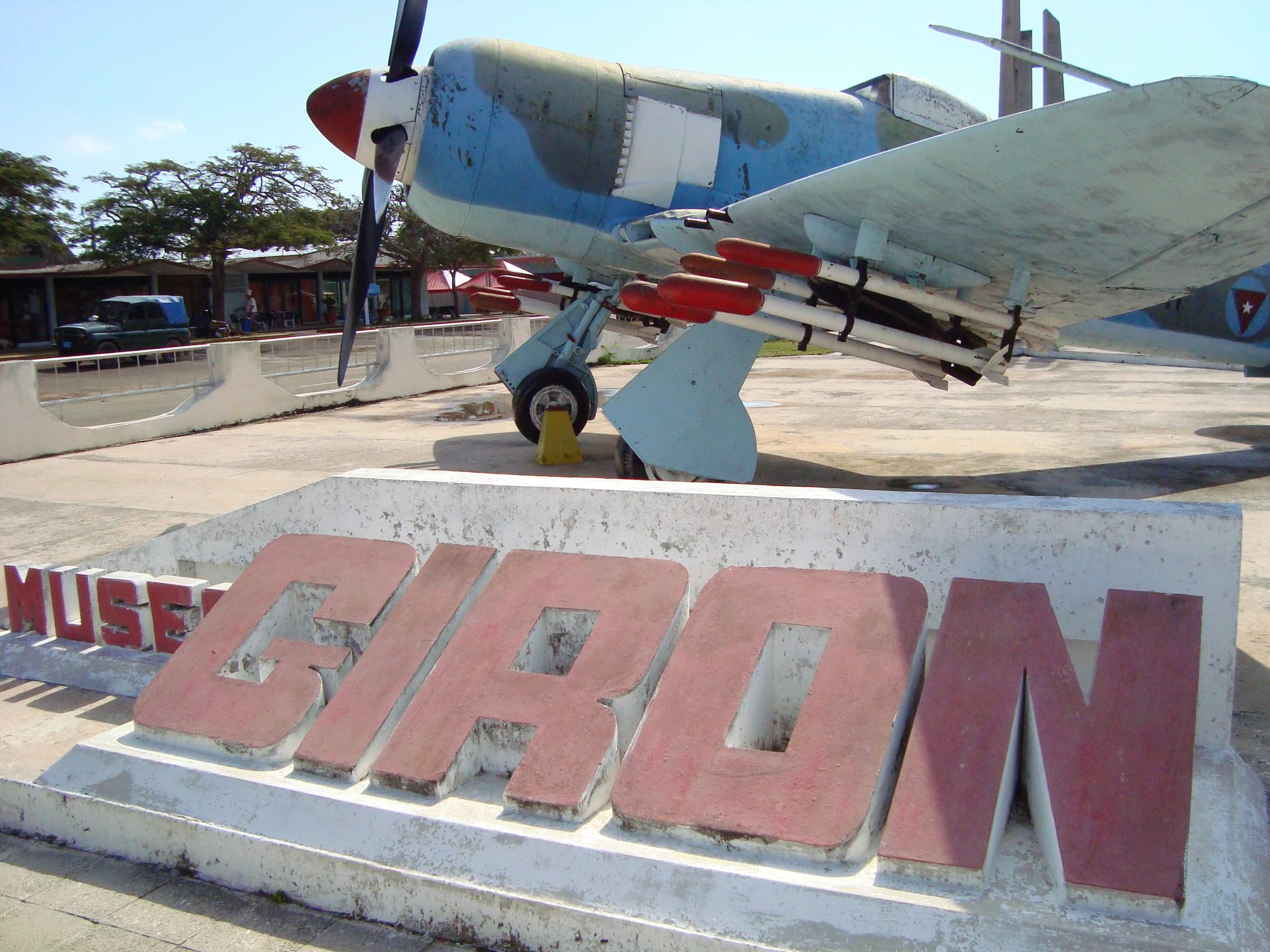
Cuba became a one-party communist state, tightly aligned with Moscow and heavily subsidised by it. It achieved dramatic gains in health care, literacy and education — among the best in the developing world — alongside chronic shortages, rationing, censorship, no free elections, and the jailing of dissidents. Wave after wave of Cubans left, and Cuba sent tens of thousands of troops to Angola and Ethiopia and doctors around the world.
The Special Period, and after
The collapse of the Soviet Union in 1991 cut off the subsidies overnight; the economy shrank by about a third and hunger set in. Cuba survived by opening cautiously to tourism, foreign investment and small private enterprise, and then by a new sponsor — Venezuela, which supplied cheap oil for Cuban doctors. Fidel Castro handed power to his brother Raúl in 2006–08, and Raúl introduced modest market reforms and, with Pope Francis and President Obama, restored diplomatic relations with the United States in 2015 — an opening the next US administration largely reversed.
In 2018 Raúl Castro gave the presidency to Miguel Díaz-Canel, and in 2021 the party leadership too — the first time since 1959 that no Castro led Cuba. It came amid a punishing crisis: the pandemic killed tourism, Venezuelan support shrank, a currency reform fed inflation, and shortages of food, medicine, fuel and power returned. On 11 July 2021 the largest anti-government protests since the revolution broke out across the island and were met with mass arrests. Emigration since has reached record levels, with well over a million Cubans leaving in a few years and the population falling fast.
What Cuba carries
Cuba spent the 19th century fighting to be free of Spain, the first half of the 20th resenting the United States, and the years since 1959 defining itself against it. The revolution built a state that genuinely transformed health and schooling and genuinely suppressed dissent, and that has now outlasted its Cold War purpose, its founders, and much of its own population's patience. The embargo and the failures of the planned economy are both real; which one is to blame is the argument that has run for 65 years.