Food · Cuba
Cuba: Food and the National Dish
Shredded beef named for old clothes, a stew an influential Cuban thinker used as a metaphor for the nation itself, and a bar where the mojito supposedly took its modern shape
By Worldlore Editorial · 16 September 2026
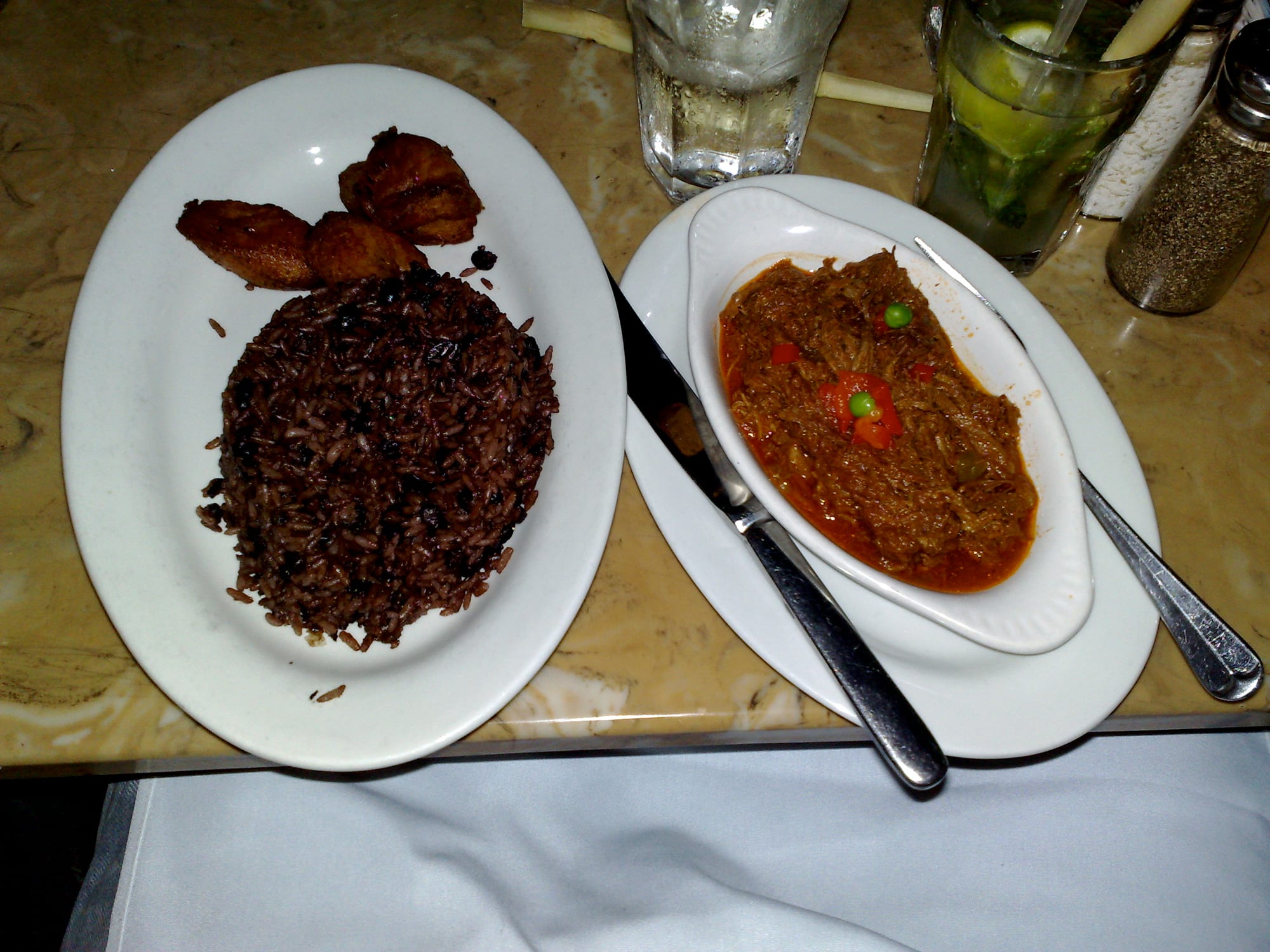
A Spanish, African and Chinese table
Cuban food grew out of Spanish colonial cooking, reshaped heavily by the West African cooking traditions enslaved people brought to the island's sugar plantations, with a smaller but real Chinese influence from one of the largest Chinatowns ever established in the Americas, in Havana. Rice, black beans, pork, plantain and root vegetables like yuca carry most meals, seasoned with a garlic-and-citrus sauce called mojo rather than heavy spice.
The national dish: ropa vieja
Ropa vieja — beef shredded fine and simmered in a tomato-and-pepper sauce with onion and garlic — takes its name, "old clothes", from the way the pulled strands of meat resemble a heap of tattered fabric. It is widely considered Cuba's national dish, served with rice, black beans and fried plantain.
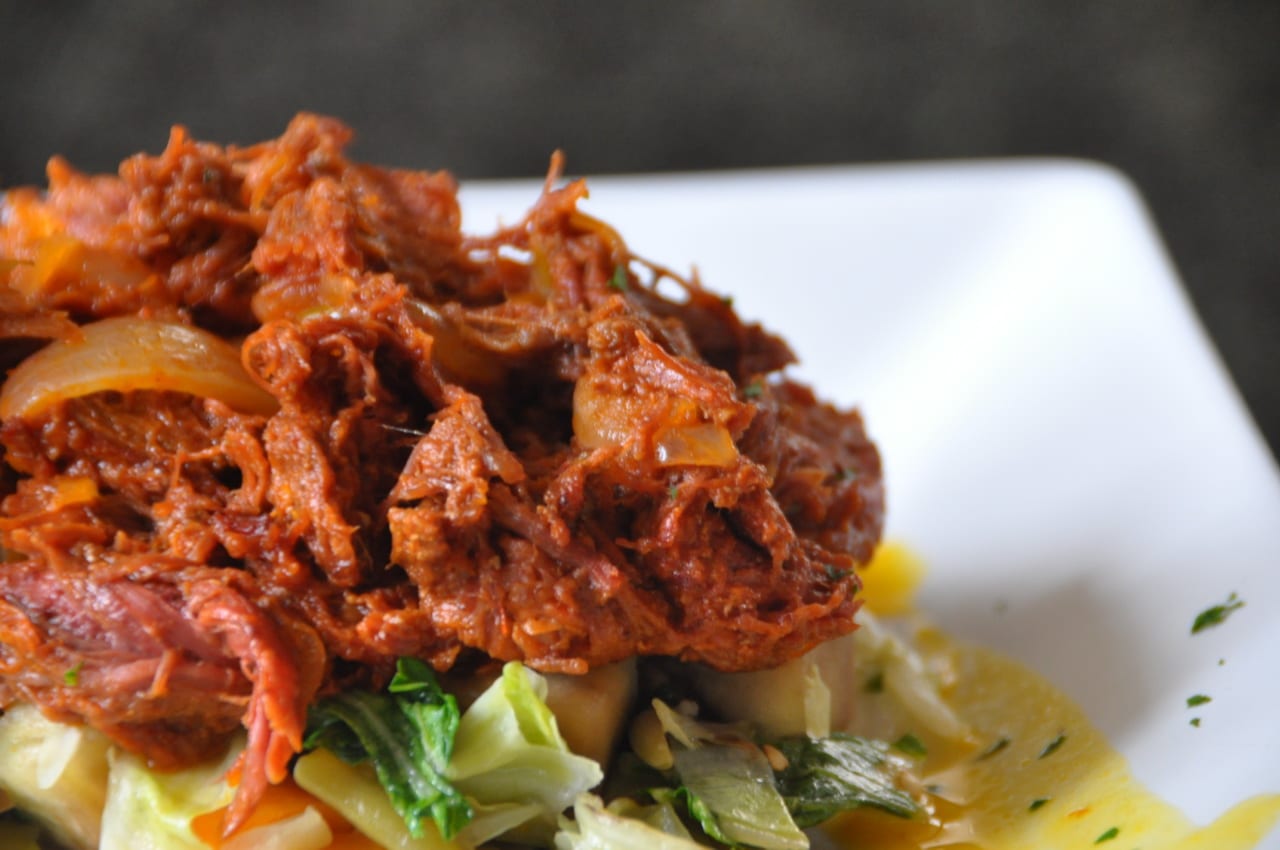
Ajiaco criollo, a rich stew of several meats and root vegetables cooked together for hours, has an even deeper cultural claim: the influential Cuban anthropologist Fernando Ortiz used "ajiaco" as a metaphor for Cuban identity itself, arguing that Cuban culture, like the stew, was formed by many different ingredients slowly cooking together into something new.
Dishes to know
Five more to recognise across Cuba:
- Ajiaco criollo — a hearty stew of several meats and root vegetables, and
a genuine symbol of Cuban cultural identity, not just a dish.
- Moros y cristianos — black beans and rice cooked together (a related
version made with red beans, congrí, is associated with eastern Cuba).
- Lechón asado — whole roast pork, the centrepiece of Noche Buena,
Cuba's Christmas Eve family meal.
- Yuca con mojo — boiled cassava dressed with a garlic and sour orange
sauce.
- Picadillo — ground beef cooked with olives, raisins and tomato, a
common home-cooking staple.
Rum, cocktails and coffee
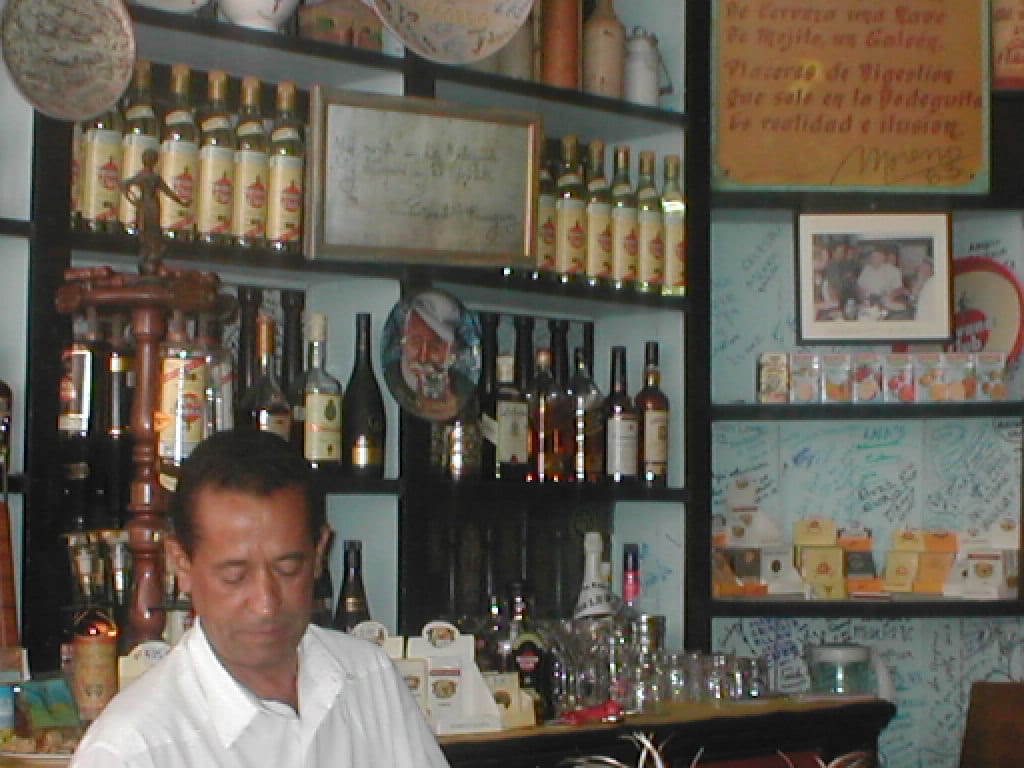
Cuban rum has a genuinely long, serious history, and strong, sweet coffee — often as a cortadito, cut with steamed milk — is drunk throughout the day.
Eating as a traveller
It's worth knowing that everyday Cuban food and tourist-restaurant food can differ meaningfully: decades of economic hardship and a rationing system still shape what many Cuban households actually have available day to day, so the fuller version of dishes described here is more reliably found in paladares (private restaurants) and tourist areas than in an average home. Vegetarians can rely on rice, beans, yuca and plantain, though most traditional dishes are built around pork or beef. Tap water is not safe to drink; stick to bottled water.
What to take from the table
Ropa vieja is the dish most visitors are told to order, but ajiaco is the one that says the most about how Cubans think about their own food and their own history — a stew built, deliberately, from many different things cooked slowly into one.