Attractions & Natural Wonders · Cuba
Cuba: Ten Attractions and Natural Wonders
A crumbling-and-glorious colonial capital full of 1950s cars, a valley of tobacco fields and haystack hills, and a frozen-in-time sugar town on the Caribbean
By Worldlore Editorial · 19 September 2026
An island suspended in time
Cuba is the largest island in the Caribbean, and decades of one-party rule and a US trade embargo have left it looking unlike anywhere else: colonial cities that were never redeveloped, American cars kept running for 65 years, and a tourism economy that mixes state hotels with private casas particulares (guesthouses) and paladares (family restaurants). Practicalities are quirky — cash is king, internet is patchy, shortages are common — and the situation for travellers shifts with US and Cuban policy, so check the current rules.
The ten below run from Pinar del Río in the west to Santiago in the east. The dry season, November to April, is the peak; the summer is hot and hurricane-prone.
1. Old Havana (Habana Vieja)
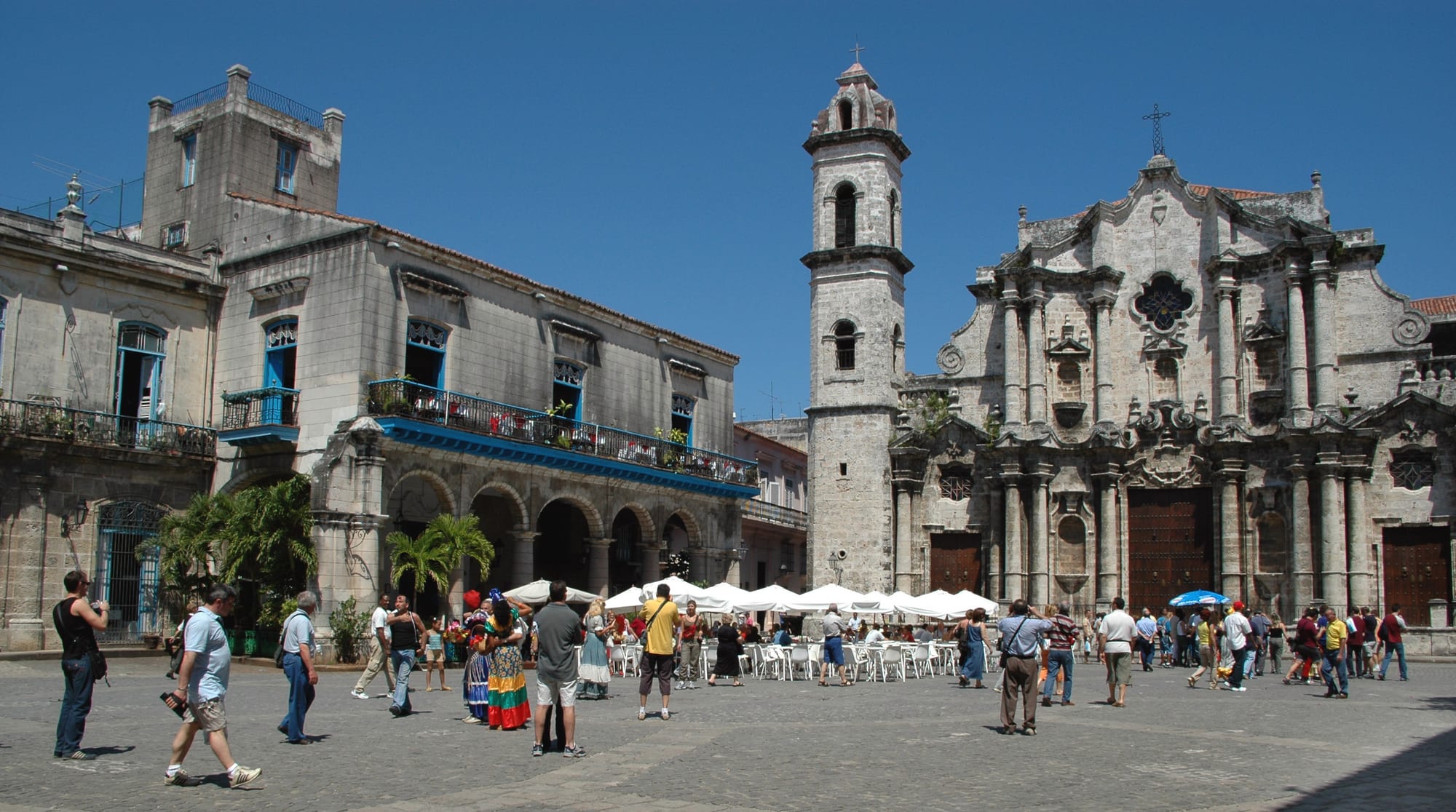
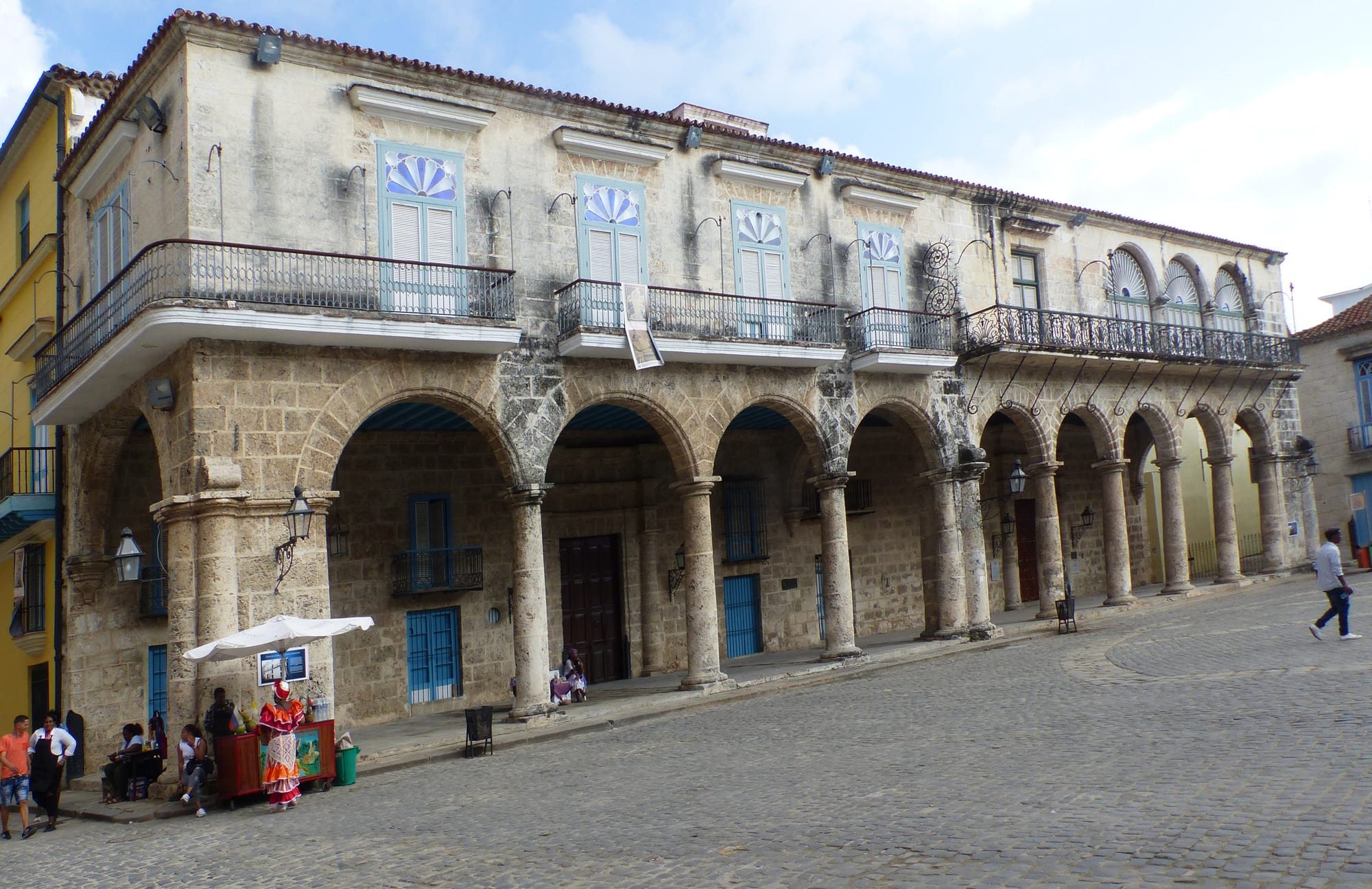
The old core of Havana — a UNESCO World Heritage Site — is a dense grid of Spanish colonial mansions, churches, and four grand squares, much of it patiently restored by the city historian's office while, a block away, buildings stand propped up or half-collapsed. Highlights: the four plazas (Catedral, Vieja, San Francisco, de Armas), the Museo de la Revolución in the former presidential palace, and the harbour fortresses of El Morro and La Cabaña, where a cannon is fired nightly at 9pm.
It rewards slow, aimless walking, ideally in the early morning.
2. The Capitolio and the classic cars
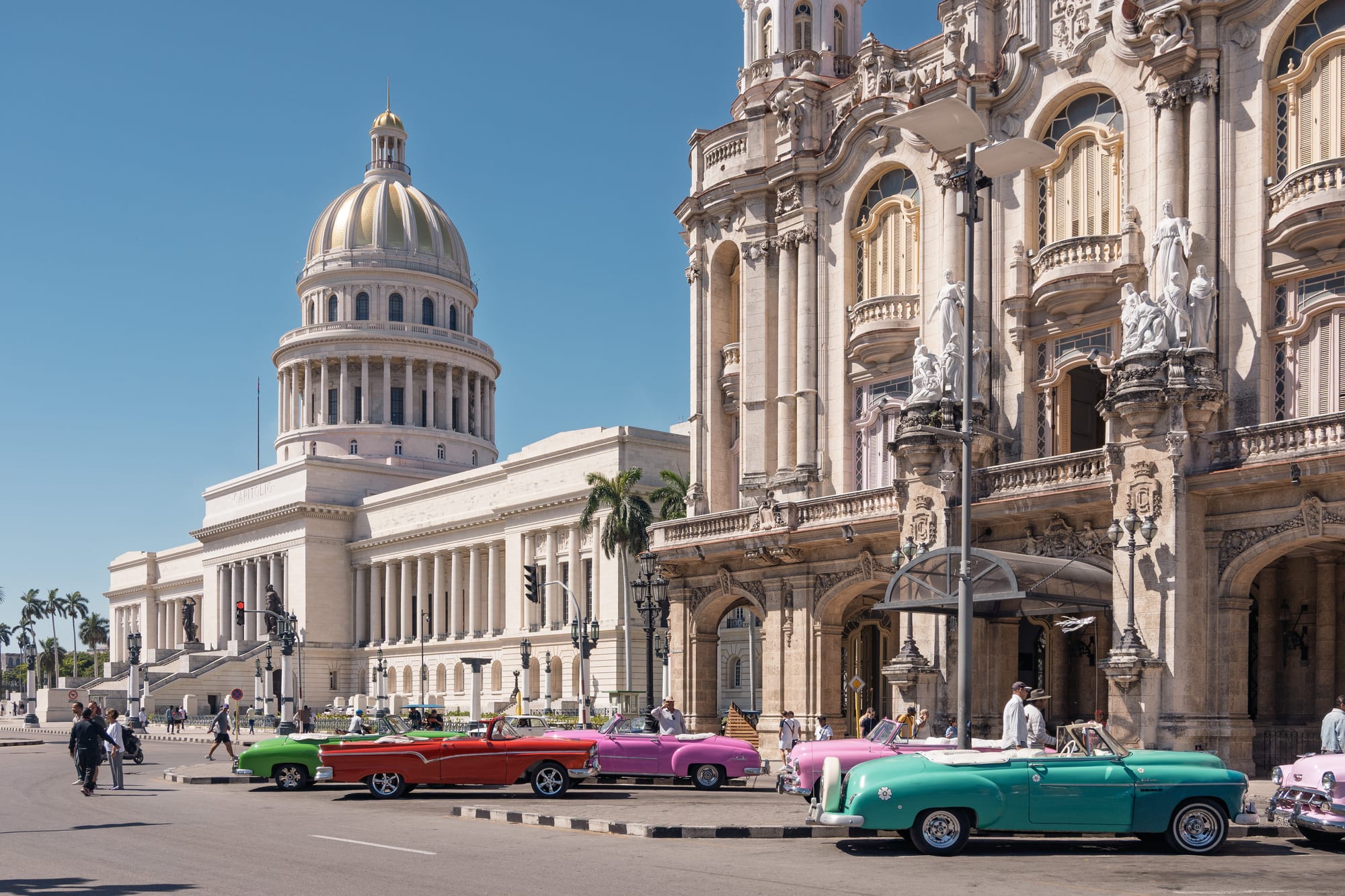
Havana's Capitolio, finished in 1929 and modelled loosely on the US Capitol, was the seat of government until the 1959 revolution and now houses the National Assembly again after a long restoration. Outside it idles the fleet Cuba is famous for: Chevrolets, Buicks, and Fords from the 1940s and 50s, kept alive with Soviet engines and improvised parts, many working as shared taxis (máquinas) or as open-top tourist rides along the seafront.
The nearby Gran Teatro, Parque Central, and the Hotel Inglaterra complete the grand civic ensemble.
3. The Malecón and Vedado
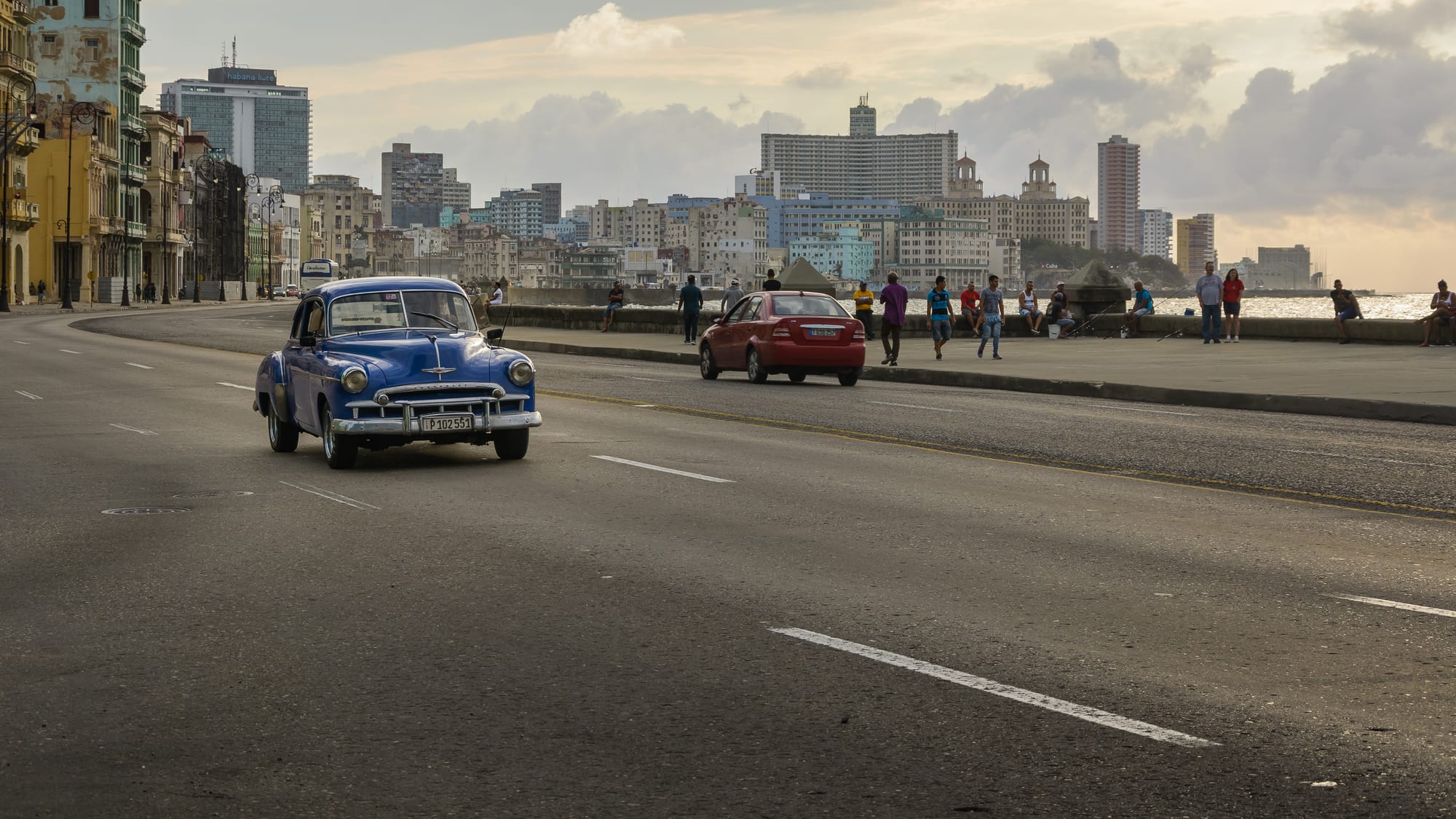
The Malecón is the broad seafront drive and wall that runs from Old Havana west past the Vedado district — a place where, at dusk, half the city comes to sit, fish, court, drink rum, and play music, with the spray coming over the wall when the wind is up. Vedado behind it has the 1950s hotels (the Nacional, the Habana Libre), the vast Plaza de la Revolución with its Che and Camilo steel murals, the Colón cemetery, and the university steps.
It is the best free show in the city.
4. The Viñales Valley
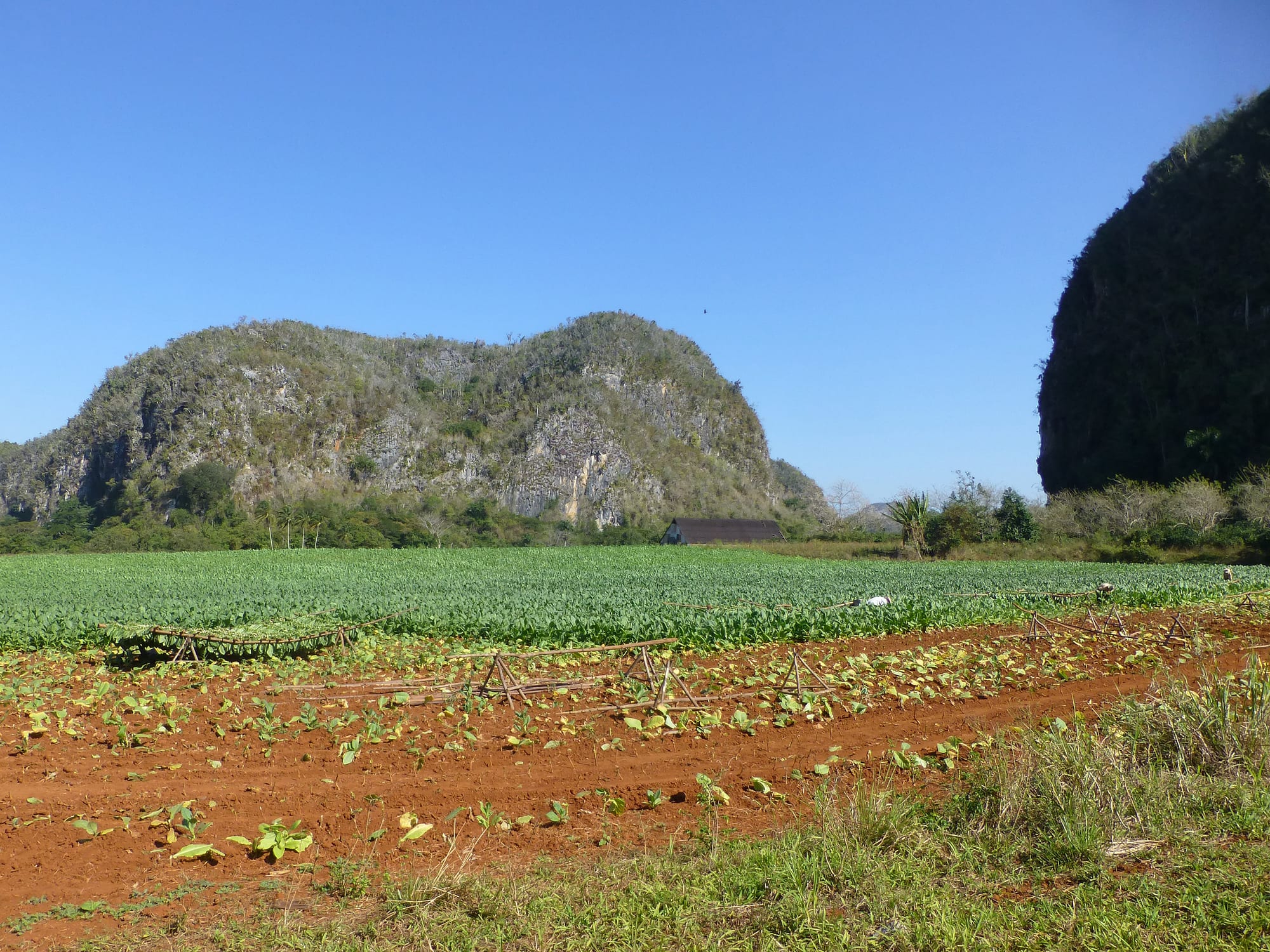
Two and a half hours west of Havana, the Viñales Valley is a UNESCO Cultural Landscape: a flat red-earth basin where farmers still grow tobacco and cassava by ox and hand, dotted with mogotes — sheer-sided limestone hillocks left standing as the surrounding rock dissolved, honeycombed with caves. You explore on foot, by horse, or by bike, stopping at tobacco-drying barns and family farms that roll their own cigars.
The village of Viñales is a street of colonnaded houses, almost all now guesthouses.
5. Trinidad
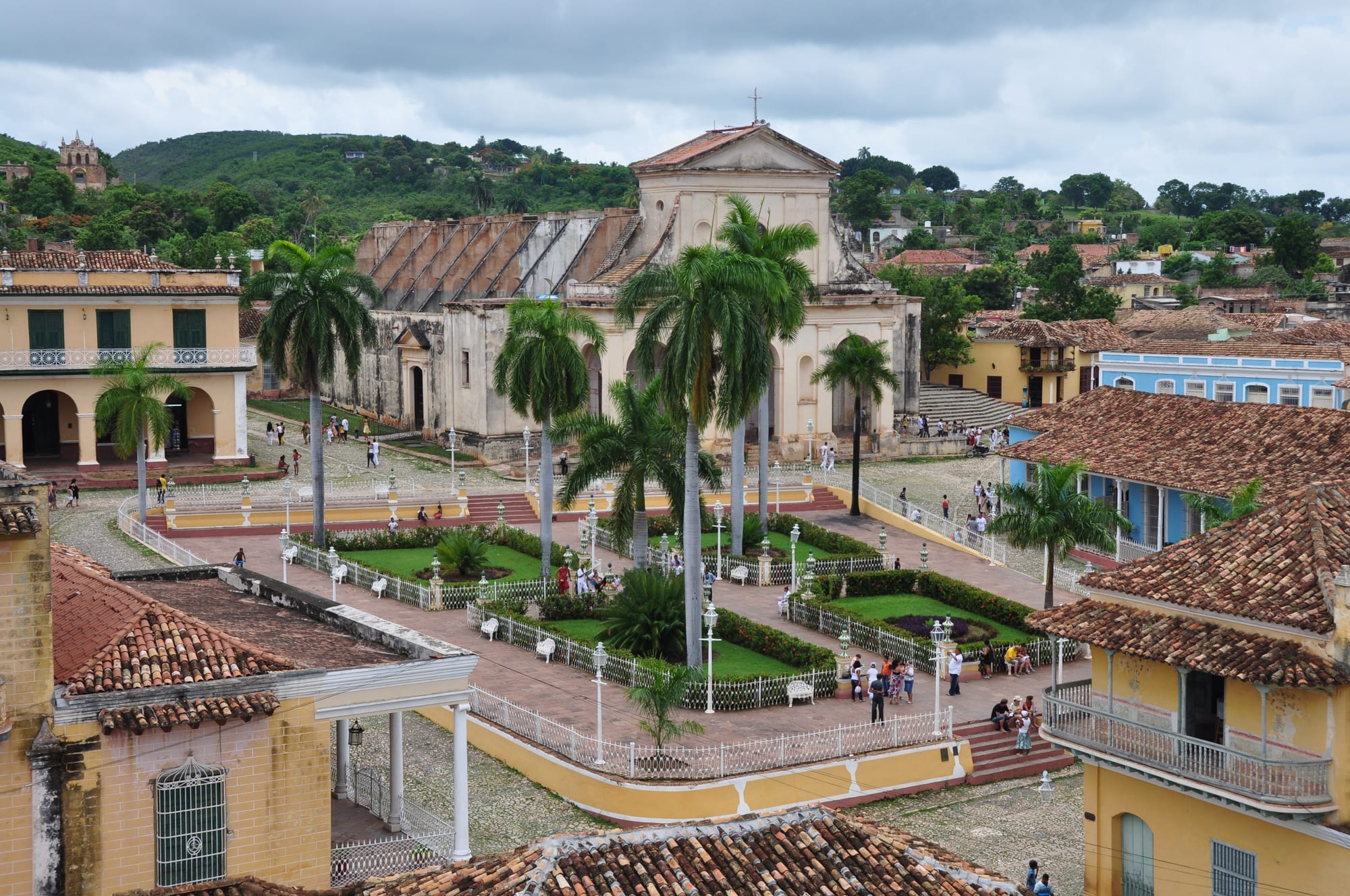
Trinidad grew rich on sugar in the early 19th century, then the industry collapsed and the town was left almost untouched — a UNESCO World Heritage Site of cobbled streets, pastel houses with tall barred windows, and grand planters' mansions around the Plaza Mayor, several now museums. Music spills out of the Casa de la Música steps every evening.
Just inland, the Valley de los Ingenios has the ruined mills and a watchtower of the old sugar estates; the beach of Playa Ancón is a short drive south.
6. Cienfuegos
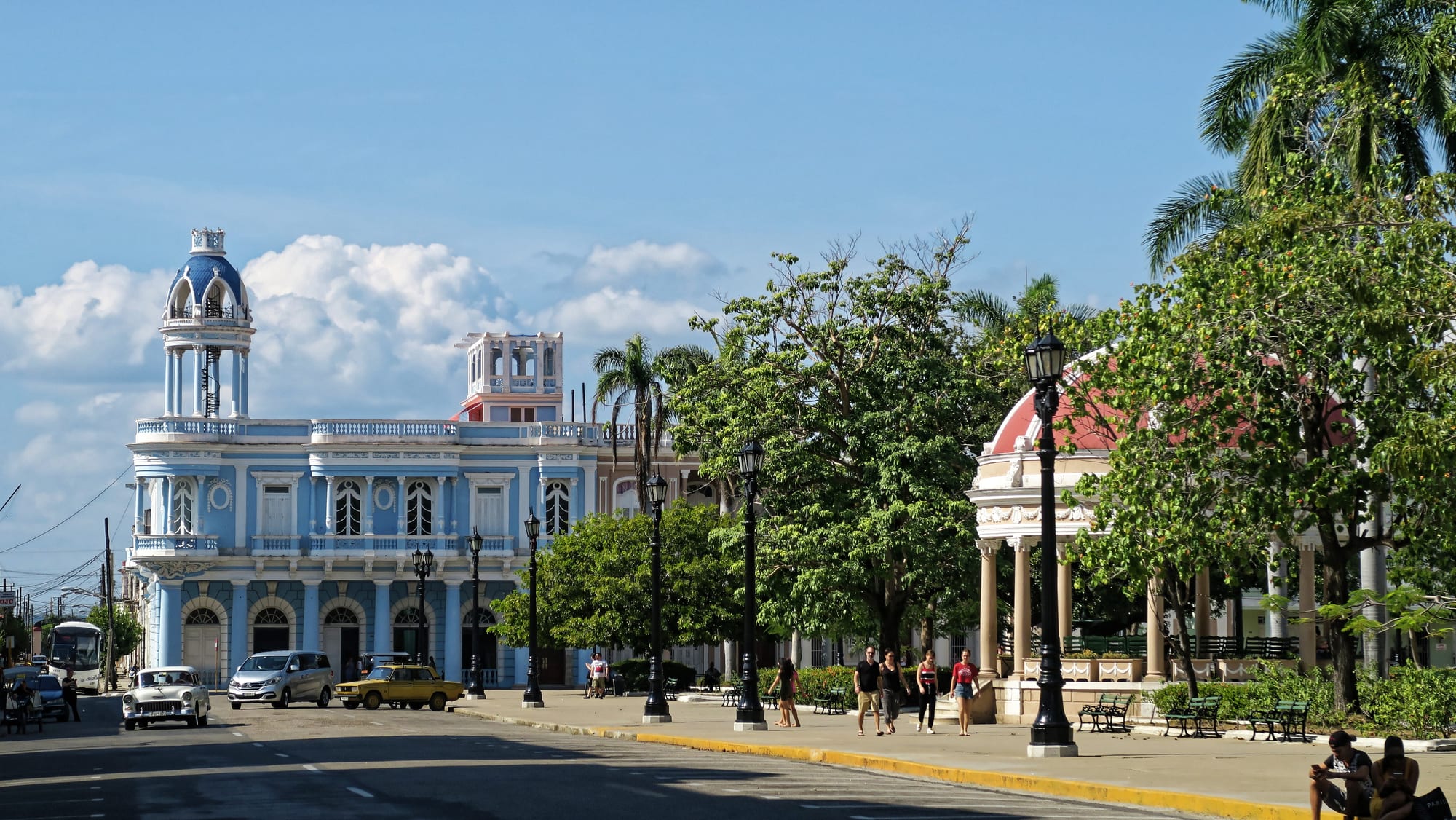
Cienfuegos, on a large bay on the south coast, was settled by French colonists from Louisiana and Bordeaux, and it looks it — a spacious, orderly grid of neoclassical arcades around Parque José Martí, with the domed Tomás Terry theatre and the eclectic Palacio de Valle out on the Punta Gorda peninsula. The historic centre is a UNESCO World Heritage Site.
It is the calmest and greenest of Cuba's colonial cities, and a good stop between Havana and Trinidad.
7. Santiago de Cuba
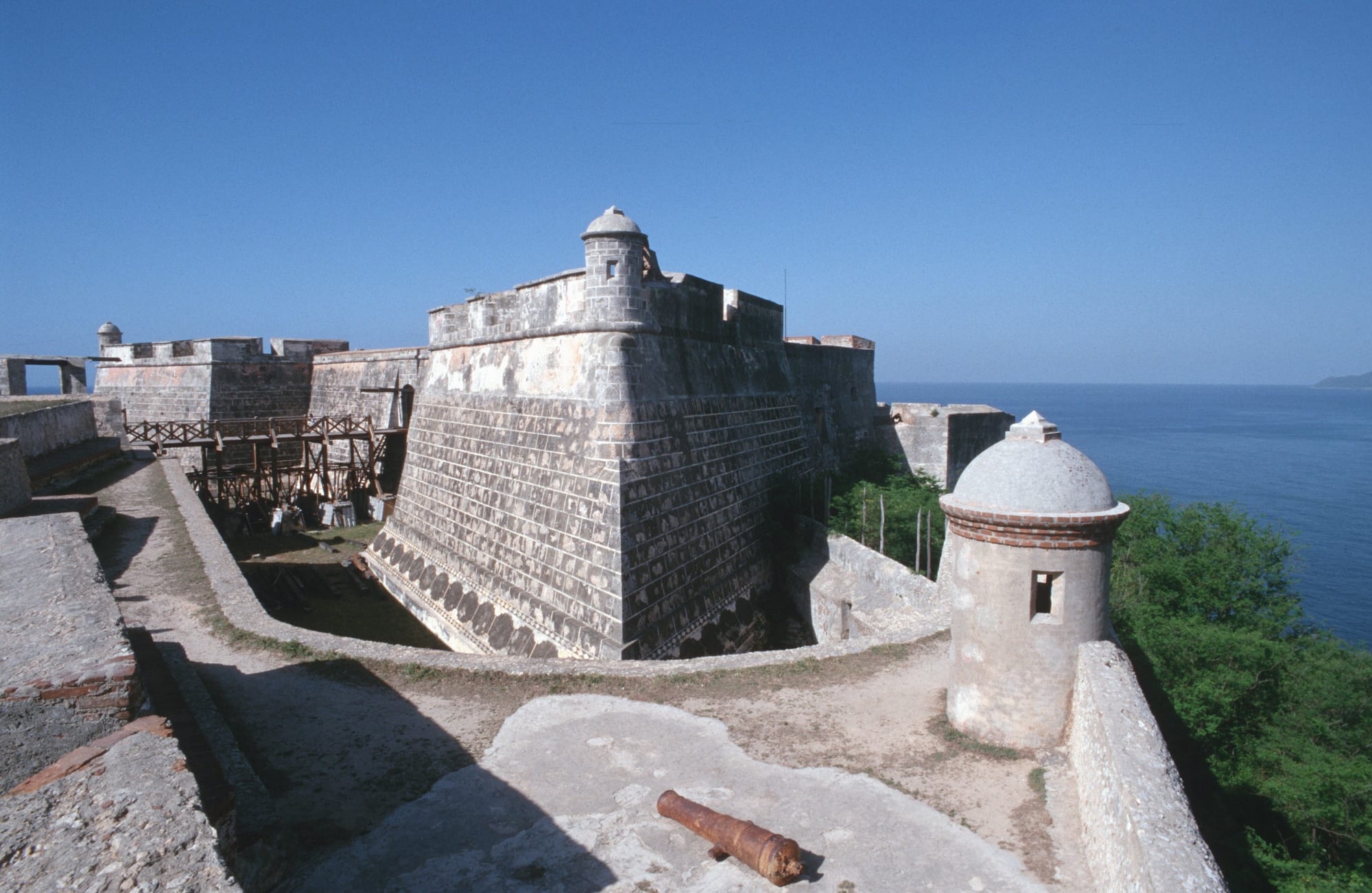
Santiago, in the far east, is Cuba's second city and its most Caribbean and Afro-Cuban — the cradle of son music, the home of the biggest carnival, and the place where Fidel Castro launched the revolution (the attack on the Moncada barracks in 1953) and declared its victory in 1959. The 17th-century El Morro castle guards the bay; the Santa Ifigenia cemetery holds the tombs of José Martí and Castro.
Nearby are the coffee-plantation ruins of the Sierra Maestra foothills (another UNESCO site) and the Basílica del Cobre, Cuba's most important shrine.
8. Santa Clara and the Che memorial
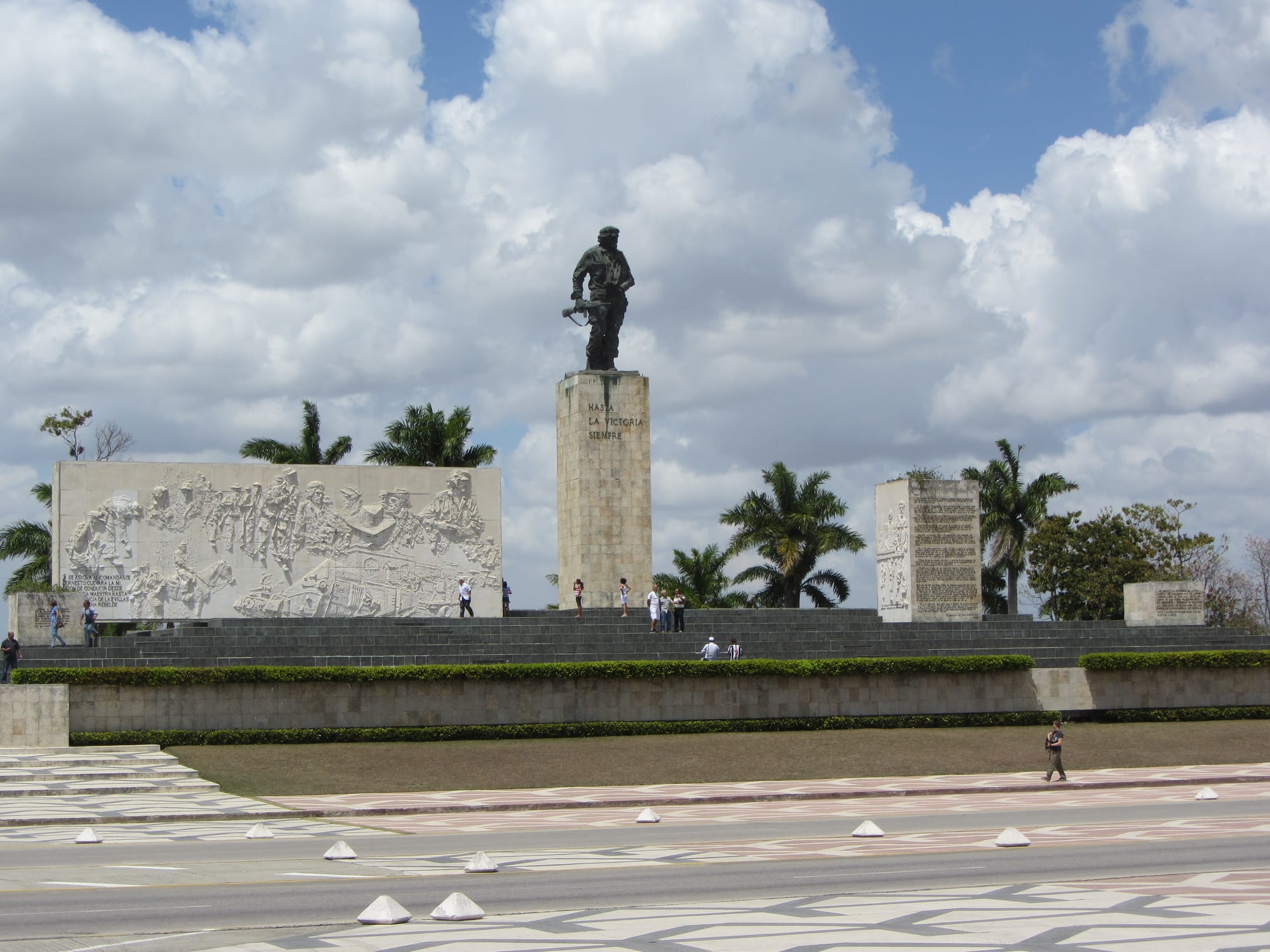
Santa Clara, in the centre of the island, was where Che Guevara's column derailed an armoured government train in December 1958, the decisive battle of the revolution. The site has the actual wrecked wagons; on the edge of town, a huge monument, museum, and mausoleum holds the remains of Che and comrades killed with him in Bolivia in 1967.
Santa Clara is also, unusually for Cuba, known for an open LGBT scene and a lively student nightlife.
9. The Bay of Pigs and the Zapata swamp
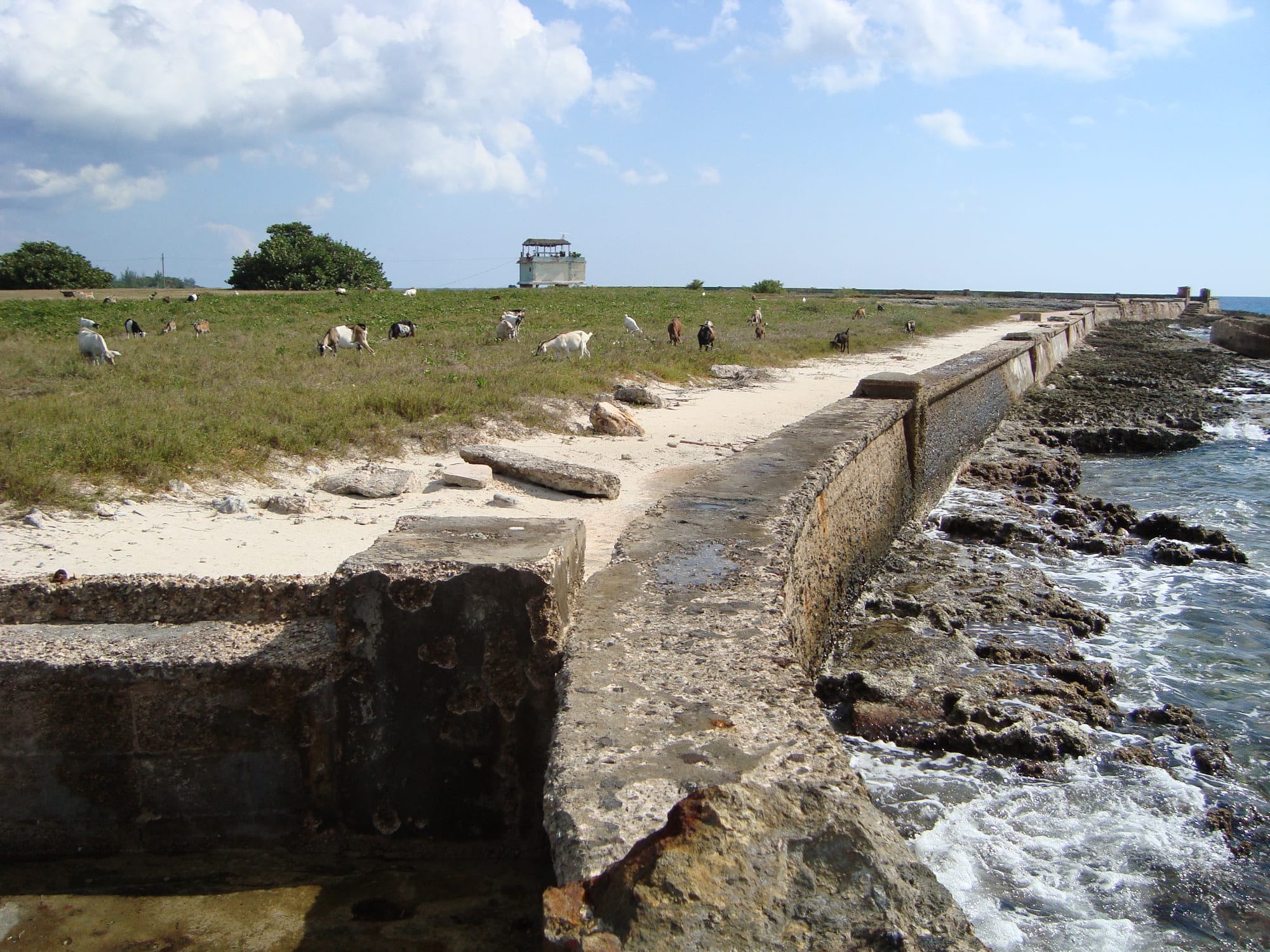
The Bahía de Cochinos, on the south coast, is where a CIA-trained exile force landed in April 1961 and was defeated in three days — a defining moment of the Cold War, told from the Cuban side in a small museum at Playa Girón. Today the bay is a quiet place for shore diving and snorkelling over a wall that drops off just metres from the beach, with cenote-like flooded caves inland.
It sits on the edge of the Zapata Peninsula, the Caribbean's largest wetland — a biosphere reserve of crocodiles, manatees, and 250-plus bird species.
10. Varadero and the cayos
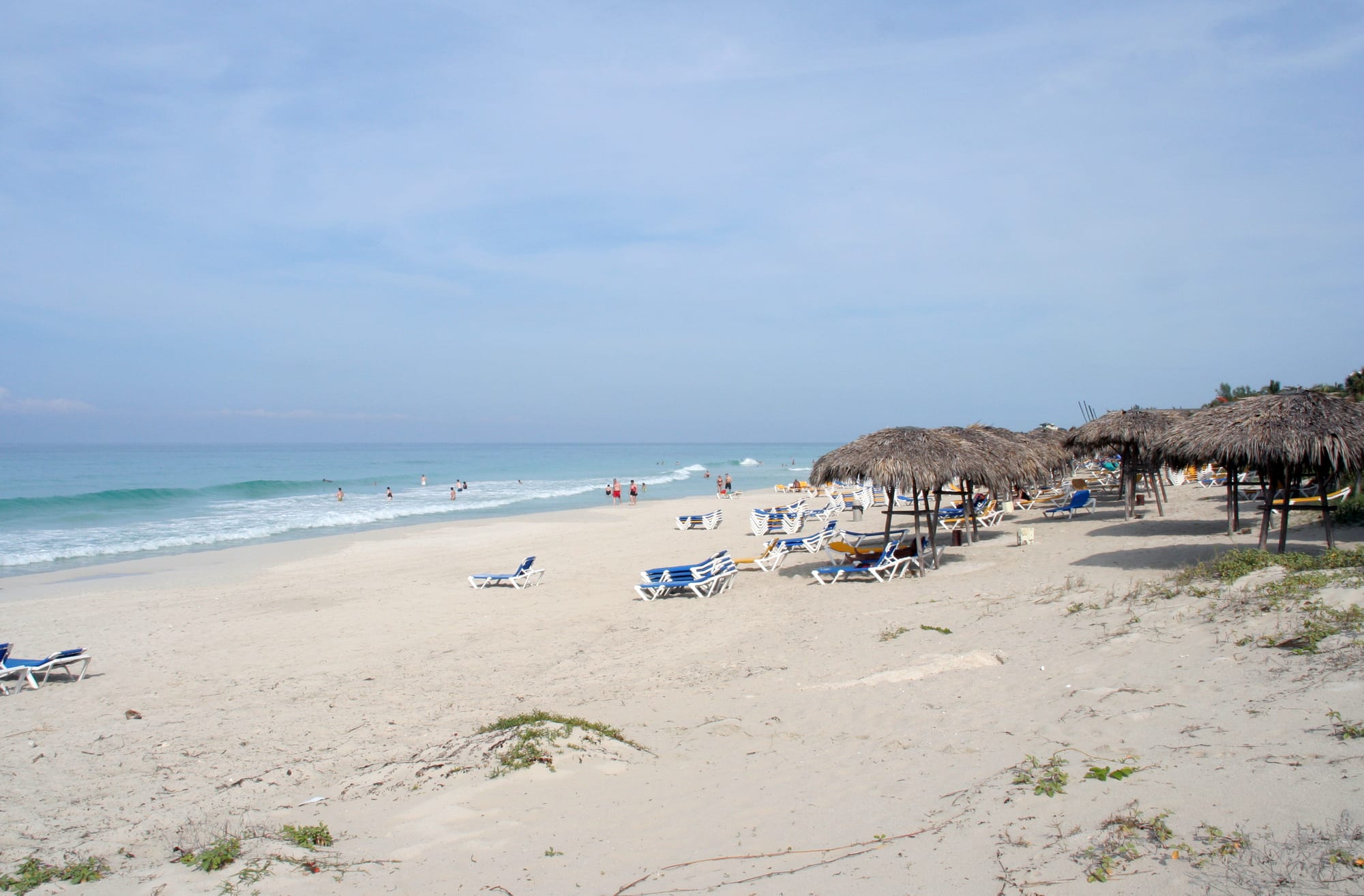
Cuba's beach tourism is concentrated in a few enclaves. Varadero, on a 20-kilometre sandspit east of Havana, is the biggest — a wall of all-inclusive resorts on genuinely superb white sand, largely separate from Cuban life. The northern cays (Cayo Coco, Cayo Guillermo, Cayo Santa María), reached by long causeways, offer the same formula in more remote settings, with flamingos and reef.
For beaches with more local flavour, Playa Ancón near Trinidad, Guardalavaca in the east, and the Playas del Este near Havana are alternatives.
Cuba rewards a road trip: Havana and Viñales in the west, then east along the "colonial cities" route through Cienfuegos, Trinidad, and Santa Clara. Two weeks reaches Santiago and the east. Bring cash, patience, and a flexible plan.