Daily Life · Cuba
Cuba: A Day Built Around the Blackout
Life lived outdoors on the Malecón, the stoop and the street-corner domino table, an economy run increasingly on remittances and improvisation, and a national power grid so strained that planning a day now means planning around when the electricity is actually on
By Worldlore Editorial · 30 September 2026
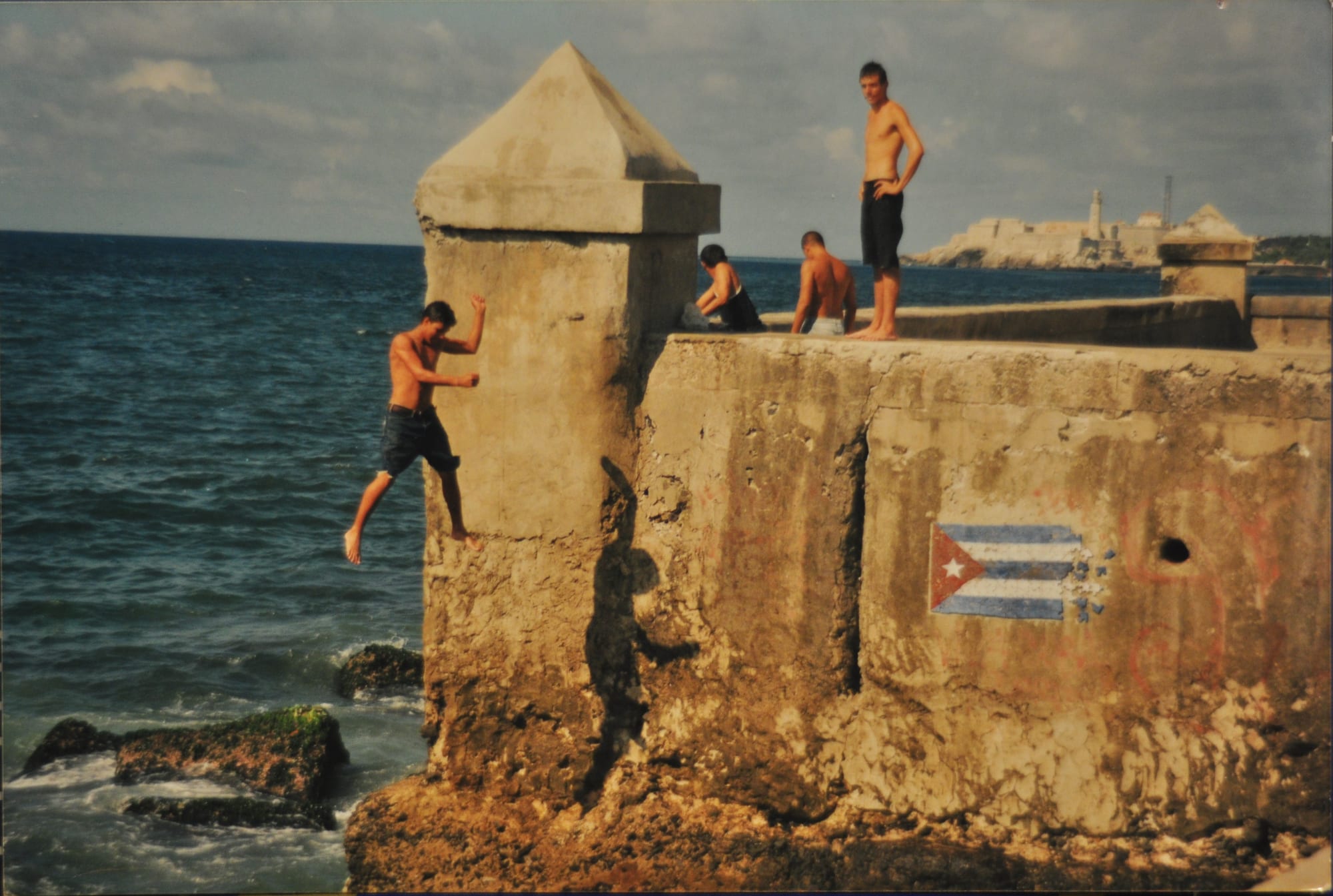
An ordinary day in Cuba increasingly starts with a practical question: is there electricity right now, and for how long. A severe, worsening national power crisis has made scheduled and unscheduled blackouts a routine part of life since 2024, driven by fuel shortages and the failure of ageing power plants, and households and small businesses now plan cooking, charging phones and even sleep around whenever the grid is up. Around that disruption, the older rhythms continue: life lived largely outdoors, on the Malecón seawall, on stoops and balconies, over a game of dominoes at a folding table set up on the pavement, because home, for many, is small, shared and short on space to spend the whole day in.
Family and home life
Close to two million people live in Havana, in a mix of Spanish colonial buildings, crumbling art-deco blocks and 1950s apartment buildings, many now subdivided or in poor repair after decades without the resources for proper upkeep. State salaries are very low, so most households rely on some combination of remittances from relatives abroad, tips or income from tourism, small private enterprise, and informal trade to make ends meet. The years since the pandemic have brought the country's largest wave of emigration in its history, and it is now common for an extended family to have members scattered between Cuba, Florida and Spain, staying in contact by phone and sending money and goods home whenever they can.
Work, school and the rhythm of the day
Cuba's electricity system has been in acute crisis: a national grid built around a handful of large, ageing plants has suffered repeated multi-day, countrywide blackouts since October 2024, worsened by fuel shortages that by 2026 had been made sharper still by the halt of Venezuelan oil shipments after the United States' intervention in Venezuela in January 2026. Roughly a quarter of the country's electricity has at times come from floating power plants brought in as a stopgap. The libreta, the ration book that has provided subsidised basic foods since 1962, now covers only a fraction of what a household needs, with rice, eggs, meat, oil and sugar all cut back or dropped from the ration in 2024, pushing more of everyday food shopping onto the informal market. Government jobs remain common, but a growing number of Cubans work in small private restaurants, transport, or informal trade instead, in a system built around resolver, finding a way to get things done despite the shortages.
Community life and public spaces
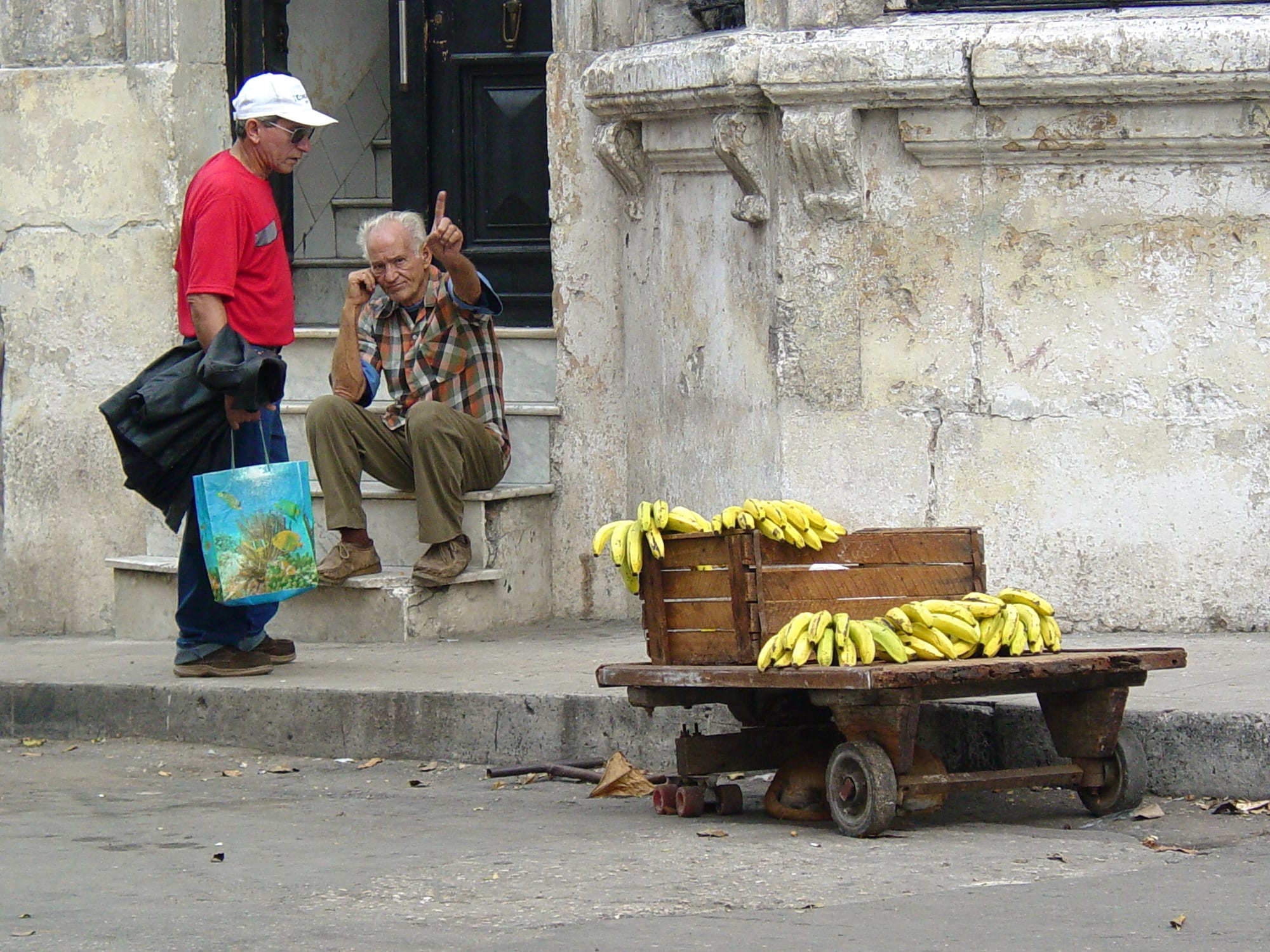
Life plays out in public more than in most countries, partly by culture and partly by necessity: small, crowded homes push socialising onto the street, the stoop, and the neighbourhood corner. Vintage American cars from the 1950s, kept running through decades of improvisation, still work as shared taxis in the cities alongside newer vehicles, and informal street vendors sell fruit, vegetables and household goods from carts and doorways. The Malecón in Havana, the city's most popular avenue, functions as one of its best-loved shared public spaces, drawing people to sit, talk, fish and watch the sea at almost any hour.
Free time and weekends
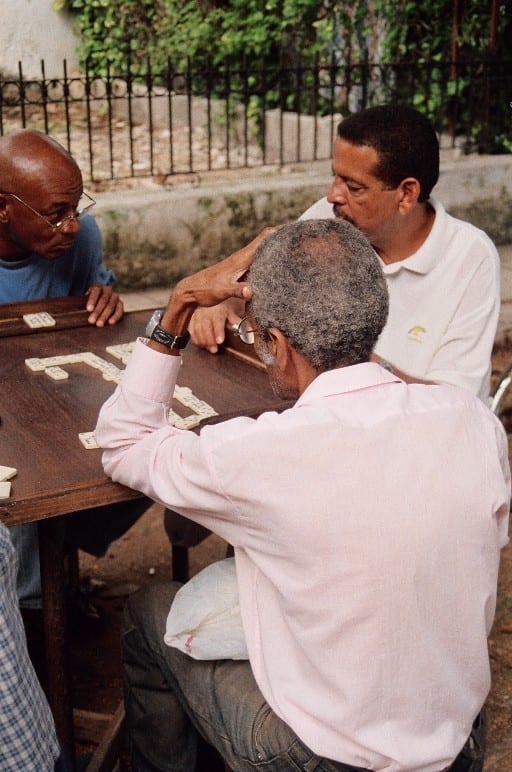
Baseball, not football, is the game Cubans follow and play, on any patch of open ground with whatever equipment is on hand, and dominoes is the fixture of the street corner and the doorway, played by groups who will happily go on for hours. Music is inseparable from free time nearly everywhere, drifting from doorways and bars whether or not anyone is formally performing.
Where money and fuel allow, weekend visits to family in other neighbourhoods or towns remain the main way people spend time off, since the cost and unpredictability of transport make bigger trips difficult for most households.
A visitor's ordinary day
Cuba runs on cash for visitors: euros or US dollars in cash are the practical currency to bring, since US-issued cards do not work at all and ATMs are unreliable, and exchanging money at the informal rate, rather than any official one, is how many transactions get priced in practice. Power cuts can affect anything from air conditioning to card machines to traffic lights with little warning, so it helps to charge devices whenever power is on and keep some flexibility in daily plans. Víazul coaches, run mainly for tourists, are the standard way for visitors to travel between cities and should be booked ahead, though fuel shortages regularly disrupt schedules. Queuing, for food, fuel, or a bus, is a genuine part of daily life that visitors will also encounter at some point, and patience is simply the practical response.
What to take away
An ordinary day in Cuba today is shaped as much by scarcity and improvisation, blackouts, a shrinking ration and a currency few people actually price things by, as it is by the older, still-visible rhythms of baseball, dominoes and an evening on the Malecón.