History · Côte d'Ivoire
Côte d'Ivoire: The Miracle and After
Forest kingdoms and the gold and kola trade, a French cocoa colony, thirty years of prosperity under one man, and a country that split in two
By Worldlore Editorial · 19 September 2026
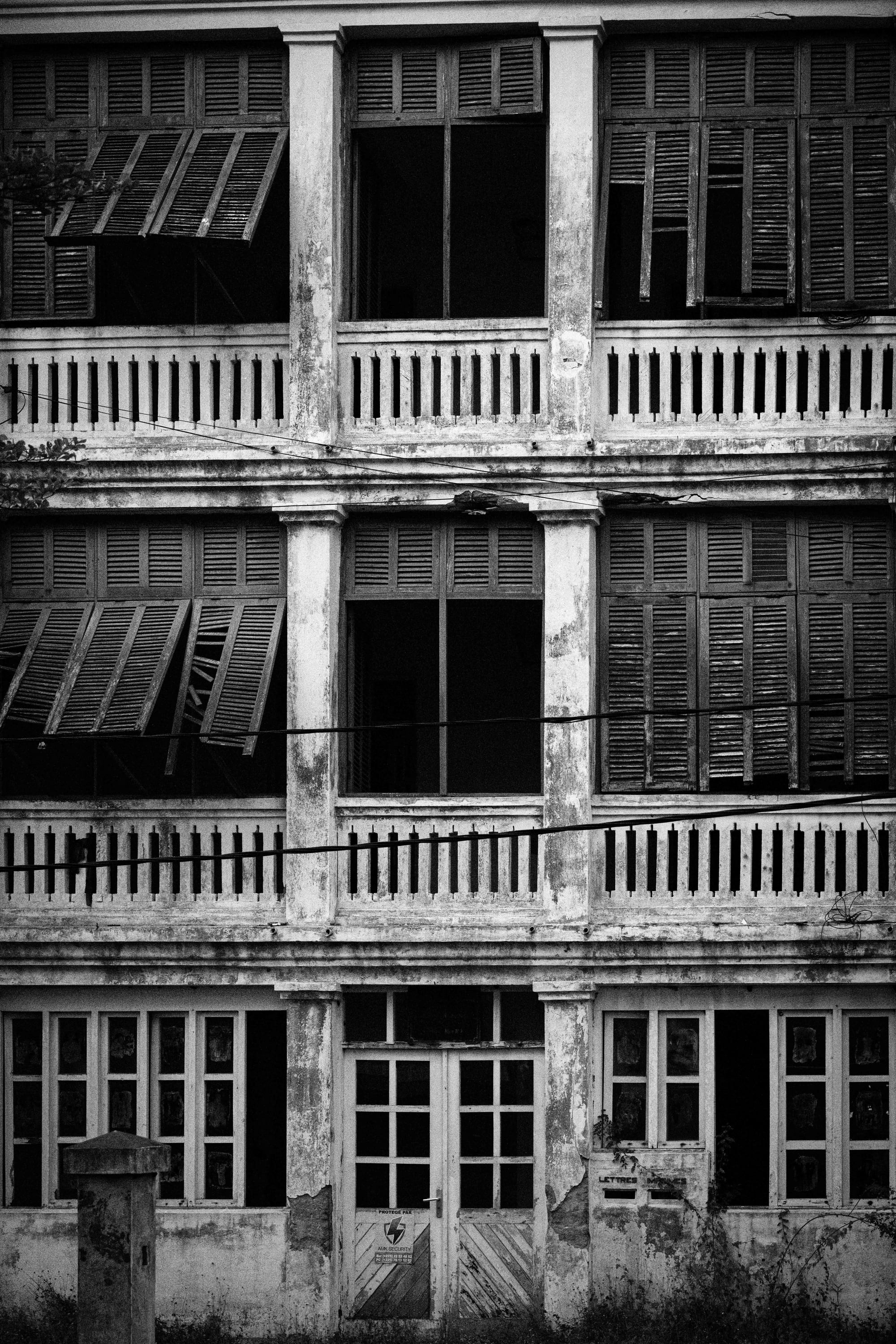
The forest and the savanna
Côte d'Ivoire runs from the Gulf of Guinea north to the edge of the Sahel: a humid forest belt in the south, where the cocoa and coffee are grown and most of the 29 million people live, and drier savanna in the north. Its dozens of ethnic groups fall into four broad clusters, and a rough divide between a Christian and traditionalist south and a Muslim north — sharpened by a century of labour migration from the savanna colonies — became, in the 1990s and 2000s, the fault line of a civil war. For 30 years before that, Côte d'Ivoire had been West Africa's showpiece of stability and growth.
A short history
- 15th–18th c.
Migrations and kingdoms
Akan peoples move west; the Kong Empire trades in gold and kola.
- 1840s–1893
French footholds
Coastal treaties, then a declared colony centred on Grand-Bassam.
- 1890s–1917
Conquest
France fights a long war against Samori Touré, the Baoulé and others.
- 1920s–1946
The cocoa colony
Forced labour and northern migrants build the plantation economy.
- 7 August 1960
Independence
Félix Houphouët-Boigny becomes president and rules for 33 years.
- 1960–1980
The Ivorian miracle
The world's top cocoa producer; GDP grows around 7 per cent a year.
- 1993
Houphouët dies
The succession opens a struggle over national identity.
- 1999–2011
Coup and civil war
The country splits north and south; two presidents claim the 2010 election.
Kingdoms and the ivory trade
Precolonial Côte d'Ivoire was a patchwork rather than an empire. Akan peoples, related to the Asante of modern Ghana, migrated westward over several centuries — the Baoulé, the largest group today, trace their arrival to a queen who led them across a river. In the north-centre, the Muslim, Dioula-run Kong Empire grew rich on the gold and kola routes. The coast, battered by surf and without good harbours, saw lighter European contact than its neighbours; the ivory trade that gave the country its name never rivalled the gold and slave trades further east.
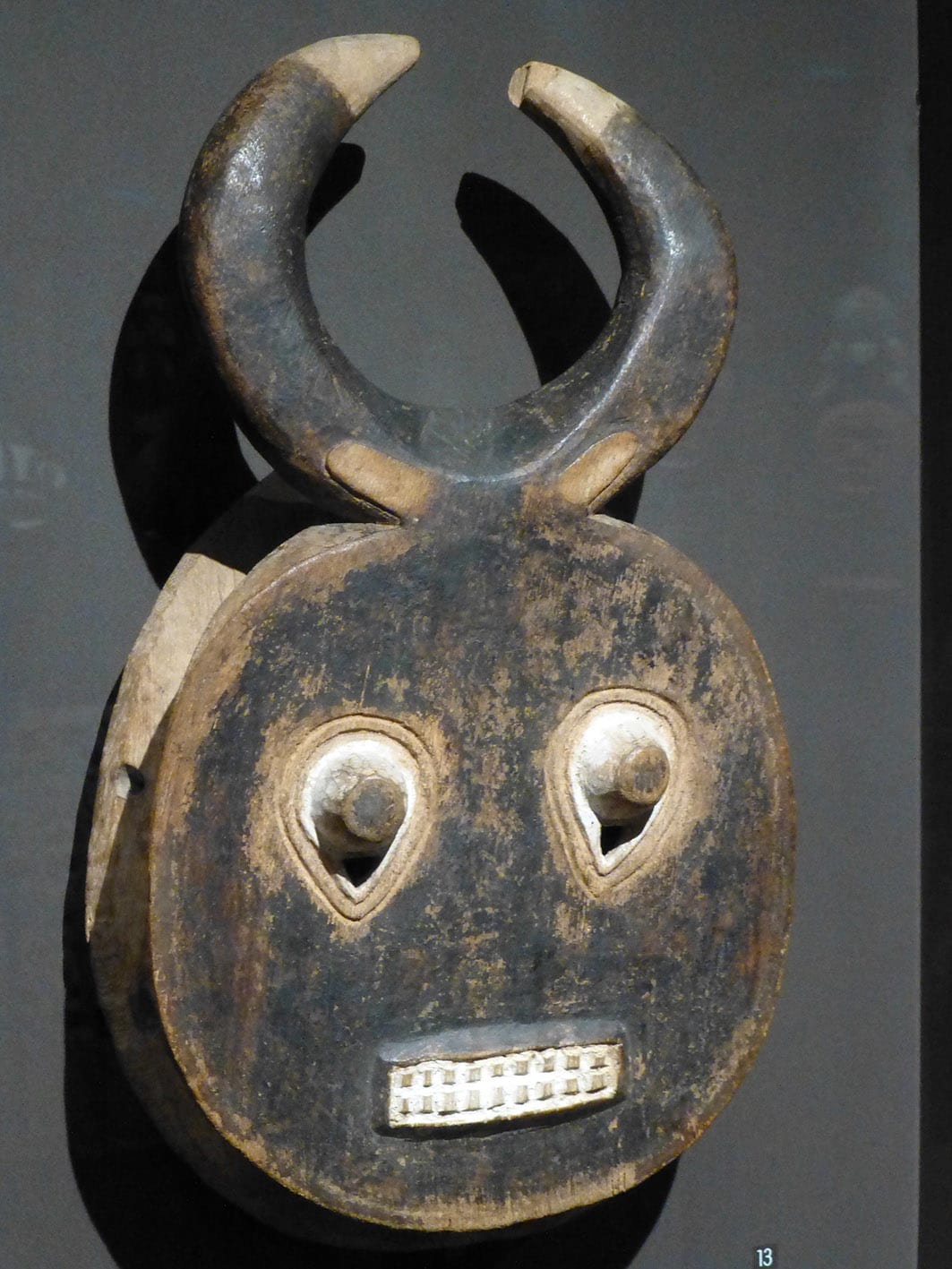
France declared a colony in 1893 and then spent two decades conquering the interior, against the Malinké empire-builder Samori Touré — captured in 1898 — and against Baoulé and other revolts that continued into the First World War.
The cocoa colony
France developed the southern forest for export: timber, then coffee and cocoa, grown on European and increasingly African plantations, worked through forced labour and a head tax, and staffed by hundreds of thousands of workers recruited from the poorer savanna colonies to the north. That migration created the large population of Burkinabè and Malian descent in the Ivorian south — and, decades later, the raw material for a bitter argument about who counted as Ivorian. Forced labour was abolished in 1946, a change pushed by an African planters' union led by Félix Houphouët-Boigny, who went on to found the dominant political party and to serve as a minister in Paris.
Houphouët-Boigny and the miracle
Houphouët-Boigny led Côte d'Ivoire to independence in 1960 and ruled it for 33 years, until he died in office in 1993. His formula was a one-party state, an unusually close and lasting partnership with France, and an economy built on cocoa and coffee. It worked, for a while, spectacularly: Côte d'Ivoire became the world's largest cocoa producer, the economy grew around 7 per cent a year through the 1960s and 70s, Abidjan filled with towers and highways, and migrants arrived from across the region. Houphouët also spent a fortune building the largest church in the world in his home village.
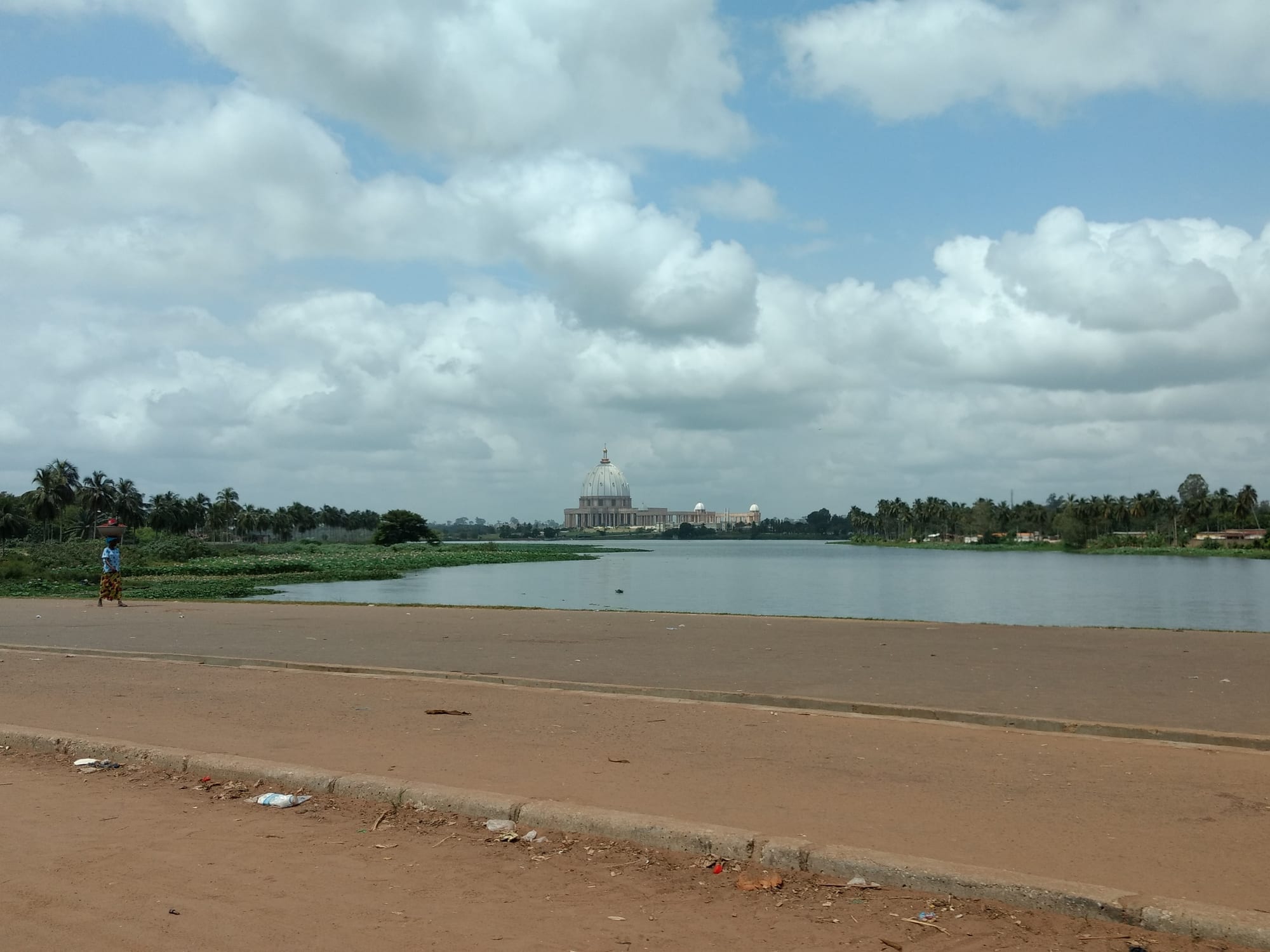
The boom ended in the 1980s, when world cocoa and coffee prices collapsed and Côte d'Ivoire went from model to debtor. Austerity ate away the patronage that had held the system together, and multiparty politics was forced open in 1990.
Ivoirité and the split
Houphouët-Boigny's death in 1993 opened a struggle for the succession. His successor, Henri Konan Bédié, promoted the idea of ivoirité — a narrow test of authentic Ivorian identity — and used it to bar his main rival, the northern-linked Alassane Ouattara, from running for president, and to marginalise northerners and immigrants generally. A military coup removed Bédié in 1999, and a flawed election in 2000 brought the southern opposition leader Laurent Gbagbo to power, with Ouattara excluded again.
In September 2002 a soldiers' mutiny, driven in part by northern grievances over ivoirité, became a rebellion. The rebels seized the northern half of the country, Gbagbo's government held the south, and French and then UN troops policed a dividing line between them. The country stayed effectively partitioned for years, with elections repeatedly postponed and anti-French riots shaking Abidjan.
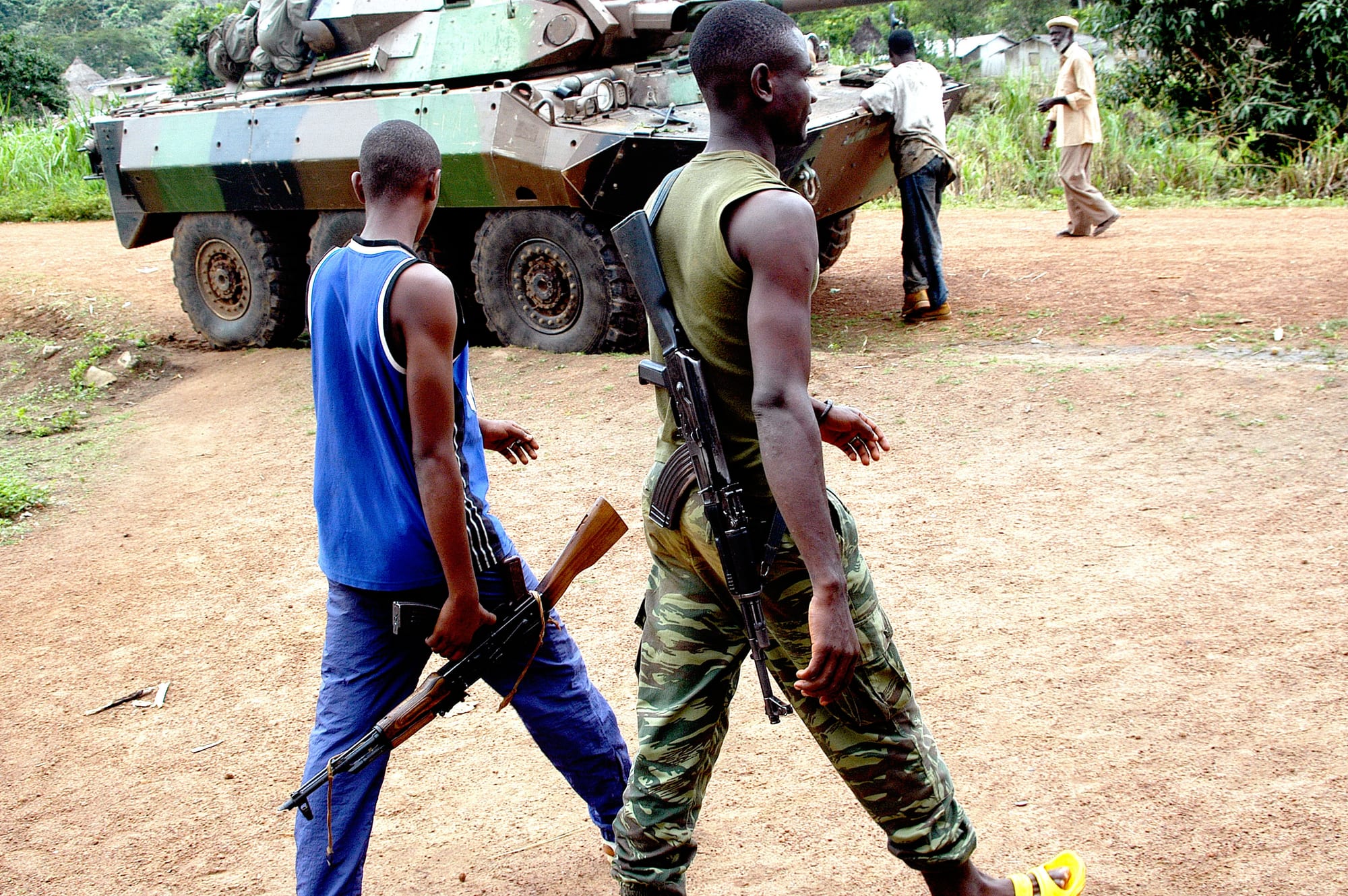
A presidential election finally took place in 2010. Ouattara was declared the winner by the electoral commission, the UN and West African bodies; Gbagbo, backed by the Constitutional Council, refused to go. Four months of standoff and renewed war followed, with around 3,000 killed, before pro-Ouattara forces, aided by French and UN military action, took Abidjan in April 2011 and captured Gbagbo, who was sent to the International Criminal Court and later acquitted.
What Côte d'Ivoire carries
Ouattara has governed since 2011, presiding over years of fast growth and reconstruction, but also over the same unresolved questions: he took a contested third term in 2020 and won again in 2025 with his main rivals barred from the ballot. The economy still rests on cocoa — roughly two-fifths of the world's supply — and on the labour of migrants and their descendants, the very people the politics of the 1990s tried to define out of the nation. Whether Côte d'Ivoire can be the stable centre of West Africa again, without the one-man system that first made it so, is its open question.