Daily Life · Costa Rica
Costa Rica: One Valley, Most of the Country
More than half the country living in one sprawling valley, a plate of gallo pinto at breakfast, and a Central Valley commute that carries a large share of the country through its capital every working day
By Worldlore Editorial · 30 September 2026
Breakfast in most Costa Rican homes is gallo pinto, rice and black beans fried together with onion and cilantro and usually finished with eggs and a dash of the tangy bottled Salsa Lizano found on nearly every table. From there, the day in the Central Valley, where more than half the country lives, runs on commuting: San José and the towns around it, Alajuela, Heredia and Cartago, form a single sprawling metropolitan area, home to around 60 percent of Costa Ricans, through which a great many pass each day on their way to work or school. By midday, the neighbourhood soda, a small, inexpensive diner found in almost every town, is doing its busiest trade of the day, serving the casado, the fixed lunch plate of rice, beans, salad, plantain and a choice of meat or fish that structures the middle of the day for many workers.
Family and home life
Family life remains central and, in many households, multiple generations stay in close contact even where they no longer share a roof, a pattern reinforced by the fact that so much of the population is concentrated together in the Central Valley rather than spread thinly across the country. Around 80 percent of the population lives in urban areas, and in the Central Valley that mostly means suburbs of low-rise houses rather than high-rise apartment blocks, with the coasts and the north noticeably more rural. In tourist areas, a growing number of foreign residents have settled permanently, changing the makeup of some coastal and mountain communities.
Work, school and the rhythm of the day
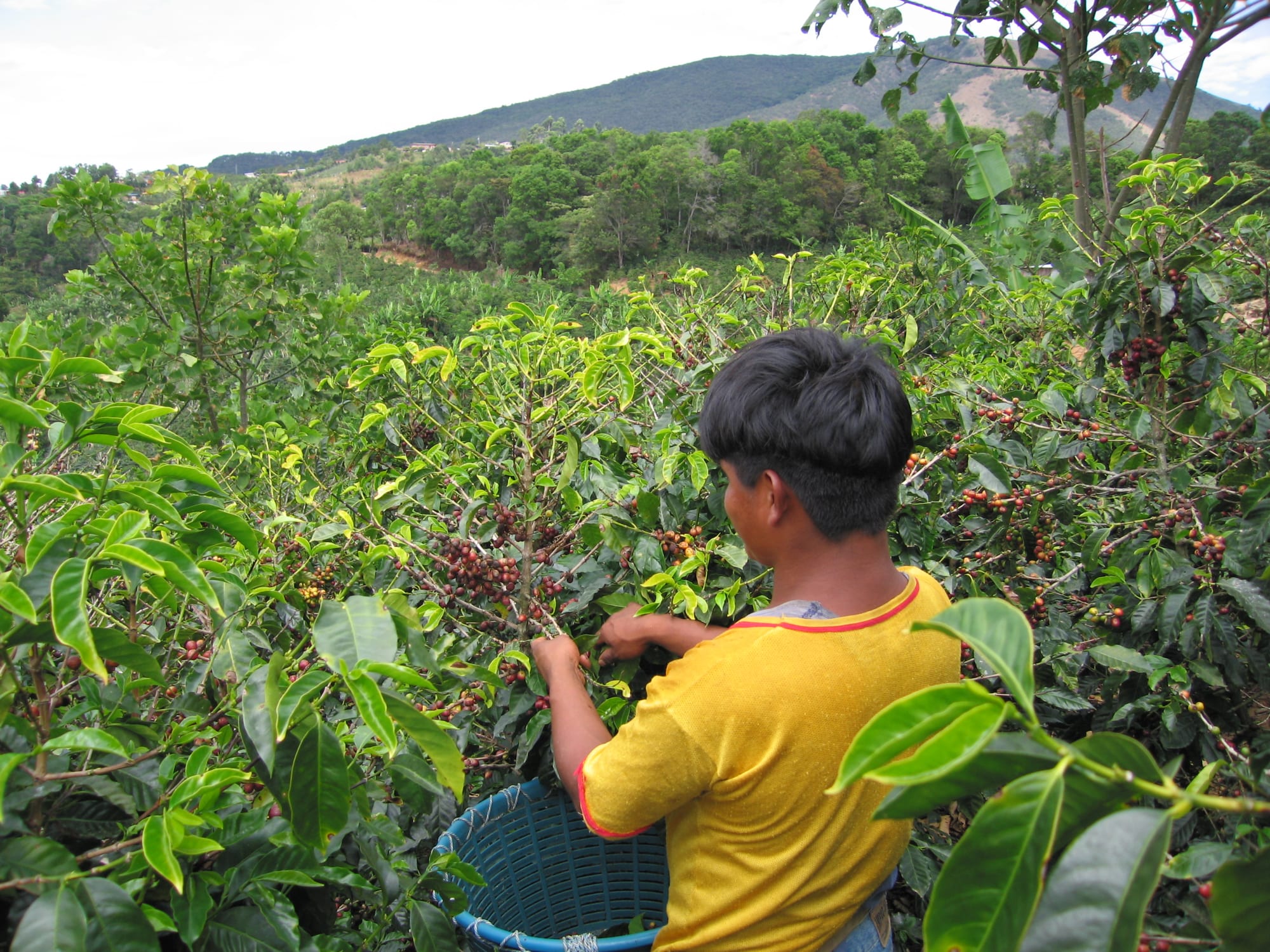
Costa Rica's economy has moved well beyond coffee and bananas: alongside agriculture, it now has a substantial medical-device, technology and business-services sector, with several US companies running operations from the Central Valley, and a large tourism industry that employs people across the country. Coffee remains a major source of seasonal work at harvest time, when farms in the highlands take on extra pickers to bring in the ripe cherries by hand. Schooling is free and compulsory, split into primary and secondary levels, and the school year runs on an unusual calendar for a Northern-Hemisphere-trained visitor to expect: starting in February, pausing for a few weeks around June and July, and finishing between late November and mid-December.
Community life and public spaces
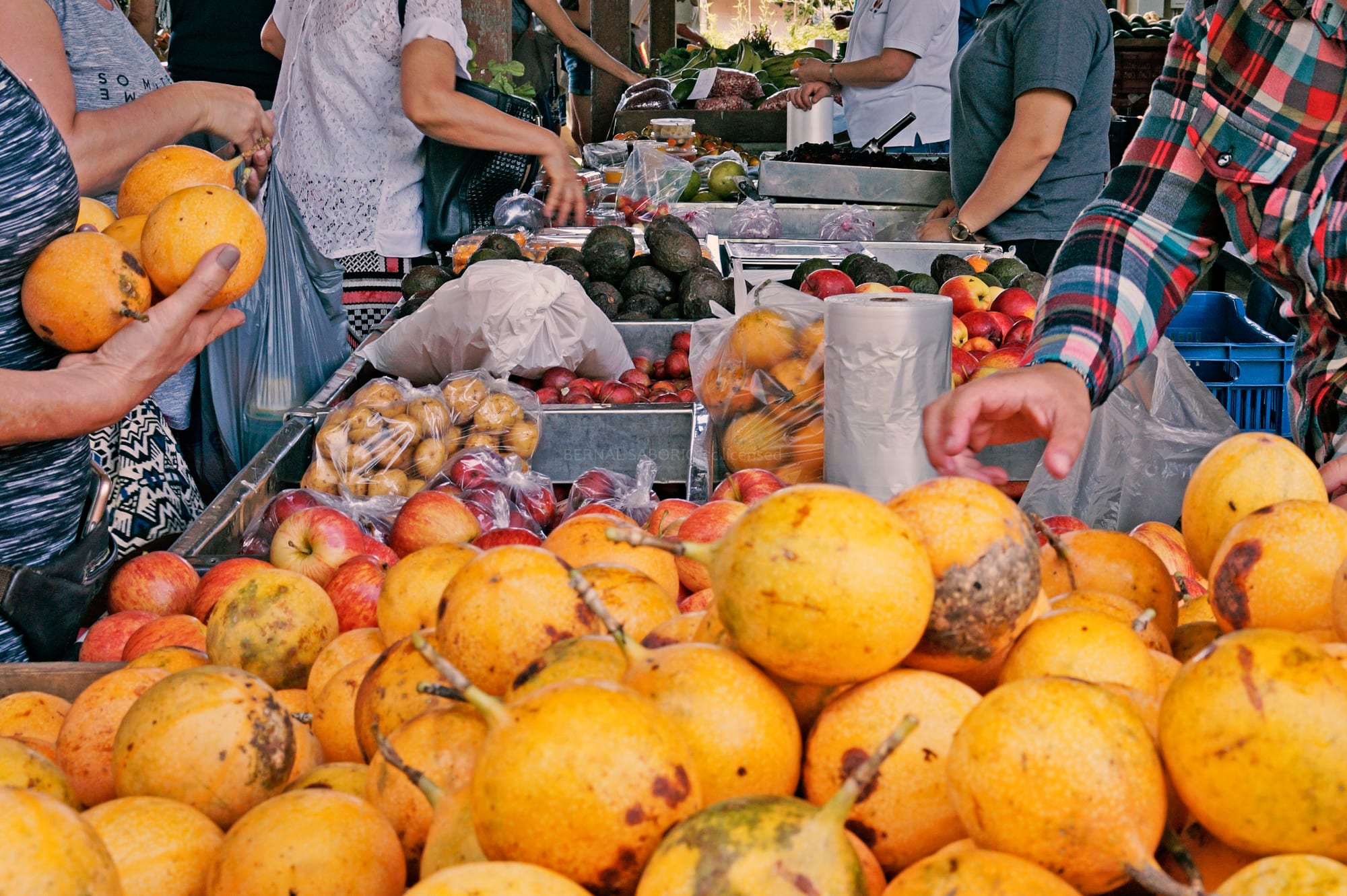
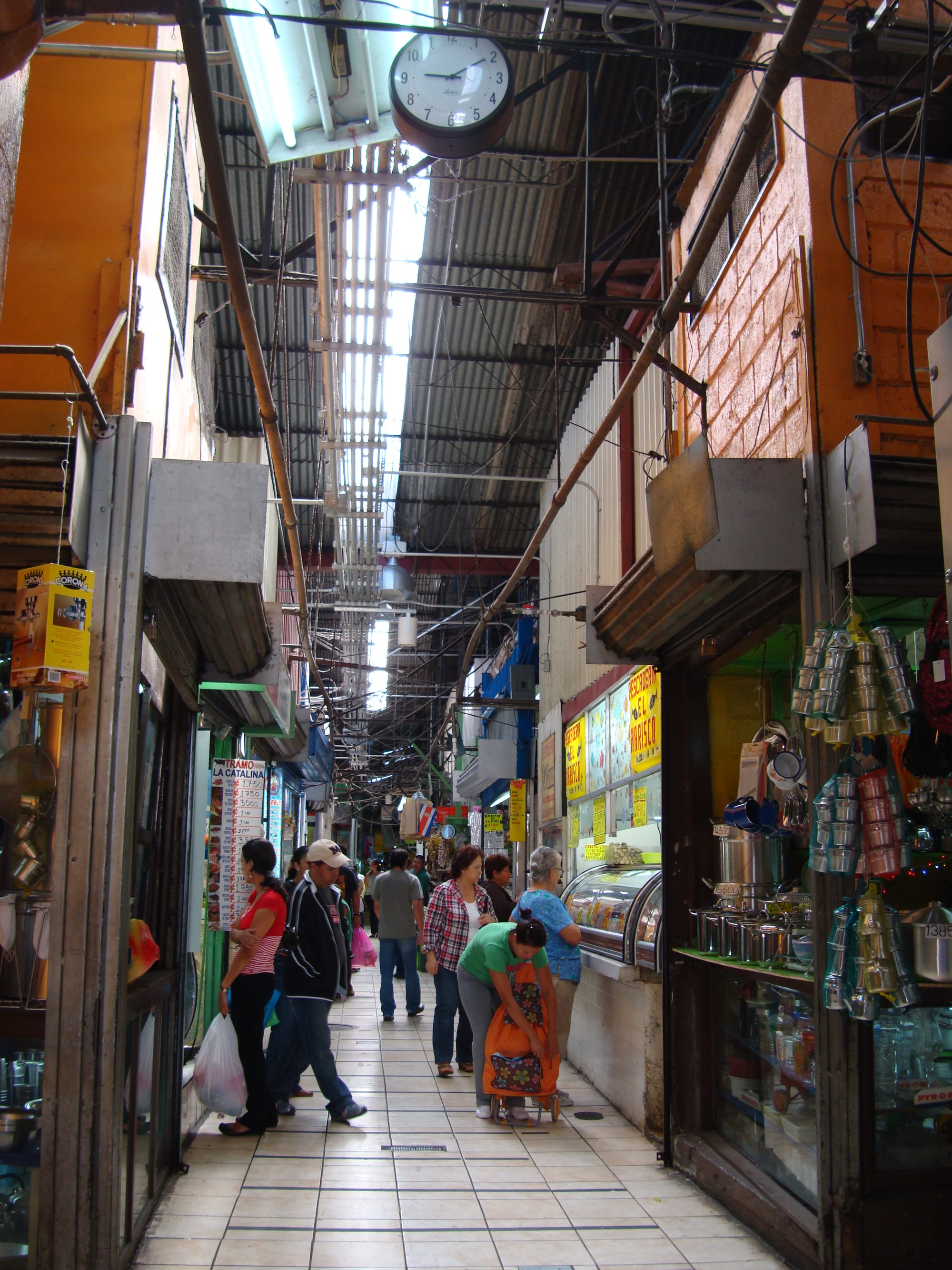
The soda and the covered market are the two fixtures of everyday public life. San José's Mercado Central, a warren of narrow aisles packed with butchers, spice sellers, sodas and hardware stalls under one roof, is a working model of the kind found in many Costa Rican towns, smaller versions of the same mix of food, goods and casual conversation. Buses are the backbone of getting around for most people, since passenger rail is limited, and the bus terminals around San José are themselves busy public spaces at rush hour. Weekly outdoor ferias, farmers markets set up in car parks and plazas on fixed days, are where many households buy fresh produce directly from growers rather than at a supermarket.
Free time and weekends
Weekends bring family lunches that run long, trips to the beach or a hot spring where distance allows, and, for many households, a visit to the weekly feria for fresh produce rather than a supermarket run. Football is followed closely nationwide and is as much a shared weekend activity, played on any open field, as it is a spectator sport. Costa Rica's dense network of national parks and protected land means that a day trip into nature — a waterfall, a cloud forest, a beach with good surf — is within reach of most of the population without needing to travel far.
A visitor's ordinary day
Costa Rica runs on a mix of colones and US dollars: dollars are widely accepted for larger purchases, but change and small transactions, including bus fares and a soda lunch, come back in colones, so it helps to carry some. Public buses are cheap and reach most towns but move slowly on Costa Rica's winding roads, and a rental car, while giving more freedom, faces the same slow going plus rough, sometimes unsigned roads outside the main routes. A casado at a soda remains the easiest way to eat a full, freshly cooked meal cheaply in the middle of the day, usually served around lunchtime. Given the mountainous terrain and frequent rain outside the December–April dry season, it is worth building extra time into any cross-country journey.
What to take away
An ordinary day in Costa Rica runs less on any single custom than on a set of shared institutions — the soda, the feria, the crowded Central Valley commute — that quietly connect a population still concentrated, more than its geography might suggest, around one valley and one shared rhythm of meals.