Food · Costa Rica
Costa Rica: Food and the National Dish
Rice and beans cooked together for breakfast with a condiment expats stock up on before they leave, a bar snack invented in a San José watering hole, and a Caribbean coast that cooks with coconut
By Worldlore Editorial · 16 September 2026
A "pura vida" table
Costa Rican food is unpretentious and built for everyday eating rather than showpiece dining: rice, beans, corn and plantain carry most meals, dressed with a distinctly Costa Rican condiment and eaten without much fuss. The Caribbean coast, around Limón, cooks with more coconut and spice, reflecting its Afro-Caribbean population, while the Pacific side leans on fresh seafood and ceviche.
The national dish: gallo pinto
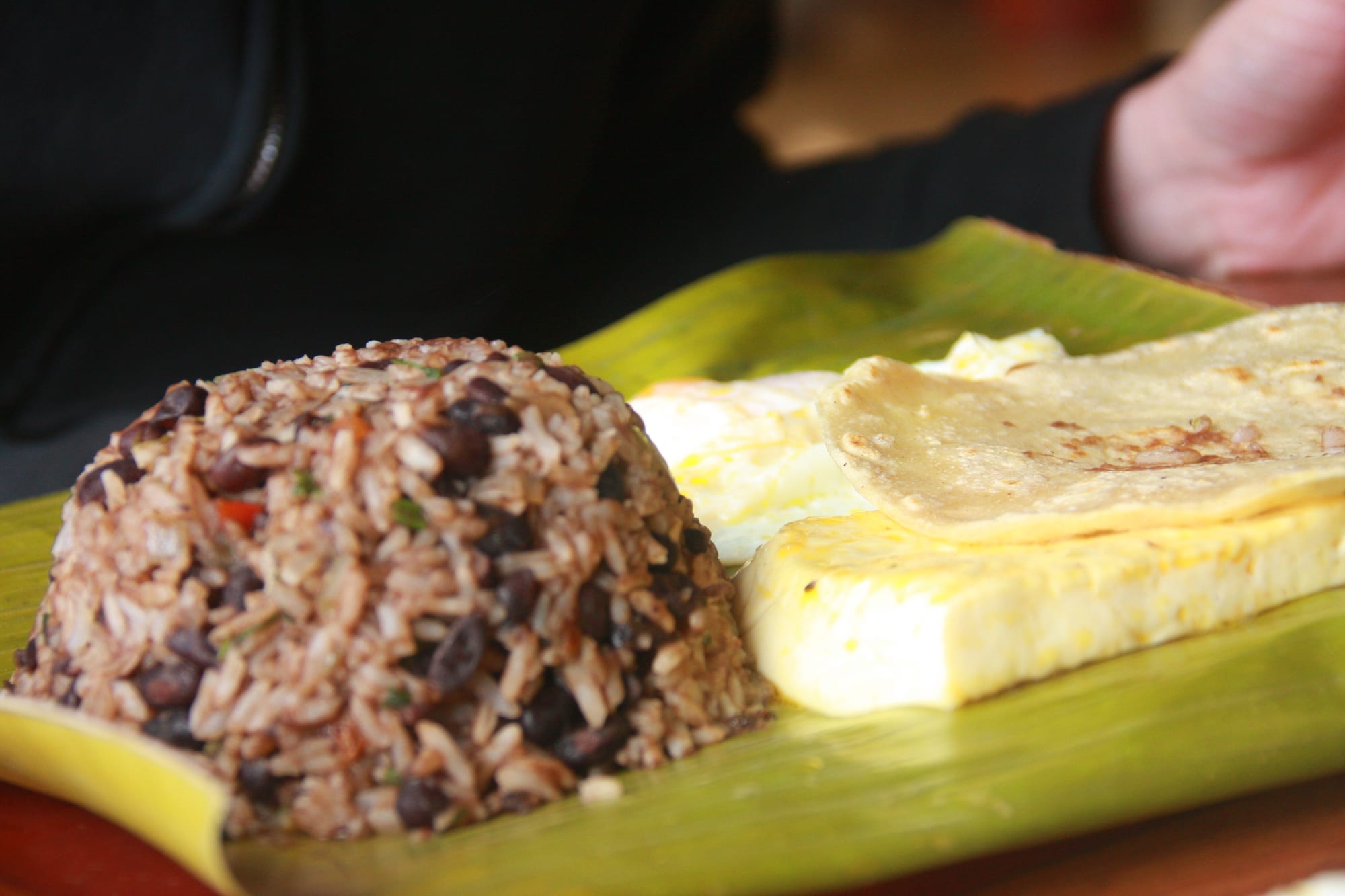
Gallo pinto — rice and black beans cooked together with onion, pepper and coriander until the rice takes on the beans' colour — is Costa Rica's national dish, eaten most often at breakfast alongside eggs, cheese and tortillas. No plate of gallo pinto is complete without Salsa Lizano, a tangy, slightly sweet vegetable-based sauce that Costa Ricans living abroad routinely list as the thing they miss and stock up on most. Neighbouring Nicaragua makes an extremely similar dish under the same name and claims its own origin story, a friendly rivalry neither country shows much sign of settling.
Casado and everyday eating
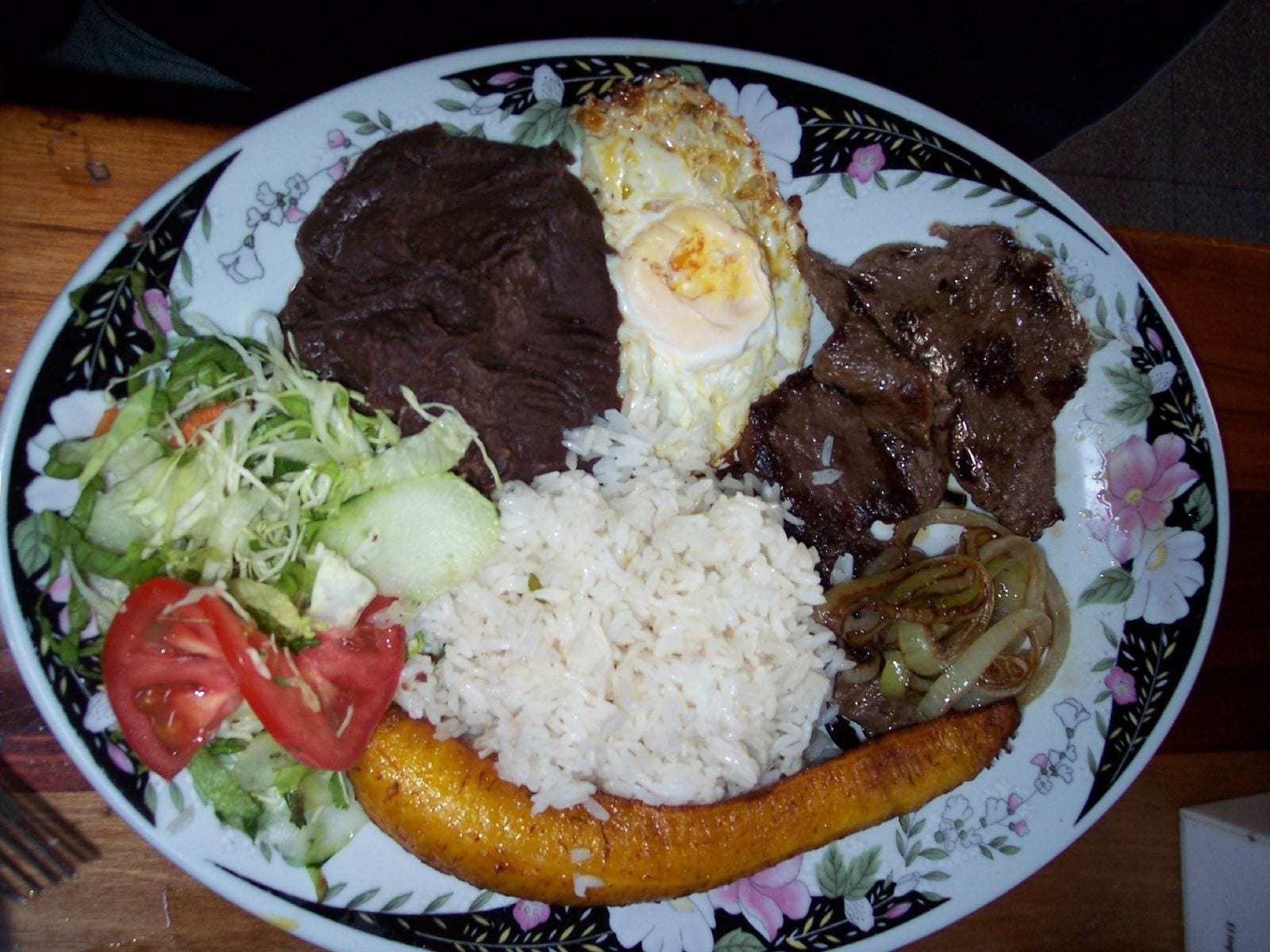
Casado — rice, beans, a cabbage salad, fried plantain and a choice of meat, chicken or fish — is the standard lunch plate found at almost any Costa Rican soda (a small, casual local restaurant), built for a filling, balanced meal rather than any particular flair.
Dishes to know
Five more to recognise across Costa Rica:
- Casado — the everyday combination lunch plate of rice, beans, plantain,
salad and a protein.
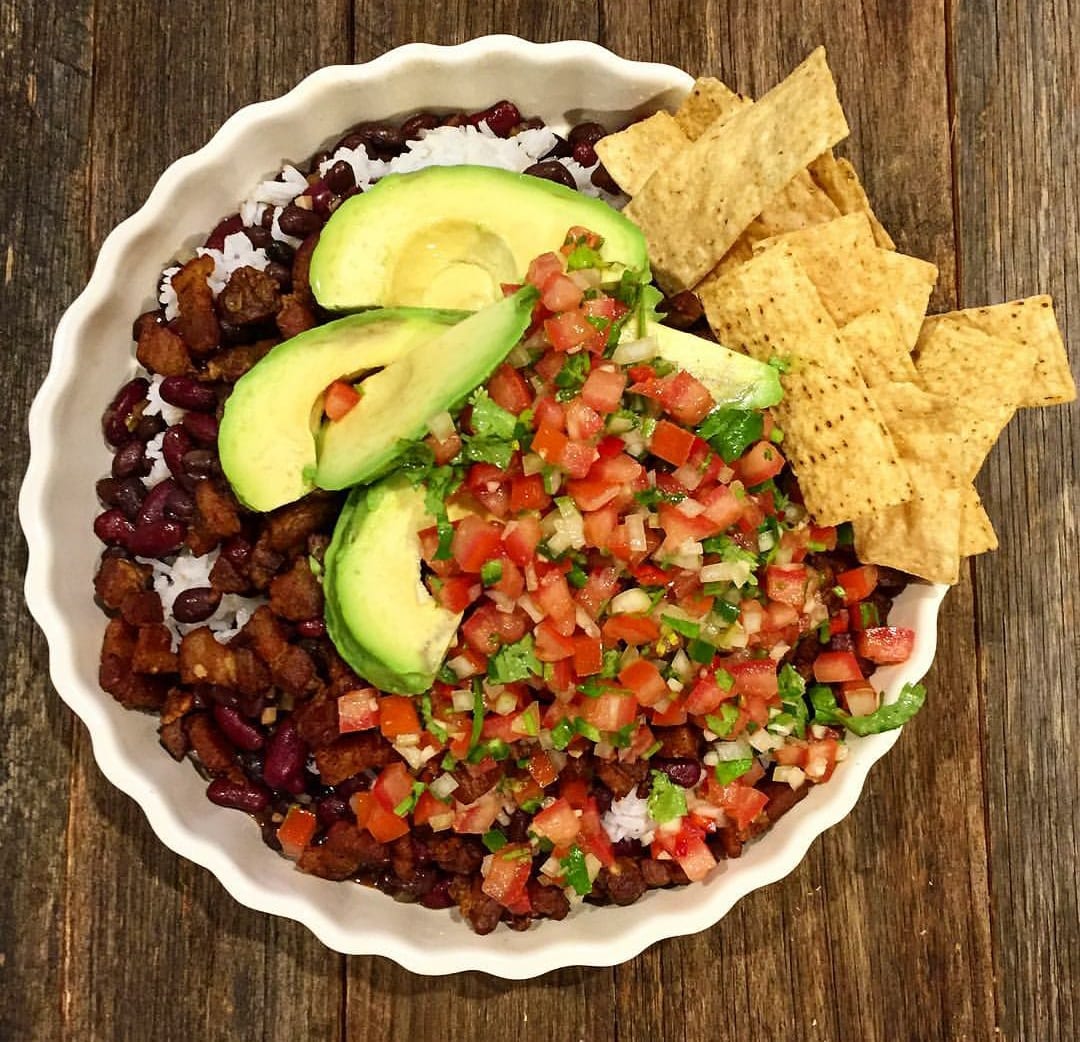
- Chifrijo — a bar snack layering rice, beans, fried pork and fresh
tomato salsa, usually eaten with tortilla chips.
- Rondón — a coconut milk seafood stew from the Caribbean coast around
Limón, reflecting the region's Afro-Caribbean cooking.
- Olla de carne — a hearty beef and vegetable soup, home cooking rather
than restaurant food.
- Ceviche costarricense — lime-marinated fish or shrimp, a Pacific coast
favourite.
Coffee and drinks
Costa Rican coffee, grown at high altitude, has an international reputation for quality, and many households still brew it the traditional way, through a cloth filter called a chorreador rather than a machine. Guaro, a clear sugarcane spirit, is the standard local liquor, and agua dulce, hot water dissolved with raw cane sugar, is an old-fashioned, simple hot drink still found in more traditional households.
Eating as a traveller
Vegetarians can rely on gallo pinto, casado's vegetable and bean options, and Costa Rica's excellent fresh fruit, though most main dishes include meat or fish by default. Tap water is safe throughout the country, a rarity worth noting in the region. Small local sodas are generally a better and cheaper way to eat than tourist-focused restaurants, and are where gallo pinto and casado are made the way locals actually expect them.
What to take from the table
Gallo pinto, with Salsa Lizano close at hand, is the dish and condiment combination that best sums up Costa Rican food — simple, consistent, and missed enough by anyone who leaves the country that it says something about how central it really is.