Culture & Customs · Cayman Islands
Cayman Islands: Sand Yards and Silver Thatch
A seafaring people with a strong Christian tradition, greetings that begin with "good morning" and a courteous Miss or Mr, and customs woven from the islands' own palm and white sand
By Worldlore Editorial · 30 September 2026
It is Christmas in a Caymanian yard, as it might have been a few generations ago. In the weeks before, the family has carried white sand up from the shore in baskets plaited from silver thatch palm, and now it is spread across the ground in front of the house, a tropical stand-in for the snow of Christmas cards. Neighbours come by singing carols, and a fiddle and a kitchen grater strike up while the sailors are home from the sea. Few yards are made this way now, but the scene holds much of what the Cayman Islands still value: family, church, neighbourliness, and a way of life built from what the islands and the sea provided.
Faith, identity and values
Religion runs deep in Caymanian life. At the 2021 census around 82 per cent of residents said they belonged to a religious denomination, and Caymanians were slightly more likely to do so than non-Caymanians. The islands have no single dominant church. The Church of God is the largest, followed by the Roman Catholic Church, the Seventh-day Adventists, non-denominational churches, Baptists, Pentecostals, the Presbyterian or United Church, and Anglicans. The mix also reflects migration: Catholics are far more common among the islands' many foreign residents than among Caymanians themselves, while the Church of God claims almost a quarter of Caymanians. Around one resident in six reported no religion.
What this means in practice is felt most on Sundays. The UK government's travel advice notes that religion and family are of significant cultural importance, and that many shops, banks and services close on Sundays. Sunday keeps a special, quieter status, and many families gather after church.
Caymanian identity is rooted in the sea. For generations the men of the islands built boats and served as mariners, crewing catboats and schooners for fishing and trade across the Caribbean, while at home the silver thatch palm supplied rope, baskets and roofing. The values often associated with that life are politeness, modesty and a strong sense of family. The language is English, a British form of it spoken with a distinctive Caymanian dialect.
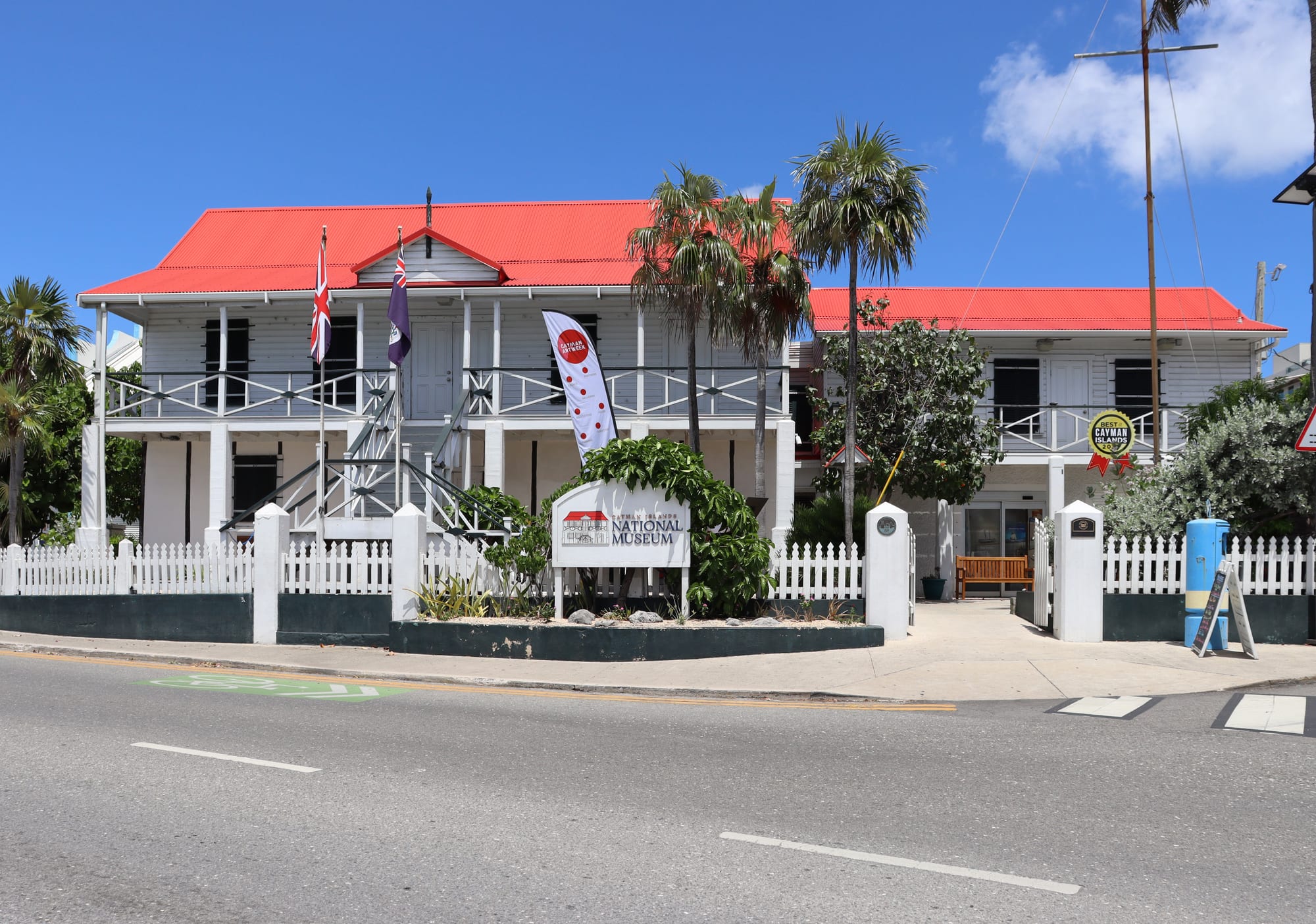
That heritage is guarded with some care, not least because so many of today's residents have arrived from abroad. The National Museum exists, in the government's words, so that future generations can experience the islands' natural and cultural heritage, and the National Trust works to protect historic buildings and natural sites. The national symbols are three emblems from the islands' own nature: the Cayman parrot, the wild banana orchid and the silver thatch palm. The tourism board's own word for the local character, "Caymankind", presents the islands as a melting pot of cultures, a fair description of a place where people from many countries now live and work alongside Caymanians.
Greetings and meeting people
Good manners in the Cayman Islands start with a greeting. Conversations, and requests of any kind, are opened with "good morning", "good afternoon" or "good evening", before anything else is said. A handshake is the standard greeting on meeting someone.
Forms of address combine warmth and respect. Caymanians are commonly called by their first name with a title in front of it: Miss Annie, Mr Charles. This is partly practical, since old family names such as Ebanks and Bodden are widely shared, and partly a matter of courtesy, particularly towards anyone older. An older person whose name is not known is addressed as "sir" or "ma'am".
The general tone is courteous and unhurried rather than effusive. Politeness and modesty count for a great deal, and visitors are generally left in peace rather than pressed to buy. A little of the same restraint is appreciated in return.
Hospitality and being a guest
Much Caymanian social life happens at home and among family, and the week still bends around Sunday. It is a day for church, for family meals and for visiting, and the closure of many shops, banks and services is a reminder to visitors to plan ahead rather than a mere inconvenience.
Modesty in dress is part of being a considerate guest. Casual clothes are perfectly acceptable, but wearing swimwear away from the beach is frowned on, and topless or nude sunbathing is not permitted. Public displays of affection are best kept low-key; the UK travel advice notes that same-sex civil partnerships became legal in 2020 but that local attitudes can be conservative, and some people may disapprove of couples showing affection in public.
Religious holidays shape hospitality too. Good Friday is kept as a solemn public holiday, while over Easter many families gather for picnics and beach camping. At Christmas the old custom of going from house to house was a form of hospitality in itself, and presents were traditionally few and practical, the season being more about families reuniting than about gifts.
Festivals and life's big moments
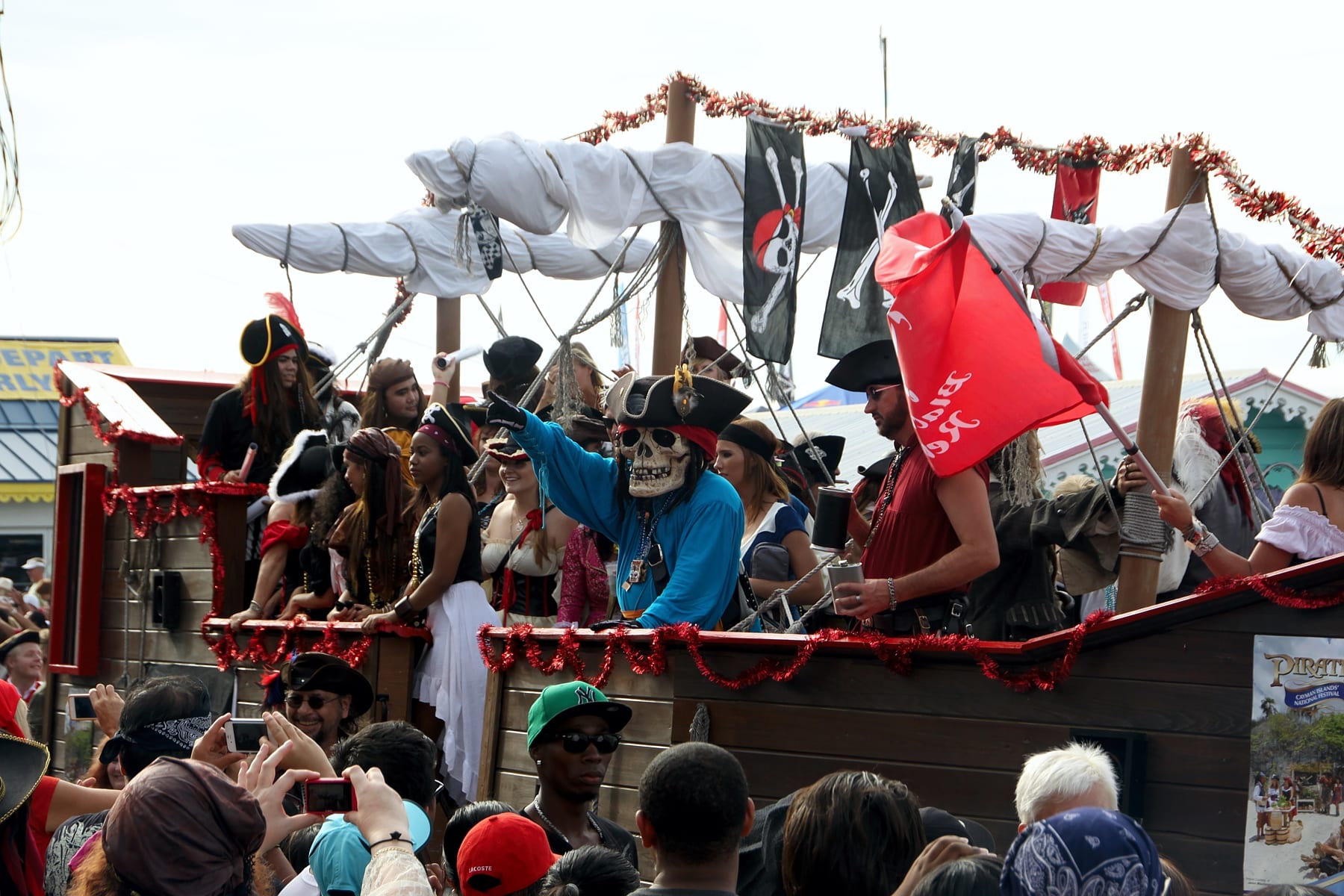
The biggest celebration of the year is Pirates Week, held each November. It began in 1977 as a tourism event for the slow season, playing on the islands' past as a haven for Caribbean buccaneers, and has grown into a popular national tradition. Its headline event is a mock invasion of George Town, in which "pirates" sail into Hog Sty Bay and come ashore, and the festival also brings parades, music, games and fireworks. In some years district heritage days are held alongside the costumed revelry.
In May comes Batabano, the national carnival, a road parade of costumed masquerade bands through George Town, with a junior parade for children. The public holiday calendar mixes the Christian year with national history: Ash Wednesday, when the Agricultural Show brings livestock, local produce and handmade crafts together; National Heroes Day in January; Emancipation Day in May, marking the abolition of slavery; Constitution Day in July; and Remembrance Day in November.
Christmas has the richest store of traditional custom. Traditionally, families prepared the sand yard described above, and groups went from house to house in their district serenading, singing carols on Christmas Eve and playing instruments. Dances at home were part of a season that, in the seafaring years, was a time when the sailors were home.
Of the older customs surrounding life's milestones, music and dancing at home were a common part of weddings and family celebrations, as they were at Christmas.
Arts, crafts and music
Traditional Caymanian music is home-made music. The fiddle is the best-loved folk instrument, and bands played on whatever came to hand: fiddles, accordions, mouth organs, drums and the humble kitchen grater, scraped for rhythm. The Cayman National Cultural Foundation, founded in 1984, works to preserve and promote this folk music.
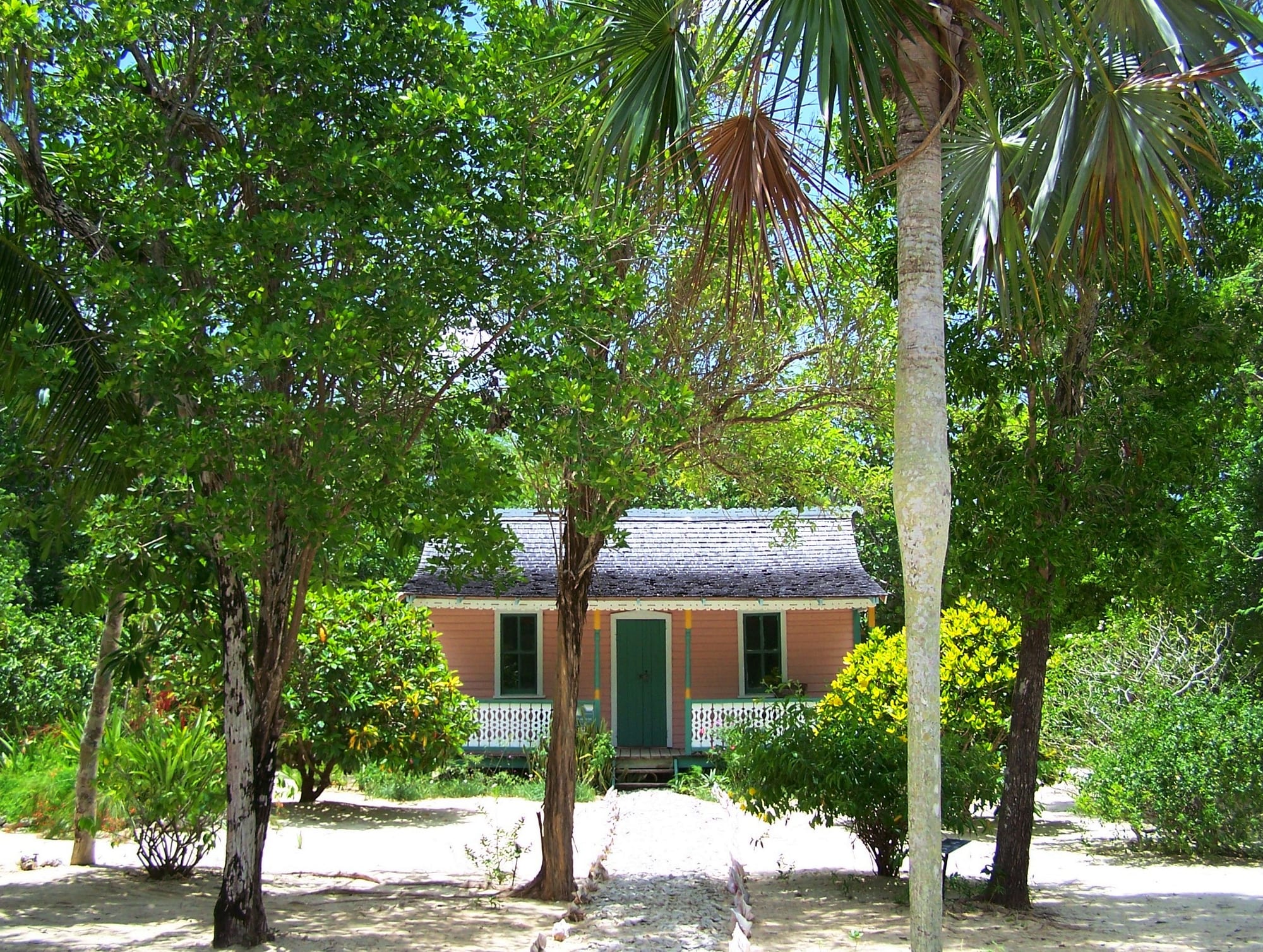
The islands' most characteristic craft comes from the silver thatch palm. Strands braided from its leaves made rope, and the same leaves were plaited into baskets and used in building. Early Caymanian buildings were made from local timber and palm, and the few surviving traditional cottages are a reminder of how those homes were made. The sea supplied the other great skill: Caymanians became accomplished shipbuilders, and the catboat, a small sailing boat once used for fishing, is still celebrated in races.
Today the foundation supports the visual, performing and literary arts and runs the Harquail Theatre. It organises Cayfest, the national festival of the arts, and Gimistory, an international storytelling festival. The National Gallery, founded in 1996, exhibits Caymanian art, and entry to its main collection is free.
Dos and don'ts for visitors
- Do open every conversation or request with "good morning", "good afternoon" or "good evening".
- Do address older Caymanians as Miss or Mr with their first name, or as "sir" or "ma'am" if the name is not known.
- Do cover up away from the beach; swimwear in town and in shops is frowned on.
- Do plan ahead for Sundays, when many shops, banks and services close and the day is kept for church and family.
- Do look out for local heritage events in the districts, which show how Caymanian communities celebrate their own traditions.
- Don't sunbathe topless or nude.
- Don't carry drugs of any kind; penalties are harsh and can include long prison sentences.
- Don't make overt public displays of affection; local attitudes can be conservative.
What to take away
Beneath the finance and the beach resorts, the Cayman Islands keep a seafaring people's courtesy, and a visitor who says good morning, dresses modestly off the beach and respects the quiet of Sunday will find it readily returned.