Daily Life · Cayman Islands
Cayman Islands: Outnumbered at Home
A financial capital where expatriate workers now outnumber Caymanians in the workforce, no income tax anywhere on the islands, and a Sunday still largely kept for church
By Worldlore Editorial · 30 September 2026
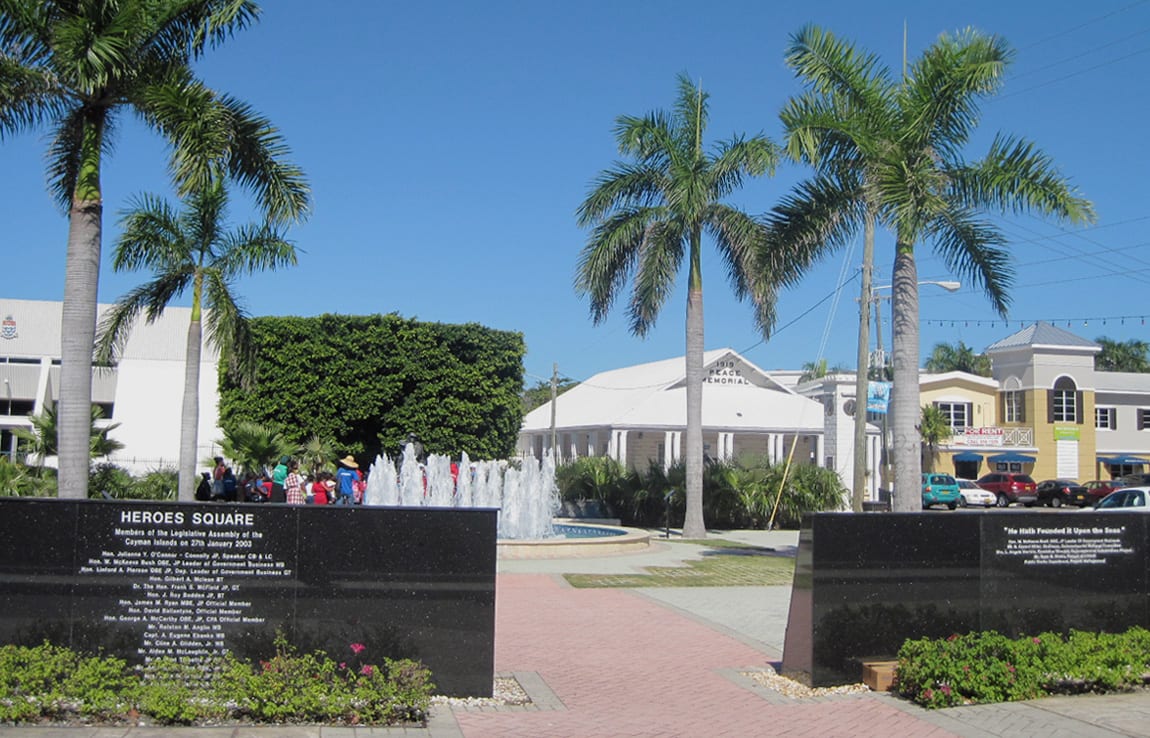
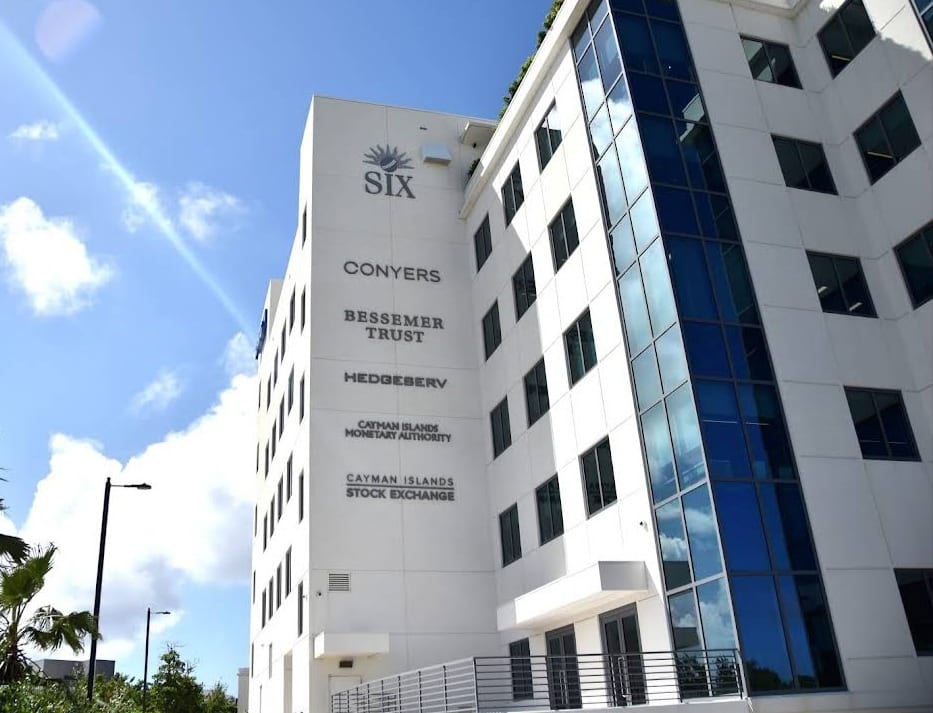
The Cayman Islands run on two industries that shape almost everything about an ordinary day: offshore finance, headquartered in George Town's cluster of bank and fund-management towers, and tourism, centred on Seven Mile Beach. Neither could function without an enormous foreign workforce: non-Caymanians now outnumber status-holding Caymanians on the islands overall, and make up more than half of the workforce, with residents drawn from more than 140 countries and territories.
Family and home life
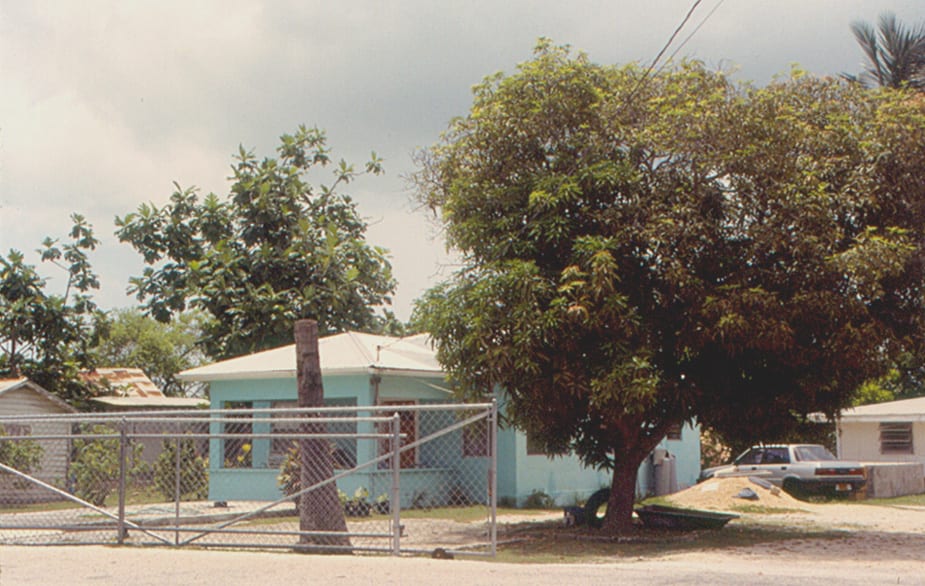
Caymanian households value close extended-family ties, and detached family houses are common for both Caymanian and expatriate residents, reflecting the relatively low population density outside George Town. Because such a large share of the population arrived from elsewhere, often on time-limited work permits, many households are recently formed rather than multi-generational, and it is common for children to grow up with friends whose families come from a dozen different countries.
Work, school and the rhythm of the day
There is no income tax, corporate tax or capital gains tax anywhere in the Cayman Islands, funded instead by import duties and licensing fees, which is a large part of why the offshore financial sector has grown as large as it has. The standard working week is built around office hours similar to those elsewhere, and commutes are short by the standards of large cities, though rush-hour traffic into George Town from the eastern districts can be slow. Schools follow a British-influenced curriculum, and both public and a substantial number of private schools serve the islands' mixed Caymanian and expatriate population.
Community life and public spaces
Churches remain a significant part of community life, and Sunday still functions as a genuine day of rest for many households, with regular services, Sunday school and evening worship all part of a normal week for churchgoing families. Seven Mile Beach, despite its resorts, is a real public space that Caymanians use as much as visitors do, for evening walks, swimming and weekend gatherings. Civic and volunteer organisations, alongside schools, are often cited as the easiest way newcomers actually integrate into island life.
Free time and weekends
Swimming, boating and diving fill much of the islands' free time, helped by warm, clear water year-round. Easter and other Christian holidays are marked with public holidays and family gatherings, including beach picnics and camping that turn a long weekend into a genuine community event.
A visitor's ordinary day
The Cayman Islands dollar is pegged to the US dollar, and US dollars are widely accepted alongside it; cards are widely accepted. Grand Cayman has a small public bus network of about seven routes, but a rental car or taxi is the practical way to get around outside central George Town. Expect prices for groceries and everyday goods to run noticeably higher than in the US or UK, since nearly everything is imported.
What to take away
What defines an ordinary day in the Cayman Islands is less any single Caymanian tradition than how much of daily life, in the workplace, at school, at church, is now genuinely shared between a small local population and the much larger international one that keeps the islands' economy running.