History · Cayman Islands
Cayman Islands: From Turtles to Trusts
Uninhabited islands that pirates and turtle-hunters found, a quiet British backwater of sailors for two centuries, and one of the world's largest offshore financial centres
By Worldlore Editorial · 19 September 2026
Three small islands, one large industry
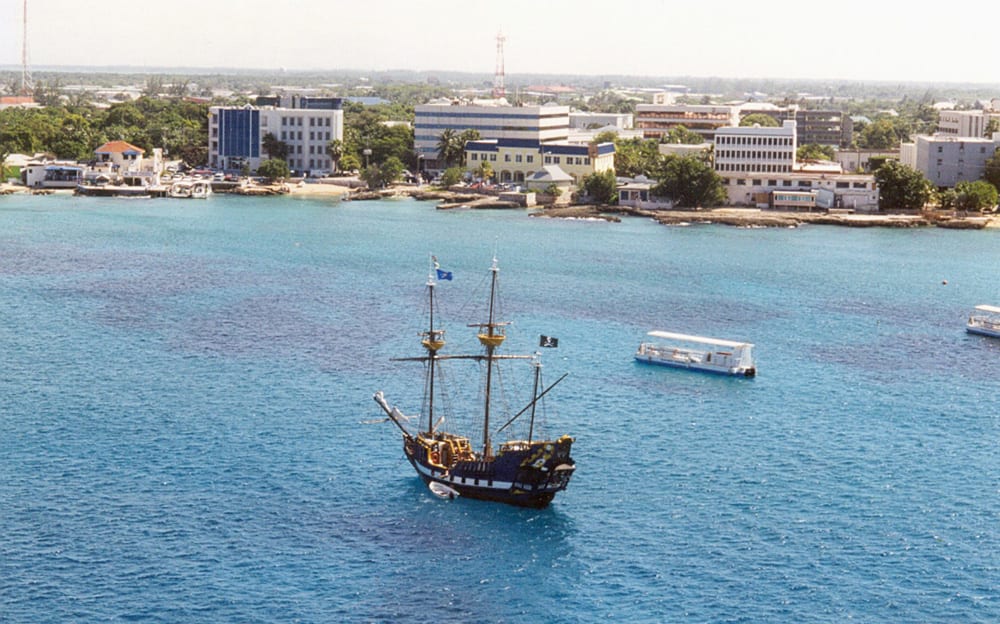
The Cayman Islands are three low coral islands in the western Caribbean, south of Cuba — about 264 square kilometres of land and around 80,000 people, more than half of them born somewhere else. They are a British Overseas Territory with no income tax, no capital gains tax and no corporation tax, and they are, by several measures, one of the largest financial centres on earth: the leading home for hedge funds, a major banking and insurance hub, and the registered address of far more companies than there are Caymanians. That industry is barely 60 years old. For the two and a half centuries before it, the islands lived off the sea.
A short history
- 1503
Sighted
Columbus names the smaller islands "Las Tortugas" for their sea turtles.
- 1670
Ceded to Britain
Spain hands the Caymans, with Jamaica, to Britain.
- early 1700s
Settlement
Settlers arrive from Jamaica — ex-privateers, sailors, and enslaved Africans.
- 18th–20th c.
Turtles and ships
The economy runs on turtling, shipbuilding and merchant seafaring.
- 1835
Emancipation
Around 950 enslaved people are freed; there is no plantation economy to speak of.
- 1962
Staying British
When Jamaica becomes independent, the Caymans choose to remain a British dependency.
- 1960s onward
Offshore finance
Tax-neutral banking and company law build a global financial centre.
The islands that ships stopped at
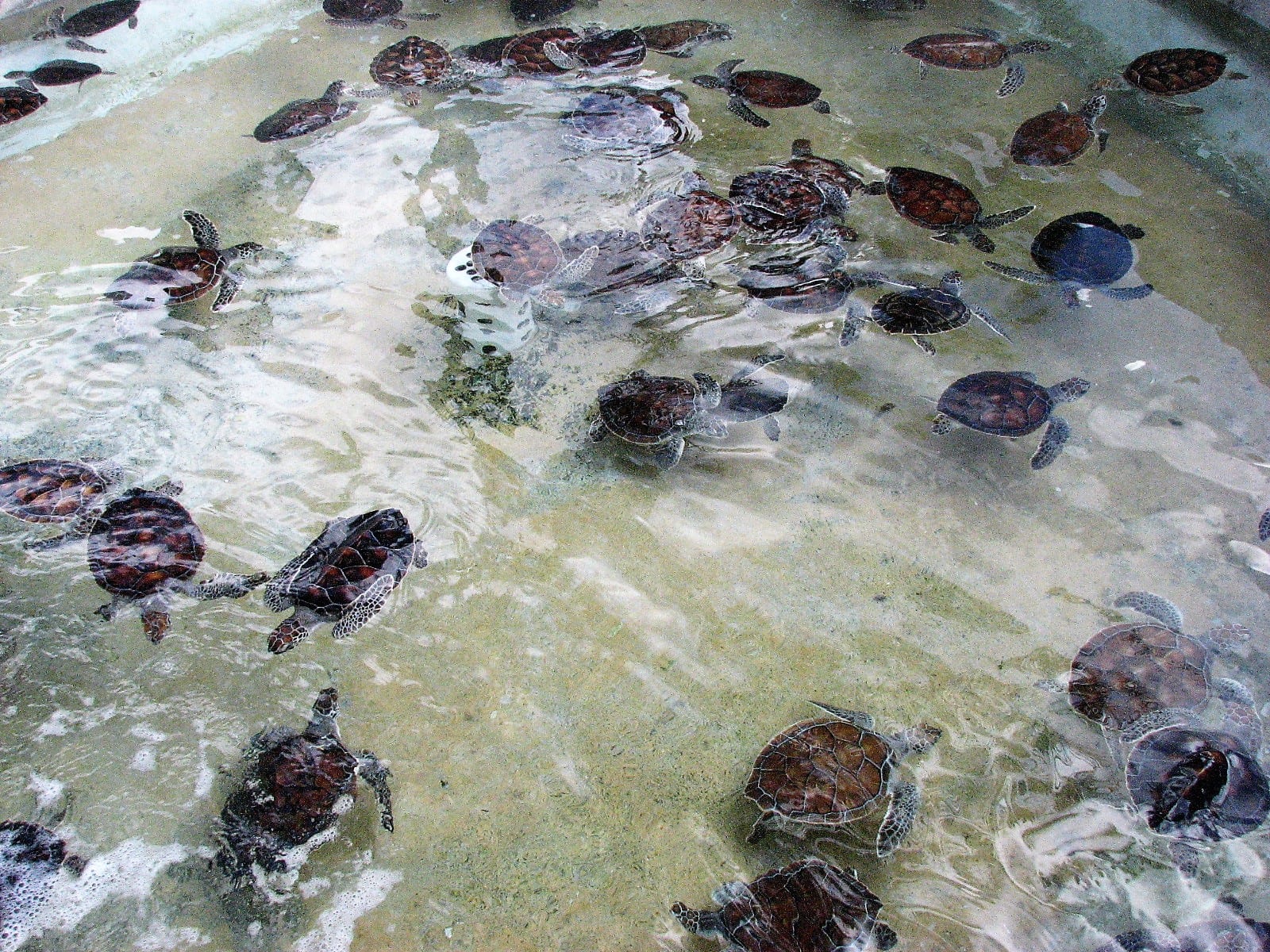
No one lived on the Cayman Islands before Europeans. Columbus sighted the two smaller islands in 1503 and named them for the turtles swarming their waters; the name "Cayman" comes from a word for a marine crocodile. For a century and a half the islands were simply a place ships called at to catch green turtles for fresh meat on long voyages — passing merchantmen, and a good many pirates and privateers. Spain formally ceded the islands to Britain in 1670, and permanent settlement began in the early 18th century, from Jamaica: a mix of former privateers, shipwrecked and deserting sailors, small planters, and the enslaved Africans they brought with them. The islands were governed as a dependency of Jamaica.
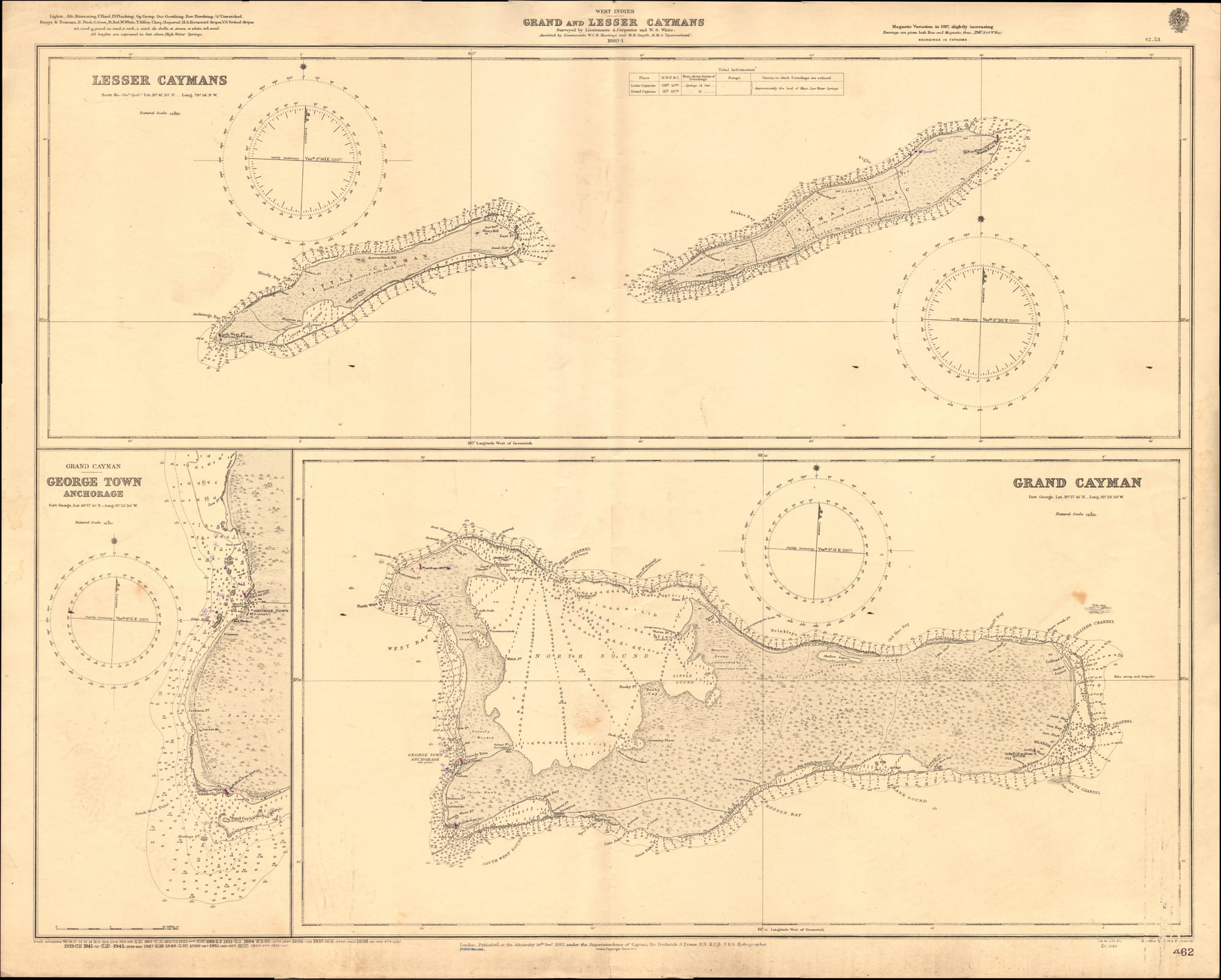
There was no sugar boom here — the soil was poor and the islands small — so Caymanian society was never a plantation society. When slavery was abolished in 1835, only about 950 people were freed.
A nation of seafarers
For roughly two centuries the Caymans lived by the sea. Caymanian schooners sailed as far as the Miskito Cays off Nicaragua to hunt green turtles, supplying turtle meat and turtle soup to Jamaica, Cuba, Britain and the United States until the stocks collapsed. The islands built ships, made rope from thatch palm, and fished. Above all, Caymanian men went to sea on other people's ships: from the late 19th century into the 1960s a huge share of the male population worked in the world's merchant fleets, and the money they sent home was the islands' main income. Grand Cayman had no electricity grid, telephones or paved roads until the 1950s.
When Jamaica moved to independence in 1962, the Cayman Islands faced a choice, and made the one that shaped everything after: they broke their link with Jamaica and stayed a British dependency.
From backwater to financial centre
Having chosen Britain and stability, the Caymans set out in the 1960s to sell exactly that. With English common law, political calm, and no direct taxes, the islands passed banking, trust and company legislation, added strong confidentiality laws in 1976, and marketed themselves to international capital. The growth was extraordinary. Within a few decades the Cayman Islands had become one of the world's leading offshore financial centres — the top domicile for investment funds, a major centre for banking and captive insurance, and the legal home of hundreds of thousands of companies.
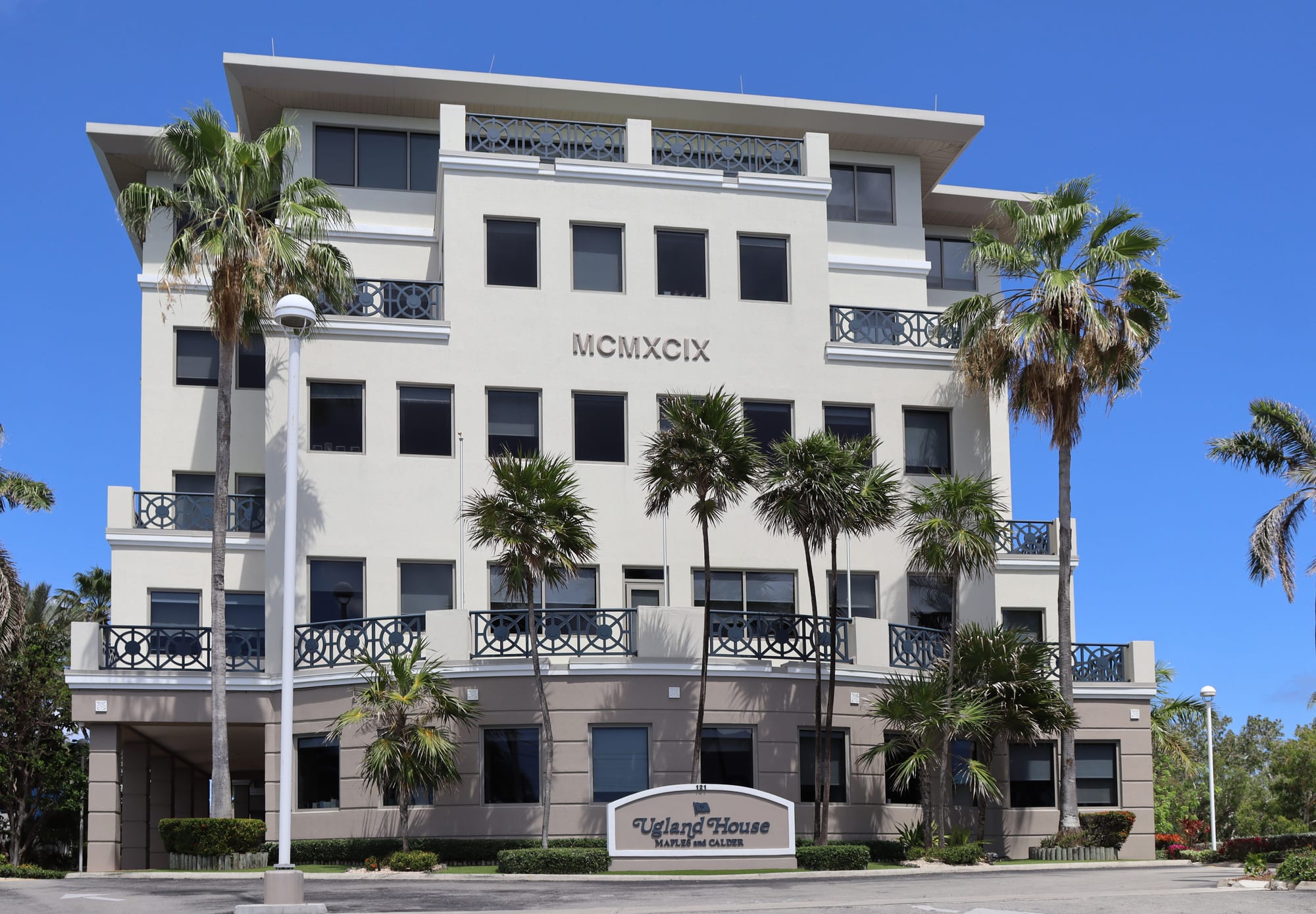
Finance, together with upmarket tourism and scuba diving, turned a poor society of sailors into one of the highest-income places in the world, and drew a large foreign workforce — bankers and lawyers at one end, service workers from Jamaica and the Philippines at the other. It also made "Cayman" shorthand for tax avoidance, and the islands have spent years under pressure from the OECD, the European Union and the United States over financial transparency, gradually opening their company registers in response.
What the Cayman Islands keep
The Cayman Islands' history turns on two decisions to stay attached: the turtle hunters and sea captains who kept the islands a quiet corner of the British Caribbean, and the 1962 choice not to follow Jamaica out of the empire. From that second choice the islands built a modern economy out of an intangible asset — legal certainty and the absence of tax — and became, improbably, one of the pivots of global finance while keeping a population smaller than a mid-sized town.