Attractions & Natural Wonders · Cayman Islands
The Cayman Islands: Eight Attractions and Natural Wonders
A sandbar where you stand waist-deep among stingrays, one of the finest beaches in the Caribbean, a rescued population of blue iguanas, and a wall that drops into the abyss
By Worldlore Editorial · 19 September 2026
A finance hub with a serious reef
The Cayman Islands are three low, flat coral islands south of Cuba — a British Overseas Territory best known offshore for banking, and on the ground for some of the clearest water and best diving in the Caribbean. Grand Cayman has the beach, the capital, and most of the people; Cayman Brac and Little Cayman, the "Sister Islands" 130 kilometres to the northeast, are quiet outposts with world-class dive walls.
The eight below are mostly on Grand Cayman, with the last covering the Sisters. It is a dry-season destination; hurricane season runs June to November, and Ivan (2004) hit the islands hard.
1. Seven Mile Beach
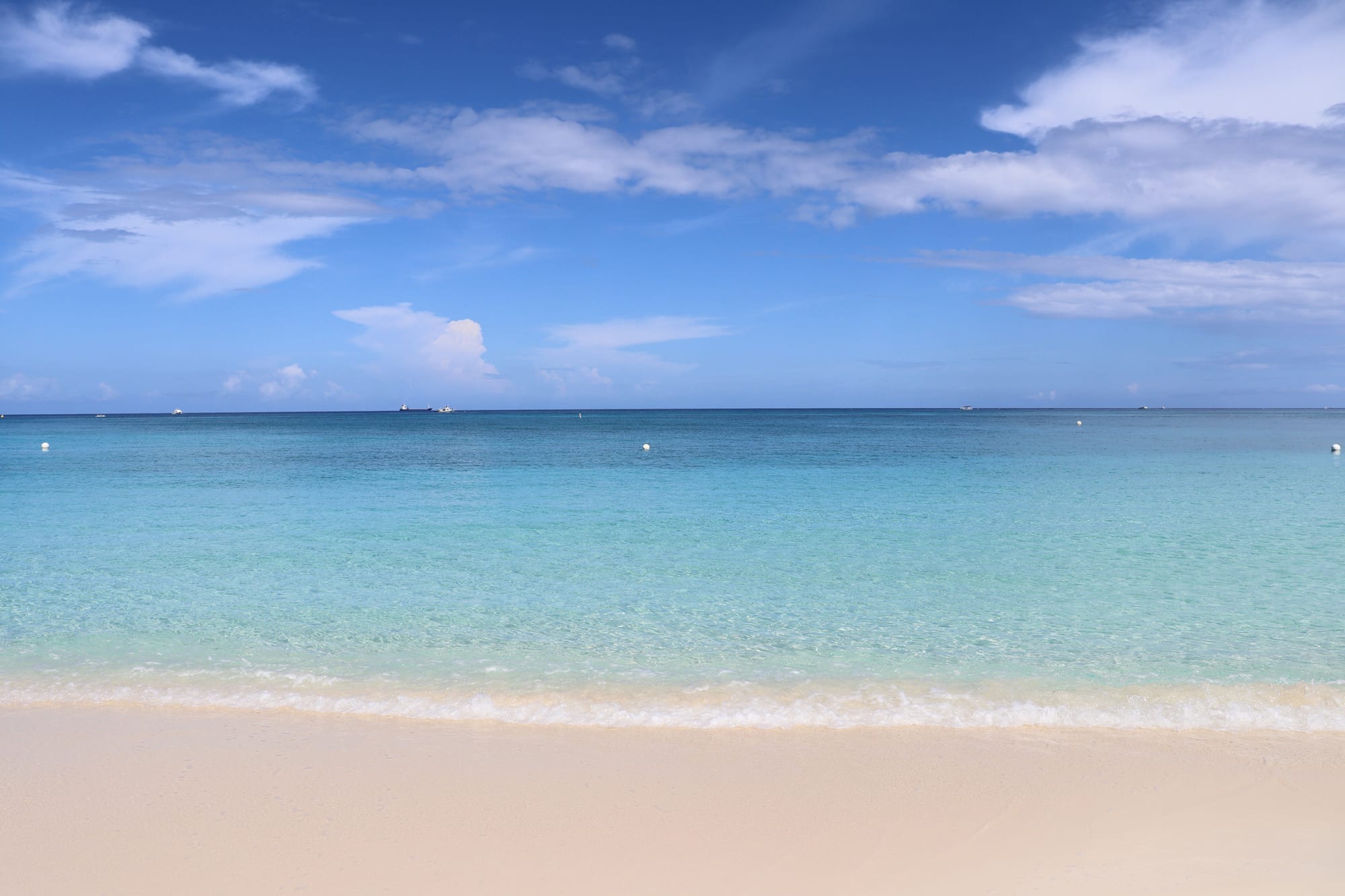
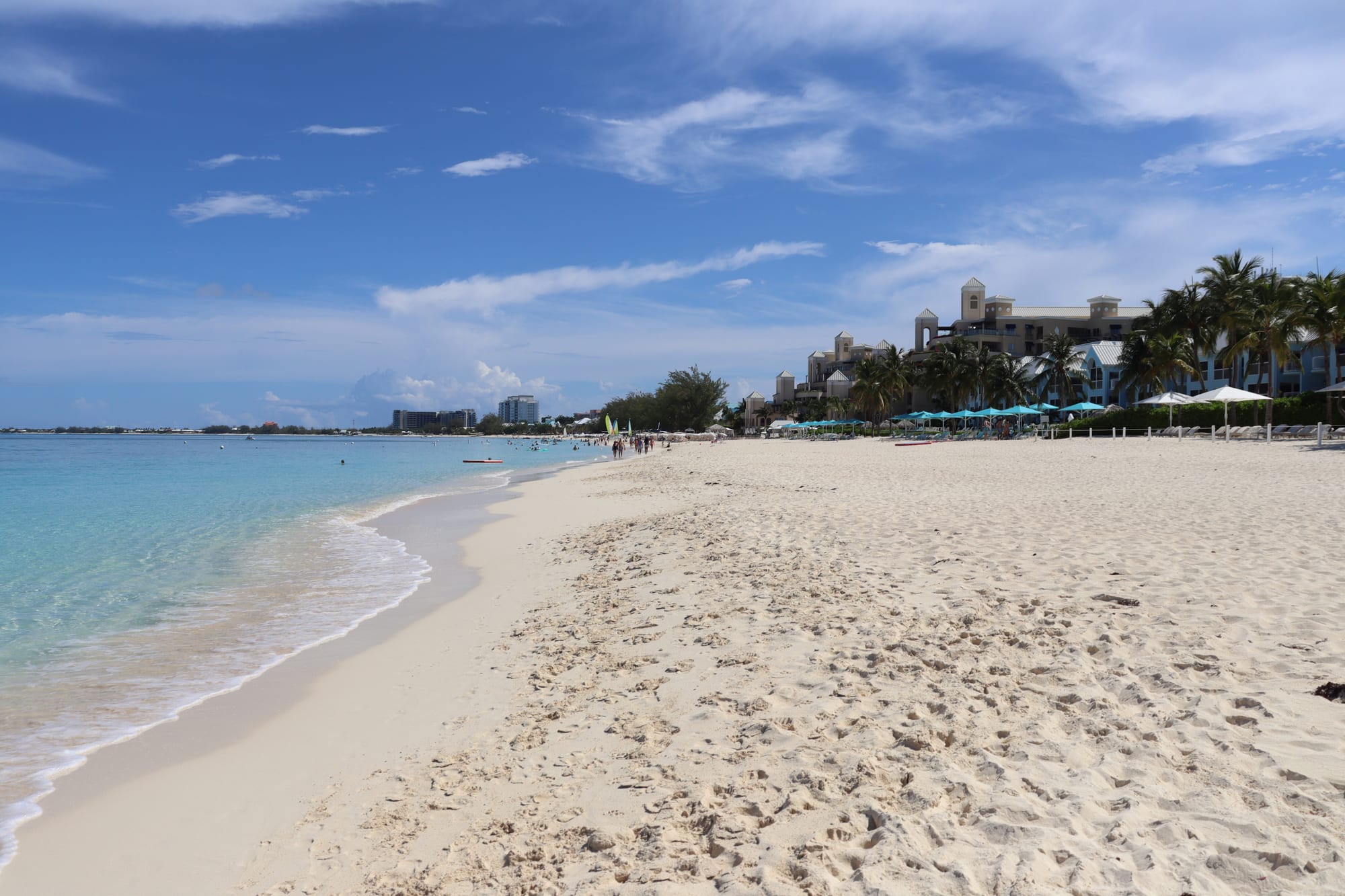
Seven Mile Beach runs up the western side of Grand Cayman, a continuous ribbon of soft coral sand and calm, gently shelving water. The entire beach is public to the high-water mark, so even in front of the big resorts you can walk the whole length. Snorkelling is decent at the northern end around Cemetery Reef and the sunken barge.
It is the island's centre of gravity — hotels, condos, bars, dive shops, and the sunset crowd — but it rarely feels crowded because it is so long.
2. Stingray City
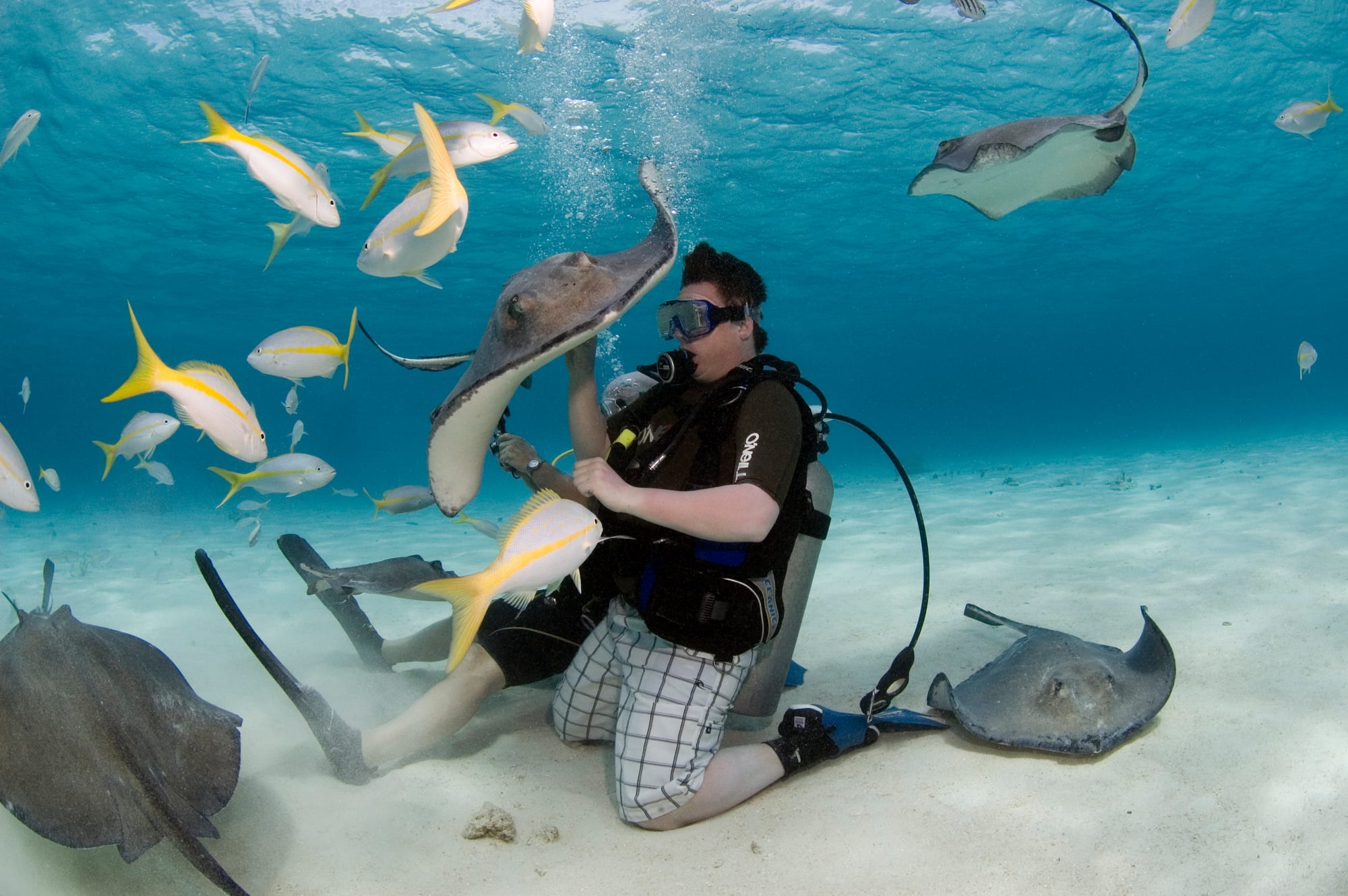
For generations, fishermen cleaned their catch on a sheltered sandbar in the North Sound, and southern stingrays learned to come for the scraps. Today the same spot is the island's signature excursion: boats anchor over the waist-deep bar and visitors stand among dozens of habituated rays, feeding and touching them under guide supervision.
It is busy — go on an early or late trip — and there is ongoing debate about the impact of the feeding, so choose an operator with good animal-welfare practices.
3. The Botanic Park and the blue iguanas
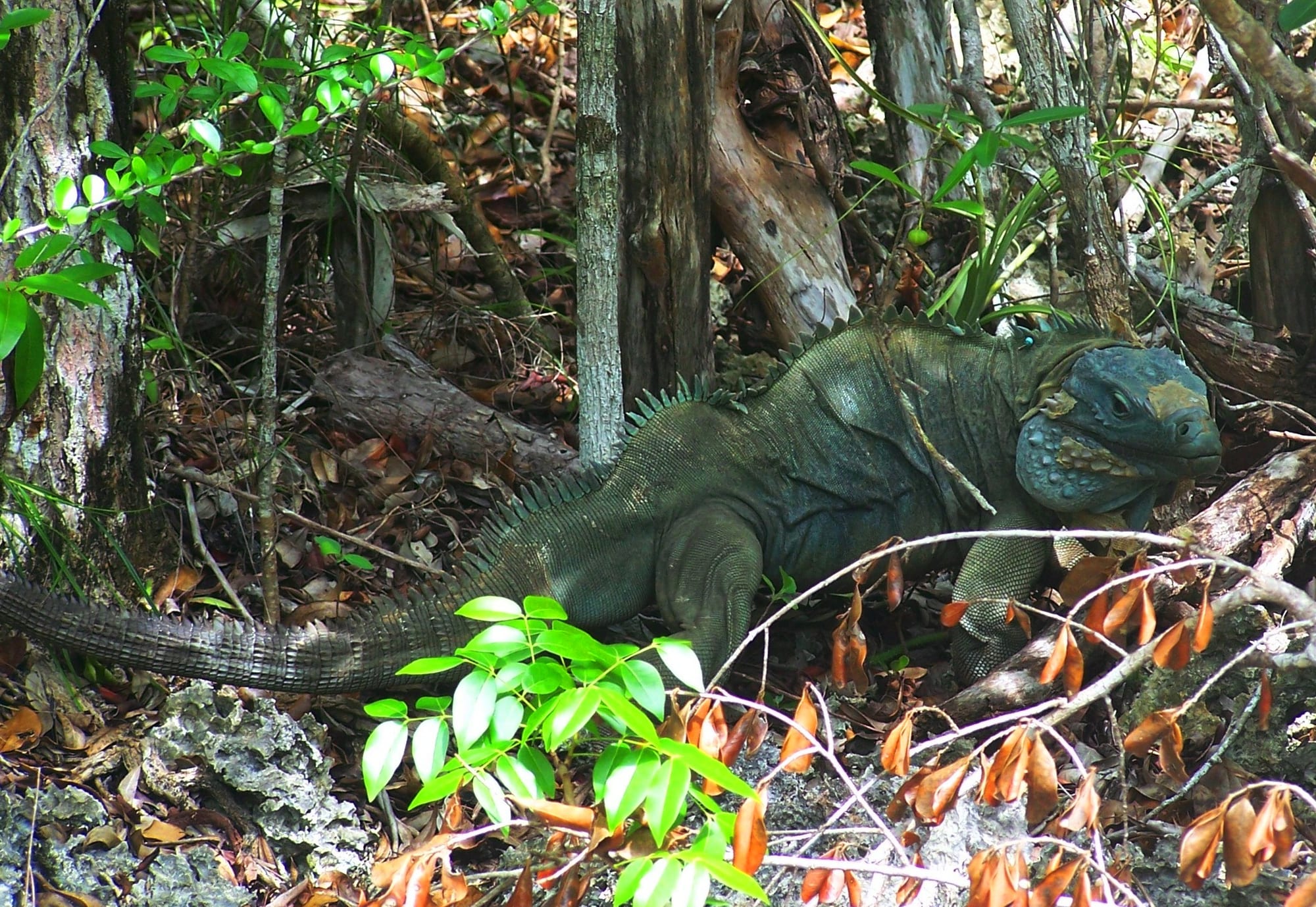
On the eastern side of Grand Cayman, this botanic park has themed gardens, a woodland trail, and a lake with waterbirds — but its real story is the blue iguana. Endemic to the island and down to a few dozen animals by 2002, the species has been rebuilt to over a thousand through a breeding programme based here; you can take a morning tour of the enclosures and see them free-ranging in the park.
It pairs with Pedro St James and the eastern districts, away from the resort strip.
4. Rum Point and the North Side

Rum Point, on a sandy spit at the northern edge of the island, is the laid-back counterweight to Seven Mile Beach: hammocks slung between casuarina trees, calm shallow water, a beach bar (the "mudslide" cocktail was reputedly invented here), and easy snorkelling. A passenger ferry crosses the North Sound from the resort strip.
Nearby, at Starfish Point, dozens of large red cushion sea stars sit in the shallows — to be looked at, not lifted out of the water.
5. Hell
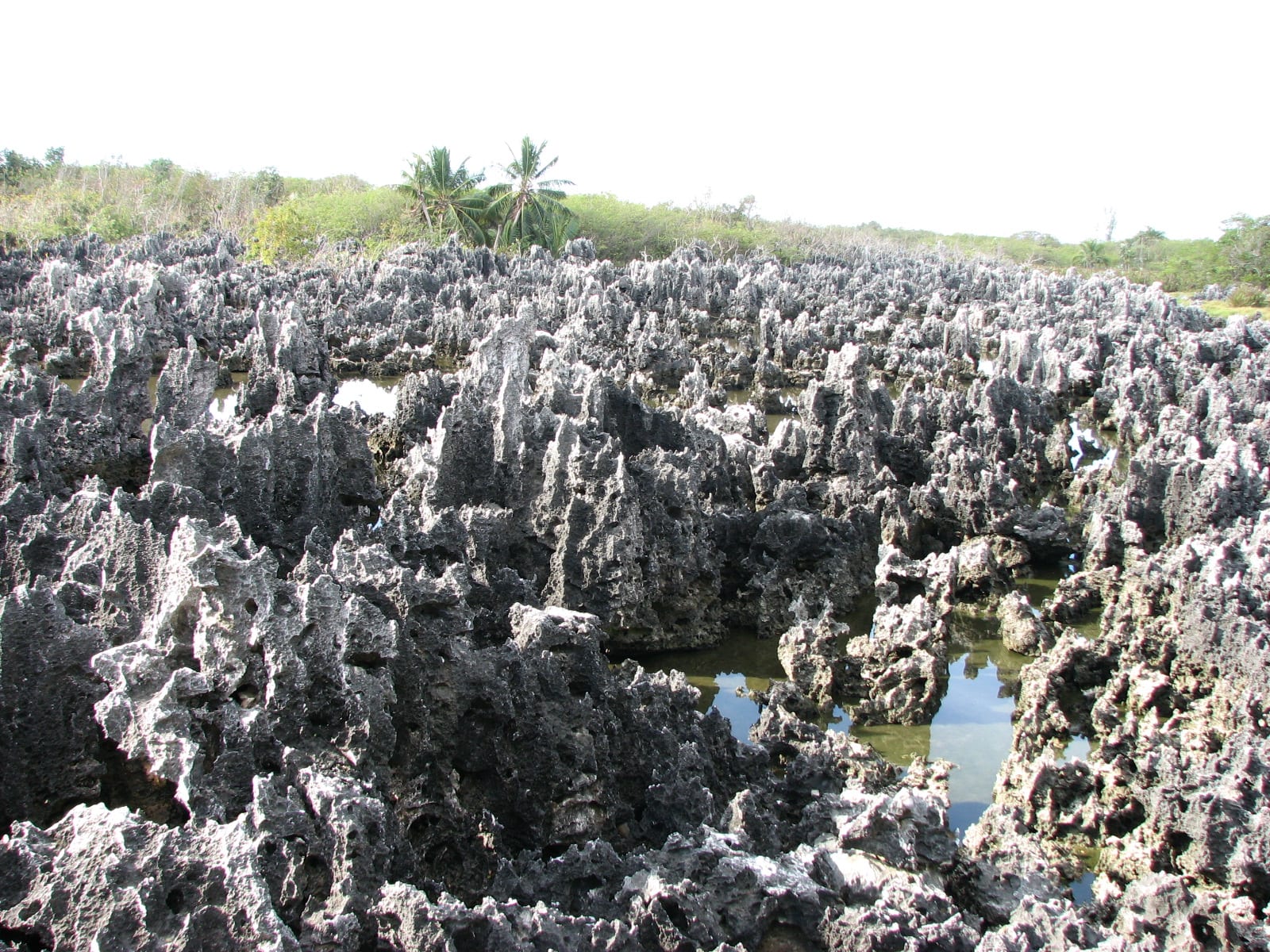
In West Bay stands a small formation of black, spiky ironshore limestone — "phytokarst", eroded and blackened by algae — that someone long ago dubbed "Hell". The name stuck, and the site is now a tiny tourist stop: a viewing platform over the rocks, a gift shop, and a post office that will stamp your postcards "from Hell". A man in a devil costume is often on hand.
It takes ten minutes and is pure kitsch, usually combined with the nearby turtle farm and the Cayman Crystal Caves.
6. Pedro St James
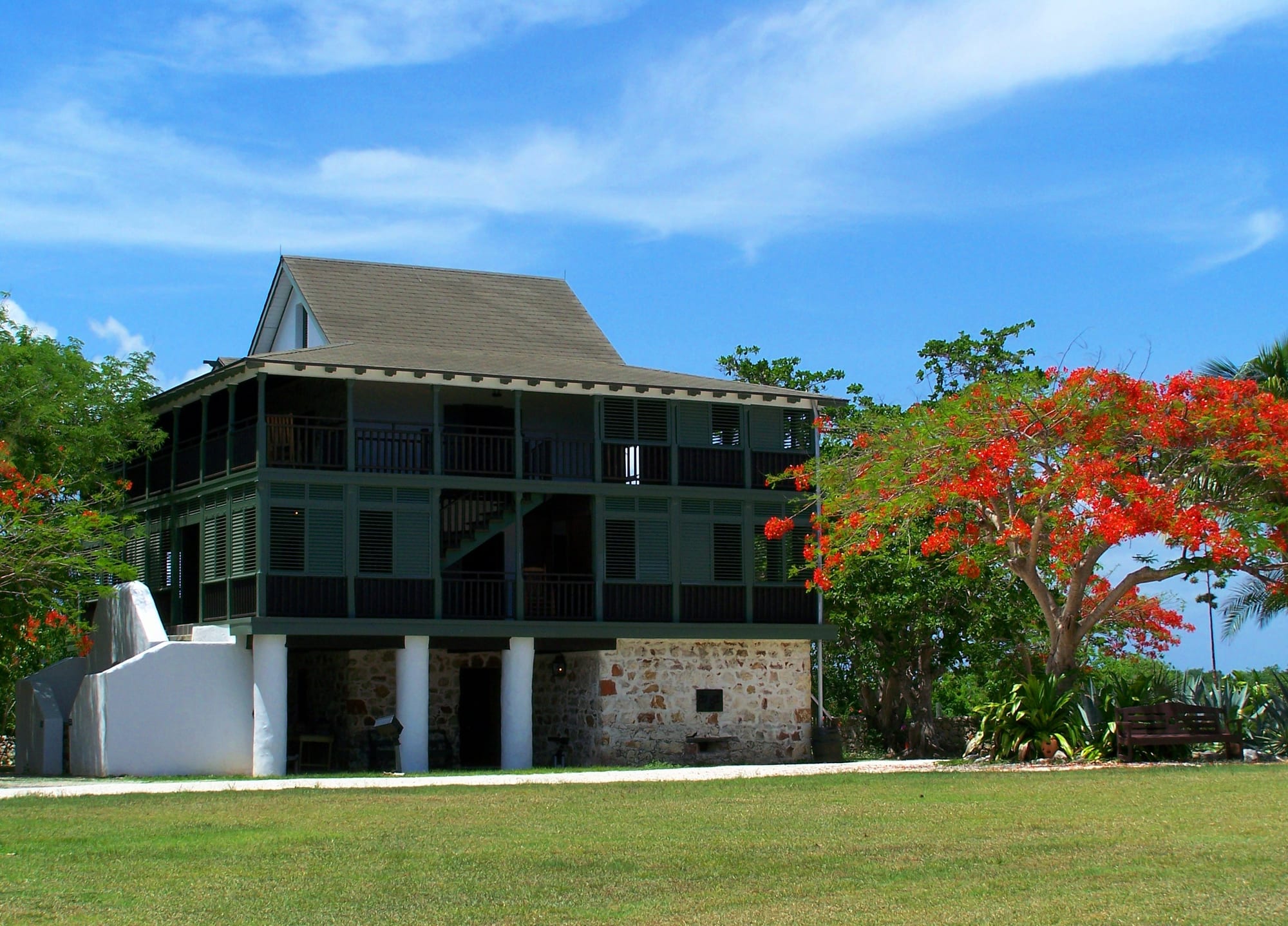
This three-storey stone house on the south coast, built by an enslaved workforce around 1780, is the islands' oldest surviving structure and known locally as "the Castle". It was here in 1831 that a meeting decided to form the first elected assembly, and in 1835 that the proclamation ending slavery in the Caymans was read out — which makes it the island's main heritage site.
It has been restored and furnished to its early-19th-century state, with a multimedia show and clifftop grounds.
7. George Town
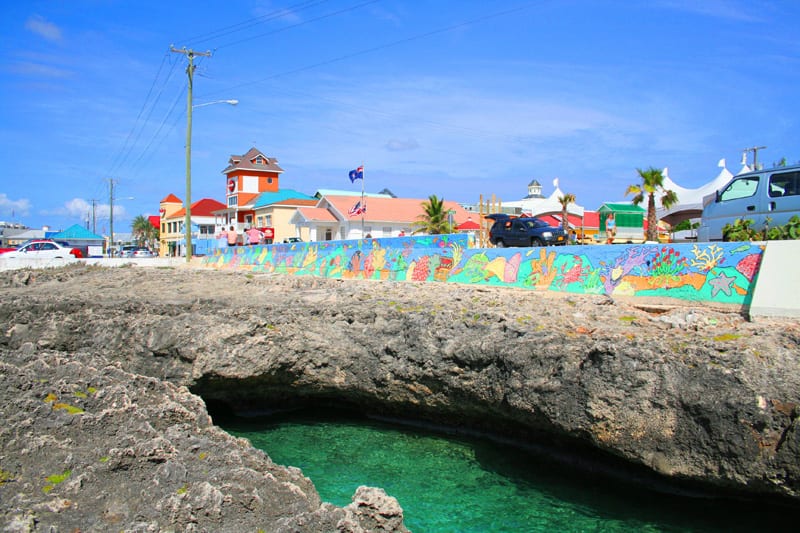
George Town is a compact, tidy capital that fills up when the cruise ships tender in (there is no pier). Its sights are low-key: the National Museum in the old courthouse and jail, the small National Gallery, a few colonial-era buildings, and duty-free shops. Just off the harbour, two shipwrecks — the Cali and the Balboa — lie in shallow water for snorkellers and divers.
The town beach at Smith Cove, just south, is a quieter alternative to Seven Mile.
8. Cayman Brac and Little Cayman
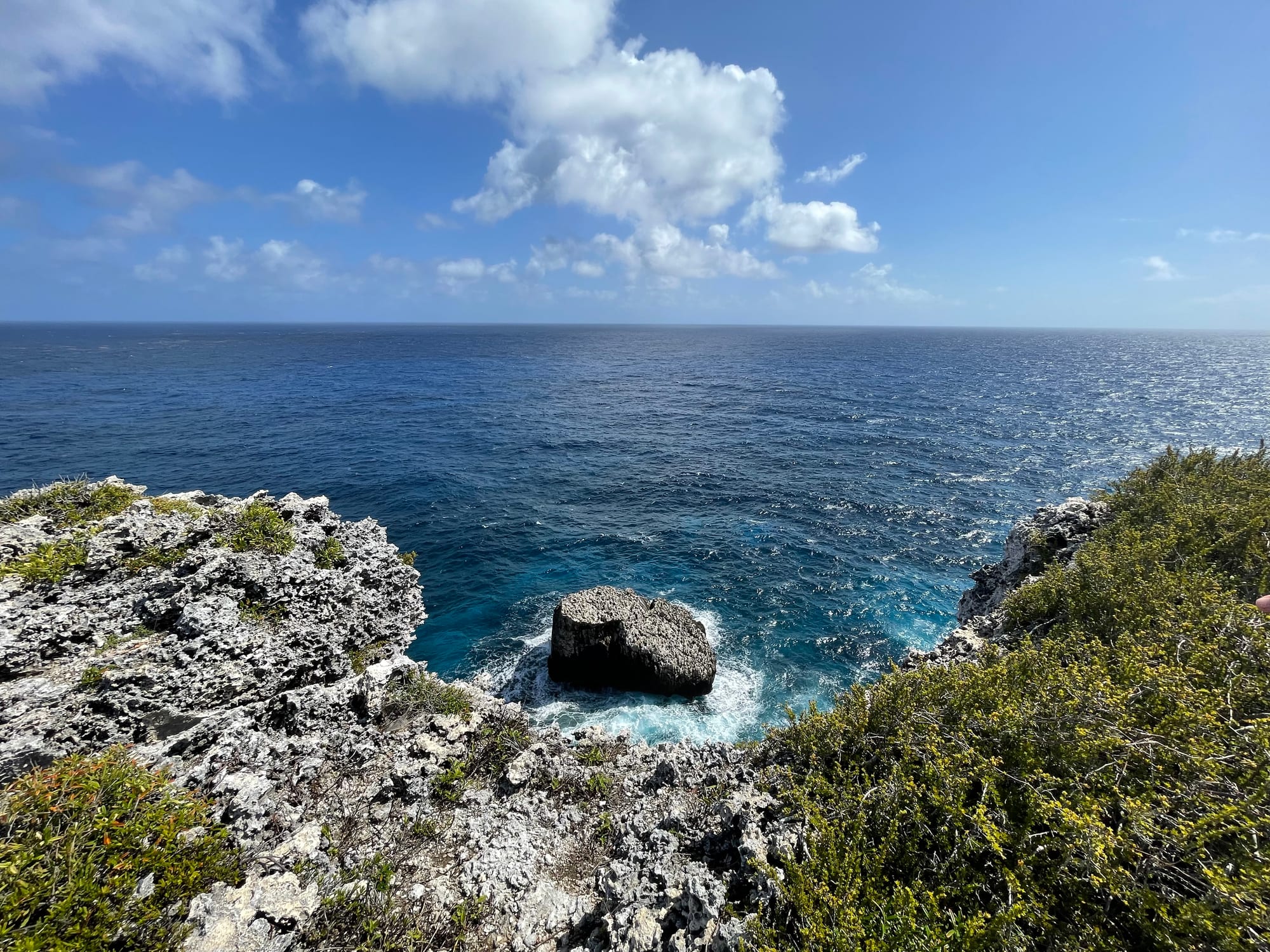
The Sister Islands are the quiet Caymans. Cayman Brac is defined by "the Bluff", a limestone ridge rising to 43 metres at the island's eastern end, riddled with caves and edged by good climbing and birdwatching. Little Cayman, with around 150 residents, is even sleepier — a place of iguanas on the road and a huge red-footed booby colony at Booby Pond.
Both exist mostly for divers: Bloody Bay Wall off Little Cayman, where the reef drops from about six metres almost vertically into the deep, is regularly rated one of the best wall dives in the world.
The Cayman Islands are an easy, comfortable trip — a week on Grand Cayman for the beach, the stingrays, and the eastern districts, with a few days on Little Cayman or Cayman Brac if diving is the point.