Daily Life · Caribbean Netherlands
Caribbean Netherlands: The Euro Never Made It Here
Three small Dutch Caribbean islands, worlds apart from each other, joined by the US dollar instead of the euro and a version of "island time" that runs looser than anything back in Europe
By Worldlore Editorial · 30 September 2026
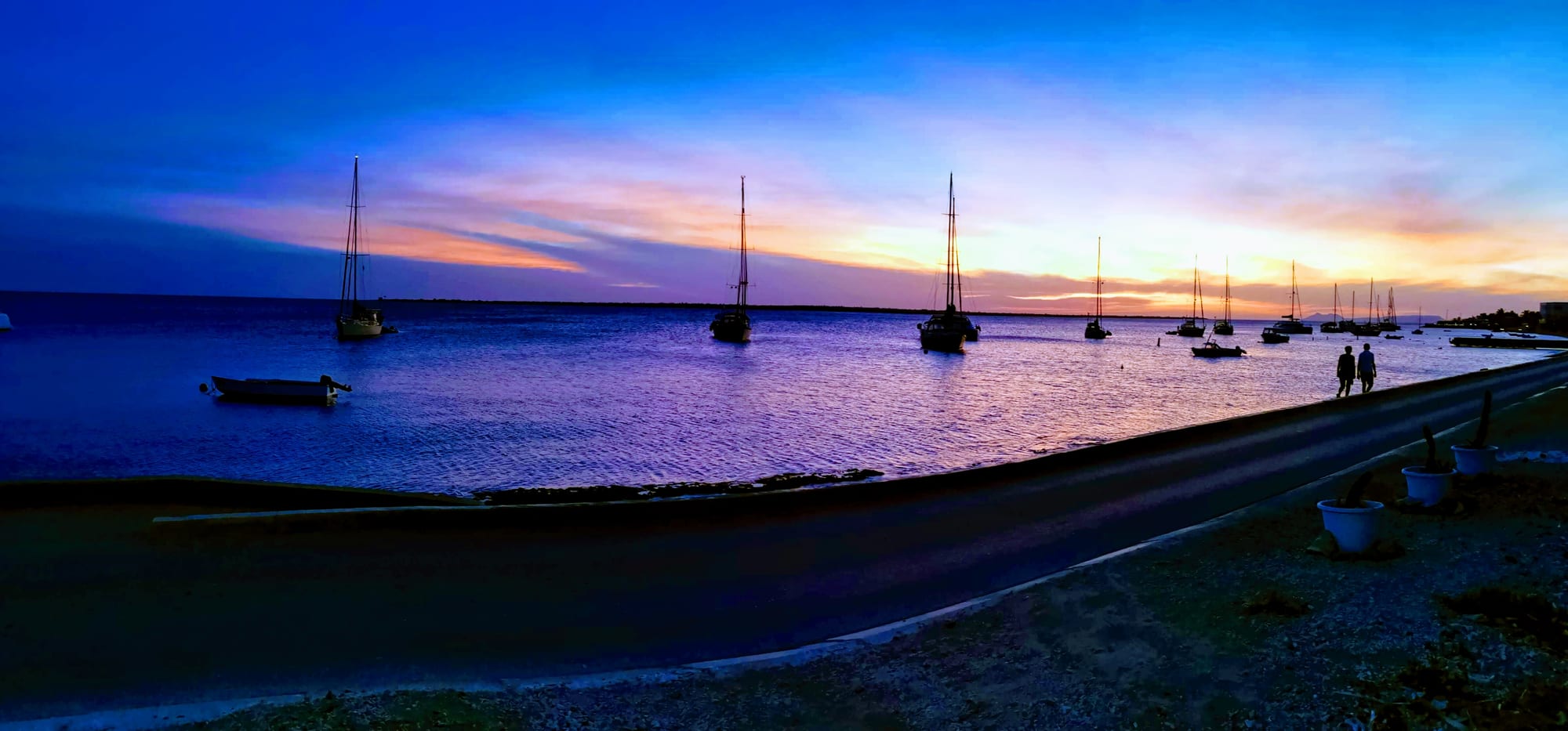
Bonaire, Saba and Sint Eustatius are special municipalities of the Netherlands, not states or territories, which makes them part of the same country as Amsterdam in law but nothing alike in daily life. All three use the US dollar rather than the euro, despite being part of the Netherlands, and each island runs on its own rhythm: Bonaire built around diving and a growing expat population, tiny Saba around a single mountain village life, and Sint Eustatius, quiet and small (only Saba is smaller), largely around its own slower pace.
Family and home life
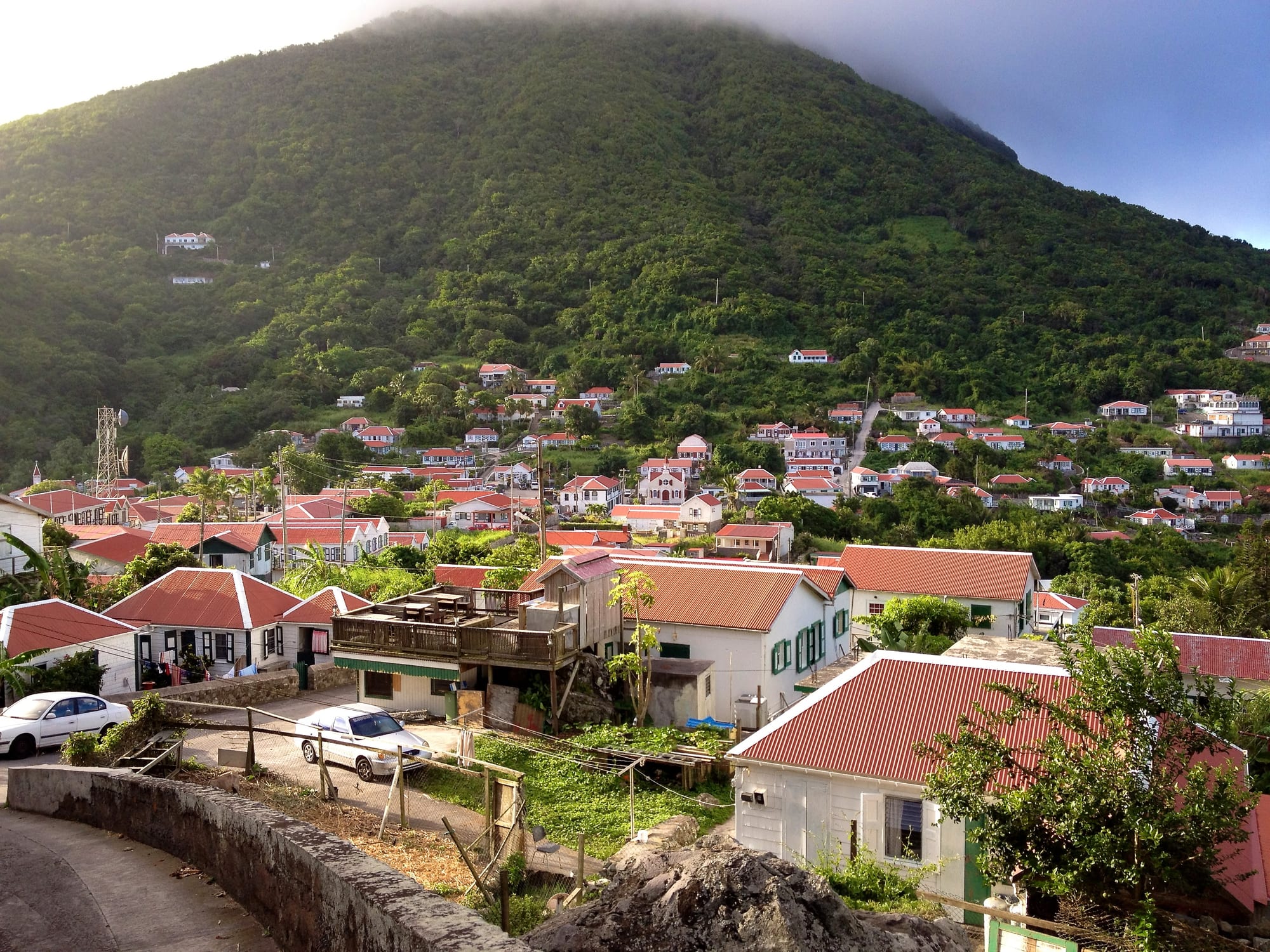
Extended family ties remain strong on all three islands, and it is common for grandparents, parents and children to live near one another or in the same household, particularly on Saba and Statia, where the population is small enough that many families are also, in some way, related. On Saba, almost the entire population lives in a handful of small villages, including Windwardside and The Bottom, climbing the slopes of the island's dormant volcano, Mount Scenery, connected by a single road that locals built by hand from 1938 onwards after professional engineers said it could not be done.
Work, school and the rhythm of the day
Government jobs, tourism and, on Bonaire especially, diving and hospitality are the main sources of work, and many households say money is tight, since almost everything has to be imported and prices run high. Schools come under the Dutch education system, but the language of the classroom varies: on Saba, English has been the medium of instruction since the 19th century, and at home most people on Saba and Statia speak English and most Bonaireans Papiamentu. Punctuality is often more relaxed than in the European Netherlands.
Community life and public spaces
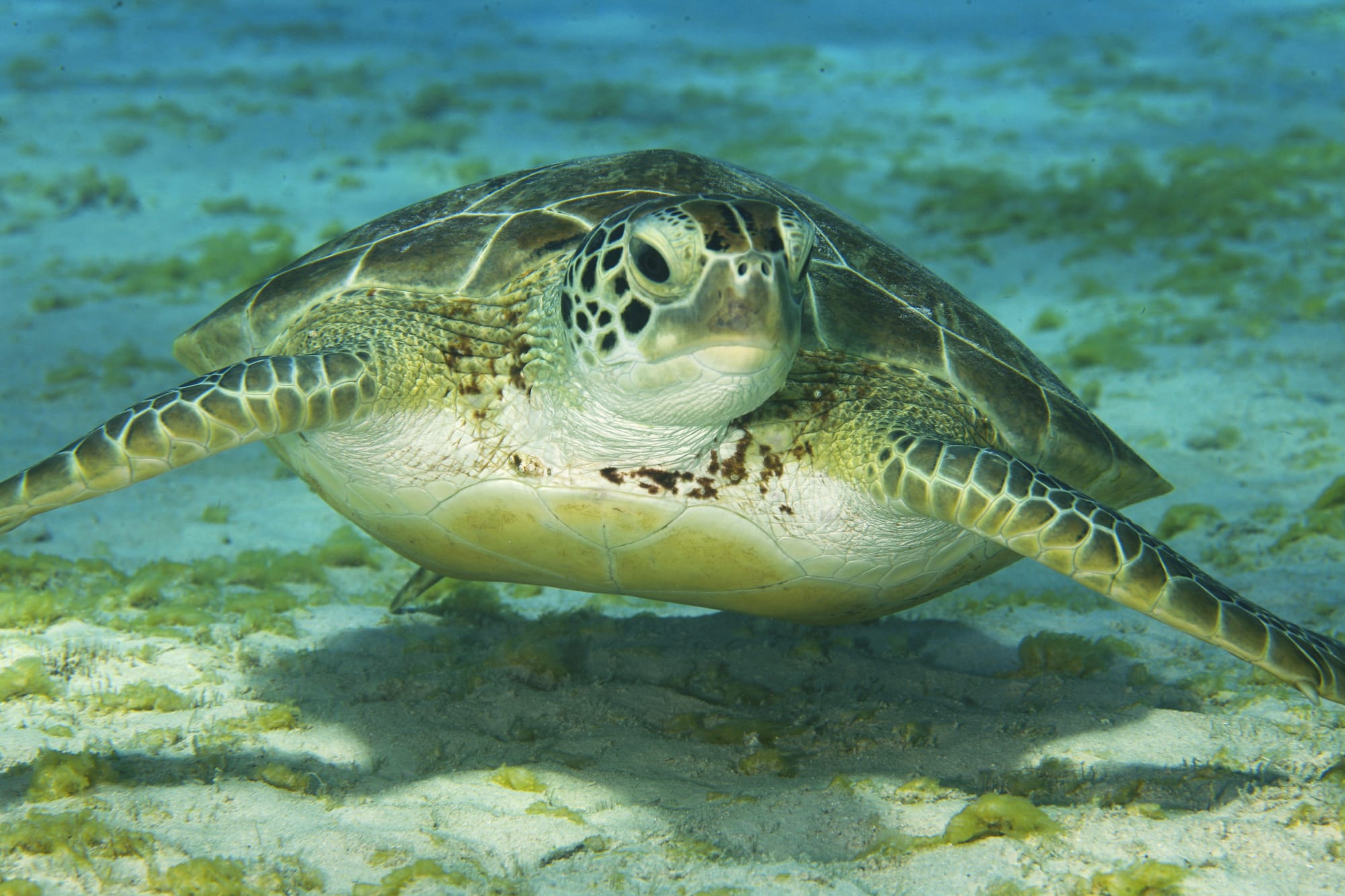
On Bonaire, the surrounding reef functions almost as a shared civic space: nearly the whole coastline is protected as Bonaire National Marine Park, every diver pays a mandatory conservation fee, and the reef's health is something residents genuinely follow and discuss, not an abstraction. On Saba and Statia, daily public life centres on a much smaller scale, a handful of streets, a main square, and the harbour, simply because there is not much more room for it to happen anywhere else.
Free time and weekends
Diving and time on or in the water fill much of Bonaire's free time, for residents as much as visitors, given how close good reef is to shore. On Saba and Statia, hiking Mount Scenery or the Quill, Statia's own volcano, is a genuine local pastime rather than only a tourist activity. Weekends generally mean family time and, where finances allow, a trip to one of the other islands or to the wider Caribbean.
A visitor's ordinary day
All three islands use the US dollar, not the euro, so no currency exchange is needed for US visitors, and cards are widely accepted on Bonaire, though carrying some cash is wise on Saba and Statia. Bonaire, far to the south-west off the Venezuelan coast, is reached by air; Saba and Statia are linked to Sint Maarten, and to each other, by small propeller planes with limited schedules and by a ferry. Expect a noticeably slower pace than mainland Europe, sometimes called "island time," in everything from restaurant service to a stated appointment.
What to take away
What defines an ordinary day across the Caribbean Netherlands isn't one shared culture so much as three very different small islands, joined mainly by a Dutch passport, a US dollar in every wallet, and a pace of life that answers to nobody's clock but its own.