History · Cabo Verde
Cabo Verde: The Atlantic Creole Nation
Uninhabited islands that became a hub of the slave trade, a Portuguese colony shaped by drought and emigration, and one of Africa's steadiest democracies
By Worldlore Editorial · 20 September 2026
Islands with nothing but a location
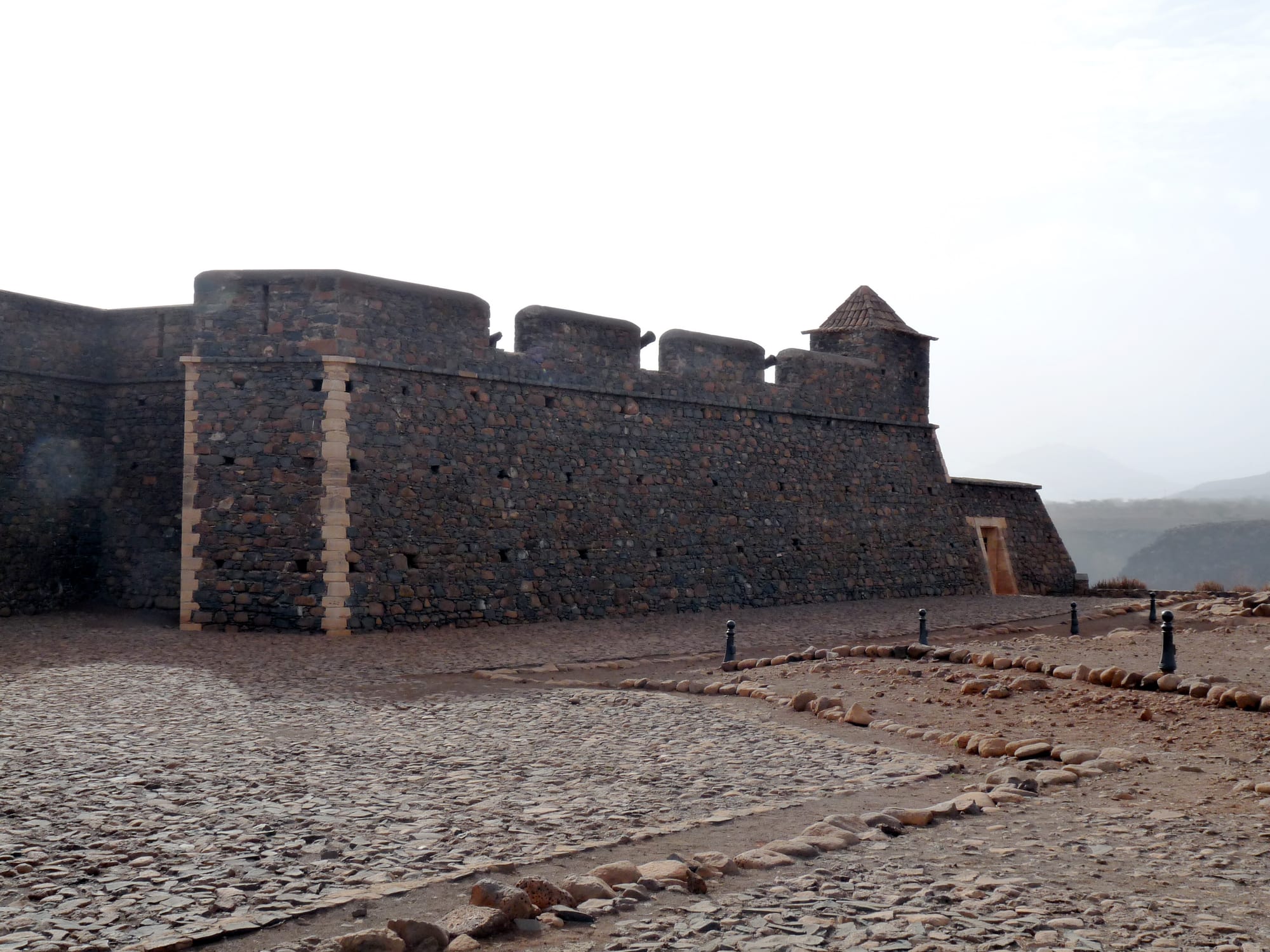
Cabo Verde is an archipelago of ten volcanic islands in the central Atlantic, some 570 kilometres off the coast of Senegal. It has almost no fresh water, very little farmland, no minerals, and a climate that fails for years at a stretch. What it has always had is position — halfway between three continents on the sailing routes of the Atlantic — and that is what its history is built on. The islands were empty when the Portuguese found them; the society that grew there, Creole in language and in blood, was created out of the meeting of a small European settler class and the much larger number of enslaved Africans shipped through and to the islands. Today more Cape Verdeans live abroad than on the islands themselves.
A short history
- 1456–1462
Discovery and settlement
Portuguese navigators reach the uninhabited islands; Ribeira Grande is founded in 1462.
- 16th–17th c.
The slave entrepôt
Ribeira Grande becomes a transshipment point for the trade from the Guinea coast.
- 18th–19th c.
Decline and drought
Pirate raids and failed rains push the islands into long poverty.
- 19th c.
Mindelo
The British build a coaling station at São Vicente; the port town booms.
- 1900s–1940s
Famine
Recurrent droughts kill huge proportions of the population and drive mass emigration.
- 1956
The PAIGC
Amílcar Cabral founds a movement for the independence of Guinea and Cape Verde together.
- 5 July 1975
Independence
Cabo Verde becomes a sovereign one-party state.
- 1991
Democracy
The ruling party introduces multiparty elections and loses them, peacefully.
Settlement and the slave trade
Portuguese ships reached the islands between 1456 and 1462, and settlement began at Ribeira Grande on Santiago — the first town Europeans built in the tropics. Its purpose was trade with the West African mainland, and above all the trade in people. For more than a century Ribeira Grande was a central node of the Portuguese slave trade from Senegambia: captives from the coast were held, baptised, and re-exported to the Americas and Europe. The islands also grew cotton and indigo on their own plantations, worked by enslaved Africans, and wove cotton cloth strips that served as a currency in the mainland trade.
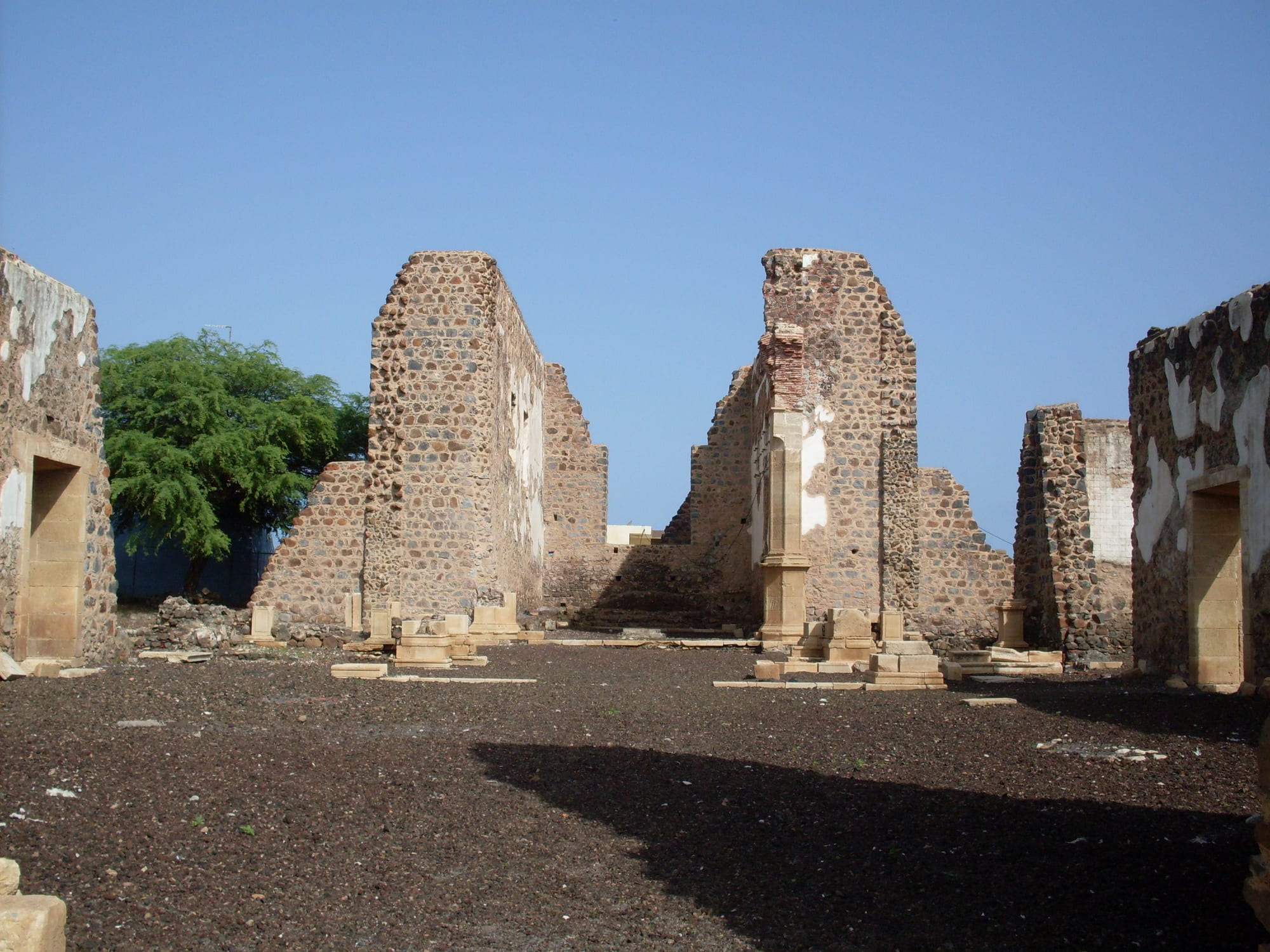
Out of the mixing of enslaved people from many West African nations with a small Portuguese population of officials, traders and exiles, a Creole society and a Portuguese-based Creole language — Kriolu, among the oldest creoles in the world — emerged within a few generations. It is the foundation of Cape Verdean identity.
Drought, famine, and leaving
As the direct Atlantic trade moved elsewhere and privateers repeatedly sacked Ribeira Grande — Francis Drake burned it in 1585 — the islands slid into a long decline, and the capital eventually shifted to Praia. The deeper problem was the climate. The rains failed again and again, and the famines that followed were catastrophic: those of the 1770s, and then of the 1900s, 1920s and above all the 1940s, are each estimated to have killed a fifth or more of the population, while Portugal did little to help.
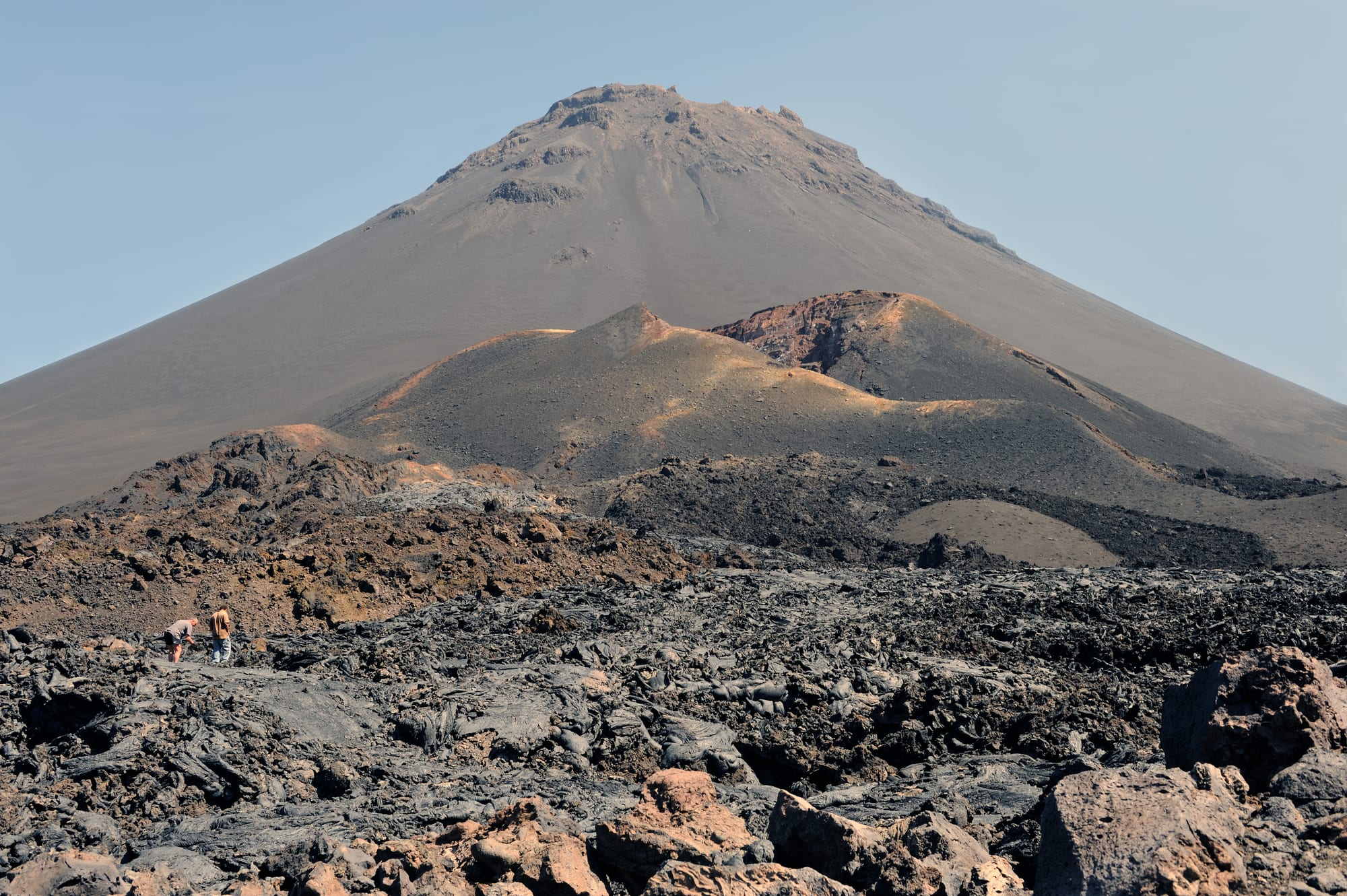
Hunger drove Cape Verdeans out. From the early 19th century they signed on with the American whaling fleet and settled in New England; later generations went to the mills and cranberry bogs of Massachusetts and Rhode Island, and, under a contract-labour system many compared to slavery, to the cocoa plantations of Portuguese São Tomé and to Angola. Emigration became the central fact of Cape Verdean life, and remittances its economic lifeline.
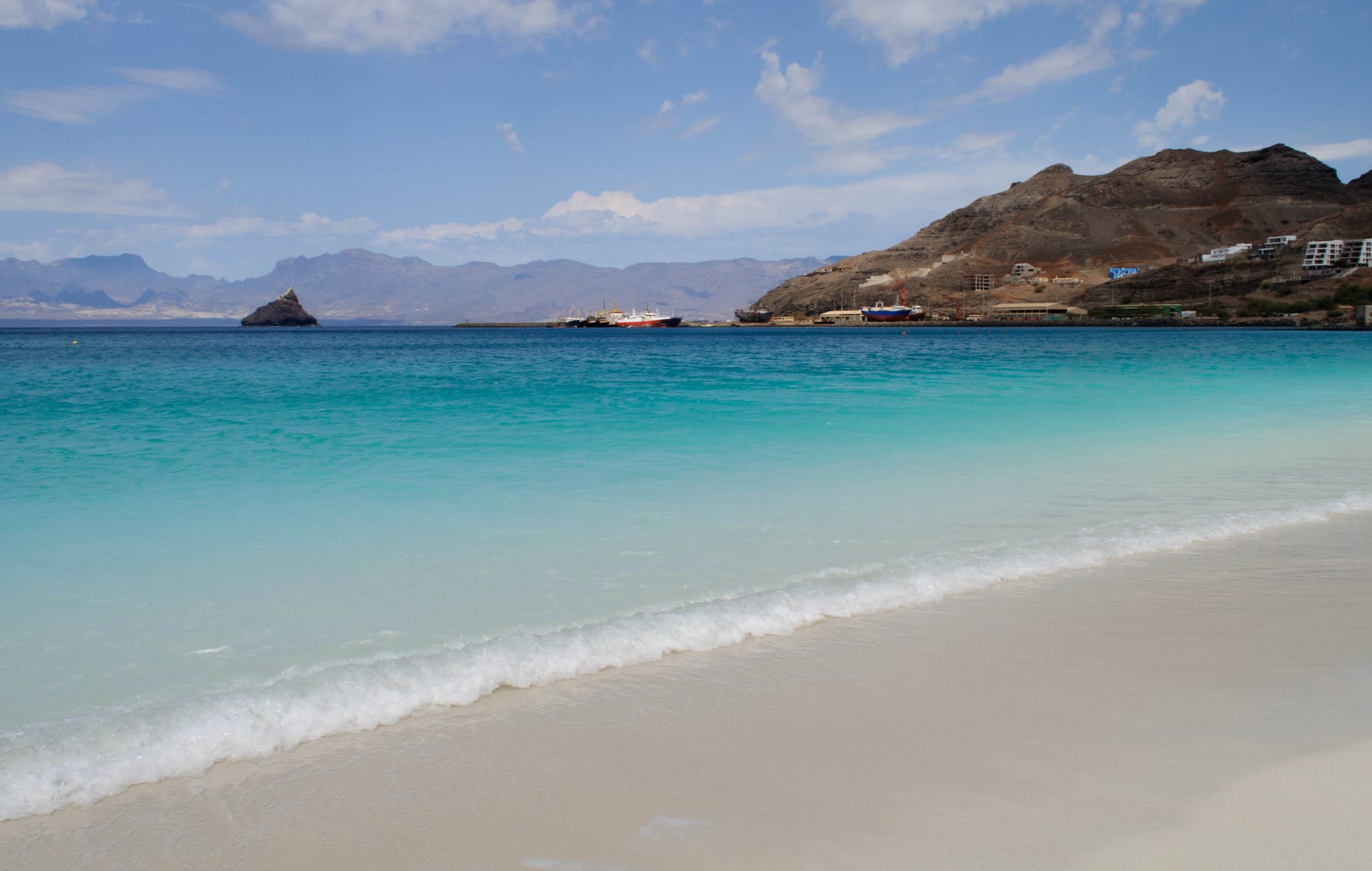
São Vicente had almost no population before the coal trade; Mindelo's importance faded when steamers switched to oil, but it kept its outward-looking, musical character.
Cabral and independence
Cabo Verde's road to independence ran through Guinea-Bissau. Amílcar Cabral — born in Guinea-Bissau to Cape Verdean parents, and trained as an agronomist in Lisbon — founded the PAIGC in 1956 to win independence for both territories, and ideally to unite them. There was no room for a guerrilla war on a scattered archipelago, but Cape Verdeans led the movement, and the PAIGC fought one of the most effective anti-colonial insurgencies in Africa on the Guinean mainland. Cabral was assassinated in 1973, months before Guinea-Bissau declared independence. After Portugal's 1974 revolution, Cabo Verde followed, becoming independent on 5 July 1975.
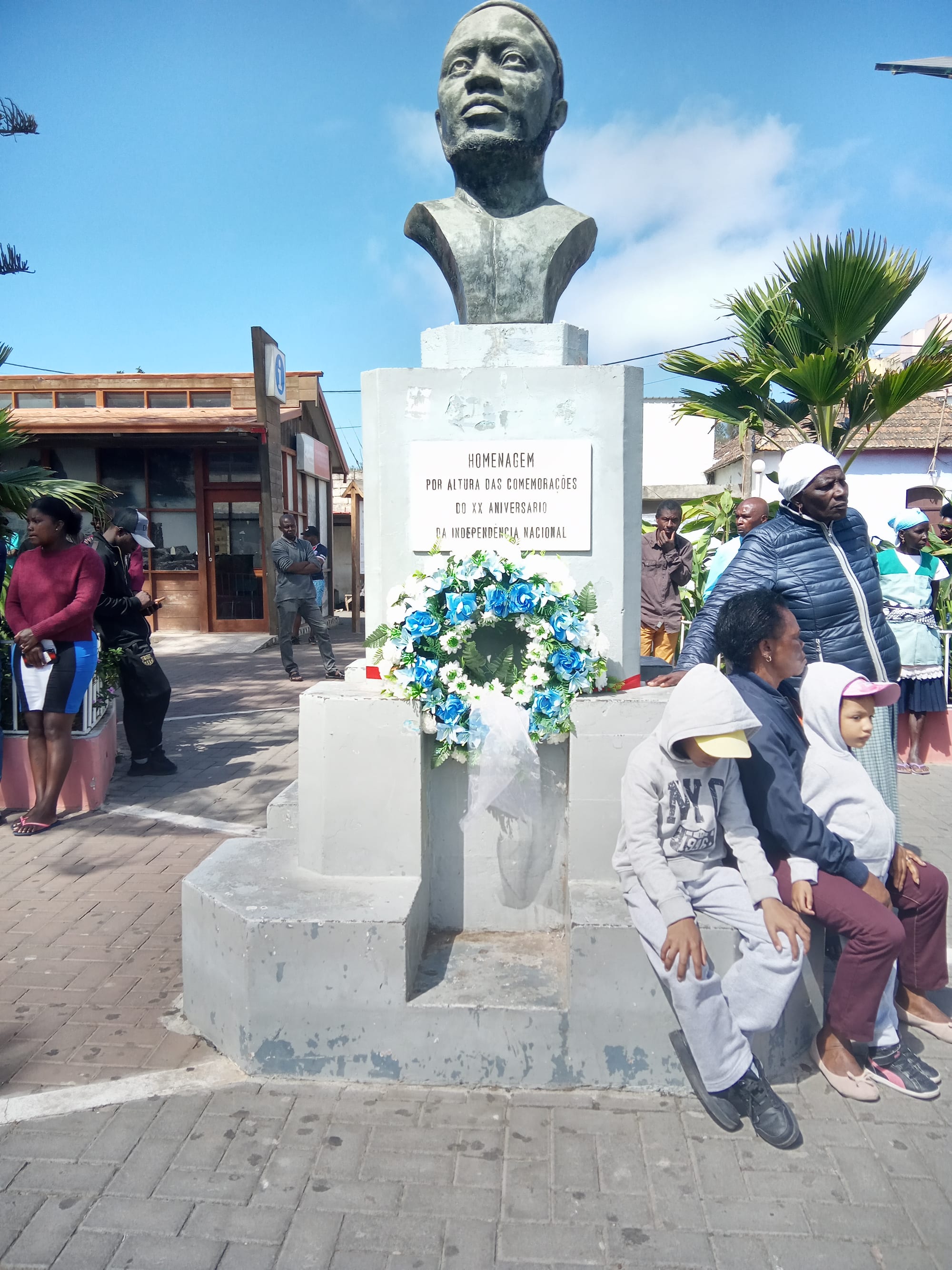
The planned union of the two countries collapsed after a 1980 coup in Guinea-Bissau, and the Cape Verdean party went its own way as the PAICV, governing the islands as a one-party socialist state.
An unusual democracy
In 1990 the PAICV did something rare among Africa's one-party states: it changed the rules on itself, legalising opposition parties and calling free elections. In 1991 it lost them, and handed power peacefully to the opposition Movement for Democracy. Since then Cabo Verde has alternated cleanly between its two main parties, with free elections, a free press, and stable institutions, and it is consistently rated among the best-governed and most democratic countries in Africa.
With no resources to fall back on, it has built its development on remittances from the diaspora, careful economic management — the escudo is pegged to the euro — and, since the 2000s, tourism on the beach islands of Sal and Boa Vista. In 2007 Cabo Verde became one of the very few countries ever to graduate out of the United Nations' "least developed" category.
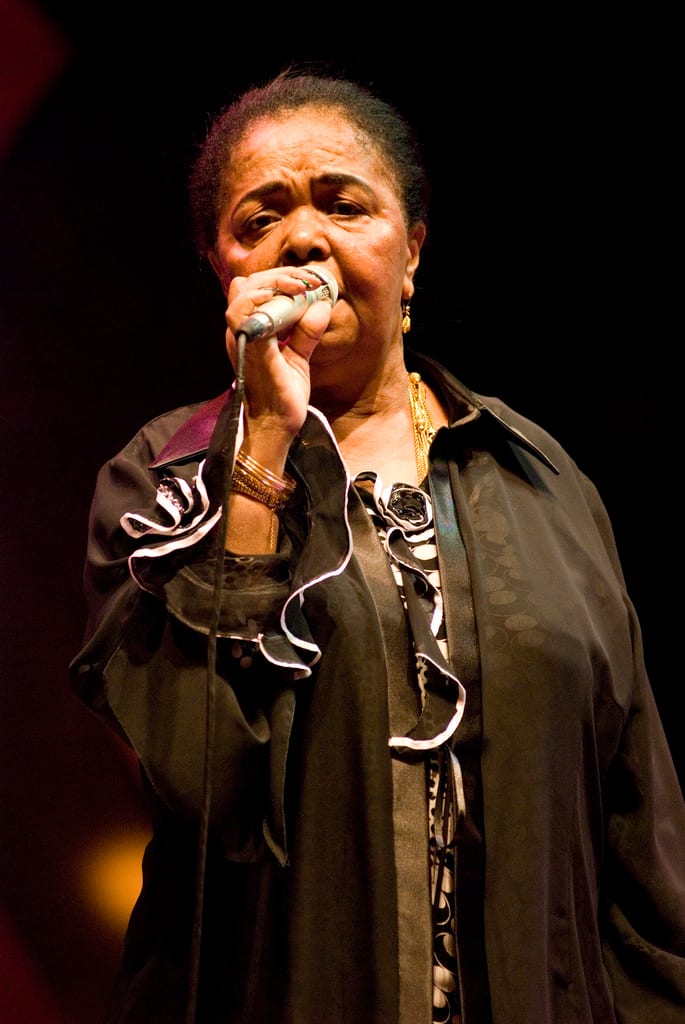
Her success made Cabo Verde's music one of the country's best-known exports, and a thread connecting the islands to the diaspora that outnumbers them.
What Cabo Verde carries
Cabo Verde is a nation made from movement — of enslaved people brought through it, and of its own people driven out by drought — and its culture, especially its music, is saturated with the theme of leaving and longing. It had every structural reason to fail as an independent state: no land, no water, no minerals, a tiny population. Instead it built a functioning, honest democracy and lifted itself into the middle-income bracket, largely on the strength of the diaspora it could never keep at home.