Daily Life · Cabo Verde
Cabo Verde: Life Lived Between Two Shores
A dry, close-knit archipelago where many households have someone working abroad, remittances land as regularly as the ferry, and the day still closes with football, Mass, or live music in a bar
By Worldlore Editorial · 30 September 2026
An ordinary day in Cabo Verde runs on two clocks: the local one, and the one kept by a parent, sibling, or child living in Lisbon, Rotterdam, or Boston. With more Cabo Verdeans and their descendants living abroad than on the islands themselves, a phone call home, a remittance transfer, or news relayed from the diaspora is as much a part of the daily rhythm as the walk to market or the wait for a shared van. The islands themselves are dry and short of water, so the day is also shaped by what the weather and the sea allow: fishing when conditions are right, farming on whichever islands still get enough rain, and, on Sal and Boa Vista, the steady churn of the resort calendar.
Family and home life
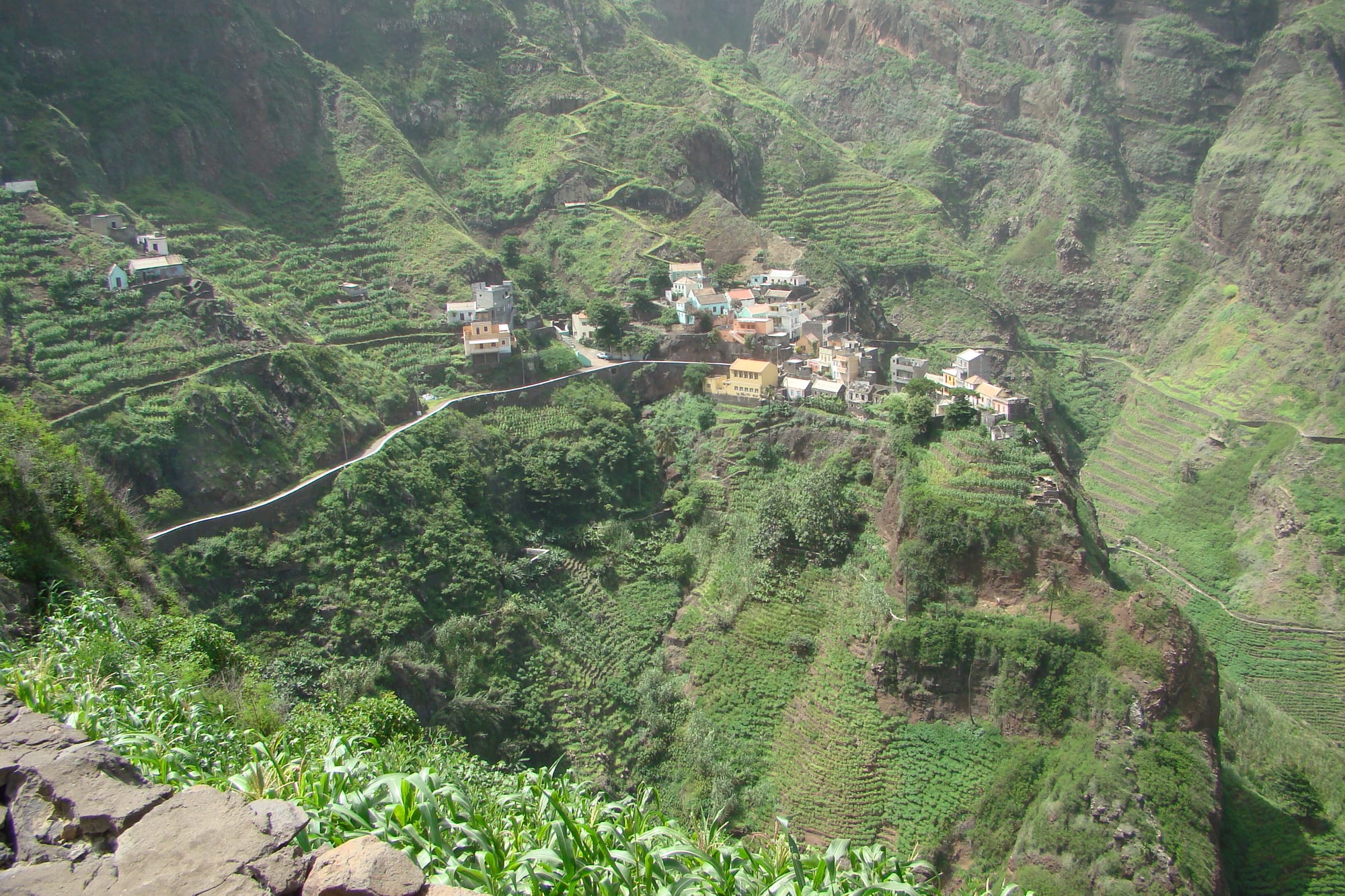
Households tend to be close and multigenerational, and it is common for a family to be spread across more than one country rather than one roof: a parent or older sibling working in Europe or the United States, sending money home, is a normal feature of Cabo Verdean family life rather than an exception. Remittances make up a significant share of the national economy, and for individual households they often cover ordinary costs — food, school expenses, home repairs — as much as anything extraordinary. Homes are generally simple concrete or cinderblock houses in the towns; on the greener, more mountainous islands such as Santo Antão, family houses cluster on narrow terraces cut into steep valley walls, with maize and other crops planted on the same slopes right up to the walls of the house.
Work, school and the rhythm of the day
What an ordinary working day looks like depends heavily on the island. On Sal and Boa Vista, much of the workforce is employed directly or indirectly by the package-holiday resorts, with shifts built around flight and hotel schedules rather than the sun. On Santiago, São Vicente, and the other islands, work is more likely to mean fishing, small-scale farming, construction, or a shop or service job in Praia or Mindelo. Schooling is in Portuguese, the language of government and instruction, even though the language spoken at home and in the street is Cabo Verdean Creole. Farming, where it happens, is dictated by drought as much as by the clock — the islands get little reliable rain, and dry spells can empty a harvest for a whole season.
Community life and public spaces
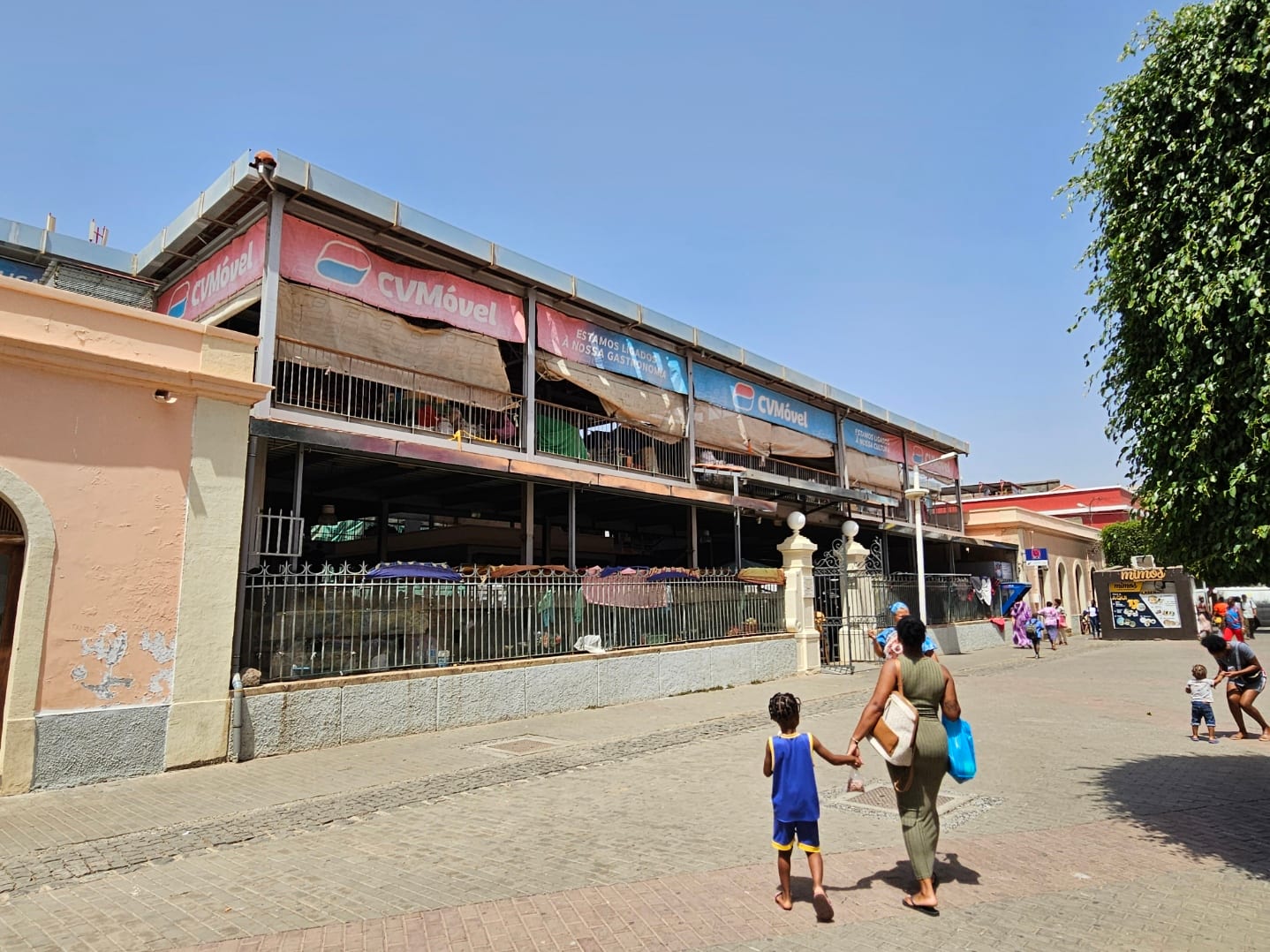
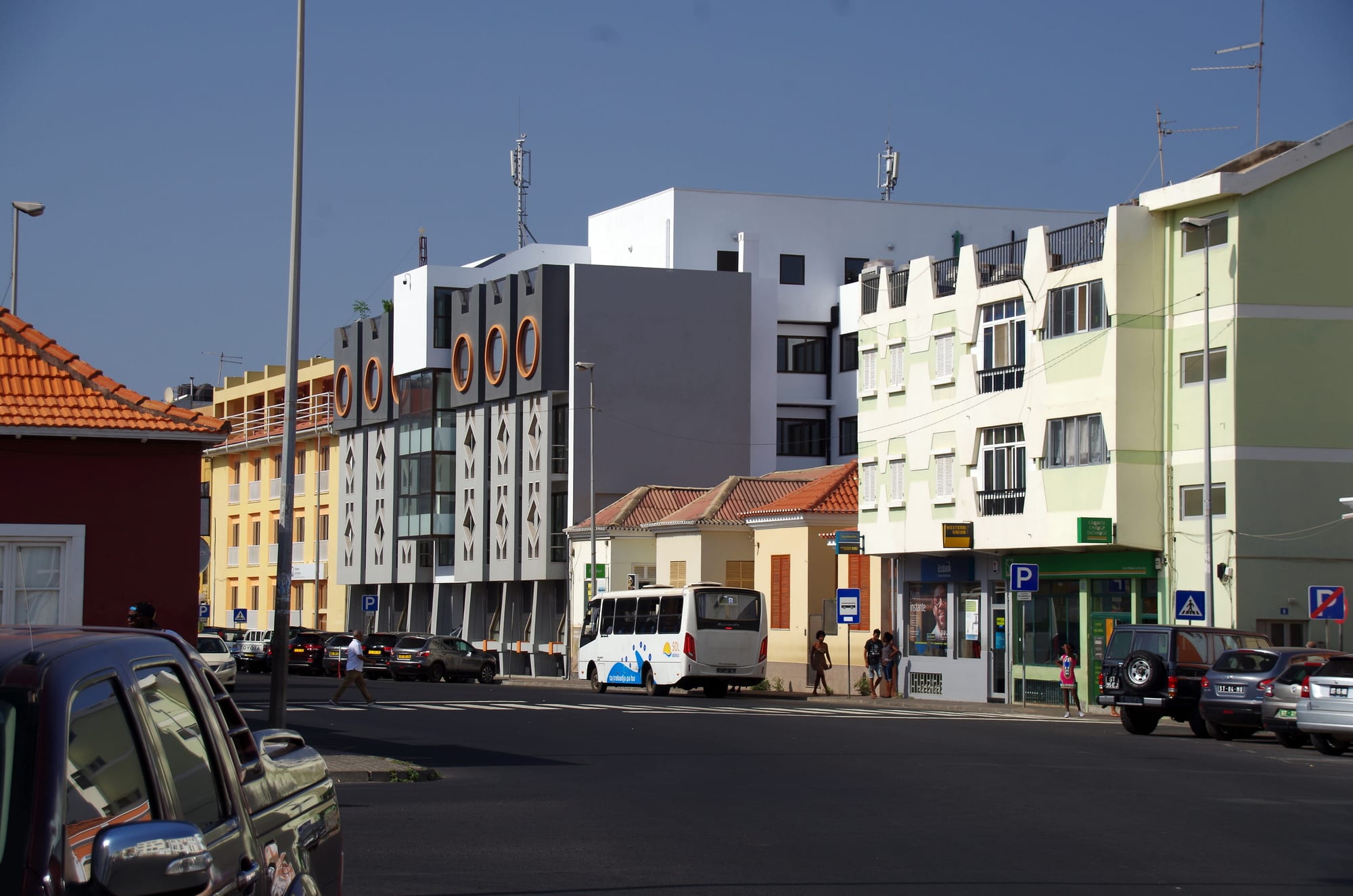
The municipal market is the anchor of daily public life in the larger towns — the Mercado Municipal in Praia and its counterpart in Mindelo are where produce, fish, and household goods are bought most days of the week, and where an ordinary errand doubles as the day's main social contact outside the home. Getting around, especially outside Praia and Mindelo, usually means an aluguer, a shared van or minibus that leaves once it has enough passengers rather than on a set timetable, supplemented in towns by small private minibuses and, between islands, by a limited network of ferries and domestic flights. Football grounds and the town square are the other fixed points, drawing crowds especially on weekend match days.
Free time and weekends
Weekends centre on family, faith, and football: Sunday Mass remains a fixed point for many households in this heavily Catholic country, football is followed closely and played and watched in person on weekend afternoons, and an evening out in Praia or Mindelo often means live music in a bar, since the islands' song traditions are still performed socially rather than only staged for visitors. Where finances and the ferry or flight schedule allow, weekends are also when islanders travel to see family on another island, since Cabo Verdeans routinely have relatives scattered not just abroad but across the nine inhabited islands themselves.
A visitor's ordinary day
The Cabo Verdean escudo is pegged to the euro, and euros are often accepted directly in the resort islands at a rounded rate; cards work in Sal, Boa Vista, and the larger towns, but villages and inter-island ferries run on cash. Getting between islands takes patience: the domestic airline's schedule is thin and can change without much notice, and ferries are slower and weather-dependent, so a tight multi-island itinerary is a common visitor mistake — build in spare days rather than back-to-back connections. Outside the resort areas, expect the pace of service and transport alike to run on local time rather than a posted schedule.
What to take away
An ordinary day in Cabo Verde is never quite contained within the islands themselves — it runs, in some part, through whoever in the family is currently somewhere else.