Food · Cabo Verde
Cabo Verde: Food and the National Dish
A corn and bean stew cooked slowly enough to feed two meals, a spicy pastry nicknamed after the devil, and a sugarcane spirit distilled on terraced volcanic slopes
By Worldlore Editorial · 16 September 2026
A Creole cuisine born on Atlantic islands
Cabo Verde's ten volcanic islands were uninhabited until Portuguese settlers arrived in the 15th century, bringing enslaved Africans with them soon after; the Creole, or Crioulo, culture that developed here — its own language as well as its own food — blends Portuguese ingredients and techniques with West African cooking habits in a way found nowhere else quite the same. Corn, beans, fish and pork carry most meals, on a group of islands too dry and volcanic for large-scale farming of much else.
The national dish: cachupa
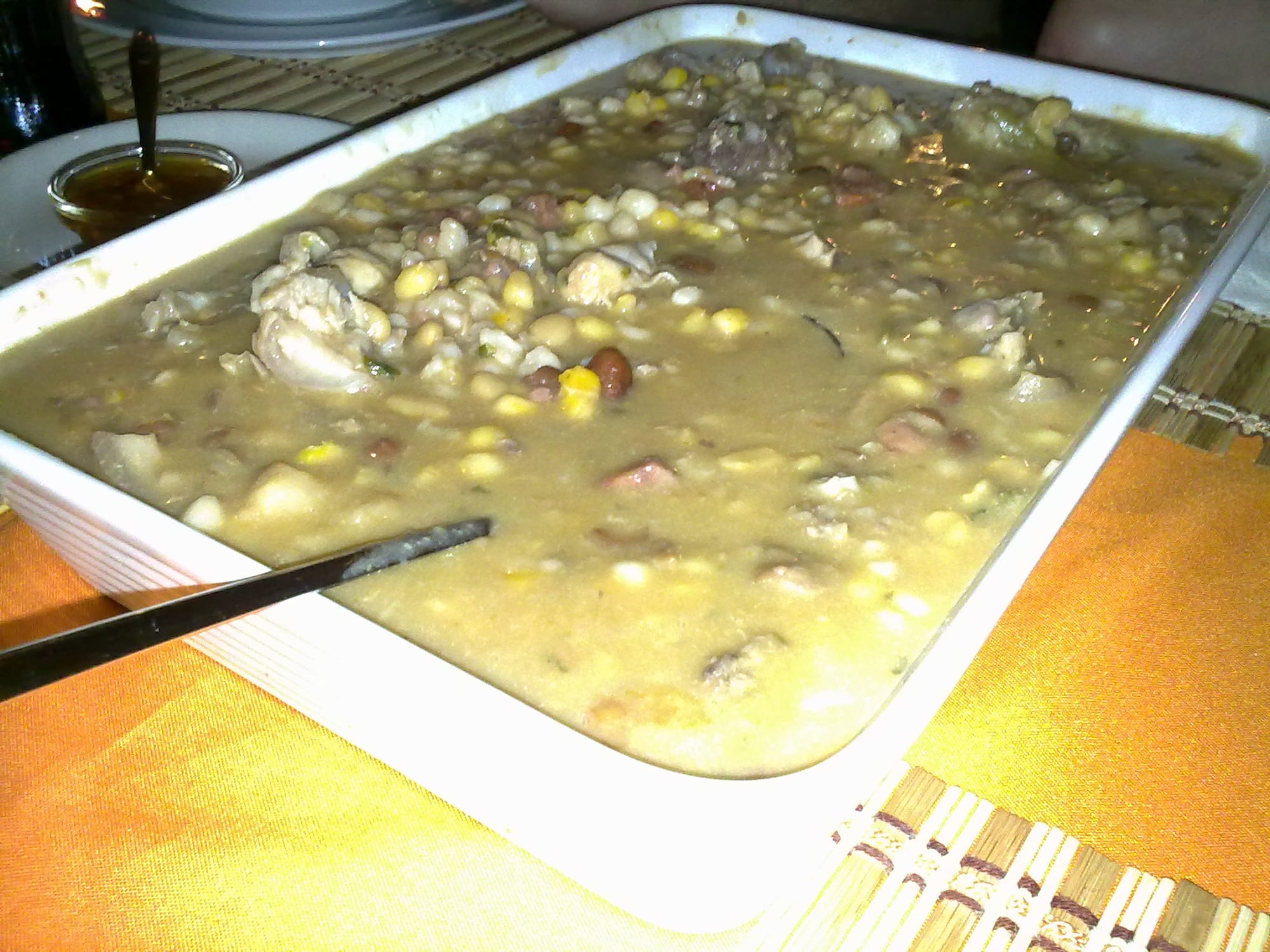
Cachupa is a slow-cooked stew of corn (usually hominy-style, nixtamalised corn), beans, and whatever meat, fish and vegetables a household has on hand, simmered for hours until everything softens together. Cachupa rica, a richer version made with more meat and sometimes sausage, is festive and occasion food; cachupa pobre, a simpler version leaning on fish or vegetables, is the everyday one.
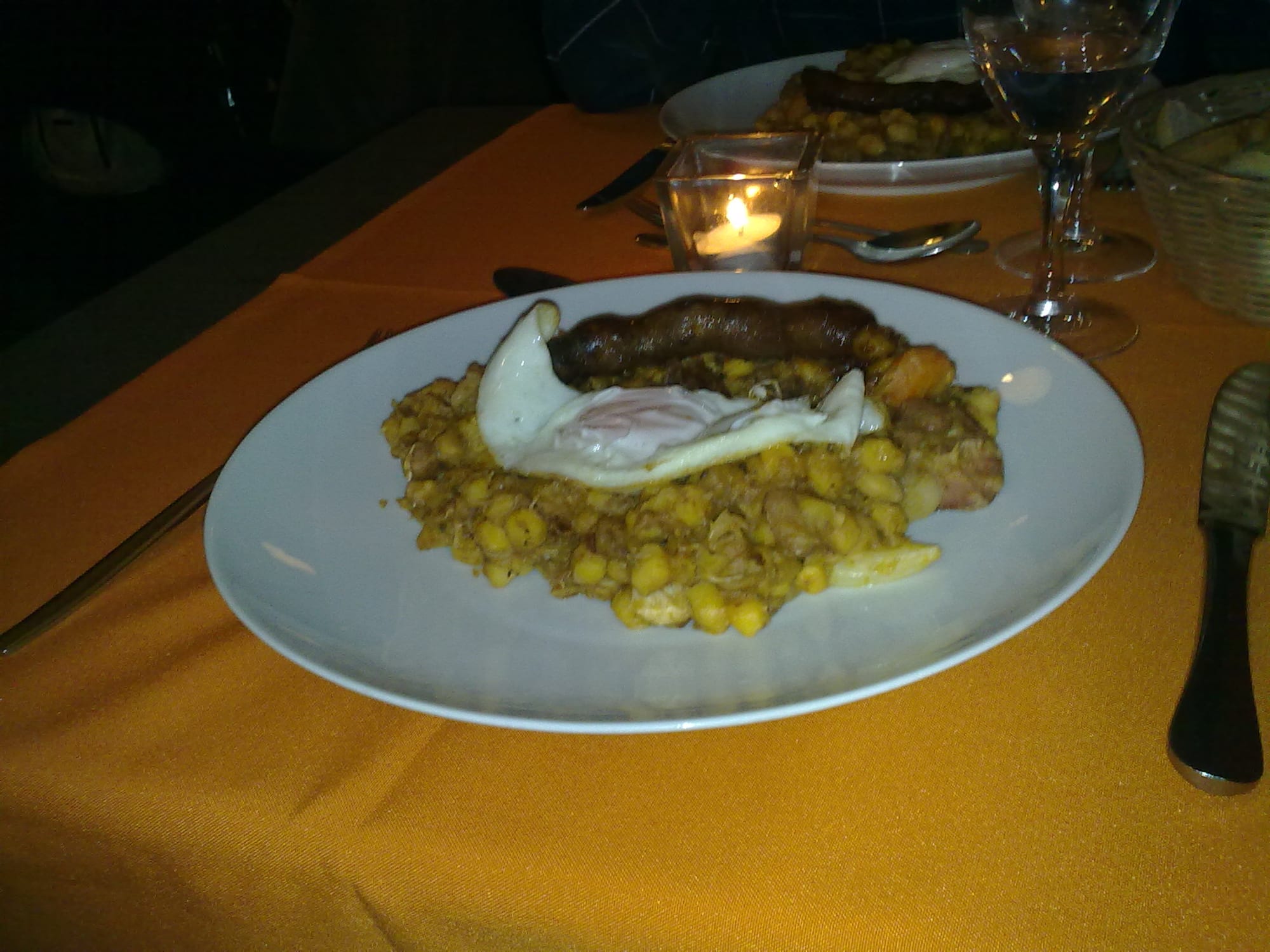
Just as important as the fresh dish is what happens to what's left over: cachupa refogada, or cachupa frita, is yesterday's cachupa fried up the next morning, often with a fried egg on top, and many Cape Verdeans consider the fried, reheated version even better than the original.
Dishes to know
Five more to recognise across Cabo Verde:
- Pastel com diabo dentro — a fried pastry filled with spicy tuna, whose
name translates to "pastry with the devil inside", a Santiago island street food speciality.
- Caldo de peixe — a hearty fish soup, built on whatever the day's catch
brings in.
- Xerém — a simpler corn porridge, close kin to cachupa but without the
long, layered cooking.
- Feijoada caboverdiana — Cabo Verde's own bean stew, a lighter relative of
Brazil's better-known version.
- Grilled fish and moray eel — simply prepared, reflecting how central
fresh fish is to an island nation's everyday diet.
Grogue and other drinks
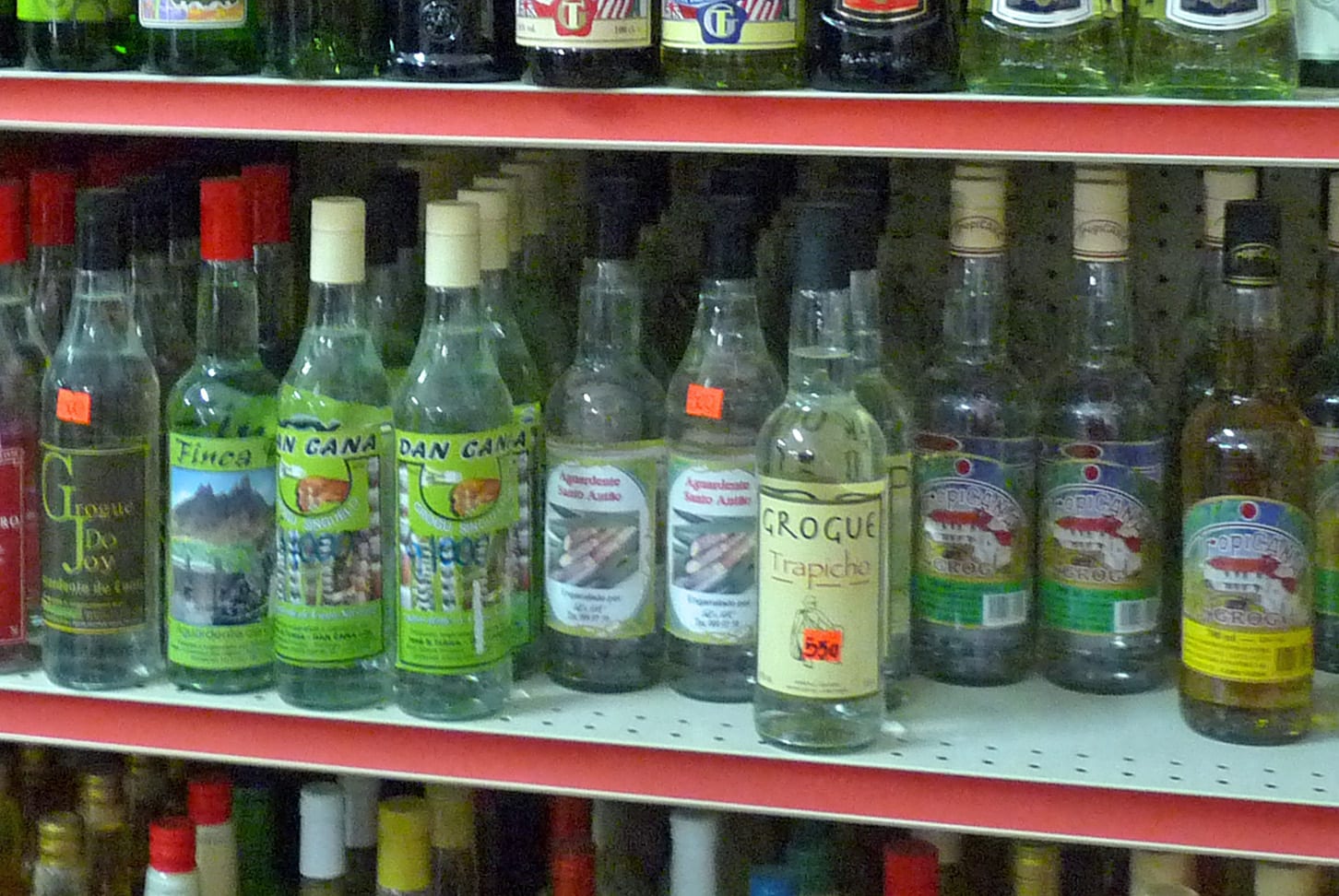
Grogue, distilled from sugarcane grown on steep terraced fields, especially on Santo Antão island, is Cabo Verde's own spirit, distinct from but comparable to Brazilian cachaça. Ponche mixes grogue with honey and citrus for something milder. Fogo island, built on an active volcano, also grows coffee and grapes in its unusually mineral-rich volcanic soil, producing a small but genuinely distinctive local wine.
Eating as a traveller
Vegetarians will find the going harder here, since cachupa in its most common forms includes meat or fish and much of the everyday diet is built around them. Tap water is generally treated as safe on the main islands but many visitors prefer bottled water. Fresh fish is a reliable and often excellent choice virtually anywhere on the islands.
What to take from the table
Cachupa, eaten fresh and then again fried the next morning, is the dish that best captures Cabo Verdean food — patient, resourceful, and built to stretch a good pot of stew across more than one meal.