Food · Burkina Faso
Burkina Faso: Food and the National Dish
A stiff millet paste eaten with a well-seasoned sauce, rice cooked festive and red for special occasions, and free-range chicken still known by the bicycle that once delivered it
By Worldlore Editorial · 16 September 2026
A Sahelian diet built on grain
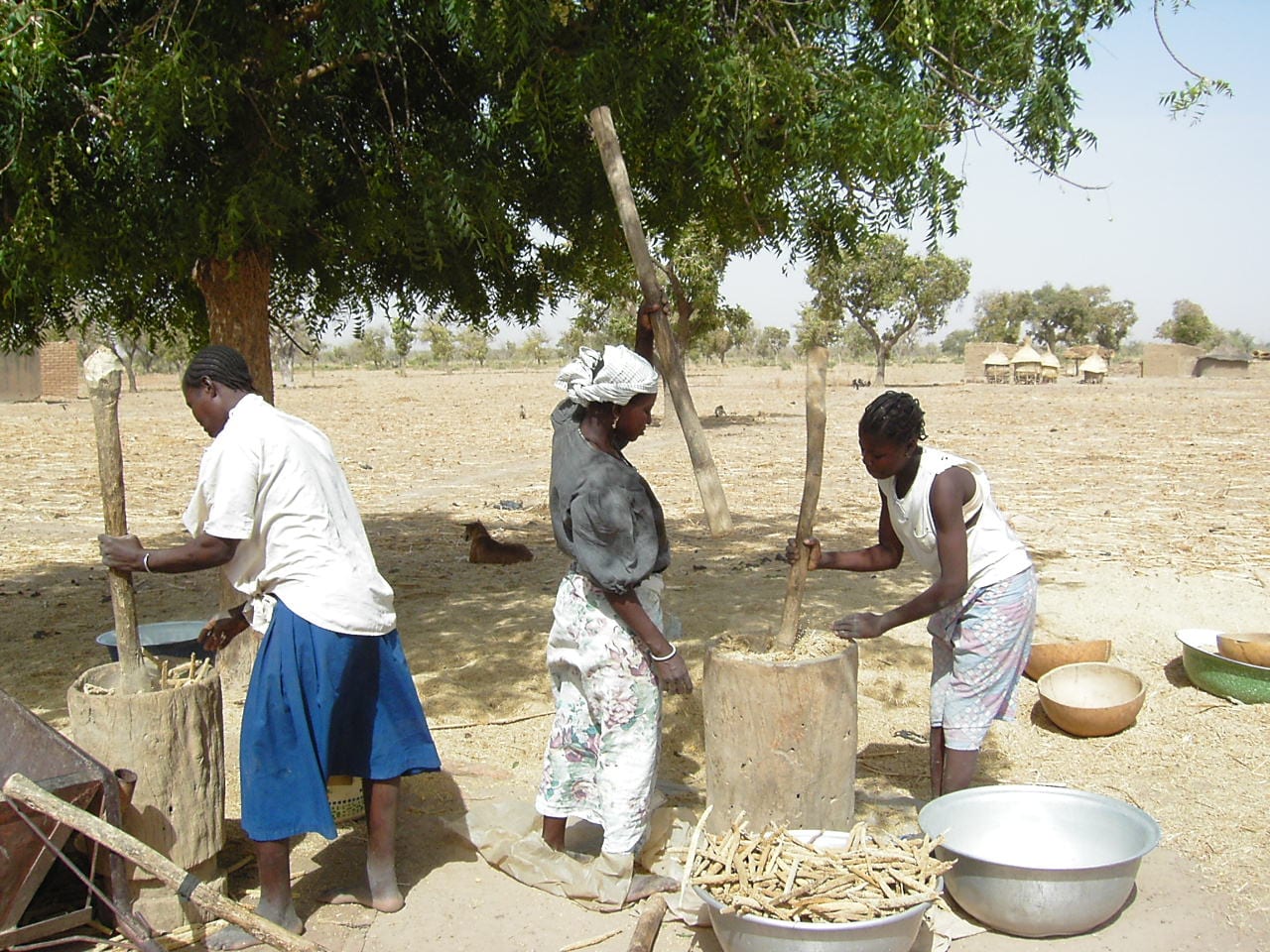
Burkina Faso is landlocked in the West African Sahel, and its food reflects a climate suited to millet, sorghum and corn rather than rice or tropical produce. Peanuts, okra and baobab leaves supply most of the flavour and protein in everyday cooking, and livestock — especially among the Fulani in the north — matters more here than fish, which has to travel a long way to reach the table.
The national dish: tô
Tô is a thick, stiff paste made from pounded millet, sorghum or corn flour cooked into a dough-like consistency, eaten by tearing off a piece with the fingers and using it to scoop up a sauce. The sauce is really where the character of the meal lives: sauce gombo (okra), sauce arachide (peanut) and sauce feuille de baobab (baobab leaf) are the three most common, each giving the same neutral, filling base a completely different flavour.
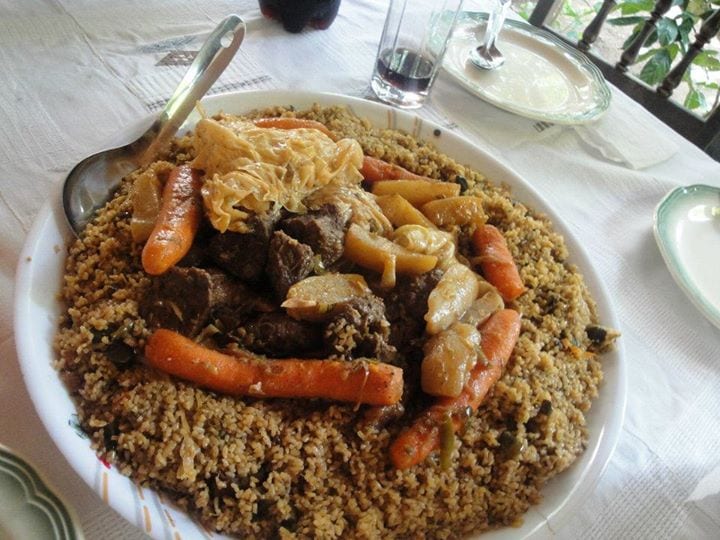
Riz gras, "fat rice" cooked with oil, tomato and meat until it turns a deep red, is the dish that takes over for celebrations and city dining, closer to the jollof-rice family found right across West Africa.
Dishes to know
Five more to recognise in Burkina Faso:
- Riz gras — rice cooked with oil, tomato and meat, the go-to dish for
celebrations and gatherings.
- Sauce arachide — a rich peanut-based sauce, eaten with tô or rice.
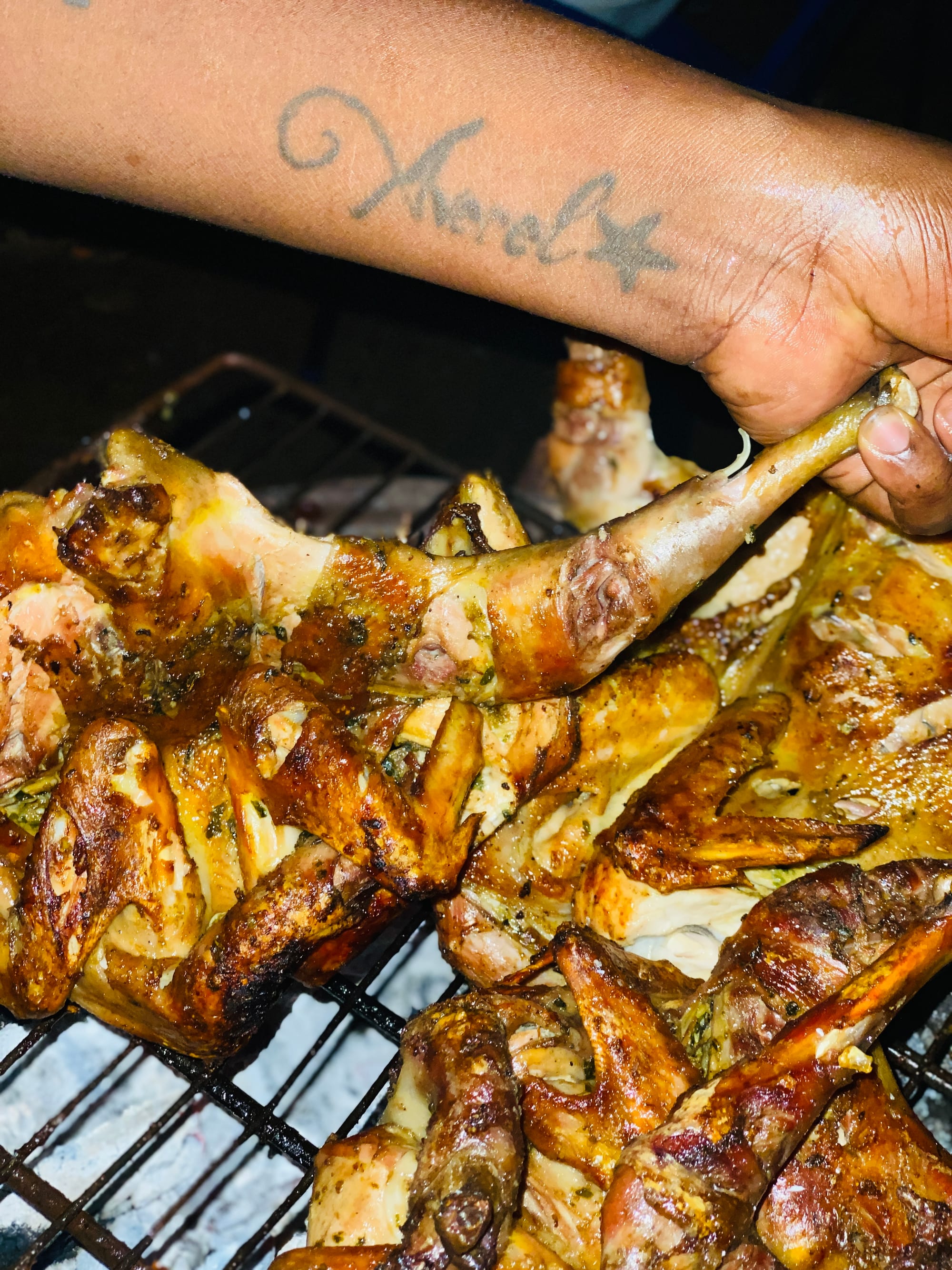
- Poulet bicyclette — free-range village chicken, leaner and more flavourful
than farmed poultry, historically brought to market strapped to the back of a bicycle.
- Bouillie — a thin millet porridge, the standard breakfast, sometimes
lightly fermented.
- Babenda — a thick, dark green vegetable sauce or soup, a savoury everyday
side.
Drinks
Dolo, a traditional beer brewed from millet or sorghum, is central to rural social life, sold and drunk at dedicated village bars called cabarets and served at ceremonies including funerals. Zoom-koom, a non-alcoholic drink made from millet flour, ginger and tamarind, and bissap, hibiscus juice found right across West Africa, are the common non-alcoholic alternatives.
Eating as a traveller
Vegetarians can rely on peanut and okra sauces made without meat, though most tô sauces are traditionally cooked with some meat or dried fish stock. Tap water is not safe to drink; stick to bottled or boiled water. Grilled meat and brochettes are widely available and generally a safe, tasty choice in Ouagadougou and other towns.
What to take from the table
Tô, eaten by hand with a well-made sauce, is the dish that explains how most Burkinabé actually eat day to day — and riz gras, at a celebration, shows the same cuisine at its most festive.