Food · Bhutan
Bhutan: Food and the National Dish
A dish that treats chillies as the main vegetable rather than a seasoning, a distinctive red rice grown at altitude, and a Buddhist kingdom that eats meat it mostly imports
By Worldlore Editorial · 16 September 2026
A Himalayan kingdom that eats its chillies whole
Bhutan's food sits high in the Himalayas, sharing ground with Tibetan and northern Indian cooking but keeping a character entirely its own. Its most distinctive habit is treating chilli peppers as a vegetable to be eaten in quantity, not a seasoning used sparingly — a genuinely unusual approach even among the world's spicier cuisines. Red rice, grown in terraced fields at altitudes few other rice varieties tolerate, and a soft, semi-fermented local cheese called datshi round out the everyday table.
The national dish: ema datshi
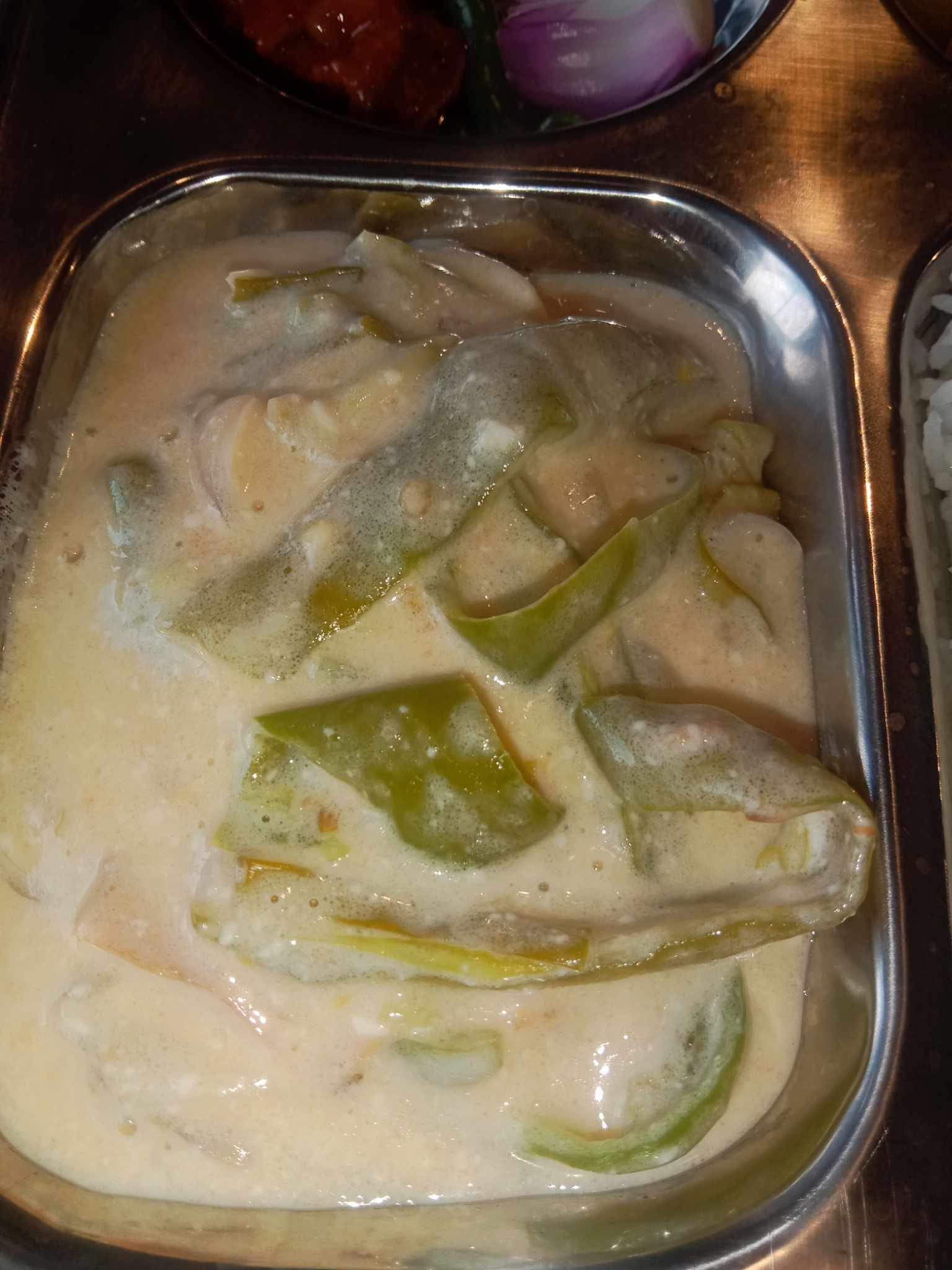
Ema datshi is whole green or red chillies simmered in a sauce of melting datshi cheese until they soften, served as a main dish over rice rather than as a garnish or side. It is eaten at nearly every meal in most Bhutanese households, and the amount of heat in a given pot is a matter of real personal and family pride.
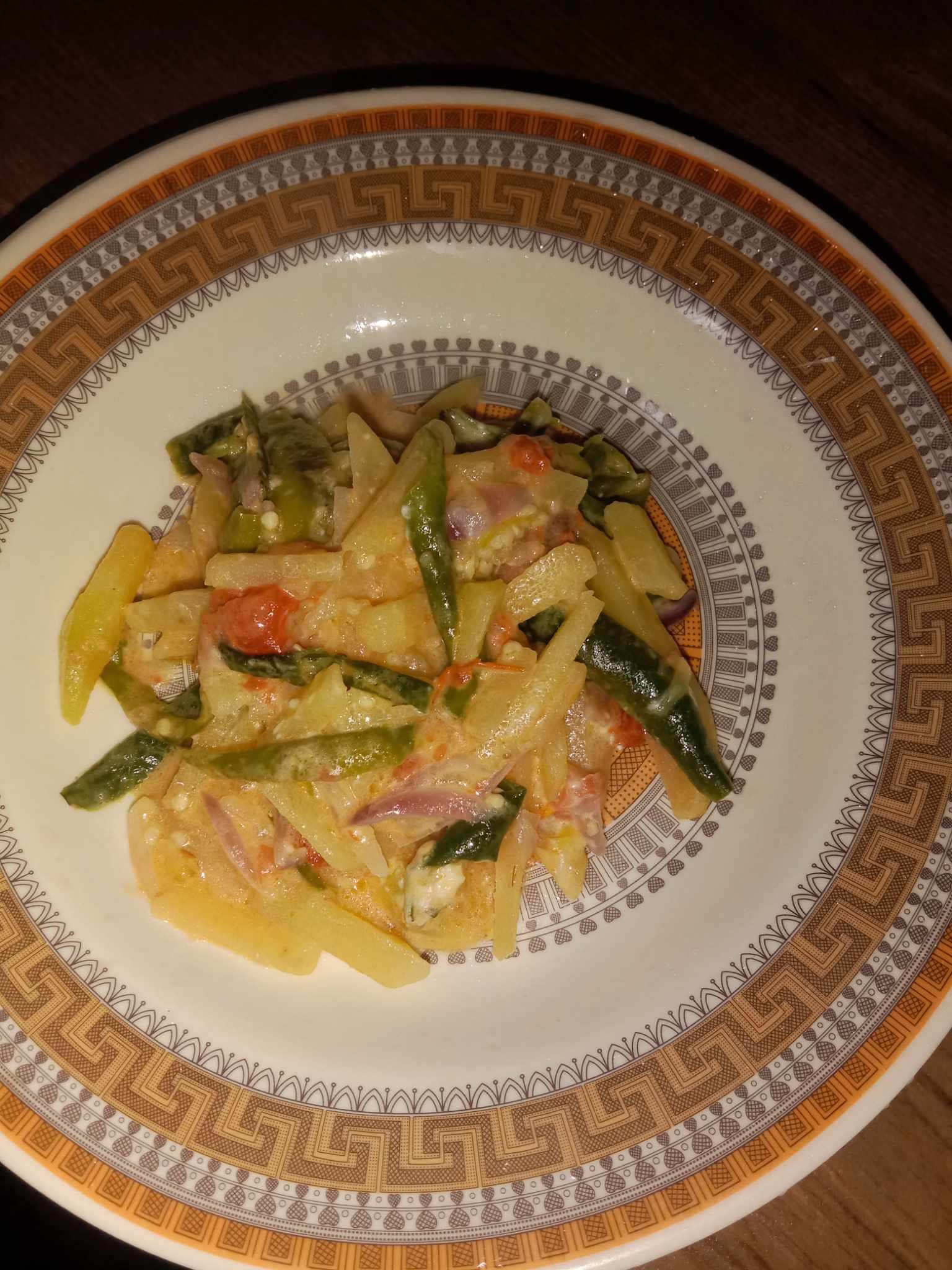
Variations swap or add ingredients while keeping the same cheese-sauce base: kewa datshi replaces the chillies with potato for a milder dish, and shamu datshi uses mushrooms instead.
Red rice, meat and a Buddhist tension
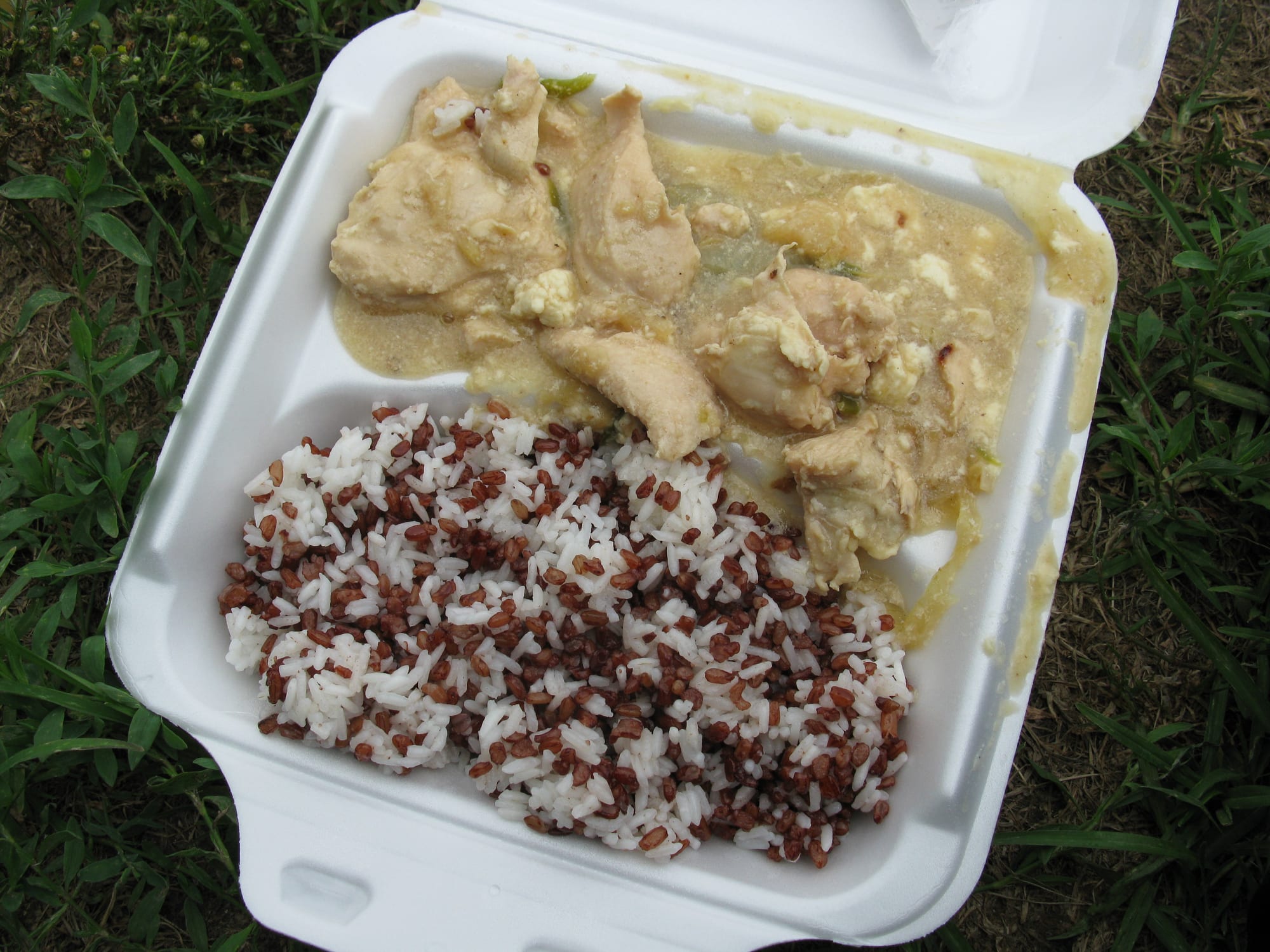
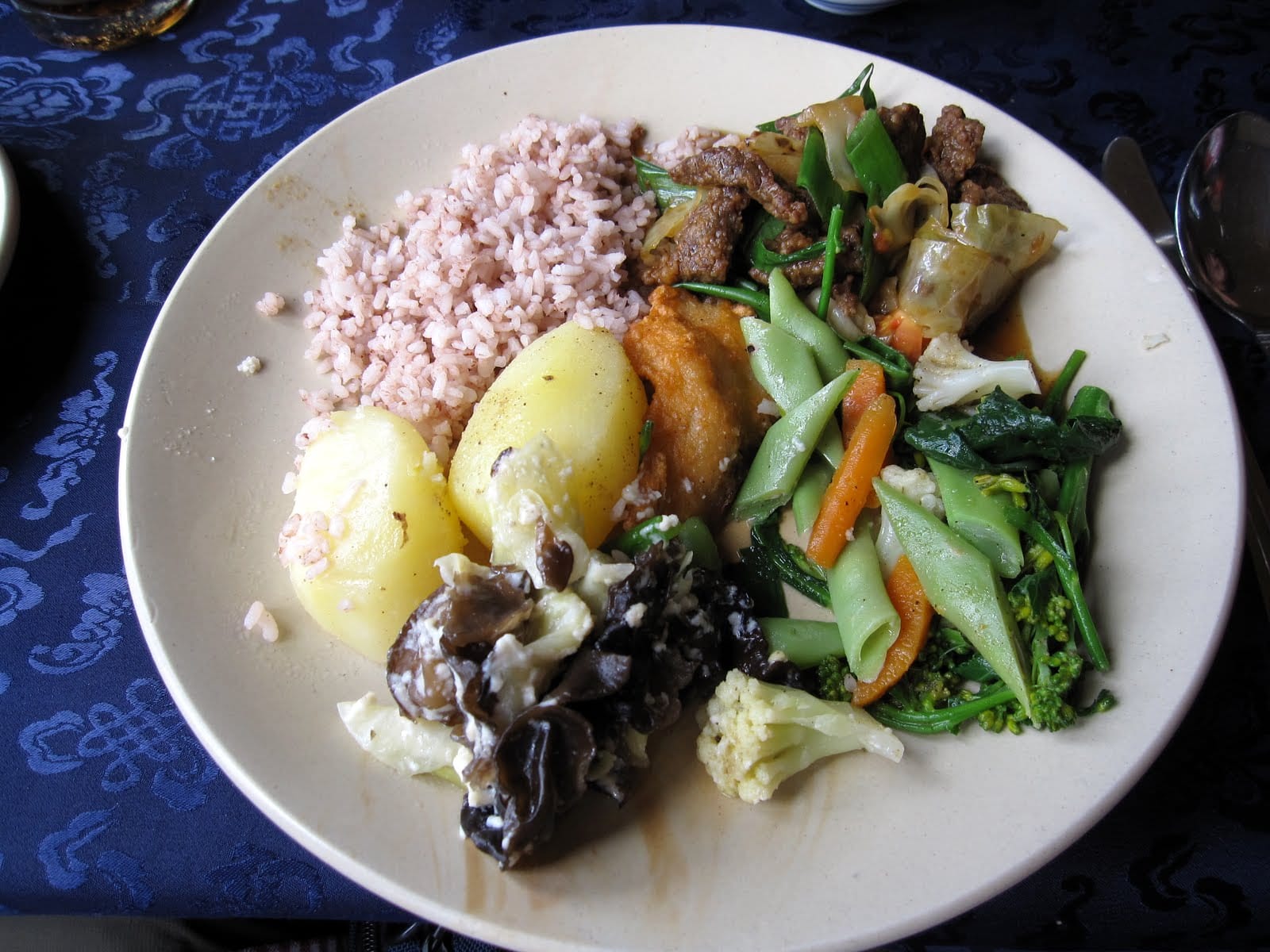
Bhutanese red rice, a short-grain variety with a nutty flavour, is the staple grain across most of the country, though buckwheat takes over in higher, colder regions like Bumthang where rice struggles to grow. Pork, beef and chicken all appear regularly in Bhutanese cooking, most often dried or cooked with the same generous chillies as everything else.
Dishes to know
Five more to recognise in Bhutan:
- Phaksha paa — pork cooked with dried red chillies and radish or spinach.
- Jasha maroo (or jasha tshoem) — minced or diced chicken cooked with
chillies and tomato.
- Momos — steamed or fried dumplings, shared with Tibet and Nepal, filled
with meat, cheese or vegetables.
- Puta — buckwheat noodles, a speciality of the Bumthang region where
buckwheat replaces rice as the staple grain.
- Suja — salted butter tea, made with yak or cow butter, drunk throughout
the day rather than only at meals.
Drinks
Suja, the salted butter tea shared with Tibet, is the everyday drink, particularly in colder, higher regions. Ara, a home-distilled spirit made from rice, wheat or millet, is traditional and often served warm, sometimes with a fried egg or butter stirred in. Druk, Bhutan's domestic beer brand, is the modern, everyday alternative.
Eating as a traveller
Vegetarians can eat well on kewa datshi, shamu datshi and vegetable-based momos, though most Bhutanese meals include some form of meat alongside them. Spice tolerance matters more in Bhutan than in almost any other country on a traveller's list — ema datshi is genuinely hot, and milder versions are worth requesting if needed. Tap water is not safe to drink; stick to bottled or boiled water. Most tourism in Bhutan runs through licensed operators, and meals are frequently included and adapted for visitors, so seek out local eateries if you want the full-strength version of the food.
What to take from the table
Ema datshi is the dish that tells you the most about Bhutanese food in one bite — chillies as the main event, cheese instead of restraint, and a real appetite for heat that most visiting palates need a day or two to catch up with.