Daily Life · Bhutan
Bhutan: A Country That Counts Its Days in Happiness
A farming nation where land often passes down through daughters rather than sons, a capital small enough to run without a single traffic light, and a government that surveys its own people's wellbeing as a matter of policy
By Worldlore Editorial · 30 September 2026
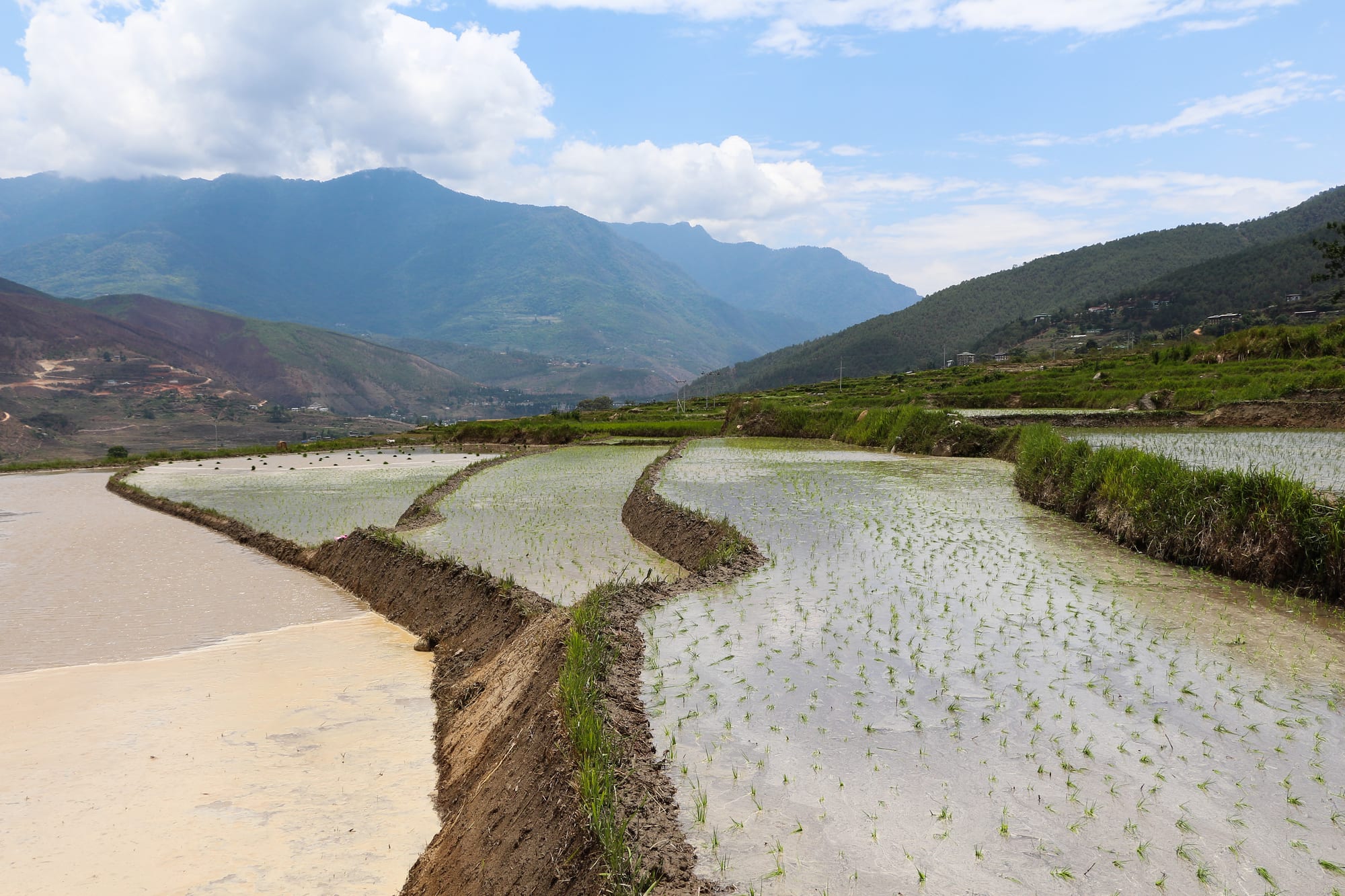
Bhutan is a small, mostly rural country of about 800,000 people, and an ordinary day for most of them still runs on the farming calendar rather than an office clock. Rice, buckwheat, potatoes and chillies are grown on terraced valley land worked by extended families, often with livestock kept in the high country beyond. What sets the country apart is less any single custom than an official one: the government treats happiness itself as a matter of policy, periodically surveying the population under the framework of Gross National Happiness, alongside more familiar measures like income and health.
Family and home life
Households are typically large and extended, and in many communities — though not uniformly across the whole country — land and the family home often pass down matrilineally, with daughters inheriting the house, a documented pattern that sets Bhutan apart from most of South Asia. Traditionally the husband moves into his wife's family home on marriage, though newlyweds may settle with whichever family most needs their labour, and younger generations increasingly split land evenly between all the children. Agriculture and forestry still provide the main livelihood for more than 60 percent of the population, and women do a large share of the farm work. Houses in the west are traditionally built of rammed earth and painted timber, and often house more than one generation under one roof.
Work, school and the rhythm of the day
Farming and herding remain the largest source of work, though arable land is limited and many remote farms still contend with unpaved roads and little cold storage, making the harvest itself a central organising fact of the year. English is the medium of instruction in all schools alongside Dzongkha, so many Bhutanese grow up bilingual, if not multilingual, given the number of regional languages spoken at home. Thimphu, the only real city, is small enough to have no traffic lights at all — traffic police direct the cars by hand at the busiest junctions instead. Hydropower sold to India, the country's largest export, and a strictly managed tourism sector, which charges visitors a nightly Sustainable Development Fee, are the main earners outside agriculture.
Community life and public spaces
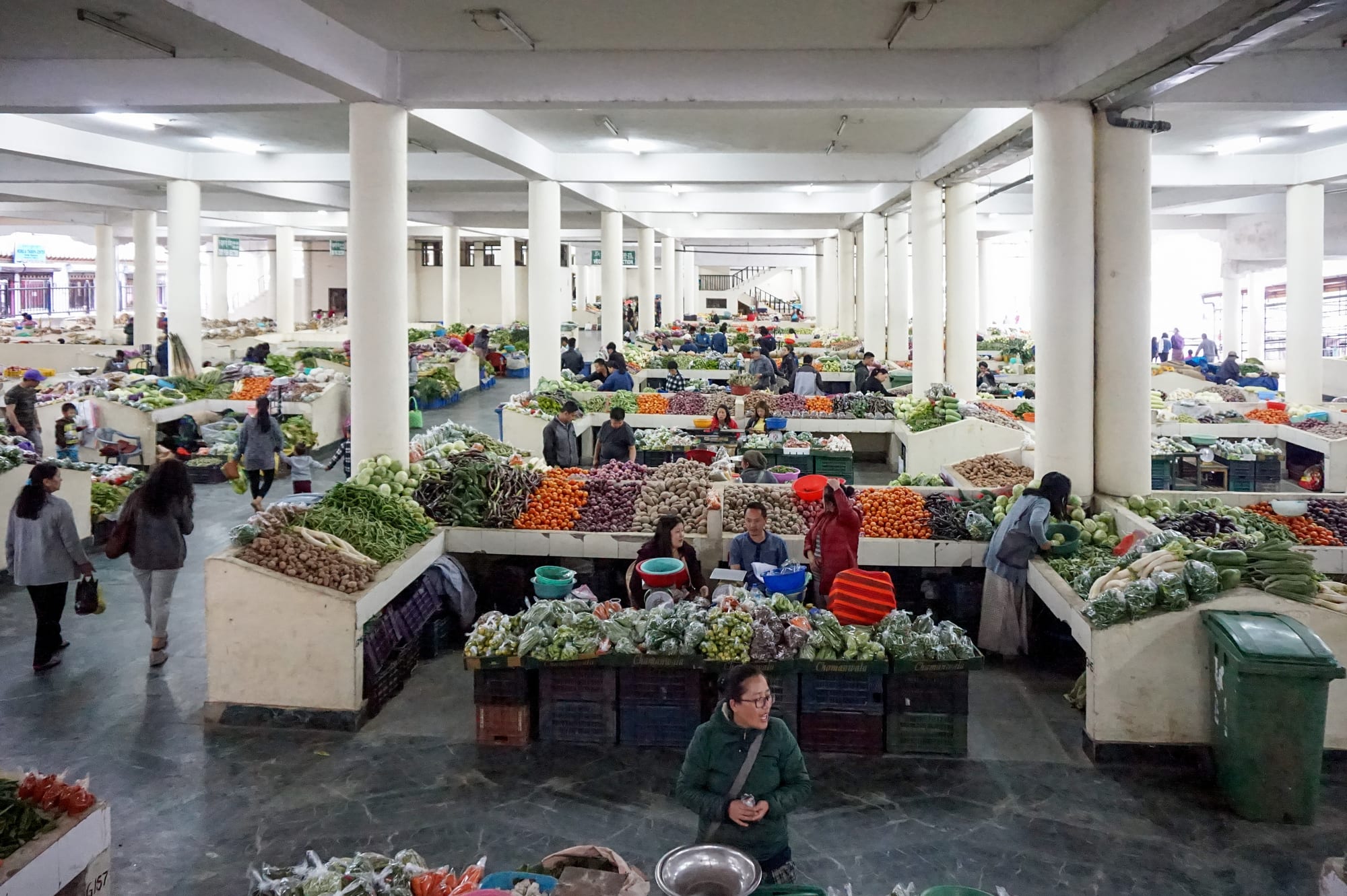
The dzong, a fortress-monastery built in every major valley, is the physical centre of both religious and civil life, combining a monastery with the local district administration under one roof — an arrangement dating to the country's seventeenth-century unification that still functions today. Village and town life is otherwise organised around the temple, the local school and the farming cycle rather than any single commercial centre, and weekly or periodic markets are the main place produce and goods change hands outside the largest towns.
Free time and weekends
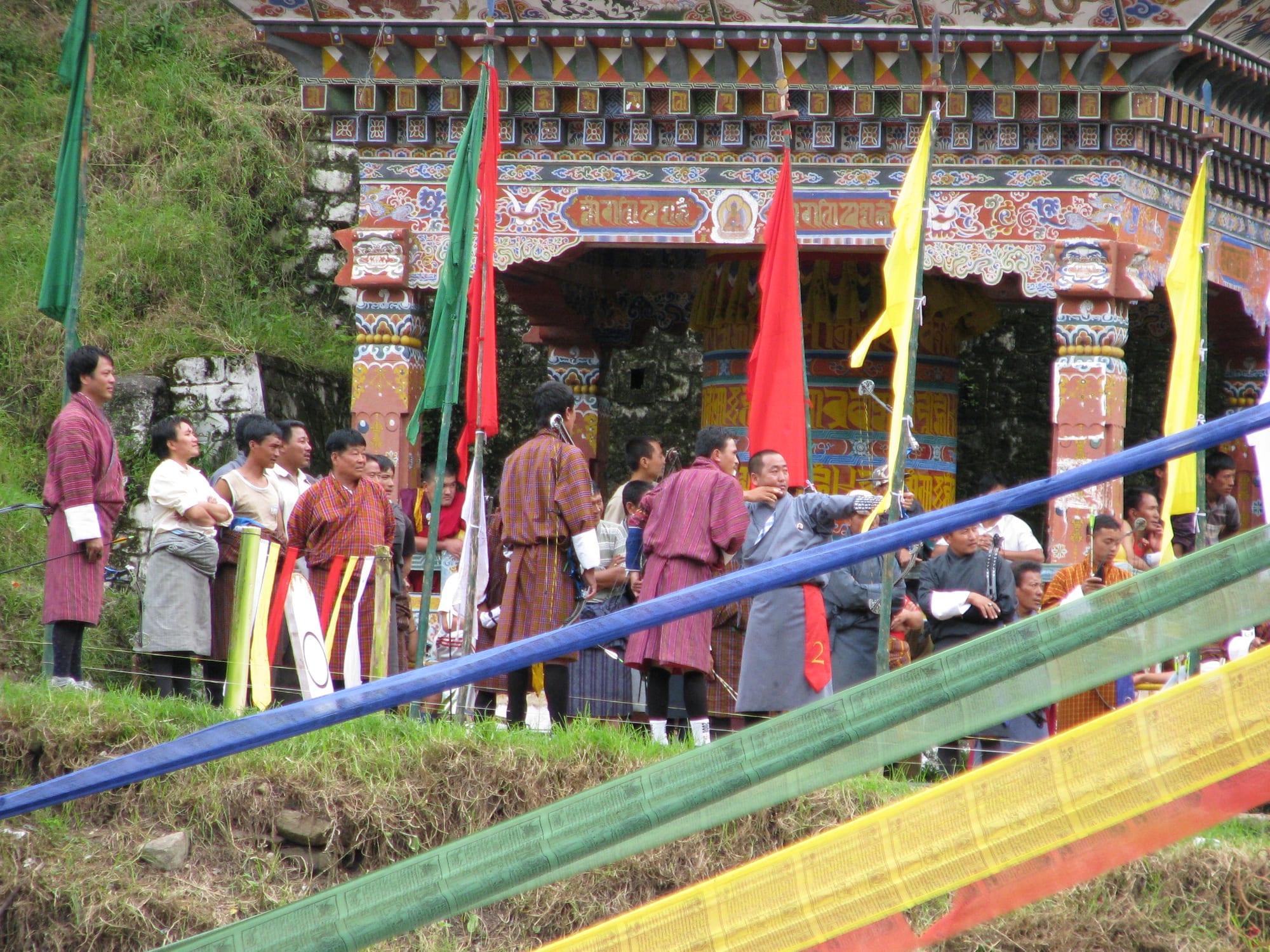
Archery, the national sport since 1971, is played in some form in almost every village and town, with ranges found nationwide rather than confined to cities. Matches are played between village, district and government-department teams, often at festivals and public holidays, and can run for a full day, drawing spectators as much as players. Outside archery, weekends bring family time, visits to the local temple and, where distance allows, travel to see relatives in another valley, since Bhutan's mountainous terrain still makes even short journeys slow.
A visitor's ordinary day
Since the 2022 reforms visitors may arrange their own hotels and itinerary, but many still book through a licensed Bhutanese operator, who arranges a guide, driver, hotels and permits; most visitors also pay the nightly Sustainable Development Fee, so a visitor's day is usually planned well in advance rather than improvised on the ground. Cards are unreliable outside the largest hotels, so US dollars in cash cover tips, drinks and souvenirs. Roads are narrow, winding mountain routes, and journeys take far longer than the map distance suggests. Paro's airport, the only international gateway, is served by a small number of flights that are easily delayed by weather, so it is worth building slack into any itinerary around arrival and departure days.
What to take away
What defines an ordinary day in Bhutan is a country still organised around the valley, the farm and the family rather than the city or the office — and a government that treats the wellbeing of that ordinary day as something worth measuring in its own right.