History · Bahrain
Bahrain: Dilmun, Pearls, and Oil
An ancient trading island in the Gulf — the sacred land of Dilmun, a pearling power, the first Arab state to strike oil, and a divided modern kingdom
By Worldlore Editorial · 19 September 2026
The island of two seas
Bahrain is a low limestone archipelago in the middle of the Persian Gulf, close enough to Saudi Arabia to be joined to it by a causeway. It is small — about 780 square kilometres — but it has fresh water: springs rise on the island and even from the seabed offshore, and one old explanation of the name Bahrayn, "the two seas", is the meeting of that sweet water with the salt. Those springs made the island fertile and, in antiquity, holy, and its position in the centre of the Gulf made it a natural trading post. Ancient Dilmun, the pearl fisheries, and the oil industry all grew from the same two advantages: water, and location.
A short history
- c. 3000–1000 BCE
Dilmun
A Bronze Age trading civilisation links Mesopotamia with the Indus Valley; Sumerians remember it as a paradise.
- c. 250 BCE – 600 CE
Tylos
The island passes through Greek, Parthian and Sasanian Persian rule and becomes a centre of Christianity.
- 628 CE
Islam
The people of Bahrain convert during the Prophet's lifetime.
- 1521–1602
The Portuguese
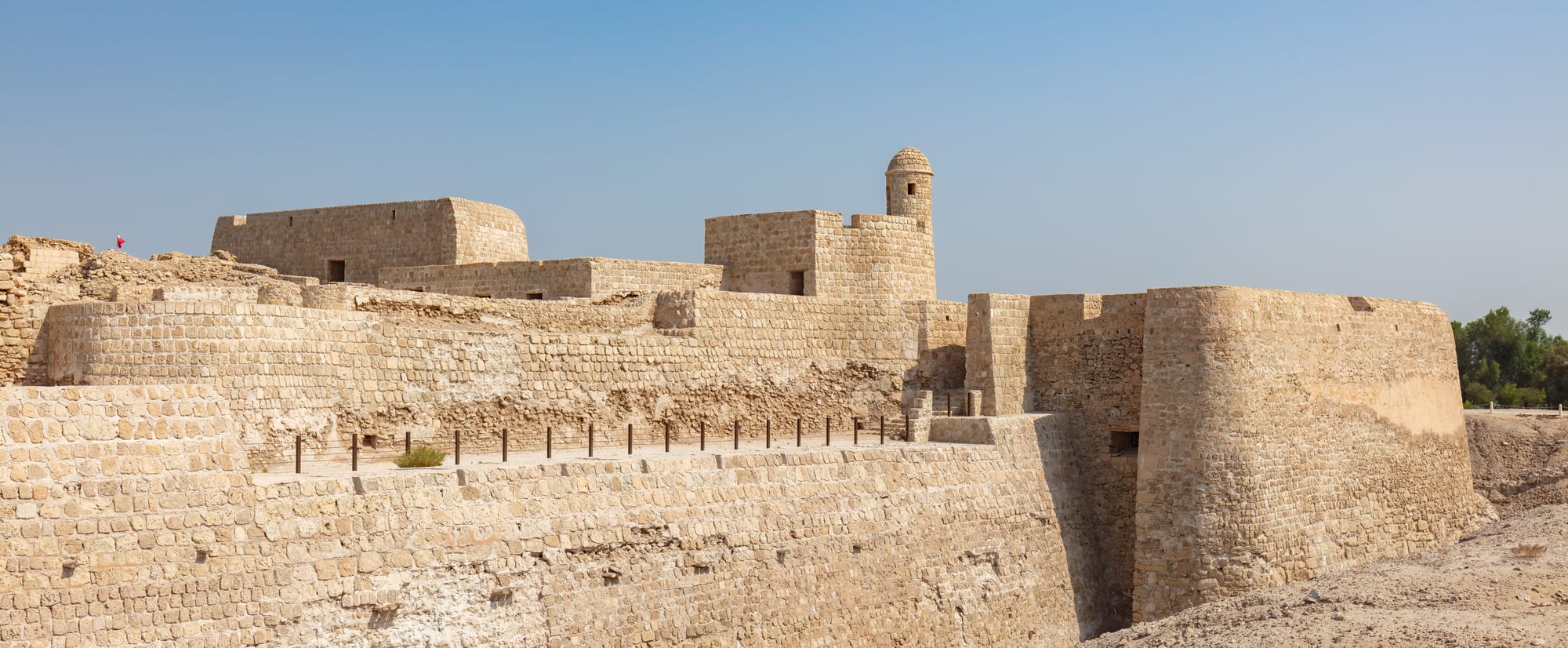
Portugal holds Bahrain and builds the fort at Qal'at al-Bahrain.
- 1783
The Al Khalifa
An Arab clan takes Bahrain from Persia; the dynasty still rules.
- 1861–1971
British protection
Treaties make Bahrain a British-protected state and, later, the seat of Britain's Gulf Residency.
- 1932
Oil
Bahrain is the first place on the Arab side of the Gulf to strike oil.
- 15 August 1971
Independence
Bahrain becomes a sovereign state; Iran drops its claim.
- 2011
The uprising
Mass protests at the Pearl Roundabout are crushed with Gulf military help.
Dilmun
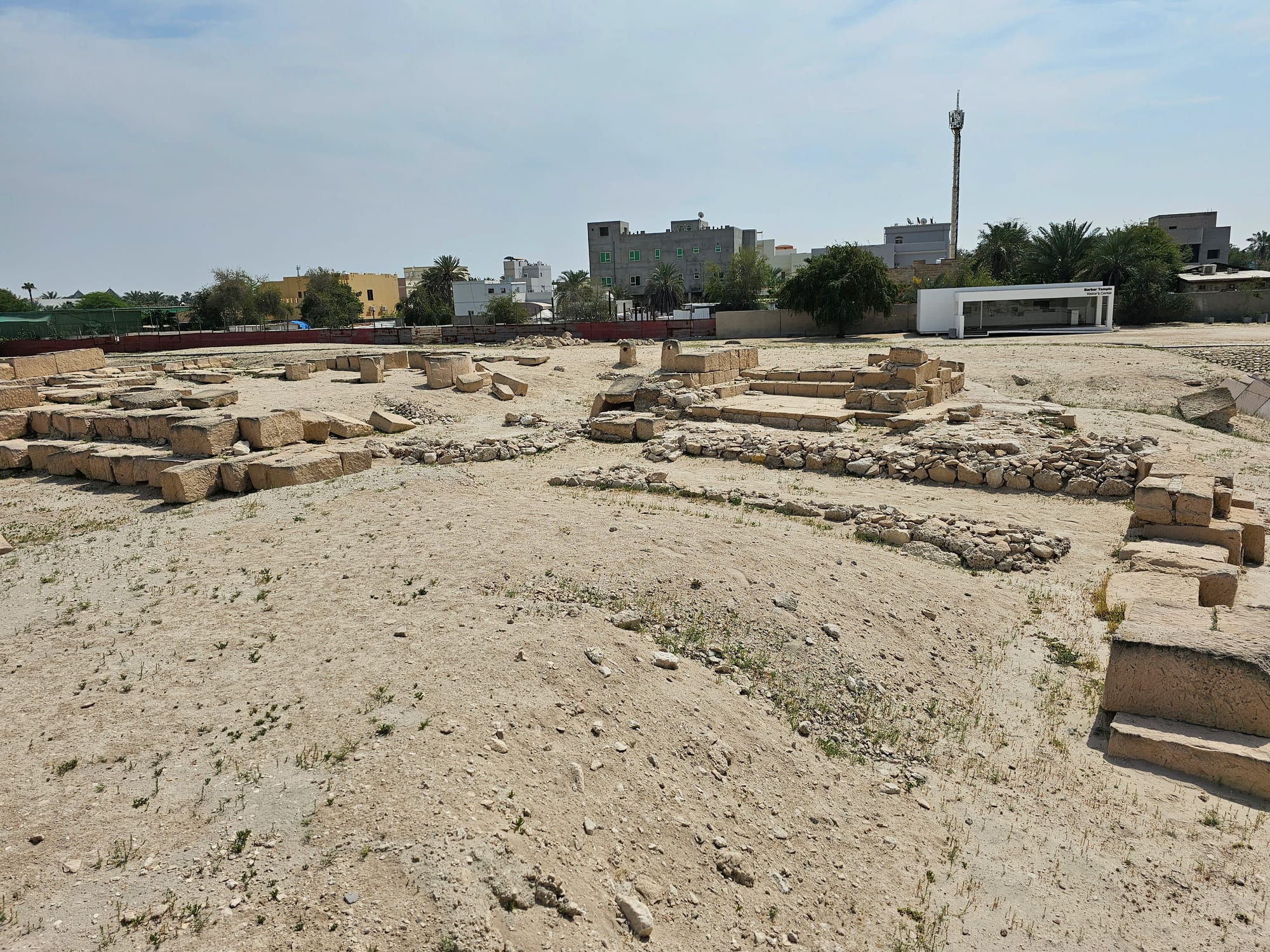
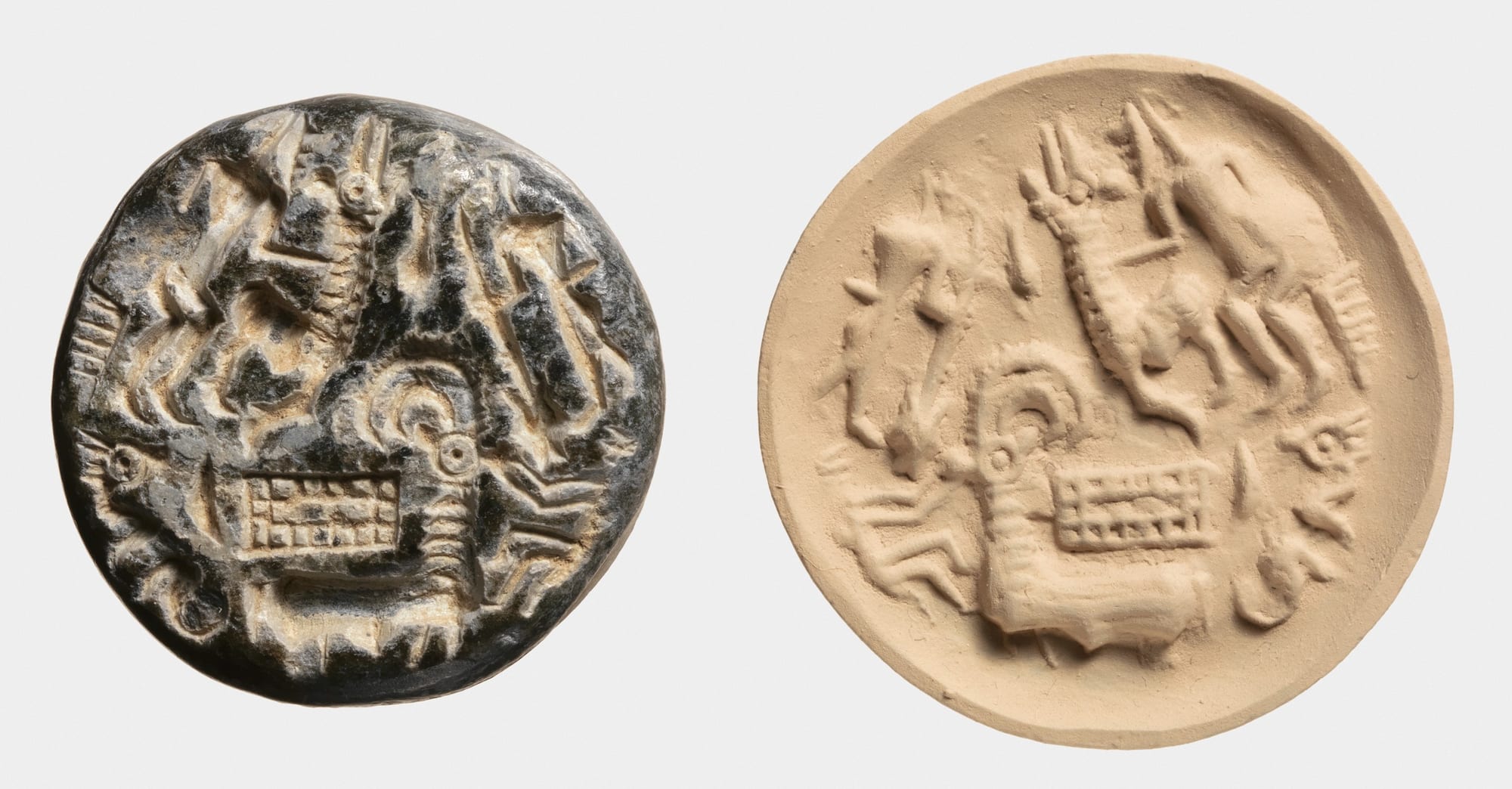
For most of the third and second millennia BCE, Bahrain was the heart of Dilmun, a trading power that sat between the great civilisations of the age. Sumerian texts describe it as a pure, blessed land where the gods placed the survivor of the flood, and as the entrepôt through which copper from Oman and goods from the Indus Valley reached Mesopotamia. The archaeology matches the texts: temple complexes at Barbar, a walled capital at Qal'at al-Bahrain, and a landscape once covered by tens of thousands of burial mounds — one of the largest ancient cemeteries anywhere.
The land of Dilmun
After Dilmun the island was known to the Greeks as Tylos, passed through Parthian and then Sasanian Persian rule, and became a seat of the Christian bishops of the Gulf coast before Islam arrived in 628. In the 10th century it was a stronghold of the Qarmatians, a radical Ismaili movement that ran an egalitarian state in eastern Arabia and once carried off the Black Stone from Mecca.
Pearls, the Al Khalifa, and the British
Bahrain was fought over for centuries — by the kings of Hormuz, the Portuguese, and Safavid Persia — while its pearl banks made it worth taking. In 1783 the Al Khalifa, an Arab clan that had moved down the Gulf from Kuwait, drove out the Persians and established the dynasty that still rules. Their rule set up Bahrain's enduring fault line: a Sunni tribal ruling family governing a population with a large, long-settled Shia majority.
In the 19th century Britain drew Bahrain into the network of treaties by which it controlled the Gulf. From 1861, and definitively from 1892, Bahrain's foreign affairs and defence were British, a Political Agent watched over the ruler, and in 1946 the island became the headquarters of Britain's entire Persian Gulf Residency.
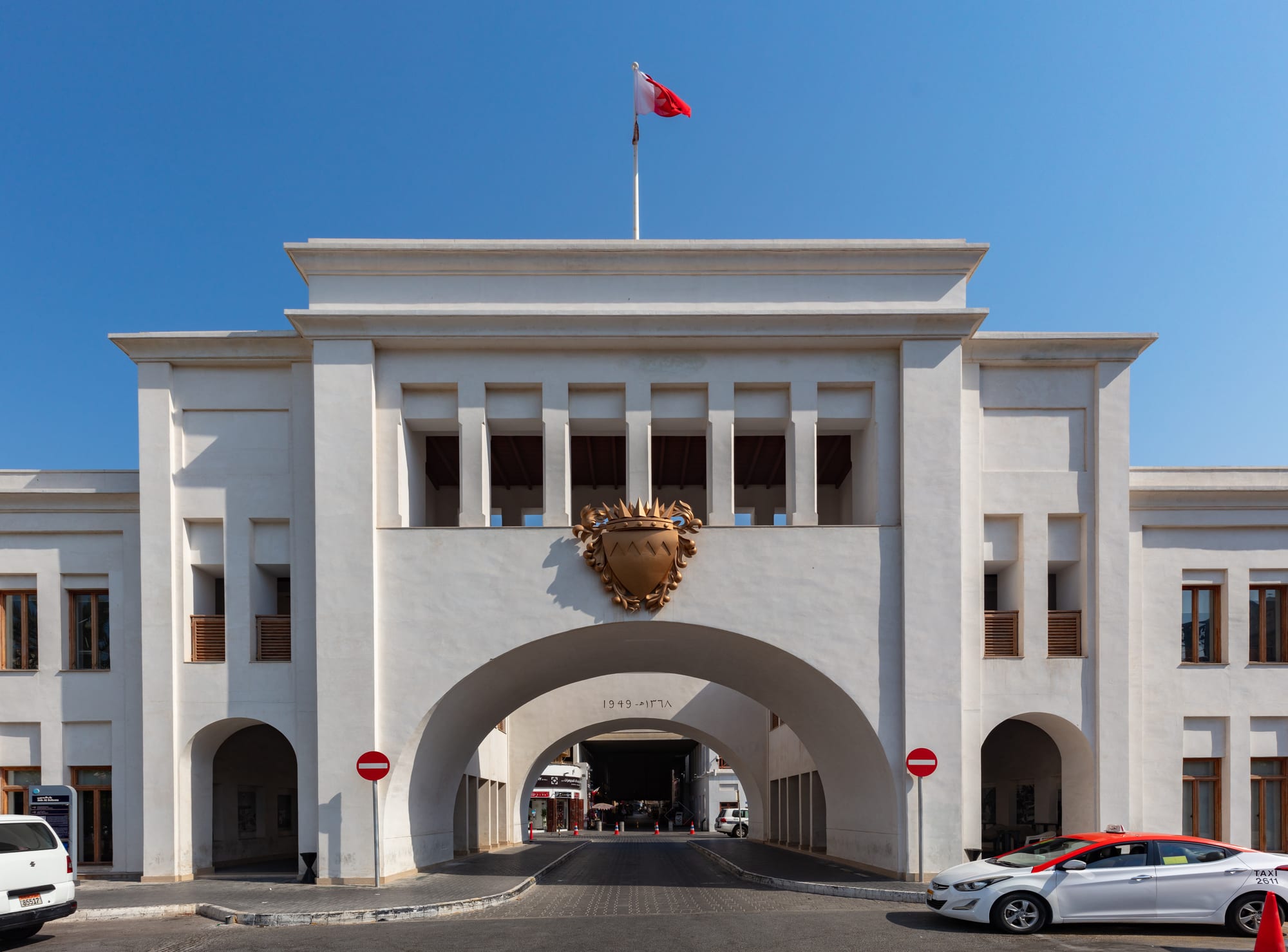
Through the 19th and early 20th centuries Bahrain was the leading pearl-diving centre of the Gulf. Hundreds of dhows sailed each summer; thousands of divers, many of them bonded by debt, worked the banks in brutal conditions; and a merchant class in Muharraq built the coral-stone houses that still stand. The industry collapsed almost overnight around 1930, ruined by the Depression and by the Japanese invention of the cultured pearl.
The first oil on the Arab shore
Bahrain was saved by a new resource. On 2 June 1932, a well drilled into the low ridge of Jebel Dukhan struck oil — the first commercial strike on the Arab side of the Gulf, six years before Saudi Arabia's and Kuwait's. The Bahrain Petroleum Company, American-owned, built a refinery and a company town, Awali, and oil money paid for the schools, hospitals and roads of a modernising state administered for 30 years by a British adviser, Charles Belgrave.
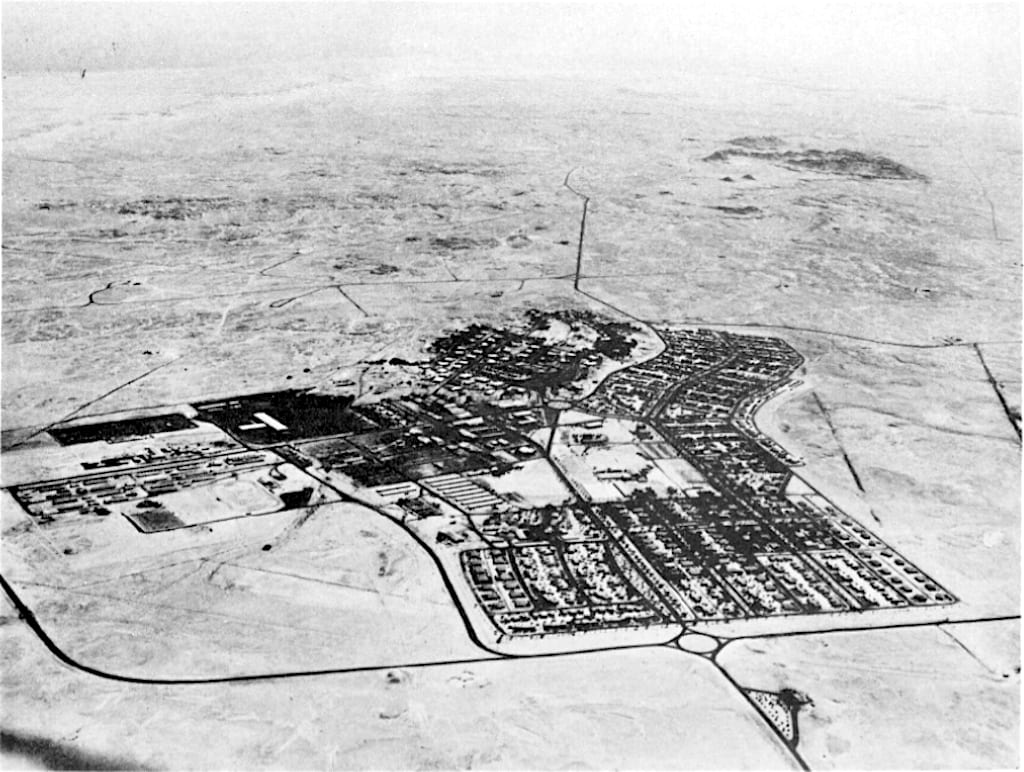
Bahrain's oil reserves, though, were always small, and they ran down early. That forced the country to diversify before its neighbours had to: an aluminium smelter in 1971, a big regional shipyard, and — as Beirut's civil war destroyed Lebanon's role — an offshore banking sector that made Manama the financial centre of the Gulf in the late 1970s and 1980s.
Independence and the divided kingdom
Britain withdrew from the Gulf in 1971, and Bahrain became independent on 15 August that year after a United Nations survey found its people wanted sovereignty rather than union with Iran, which had long claimed the islands. An elected National Assembly under a 1973 constitution lasted only two years before the ruler dissolved it and governed by decree. A Shia-led uprising ran through the 1990s.
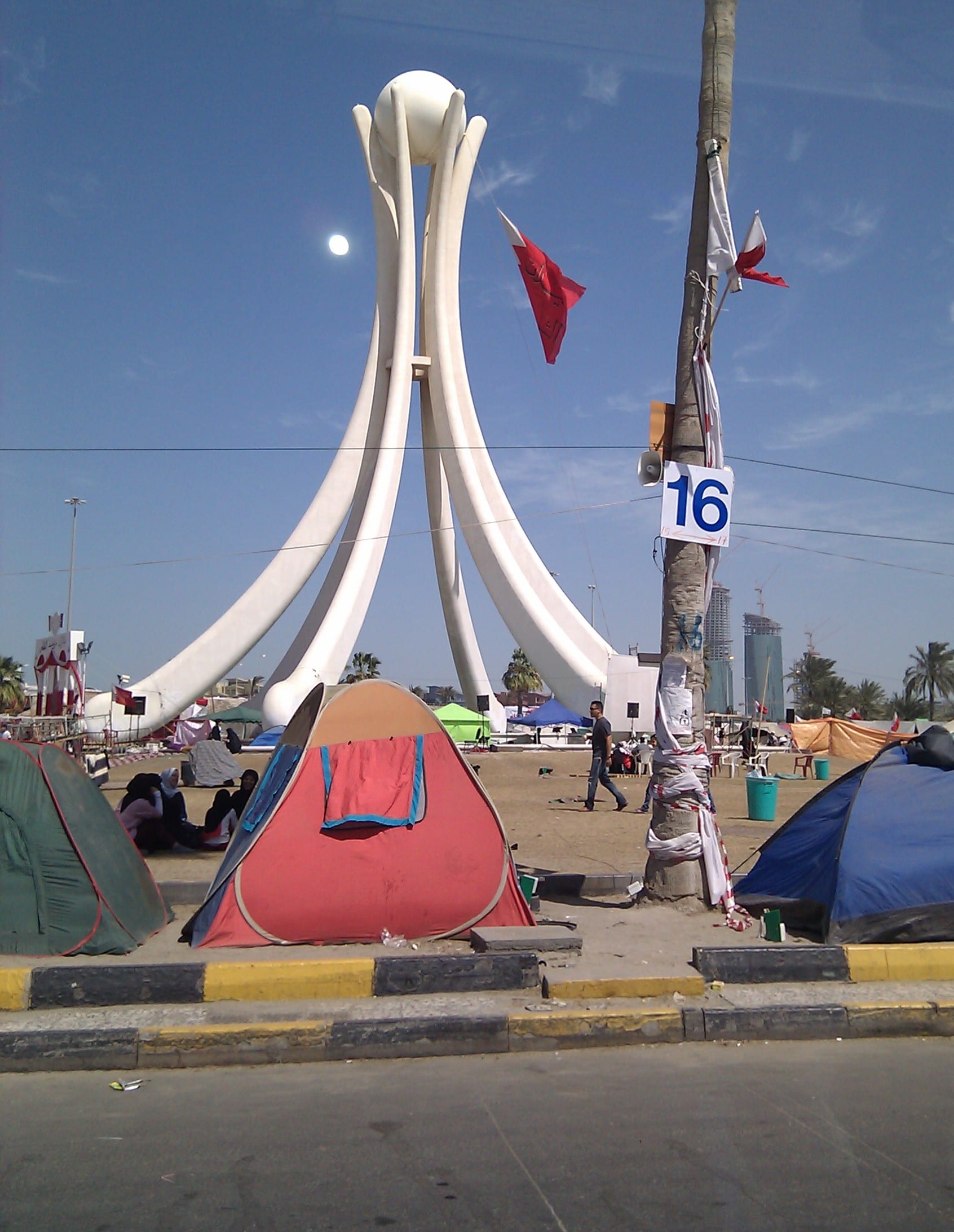
A promised opening after 1999 — a national charter, a return to elections, and the proclamation of a kingdom in 2002 — disappointed the opposition, because the new constitution kept real power with the ruler and an appointed upper house. When the Arab Spring reached Bahrain in February 2011, tens of thousands, mostly from the Shia majority, occupied the Pearl Roundabout demanding a genuine constitutional monarchy. The government crushed the protest, called in a Saudi-led Gulf military force, arrested opposition leaders, and later dissolved the main opposition party. An official inquiry documented systematic torture.
What Bahrain carries
Bahrain has been a crossroads for 4,000 years — Dilmun's warehouses, the pearling fleets, the first Gulf oil well, and now a banking centre and the base of the US Navy's Fifth Fleet. It industrialised and diversified earlier and more thoroughly than any of its oil-rich neighbours, out of necessity. But it has never resolved the division built into it in 1783: a small country where a Sunni dynasty rules a Shia-majority population, and where the demands raised at the Pearl Roundabout have been suppressed rather than answered.