History · Austria
Austria: The Empire That Became a Small Country
From a Danube frontier march to 600 years of Habsburg rule over half of Europe — and the difficult century after the empire fell
By Worldlore Editorial · 10 September 2026
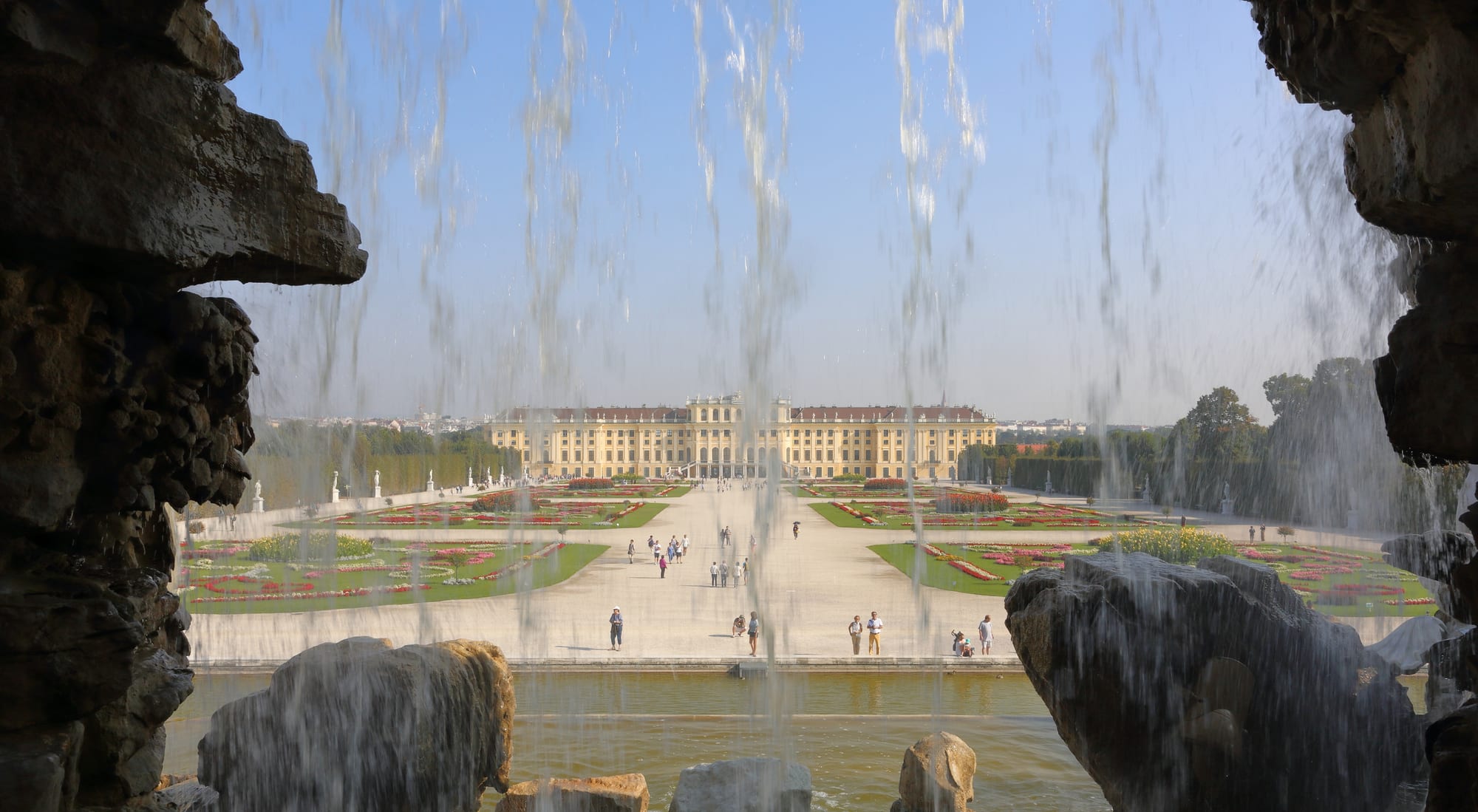
A big history in a small country
Austria today is a neutral Alpine republic of about nine million people. For most of the previous six centuries it was the centre of one of Europe's great powers: a sprawling, multilingual monarchy ruled by the House of Habsburg that at various times took in Hungary, Bohemia, northern Italy, the Low Countries, and much of the Balkans, and whose head was usually also Holy Roman Emperor. The defining fact of modern Austrian history is the drop from one to the other — the moment in 1918 when the empire dissolved and left behind a small German-speaking country that, at first, almost nobody thought could survive on its own.
A short history
- 1st c. CE
Roman Danube
Vindobona (Vienna) and Carnuntum guard the frontier province of Noricum.
- 996
"Ostarrîchi"
The name Austria first appears, for a frontier march ruled by the Babenberg family.
- 1278–1282
The Habsburgs arrive
Rudolf I defeats Ottokar of Bohemia and gives Austria to his sons.
- 1438–1806
The imperial crown
Habsburgs hold the title of Holy Roman Emperor almost without a break.
- 1683
The siege of Vienna
An Ottoman army is thrown back; the Habsburgs go on to take all of Hungary.
- 1740–1780
Maria Theresa
She centralises and modernises the monarchy after losing Silesia to Prussia.
- 1867
Austria-Hungary
The empire is reorganised as a dual monarchy.
- 1918
The empire falls
Defeat in the First World War breaks Austria-Hungary into nation-states.
- 12 March 1938
The Anschluss
Nazi Germany annexes Austria.
- 15 May 1955
The State Treaty
The Allies end their occupation; Austria declares permanent neutrality.
March, duchy, and the coming of the Habsburgs
The Romans held the Danube here with forts at Vindobona and Carnuntum. After them came Germanic and Slavic settlement and, from the late 8th century, a Frankish frontier march against the Avars and Magyars. The name Austria — Ostarrîchi, the "eastern realm" — is first recorded in 996, when the march was held by the Babenberg family, who were raised to dukes in 1156 and made Vienna their seat. When the last Babenberg died in 1246, the duchy was seized by King Ottokar II of Bohemia — until 1278, when the German king Rudolf of Habsburg defeated and killed Ottokar in battle and, four years later, granted Austria to his own sons. The Habsburgs would rule it for the next 636 years.
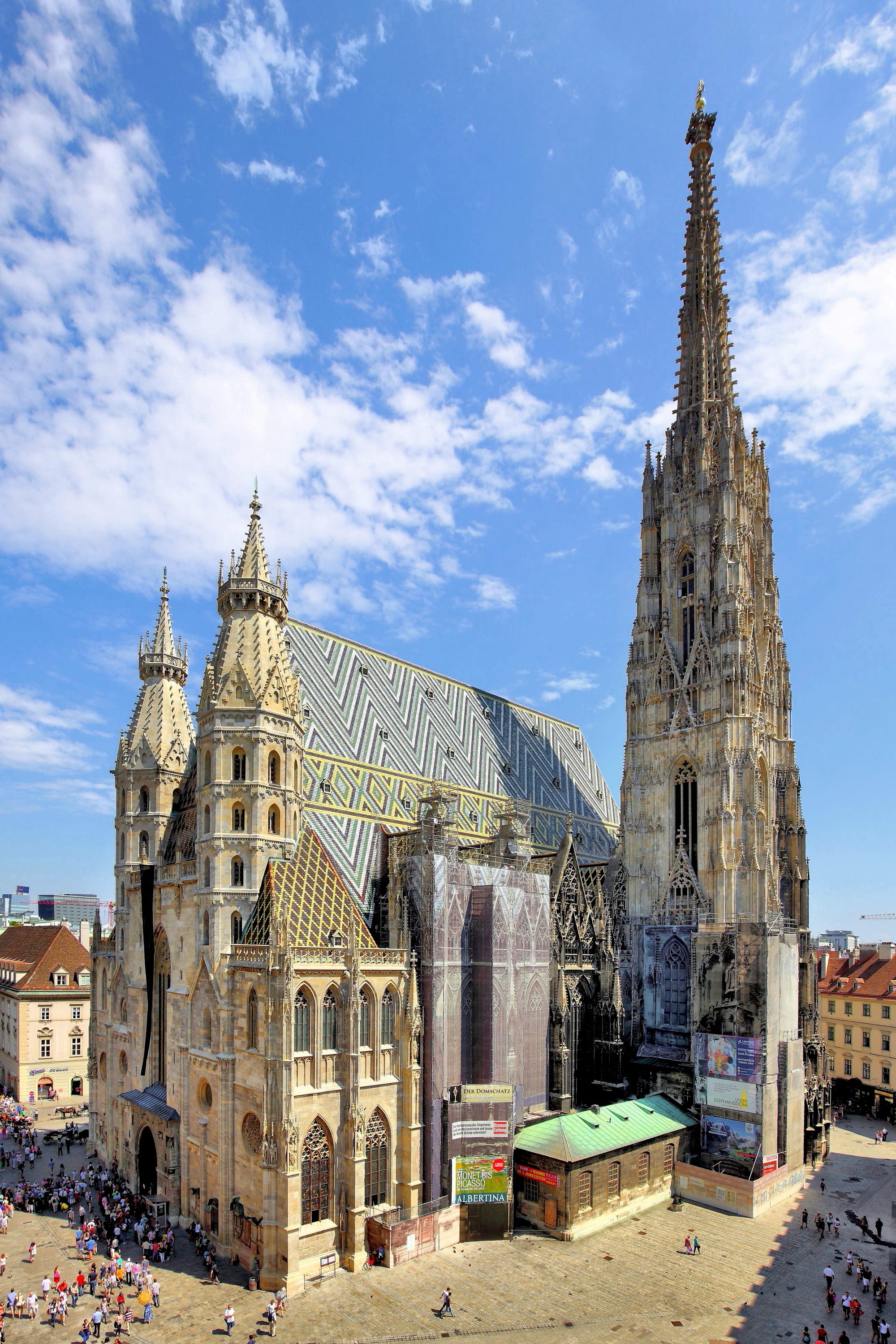
Vienna grew under the Habsburgs from a Danube trading town into the seat of an empire, its cathedral the burial place of dukes and the symbol of the city through every siege that followed.
Marriage, empire, and the Turks
The Habsburgs expanded less by war than by marriage. Maximilian I married the heiress of Burgundy; his descendants gained Spain and its new American empire, and in 1526, when the king of Hungary and Bohemia was killed fighting the Ottomans at Mohács, those crowns too passed to the family. That is how a dynasty based in Vienna came to rule a belt of territory across Europe, and how Austria acquired the multi-ethnic character it kept until 1918.
The Ottoman Empire twice tried to take Vienna itself — in 1529, and again in 1683, when a huge army under Kara Mustafa besieged the city for two months before a Polish and Imperial relief force broke the siege at the Battle of Kahlenberg. The wars that followed pushed the Ottomans out of Hungary for good and left the Habsburgs the masters of the whole Danube basin.
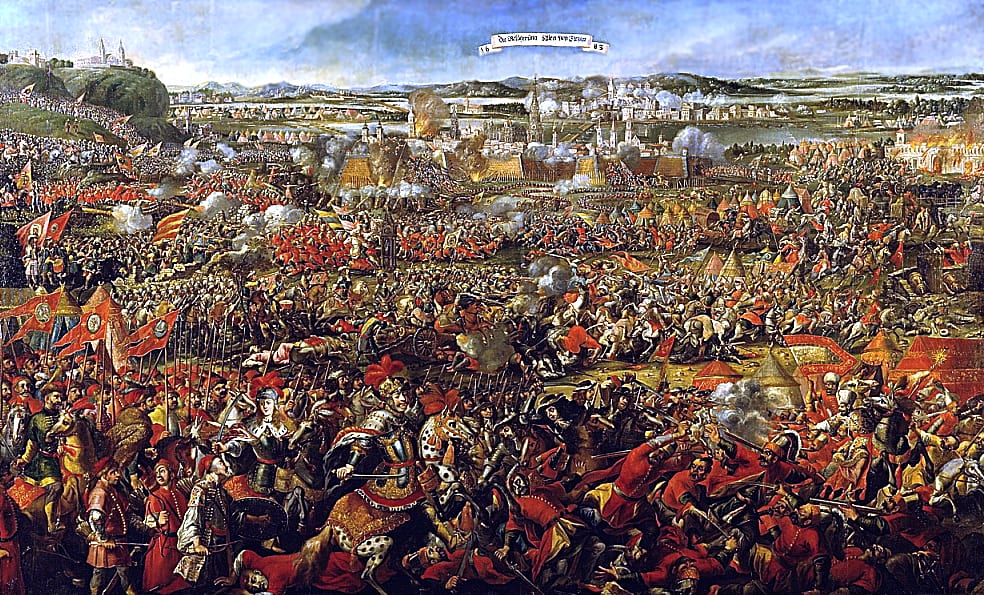
Within 16 years of the relief of Vienna, Habsburg armies had driven the Ottomans out of Hungary and Transylvania, roughly doubling the territory the dynasty controlled.
Maria Theresa and the reforming century
The 18th century opened badly: no male heir. A family law, the Pragmatic Sanction, let Maria Theresa inherit in 1740, and she promptly had to fight a war for it, losing the rich province of Silesia to Prussia. She spent the next 40 years turning a loose collection of lands into something more like a modern state — standing army, central bureaucracy, tax reform, compulsory schooling. Her son Joseph II went further and faster, easing serfdom, granting religious toleration and closing hundreds of monasteries, though much of it was undone after his death.
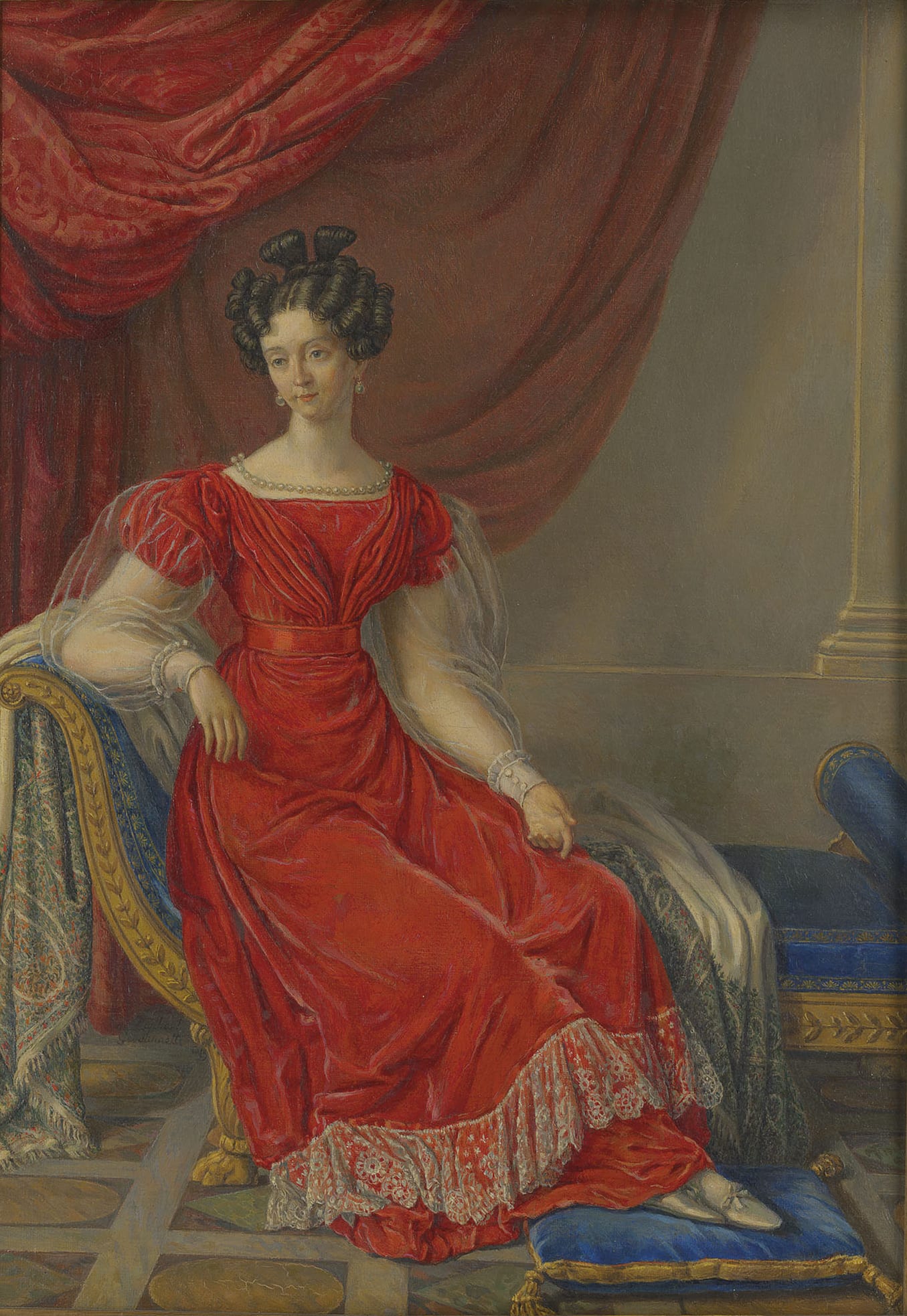
The Napoleonic Wars battered the monarchy. In 1804 the emperor hedged his bets by proclaiming a new title, Emperor of Austria, and in 1806 he dissolved the thousand-year-old Holy Roman Empire outright. Austria came out of the wars on the winning side, and at the Congress of Vienna in 1814–15 its chancellor, Metternich, presided over the redrawing of Europe and made Austria the leading power in both Germany and Italy.
Dual monarchy and fin-de-siècle Vienna
That dominance did not last. Revolutions swept the empire in 1848; the teenage Franz Joseph came to the throne and would hold it for 68 years. Defeats by France in 1859 and Prussia in 1866 pushed Austria out of Italy and out of Germany, and in 1867 the monarchy was reorganised as Austria-Hungary — two states with one sovereign, sharing an army and a foreign policy, uneasily balancing a dozen nationalities.
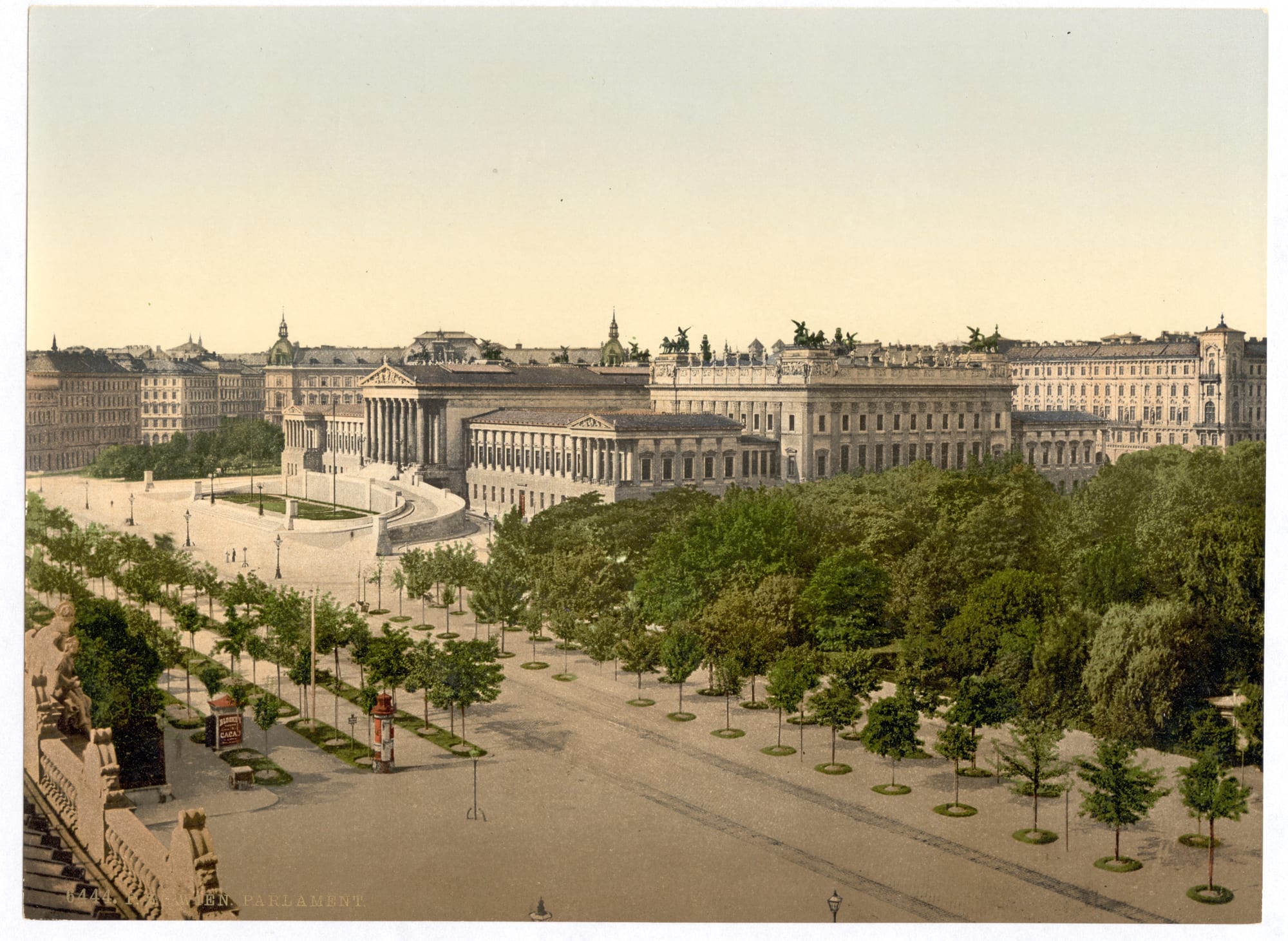
Late imperial Vienna was, for all its political strain, one of the most creative cities in the world — the Vienna of Freud, Klimt, Mahler, Schoenberg and Wittgenstein — but it was also a place of sharpening nationalism and organised antisemitism. In June 1914 the heir to the throne, Archduke Franz Ferdinand, was assassinated in Sarajevo. Austria-Hungary's ultimatum to Serbia set off the First World War, and four years later the empire lost it and fell apart into a row of new nation-states.
The state nobody wanted
What remained was a small, German-speaking republic centred on Vienna — a capital built for 50 million people now governing barely six. The victors forbade it to join Germany. The First Republic was poor and bitterly divided, with rival party militias, and in 1933–34 the chancellor Engelbert Dollfuss shut down parliament, crushed the Social Democrats in a brief civil war, and set up a one-party "Austrofascist" state. He was murdered by Austrian Nazis in a failed coup in July 1934.
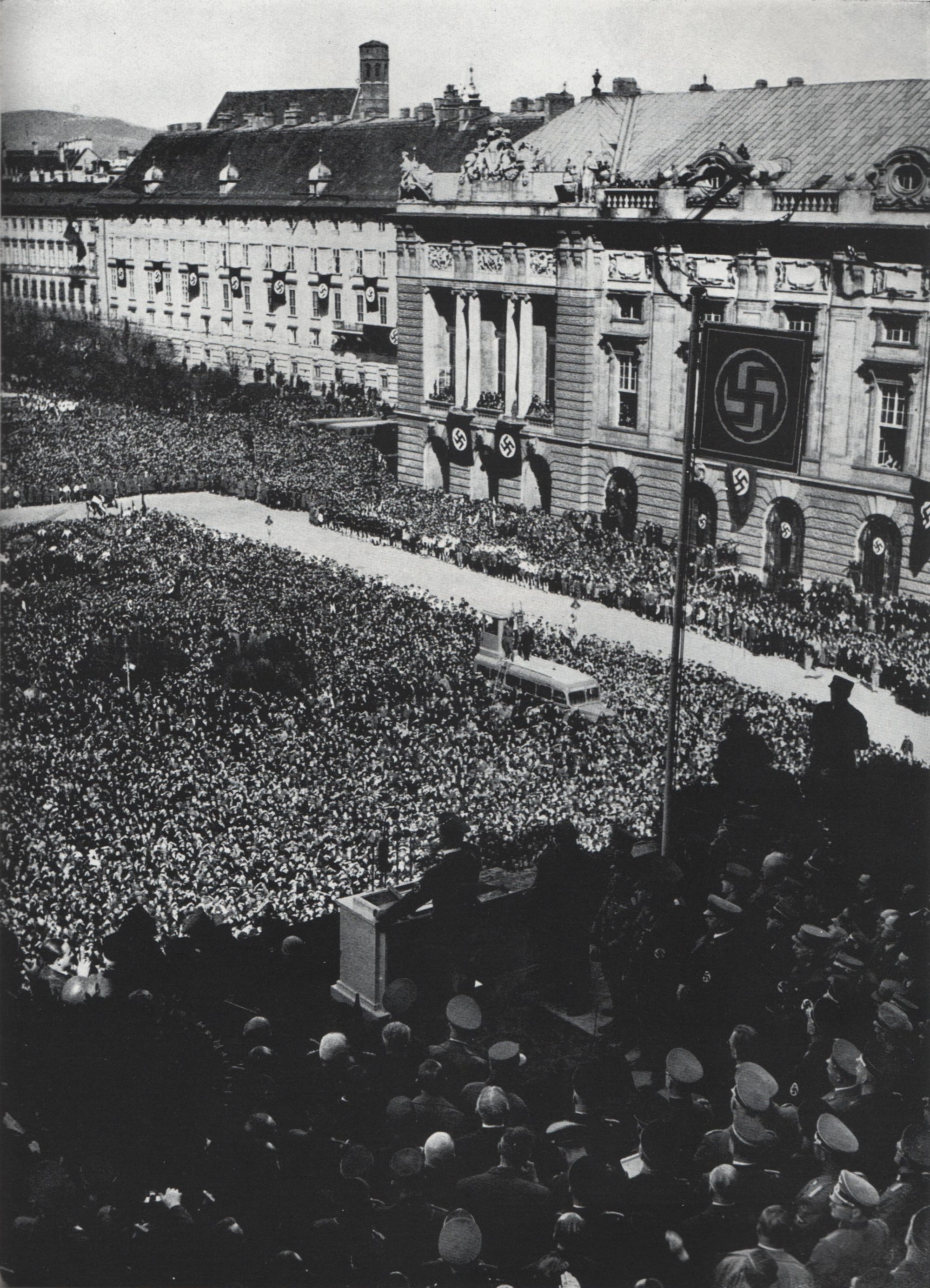
On 12 March 1938 German troops crossed the border and Austria was absorbed into the Reich. Many Austrians welcomed the Anschluss; Austria's roughly 200,000 Jews, most of them in Vienna, faced immediate violence, and about 65,000 were murdered in the Holocaust. Austrians were heavily represented among the Nazi regime's functionaries. In the war that followed, Austria was bombed, fought over, and finally occupied.
Neutrality and the Second Republic
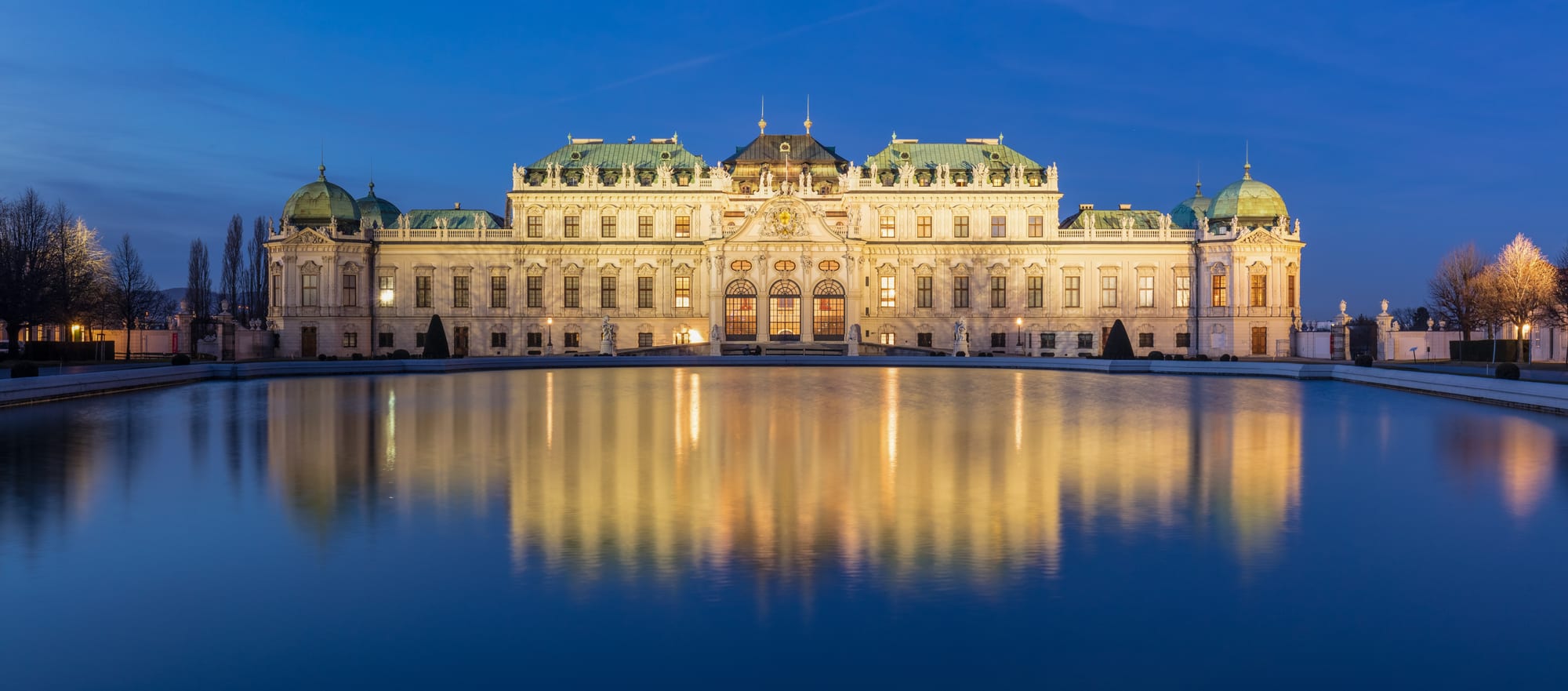
In 1945 the four Allied powers occupied Austria in zones, with Vienna itself divided between them, and allowed a republic to re-form. An Allied declaration of 1943 had called Austria "the first victim" of Nazi aggression, and postwar Austria leaned hard on that idea to avoid reckoning with how many of its people had been enthusiastic participants. Ten years of occupation ended on 15 May 1955 with the Austrian State Treaty, signed at the Belvedere palace, which restored full sovereignty; in exchange, Austria wrote permanent neutrality into its law.
The Second Republic became one of Europe's stable success stories: prosperous, governed for decades by grand coalitions of the two big parties, and cushioned by a system of institutionalised bargaining between business and labour. The comfort of the victim narrative held until 1986, when the election of Kurt Waldheim as president, despite disclosures about his wartime army service, forced a public argument about complicity that Austria had put off for 40 years. The government formally acknowledged shared responsibility for Nazi crimes in 1991.
Austria now
Austria joined the European Union in 1995 and adopted the euro, while keeping the neutrality that has kept it out of NATO. Its politics since the 1990s have been marked by the strength of the far-right Freedom Party, which has entered government more than once. The country that was written off in 1918 as too small to stand is now, by most measures, one of the wealthiest and most stable in Europe — its capital a monument to an empire it no longer has.