Attractions & Natural Wonders · Austria
Austria: Ten Attractions and Natural Wonders
Habsburg palaces, a lake village that launched a thousand postcards, a high alpine road over a glacier, and abbeys above the Danube
By Worldlore Editorial · 19 September 2026
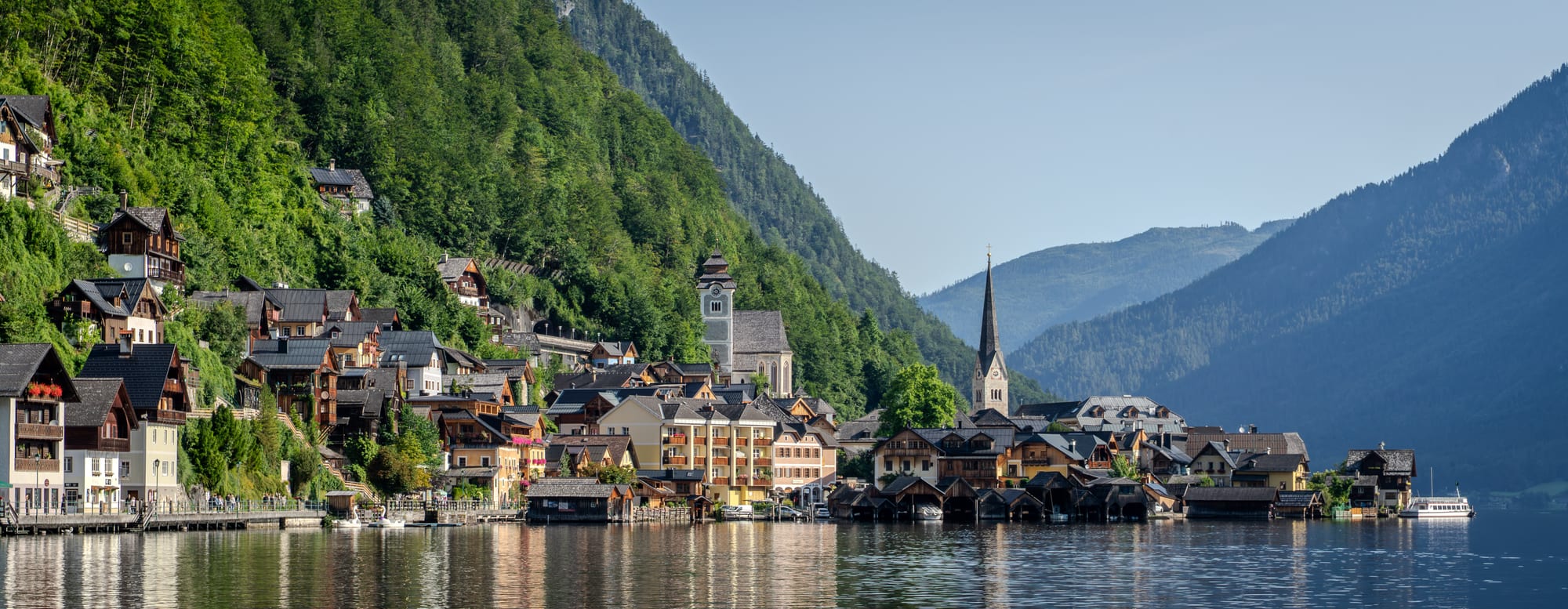
Empire, mountains, and music
Austria is a small country that used to run a very large empire, and much of what you come to see dates from that time: the palaces and museums of imperial Vienna, the baroque abbeys along the Danube, the old salt-trading towns of the Salzkammergut. The other half of the appeal is the Alps, which cover most of the west — glaciers, high passes, and ski towns.
The ten below run from Vienna in the east to Innsbruck in the west, with the lake district and Salzburg in between. The country is compact and the trains are excellent. Summer is best for the mountains and lakes; December for Christmas markets; the ski season runs roughly December to April.
1. Schönbrunn Palace, Vienna
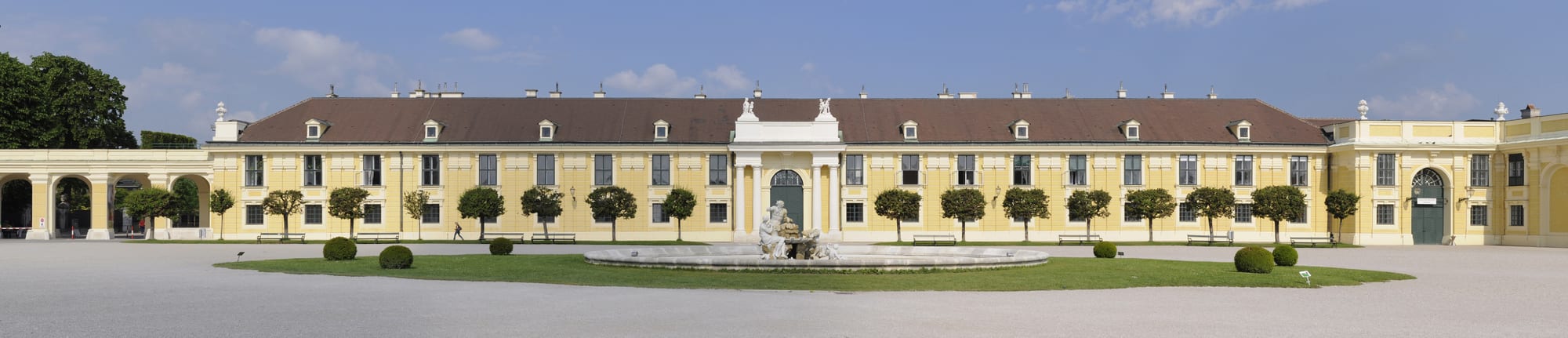
Schönbrunn was the Habsburgs' summer palace, a baroque and rococo pile of 1,400 rooms on the edge of Vienna. The state rooms — where Mozart played as a six-year-old, and where the emperor Franz Joseph was born and died — are the main visit, but the free gardens are half the point: a formal parterre rising to the Gloriette arcade on the hill, plus a maze, a palm house, and the world's oldest surviving zoo.
It is a UNESCO World Heritage Site and Austria's most-visited attraction; book a timed ticket ahead.
2. Historic Vienna and the Hofburg
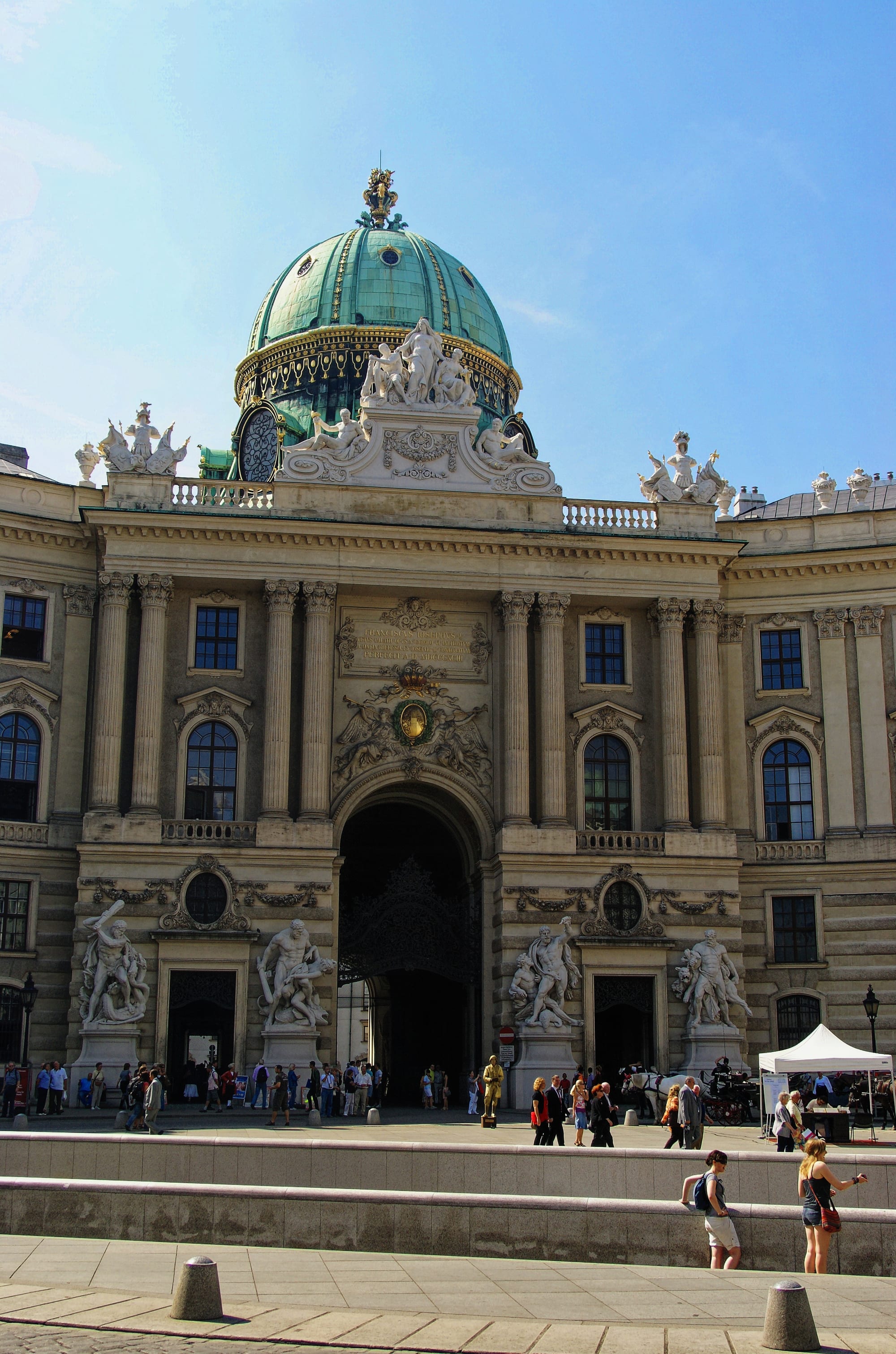
Vienna's centre is a UNESCO World Heritage Site and a near-complete imperial capital. The Hofburg, the winter palace, is a city within a city: the imperial apartments and Sisi Museum, the Spanish Riding School with its Lipizzaner horses, the treasury with the crown jewels, and the national library's baroque hall.
Around it runs the Ringstrasse, the grand 19th-century boulevard lined with the opera house, parliament, city hall, and the twin Kunsthistorisches and Naturhistorisches museums. The Belvedere, with Klimt's The Kiss, is a short walk south.
3. St Stephen's Cathedral
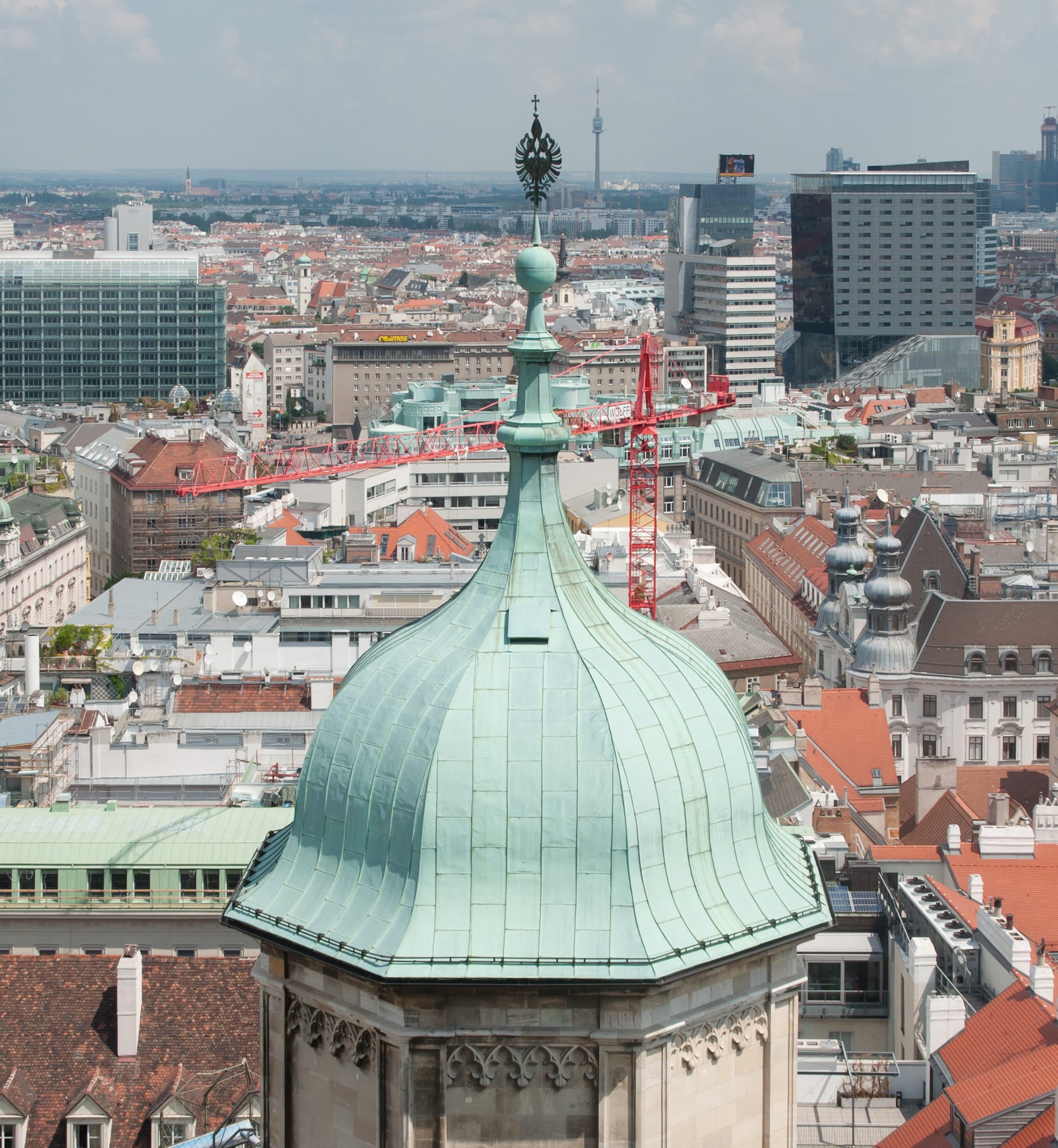
The Stephansdom, in the middle of Vienna's old town, is the city's emblem: a Gothic cathedral begun in the 12th century, with a 137-metre south tower — the "Steffl" — that you can climb by 343 steps, and a famously colourful tiled roof. Below, catacombs hold the bones of tens of thousands of plague victims and the preserved organs of the Habsburgs.
It is free to enter the back of the nave; the towers, catacombs, and treasury have separate tickets. The square outside is the natural centre of the city.
4. Salzburg
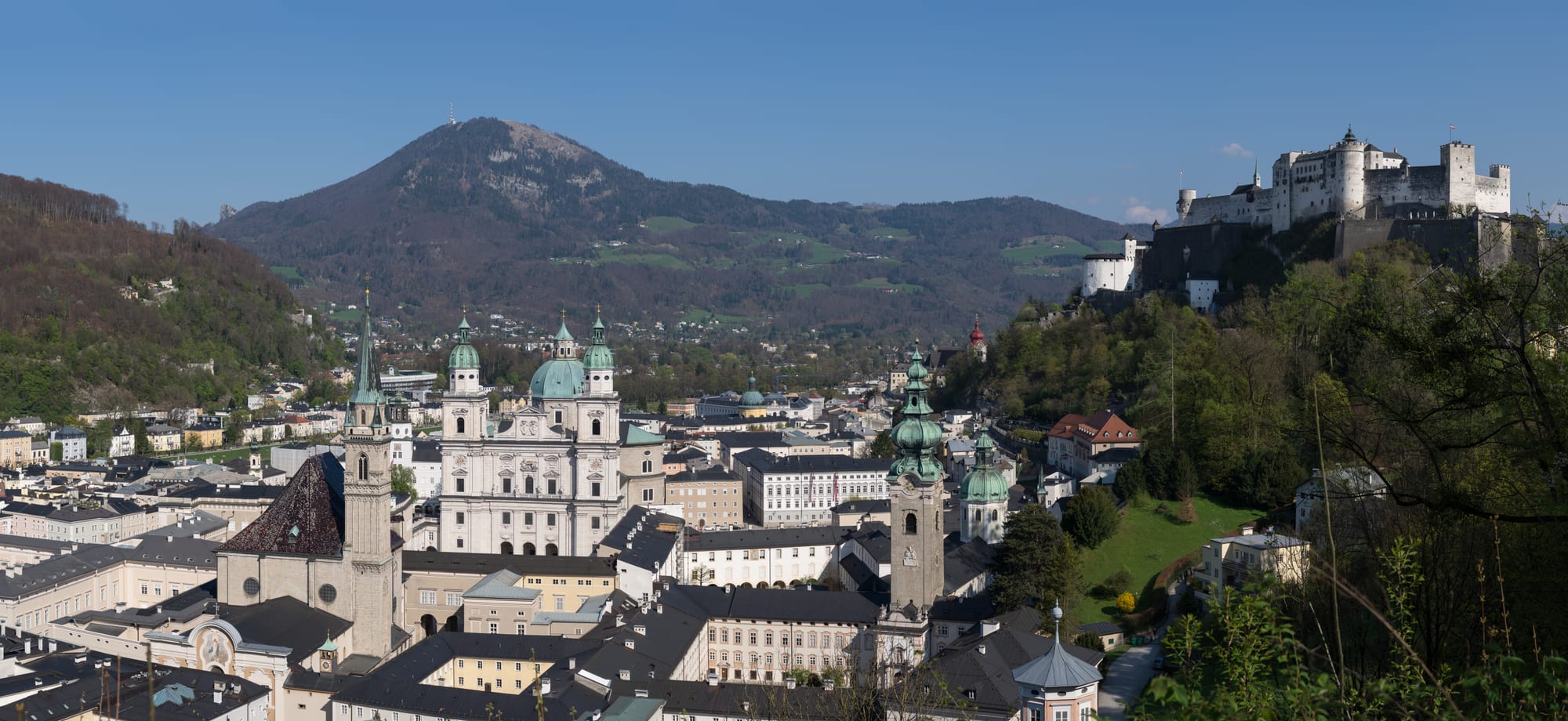
Salzburg grew rich on salt and on the near-absolute power of its prince- archbishops, who left it a compact baroque old town of churches, squares, and palaces below a huge medieval fortress, the Hohensalzburg. It is a UNESCO World Heritage Site, Mozart's birthplace (his house on Getreidegasse is a museum), and, for many visitors, The Sound of Music pilgrimage — the Mirabell gardens, the lake palaces, the abbey.
The fortress, reached by funicular, is the best viewpoint. The old town is small enough to see on foot in a day.
5. Hallstatt and the Salzkammergut
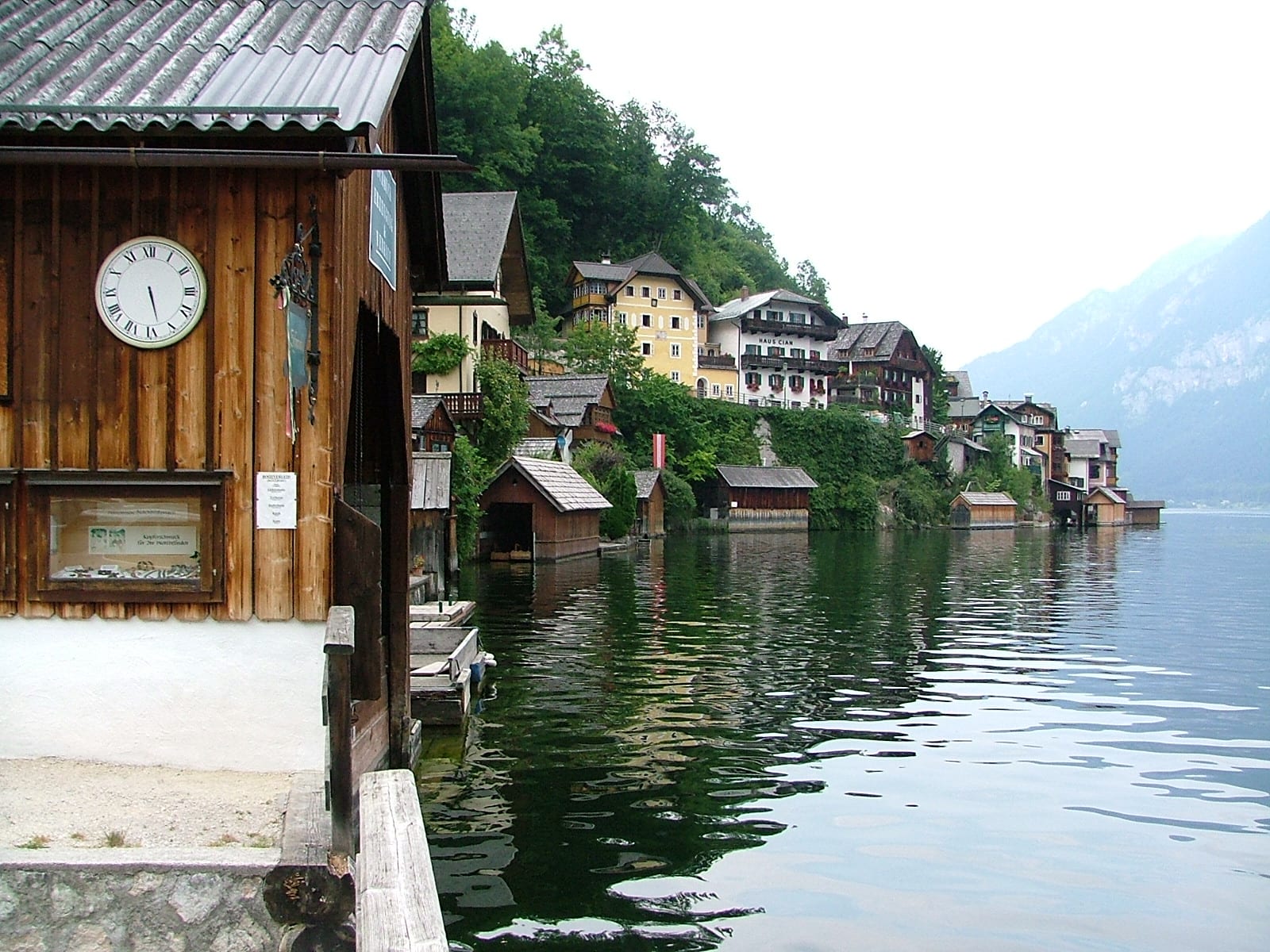
Hallstatt is a village of tall houses crammed onto a narrow ledge between a lake and a cliff, so short of flat ground that its old cemetery reuses graves and keeps the skulls in a chapel. Above it, a salt mine has been worked for seven millennia, long enough that an Iron Age culture is named after the place. A funicular and skywalk lead up to the mine and the view.
Hallstatt is very small and now very busy; the wider Salzkammergut lake district — Bad Ischl, the Wolfgangsee, the Traunsee — is quieter and just as pretty.
6. The Grossglockner High Alpine Road
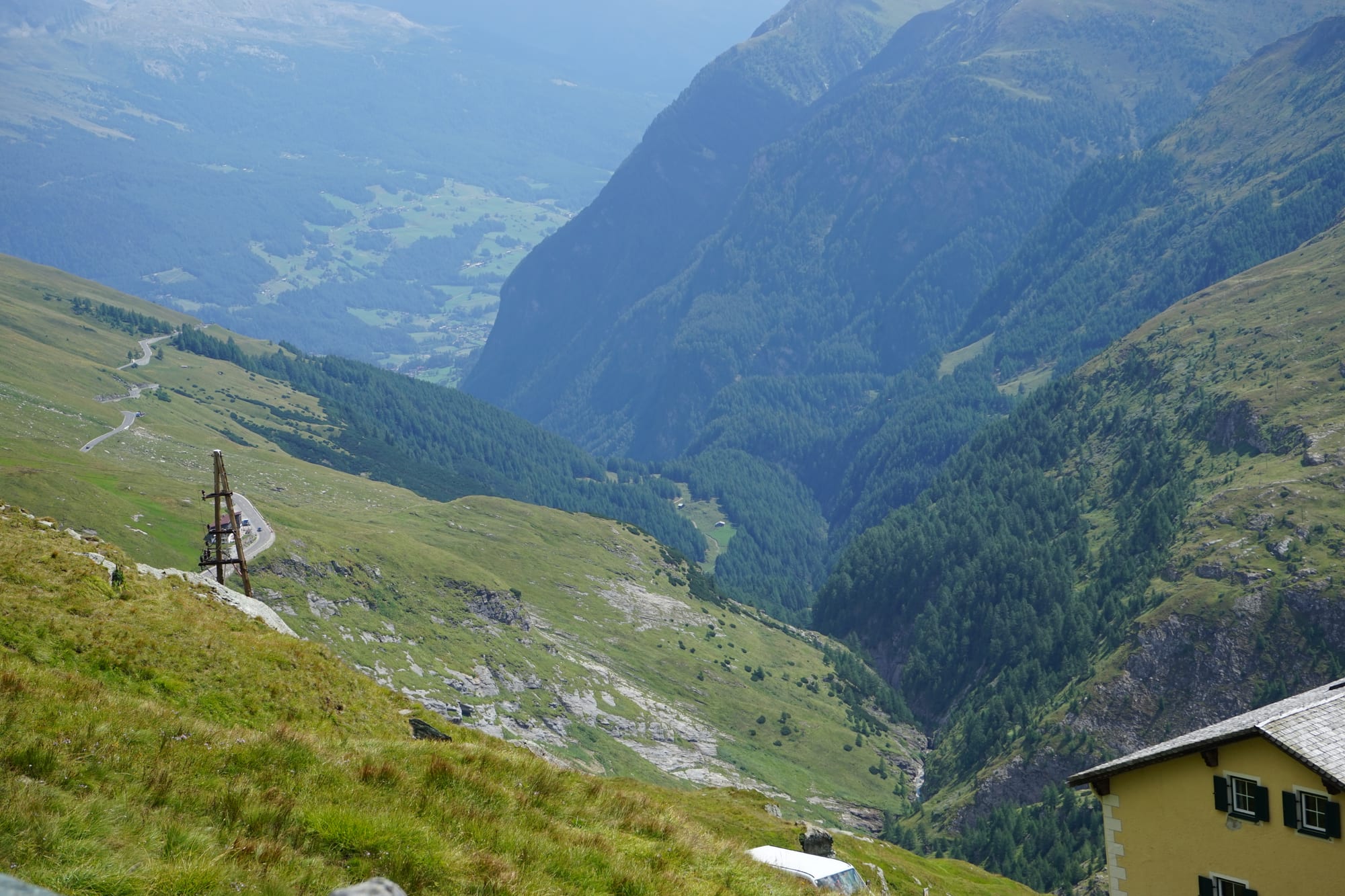
This toll road, opened in 1935, switchbacks over a high pass in the Hohe Tauern National Park, with 36 numbered hairpins and viewpoints along the way. A spur runs out to the Kaiser-Franz-Josefs-Höhe, a terrace looking straight at the 3,798-metre Grossglockner and the Pasterze, Austria's largest glacier — which is visibly shrinking year by year.
The road is open roughly May to early November only, and it is a destination in itself: allow half a day, watch for marmots and ibex, and expect weather to change fast.
7. Melk Abbey
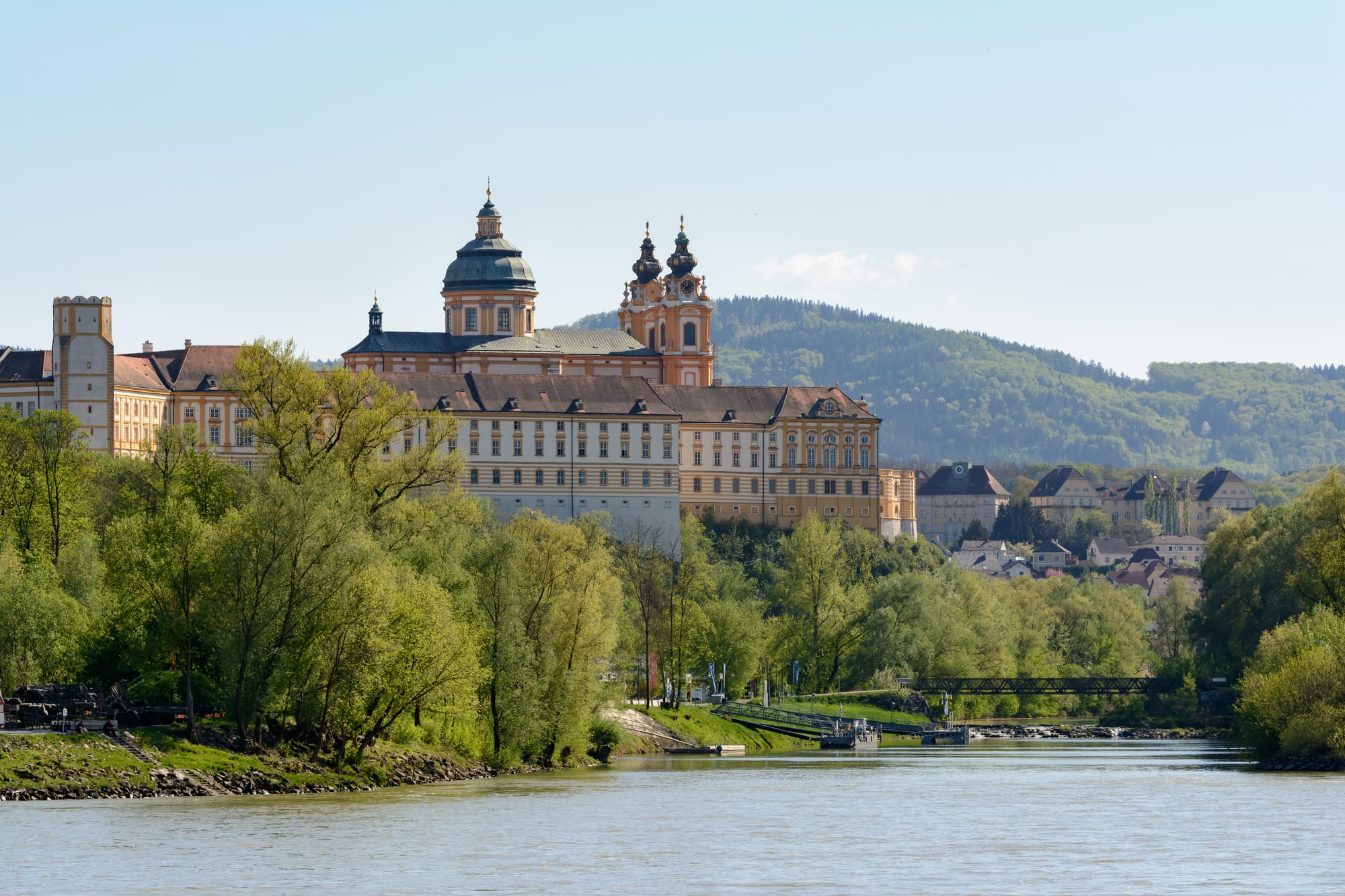
Melk is a working Benedictine monastery, founded in 1089, rebuilt in the early 1700s as one of the great baroque buildings of central Europe: a 320-metre-long ochre pile on a bluff over the Danube, with a gilded church, a frescoed marble hall, and a library of 100,000 volumes under a painted ceiling.
It stands at the upstream end of the Wachau, and the classic combination is to tour the abbey, then take a boat or cycle the riverside path downstream through the vineyards.
8. Innsbruck
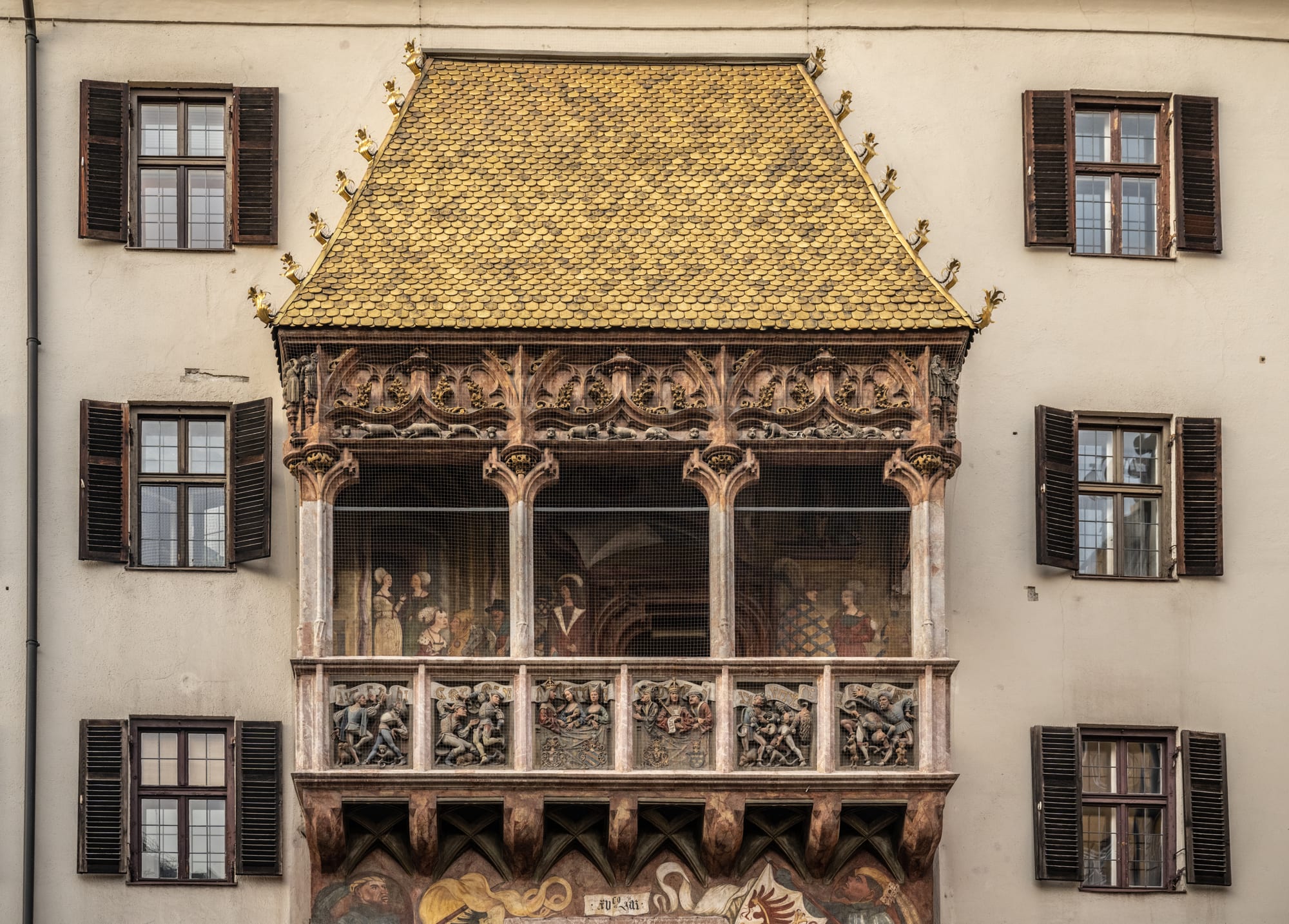
Innsbruck sits in a broad valley with the Nordkette range rising almost sheer above the rooftops — a cable car from the centre reaches 2,300 metres in about 20 minutes. The old town has the Golden Roof, an oriel window roofed in 2,657 gilded tiles, the imperial palace and church (with Maximilian's grand empty tomb), and the ski jump remodelled by Zaha Hadid.
It has hosted the Winter Olympics twice, and it is the easiest city in Austria from which to be on a mountain within half an hour.
9. Hohenwerfen and the Eisriesenwelt
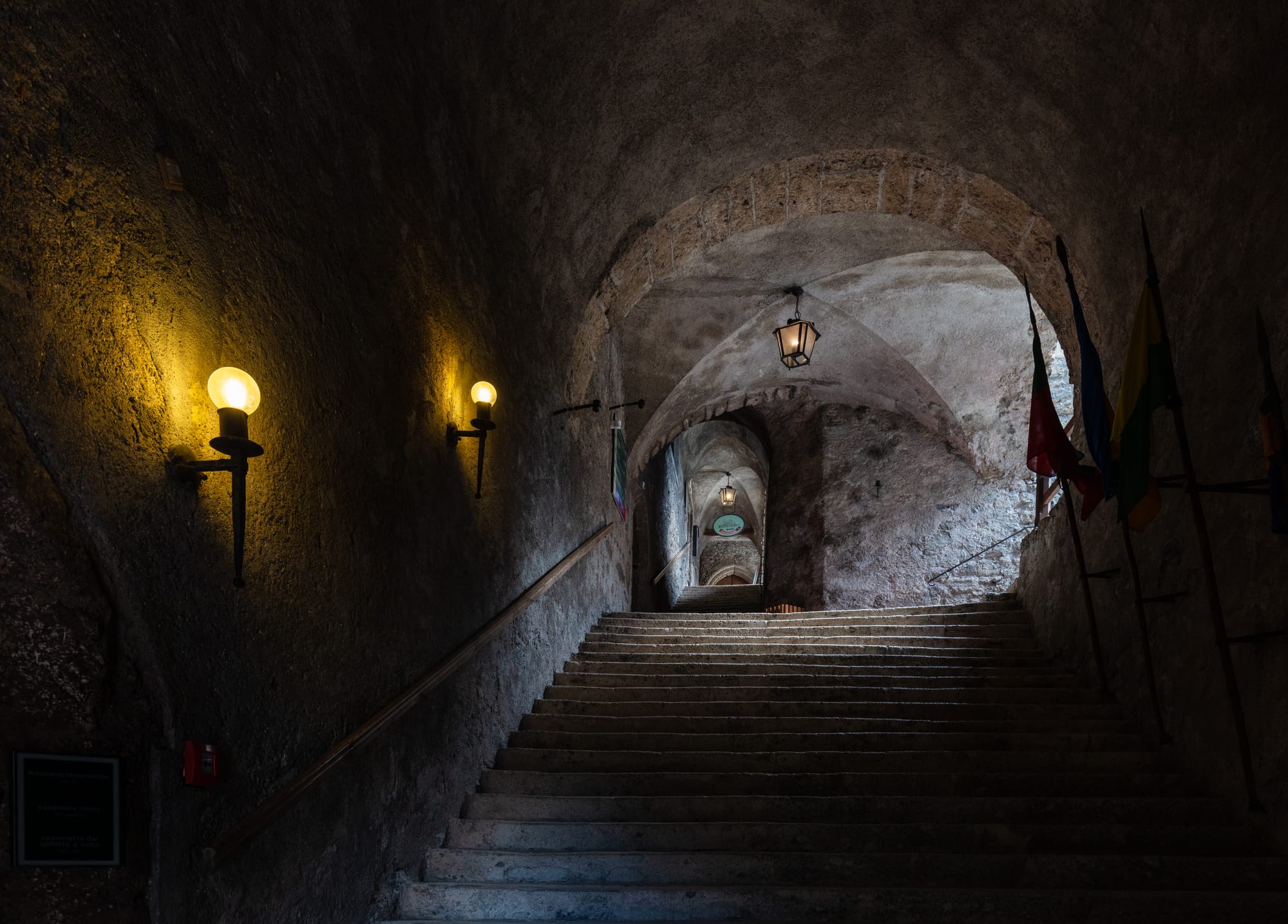
Forty minutes south of Salzburg, the 11th-century Hohenwerfen fortress stands on a crag above the town of Werfen, with a falconry display that flies eagles and vultures over the valley. On the mountainside opposite is the Eisriesenwelt, the largest ice cave in the world — more than 40 kilometres of passages, the first kilometre of them filled with ice formations that you tour by carbide lamp.
The cave is open May to early November and reached by a steep walk and a cable car; take warm clothes even in summer.
10. The Wachau and Dürnstein
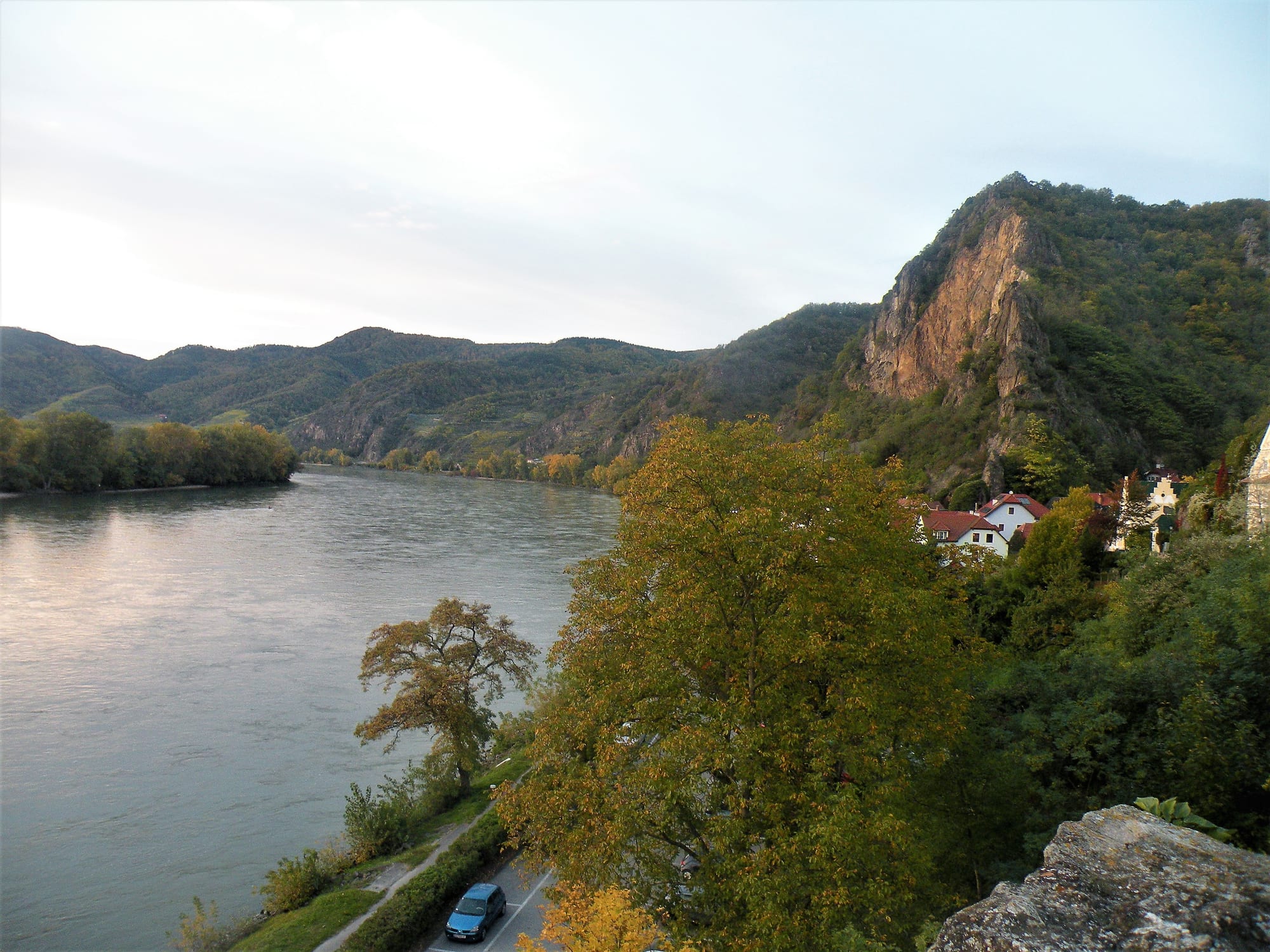
The Wachau is a 30-kilometre stretch of the Danube between Melk and Krems where the river cuts through terraced vineyards, apricot orchards, and small wine villages — a UNESCO cultural landscape. Its prettiest town is Dürnstein, with a powder-blue abbey church and, on the crag above, the ruined castle where the Austrian duke held Richard I of England prisoner on his way back from the Crusades.
The valley is made for cycling (a flat riverside path runs the whole way), for river boats, and for a night in a Heuriger wine tavern.
Austria is a country you can cover by train from a couple of bases — Vienna and Salzburg, or Vienna and Innsbruck — with everything on this list within a half-day's reach of one or the other.