Daily Life · Austria
Austria: A Country That Closes for Sunday
Small households, a coffee that is never rushed, and a nationwide law that shuts almost every shop from Saturday evening until Monday morning
By Worldlore Editorial · 30 September 2026
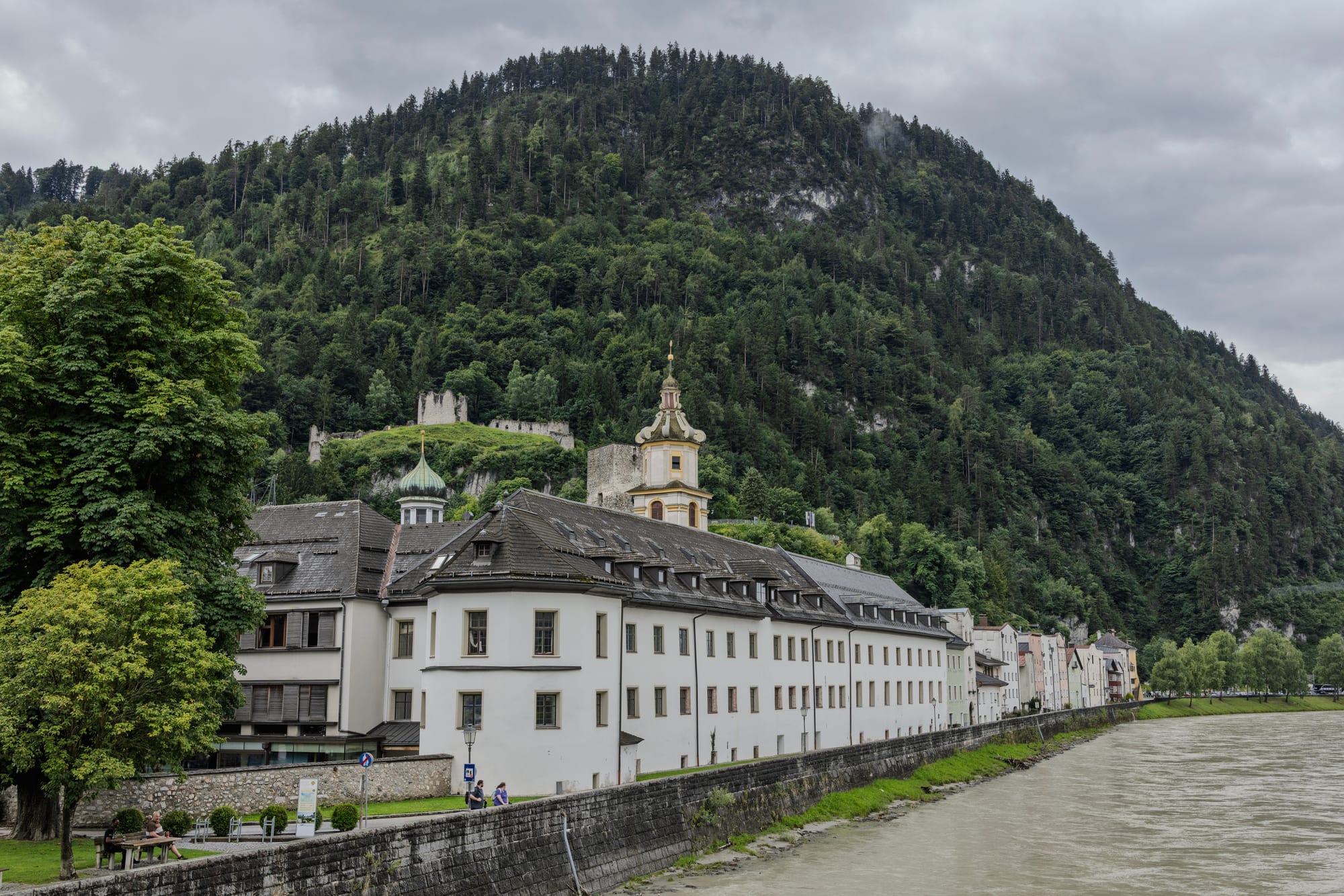
An ordinary day in Austria runs on two clocks. One is unhurried: a coffee drunk slowly over a newspaper, a shop assistant in no rush to close a sale. The other is strict: shops shutter by law on Sundays, trains keep close to the timetable, and recycling is sorted with real precision. Households tend to be small, often just one or two people, and much of the country still lives in alpine valleys and market towns rather than in Vienna, the only city of more than a million people. What holds the week together is less any single custom than the certainty that, by Saturday evening, almost everything will close, and stay closed until Monday.
Family and home life
Austrian households have grown smaller for decades. The average household now holds a little over two people, and single-person households are the single largest category nationwide, accounting for close to two in five homes, according to Statistics Austria. Even so, family ties remain close: grandparents often live nearby and help with childcare, and it is common for young adults to stay at home into their twenties while studying or saving for a flat, particularly in Vienna's expensive rental market. Most city dwellers live in apartments rather than houses, while in the alpine west and the villages of the east, detached family homes are still the norm.
Work, school and the rhythm of the day
The standard working week is moderate by international standards, typically around 38 to 40 hours over five days, with paid holiday entitlements that are generous by comparison with much of the world. The school day usually finishes by early afternoon, and many families rely on a parent, grandparent or after-school care to cover the rest of the day. Shops keep to fixed, legally regulated hours: general opening times run from six in the morning to nine at night on weekdays and to six on Saturdays, with almost everything closed on Sundays outside a narrow set of exceptions such as bakeries, petrol-station shops, stores inside train stations and airports, and some designated tourist areas, with details varying from one federal state to another. The result is a working week that visibly slows from Saturday afternoon and stops almost entirely by Sunday.
Community life and public spaces
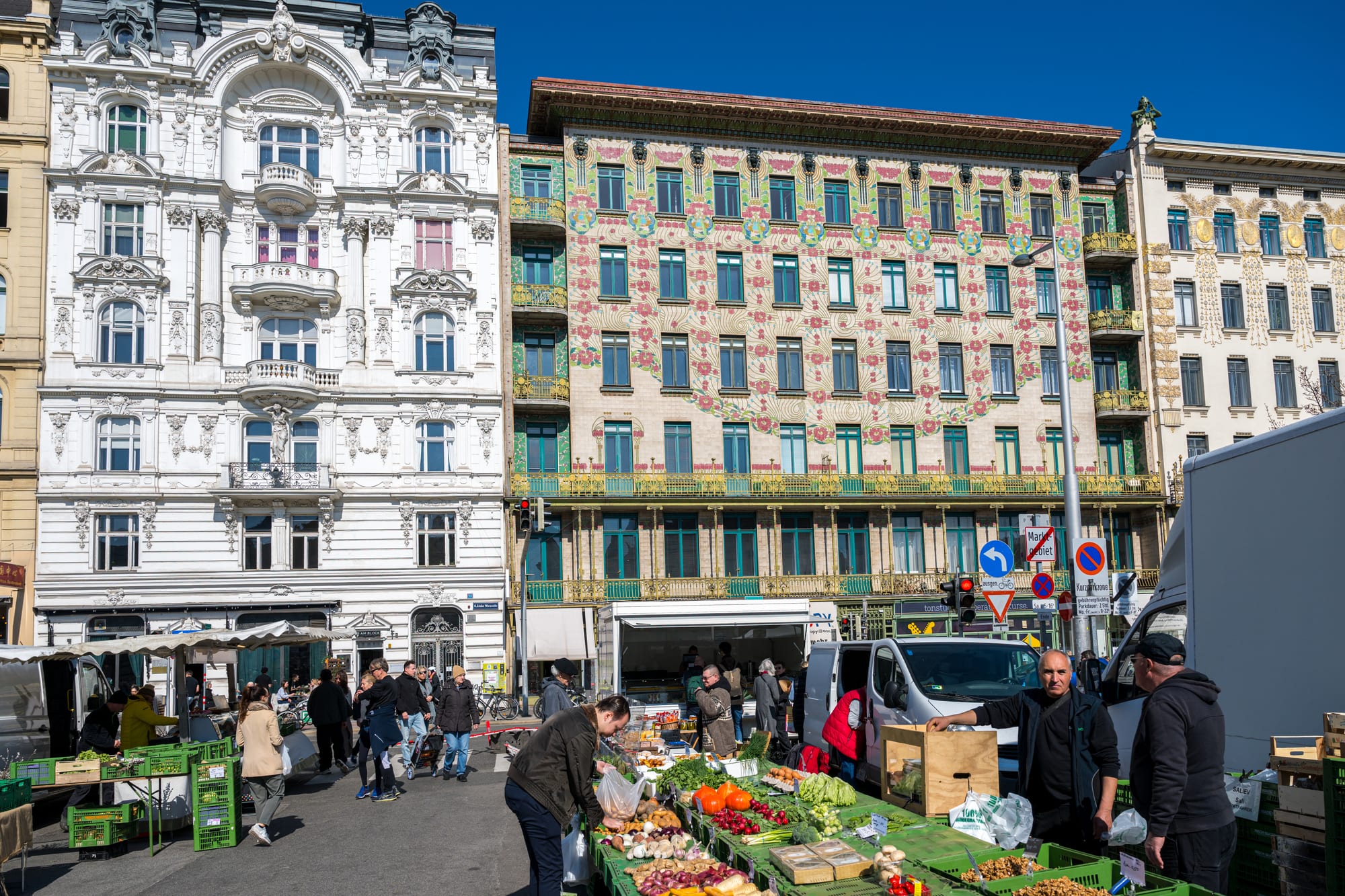
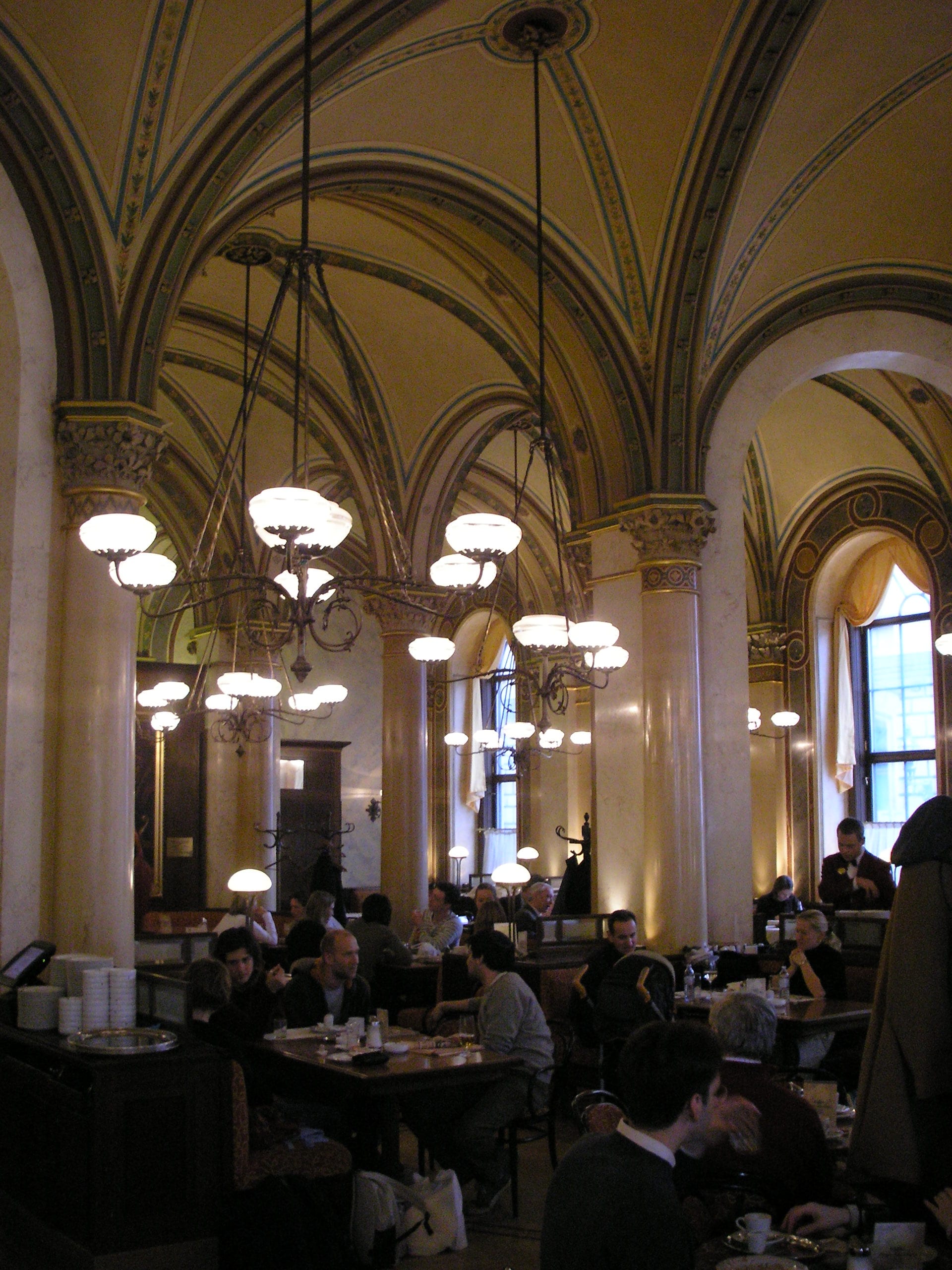
Markets remain a genuine gathering point in many towns, and are often at their busiest on Saturday morning, before the weekly closure. Public transport is dense and well used: trams and buses in the smaller cities, and in Vienna an underground network that carries a large share of the population's daily commute, with an inexpensive annual pass that makes living without a car practical in the capital. The coffeehouse functions as a kind of public living room, listed since 2011 on Austria's national inventory of intangible cultural heritage under the UNESCO convention, a place where a single coffee bought once can hold a table for an entire afternoon without any pressure to order more or leave.
Free time and weekends
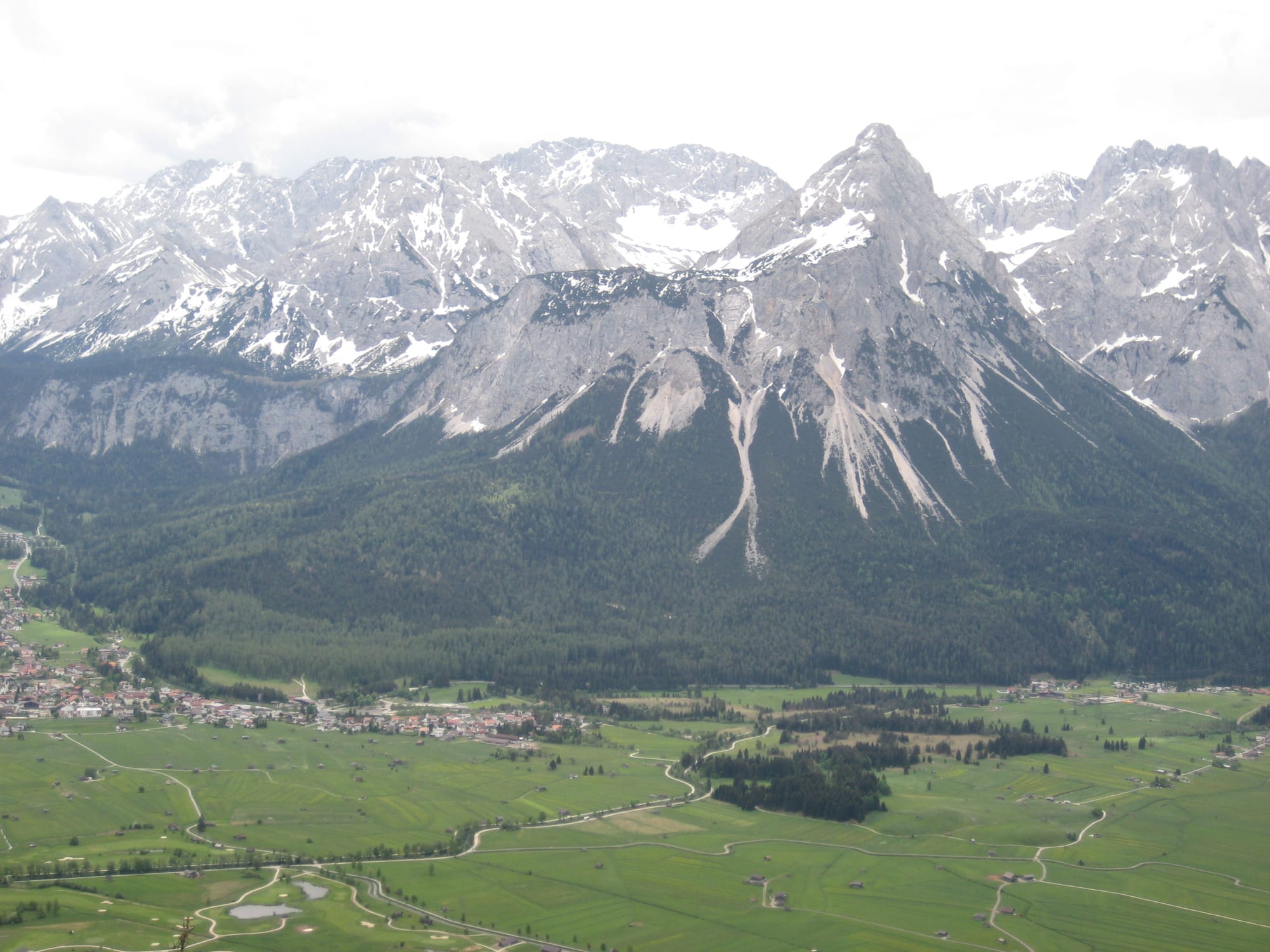
Weekends are organised around the season and the landscape rather than around any single fixed ritual. In winter, skiing and other snow sports draw families out of the cities and into the alpine valleys, sometimes for a single day trip, sometimes for the whole season; in summer, hiking serves the same purpose, with a dense network of marked trails reaching from valley towns up into the mountains. Away from the mountains, weekends still tend to include a family meal, time at a lake in summer, and, given the country's strong environmental habits, the sorting of recycling and compost built into ordinary household routine.
A visitor's ordinary day
Cash is still useful even though cards are widely accepted, especially in small cafés, bakeries and mountain huts. Public transport is reliable and worth buying a multi-day pass for rather than single tickets. The Sunday closing law catches many visitors off guard: plan grocery shopping for Saturday, and expect only station shops, petrol stations and restaurants to be reliably open on Sunday. Outside Vienna, the pace slows further, and smaller towns can feel genuinely quiet by mid-afternoon on a Saturday, hours before the shops in a larger city would close.
What to take away
What shapes an ordinary day in Austria is less any single tradition than the reliability of the schedule itself: a slow coffee is always available, but by Saturday evening the country, almost in unison, closes for the weekend.