Daily Life · Australia
Australia: The Empty Middle
More than four in five Australians living within fifty kilometres of the sea, a vast interior that almost nobody actually lives in, and a Saturday rhythm built around the beach, the backyard barbecue, and the local market
By Worldlore Editorial · 30 September 2026
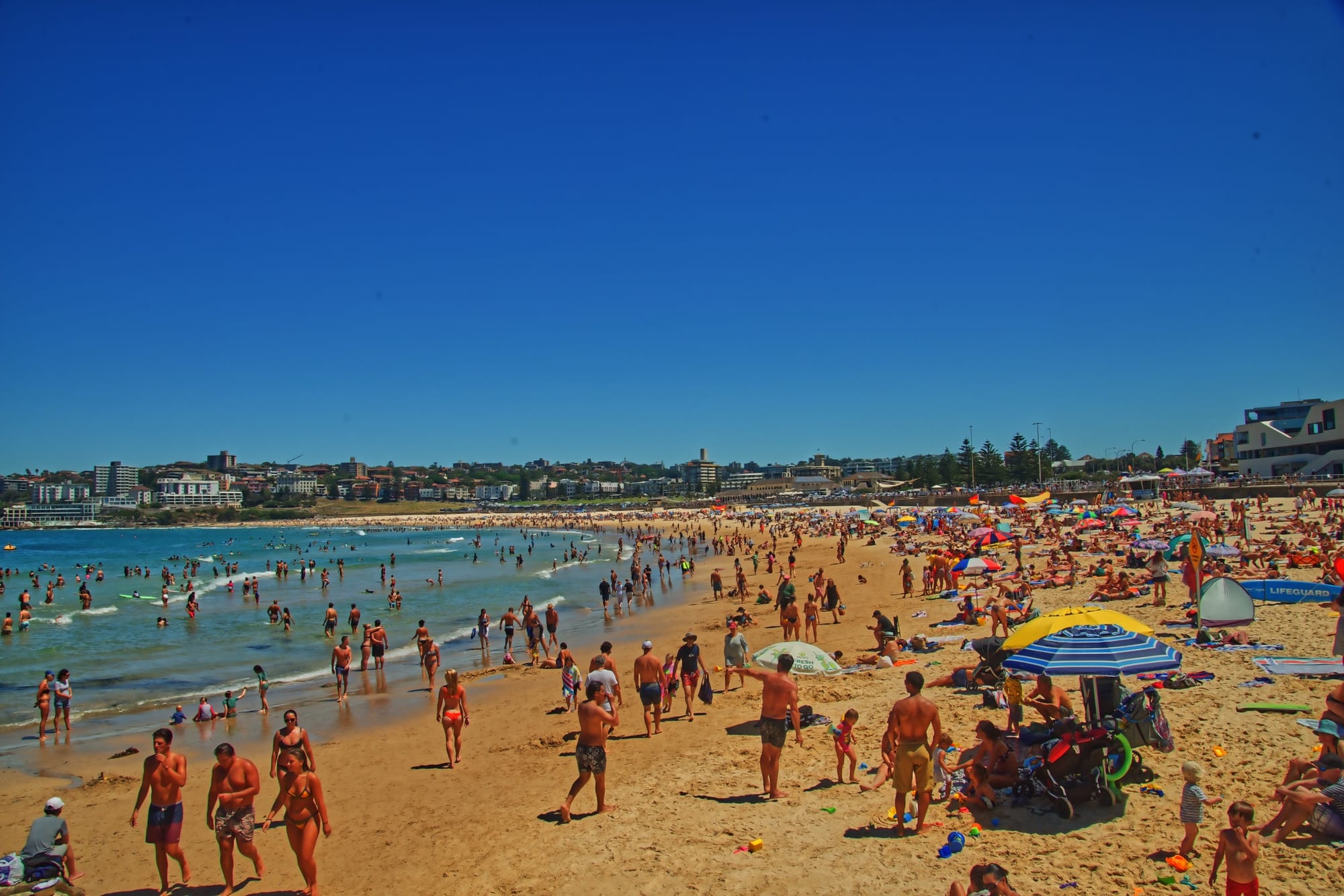
Australia is enormous and, in practice, almost entirely coastal: more than four in five Australians live within about fifty kilometres of the sea, clustered into a handful of big cities that hug the edges of a continent whose vast, dry interior most people will never actually visit. An ordinary day, for most Australians, runs closer to a beach, a barbecue or a Saturday market than to anything resembling the outback of postcards and films.
Family and home life
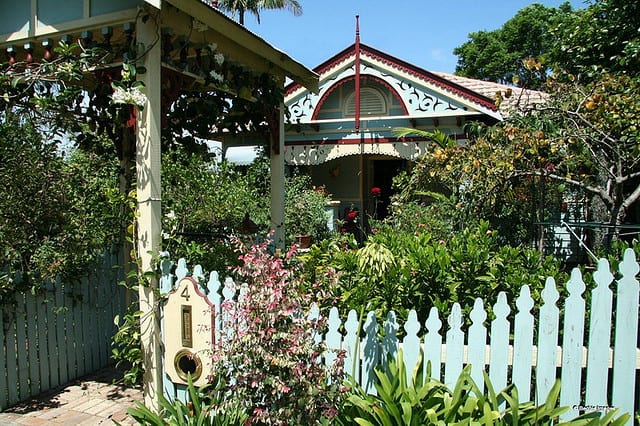
Most Australians live in a detached house with its own garden, front and back, which make up around seven in ten of the country's homes, though apartments and townhouses have become more common in the big cities. Grandparents often live nearby rather than under the same roof, and informal childcare from them remains common even as many mothers now also work outside the home. Domestic work at home still falls unevenly: national time-use data shows seven in ten women doing housework on an average day, against fewer than half of men.
Work, school and the rhythm of the day
The school week runs Monday to Friday, from morning to mid-afternoon, in a school year that starts in late January or early February and ends in December, and the standard working week keeps similar daytime hours, though shift work is common in retail, hospitality, healthcare and transport. Flexible and hybrid office arrangements, splitting time between home and workplace, have become widespread since the pandemic. Most Australians commute by car, though the largest cities run substantial train and tram networks that a significant share of city workers rely on instead.
Community life and public spaces
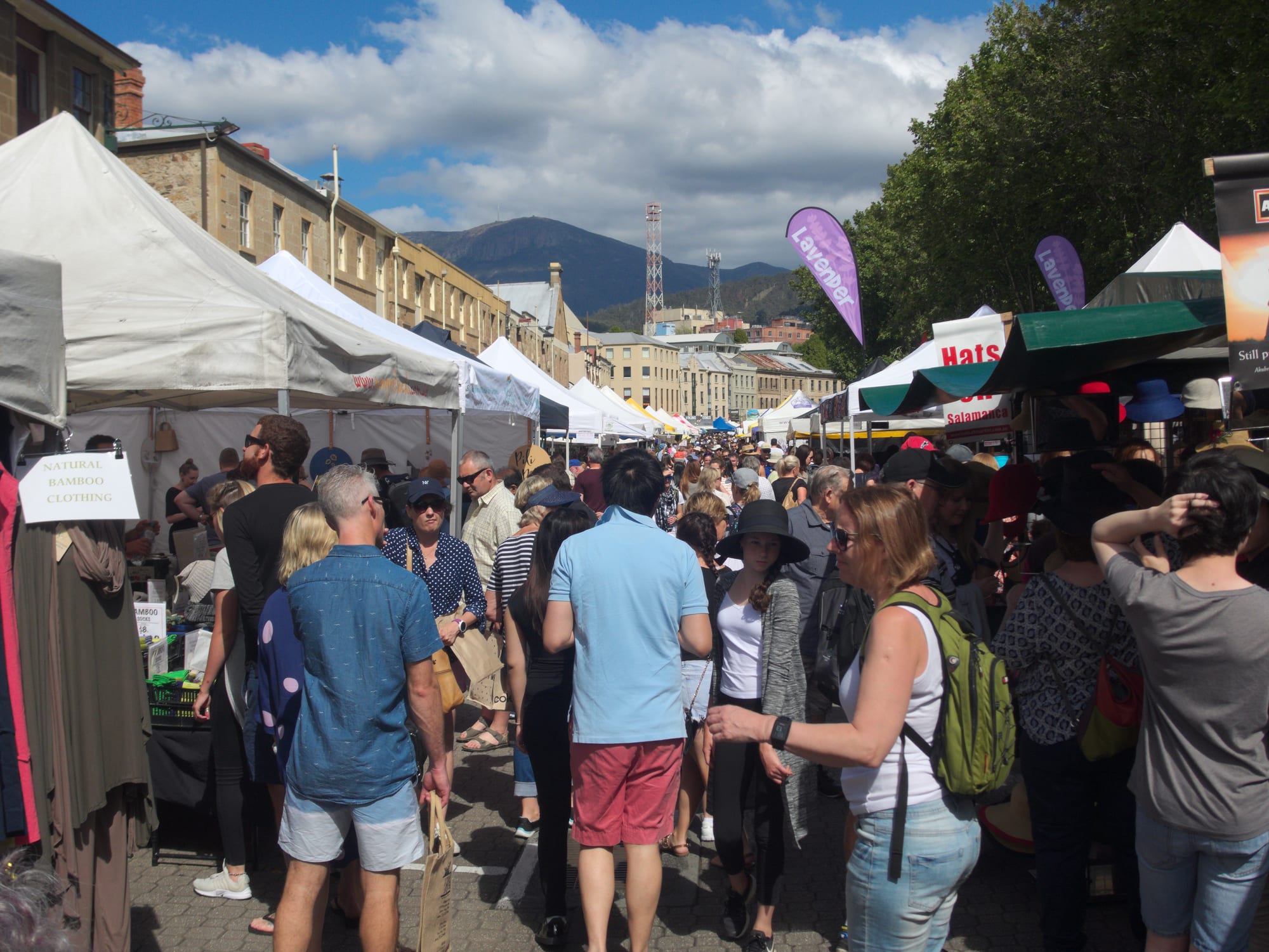
Weekend life gravitates to a handful of recurring venues: the beach, above all, where swimming, surfing and simply spending the day are treated as a genuine national pastime rather than a special occasion; the local Saturday market, a fixture in cities and large towns alike, selling produce, food and crafts to a crowd that treats it as much a social outing as a shopping trip; and the backyard barbecue, hosted as often as a matter of routine as for any particular occasion.
Free time and weekends
Barbecuing beef or lamb in the open air is considered a cherished national tradition, and for many households it is a regular weekend habit. Organised weekend sport, especially Australian rules football, rugby league, or cricket depending on the state and season, draws real crowds and even larger television audiences: Australian rules is the most attended sport, rugby league the most watched on television. Time at the beach, a local pool or a park fills much of the rest of a typical weekend, weather allowing, which in most of the country is often.
A visitor's ordinary day
Card payments, including tap-to-pay, are near-universal, and cash is rarely needed outside small country towns. Public transport is reliable and extensive in the major cities but far less useful once outside them, where a car is close to essential. Sun protection is a genuinely constant habit here rather than an occasional one, given how strong Australian UV levels are even on a mild-looking day, and many popular swimming beaches are patrolled by volunteer lifesavers or paid lifeguards whose red and yellow flags mark the stretch of sand considered safe to swim.
What to take away
What defines an ordinary Australian day is less the vast red interior most visitors picture than how tightly daily life actually clusters around a much narrower strip of coastline.