Food · Australia
Australia: Food and the National Dish
A meat pie eaten at the football, a spread most visitors can't get past, one of the world's oldest continuous food traditions, and a modern kitchen built by immigration
By Worldlore Editorial · 16 September 2026
A cuisine with two very different starting points
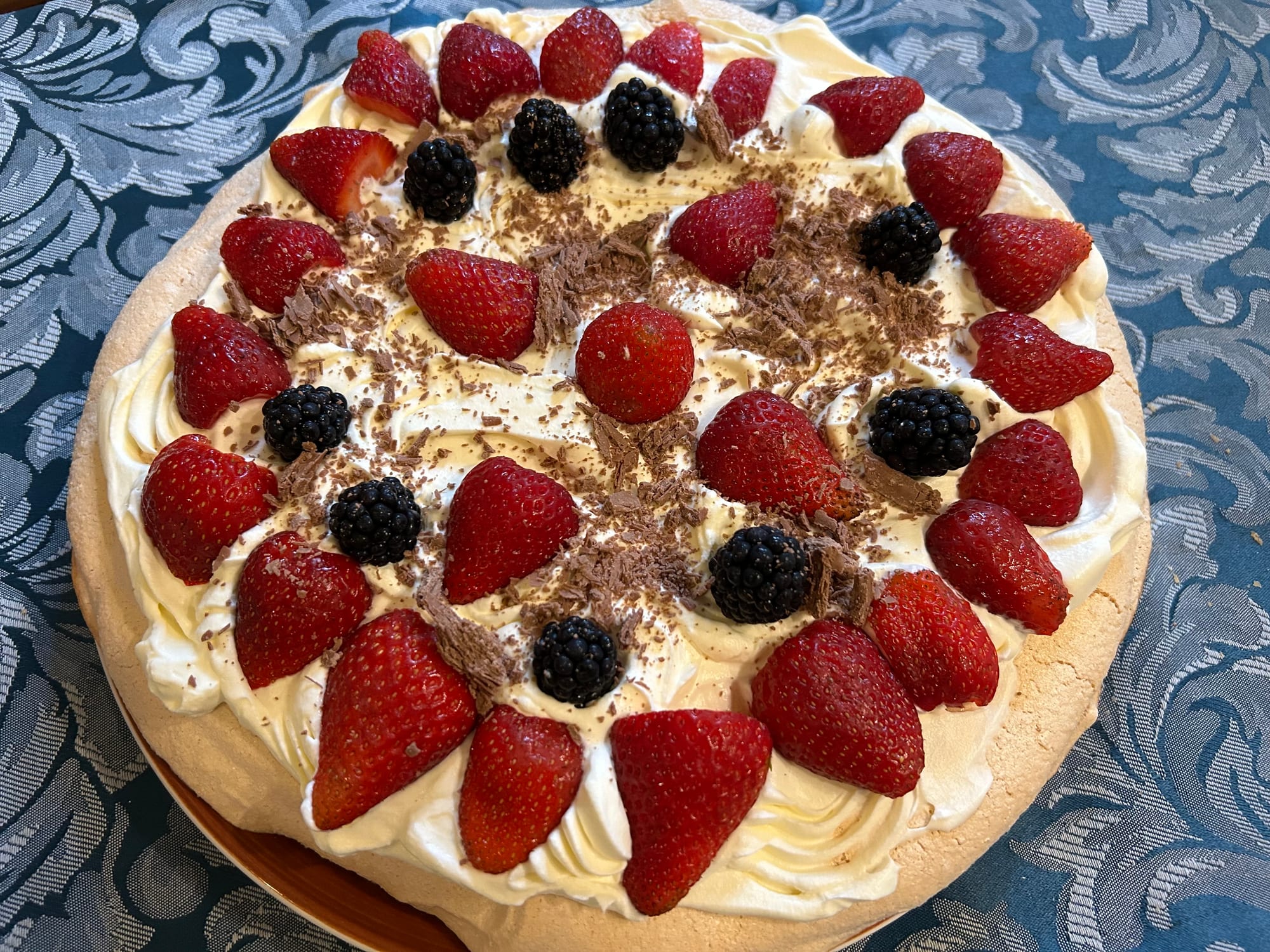
Australian food has two beginnings that sit uneasily side by side. Aboriginal and Torres Strait Islander peoples developed the world's oldest continuous food traditions here, managing land and harvesting native plants and animals for at least 65,000 years before British colonisation in 1788 brought a very different diet of meat, wheat, dairy and sugar, and pushed most of that older knowledge to the margins for two centuries. What has grown from those two starting points, especially since large-scale immigration began after the Second World War, is one of the more genuinely multicultural food cultures anywhere — and a country that, tellingly, still argues about whether it has a single national dish at all.
The national dish: the meat pie
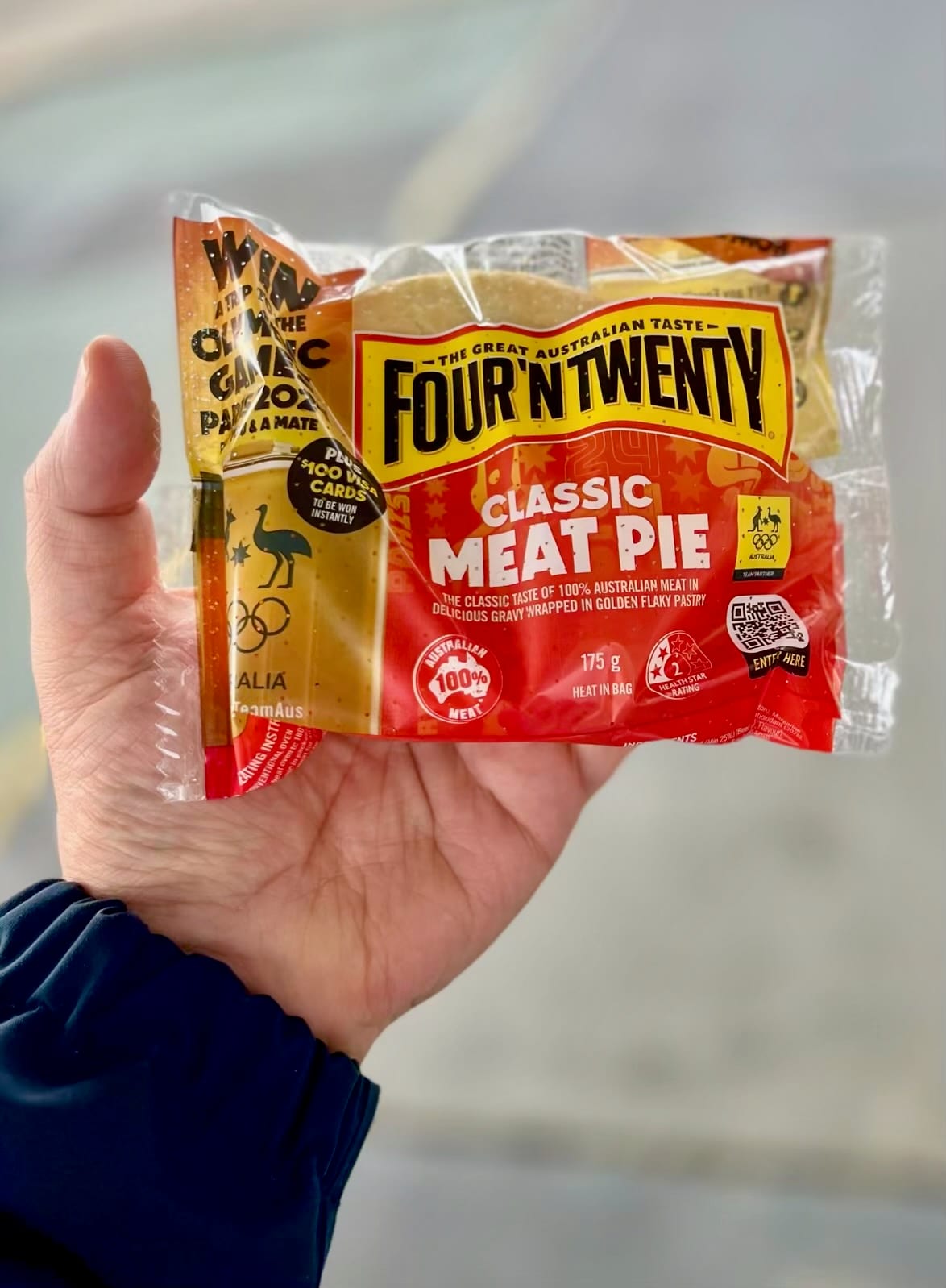
If one dish gets the nod, it is the humble meat pie: minced or diced beef in gravy, sealed inside a pastry shell, traditionally eaten by hand and topped with a squeeze of tomato sauce. "As Australian as a meat pie" is a genuine, long-standing idiom, and the pie's home is really the football ground — brands like Four'N Twenty have been sold at Australian Rules and rugby league matches for generations, and the pie-and-a-can-of-drink combination is as much a part of match day as the game itself.
It is worth being honest that the meat pie has real competition for the title. Vegemite, the backyard barbecue, and pavlova are all cited by Australians as strongly as the pie is, and plenty of food writers argue the country's real culinary identity isn't any single dish but its multiculturalism — the fact that a Vietnamese bánh mì, a Greek souvlaki and a flat white coffee are all just as "Australian" now as a meat pie ever was.
Vegemite, the barbecue, and the everyday table
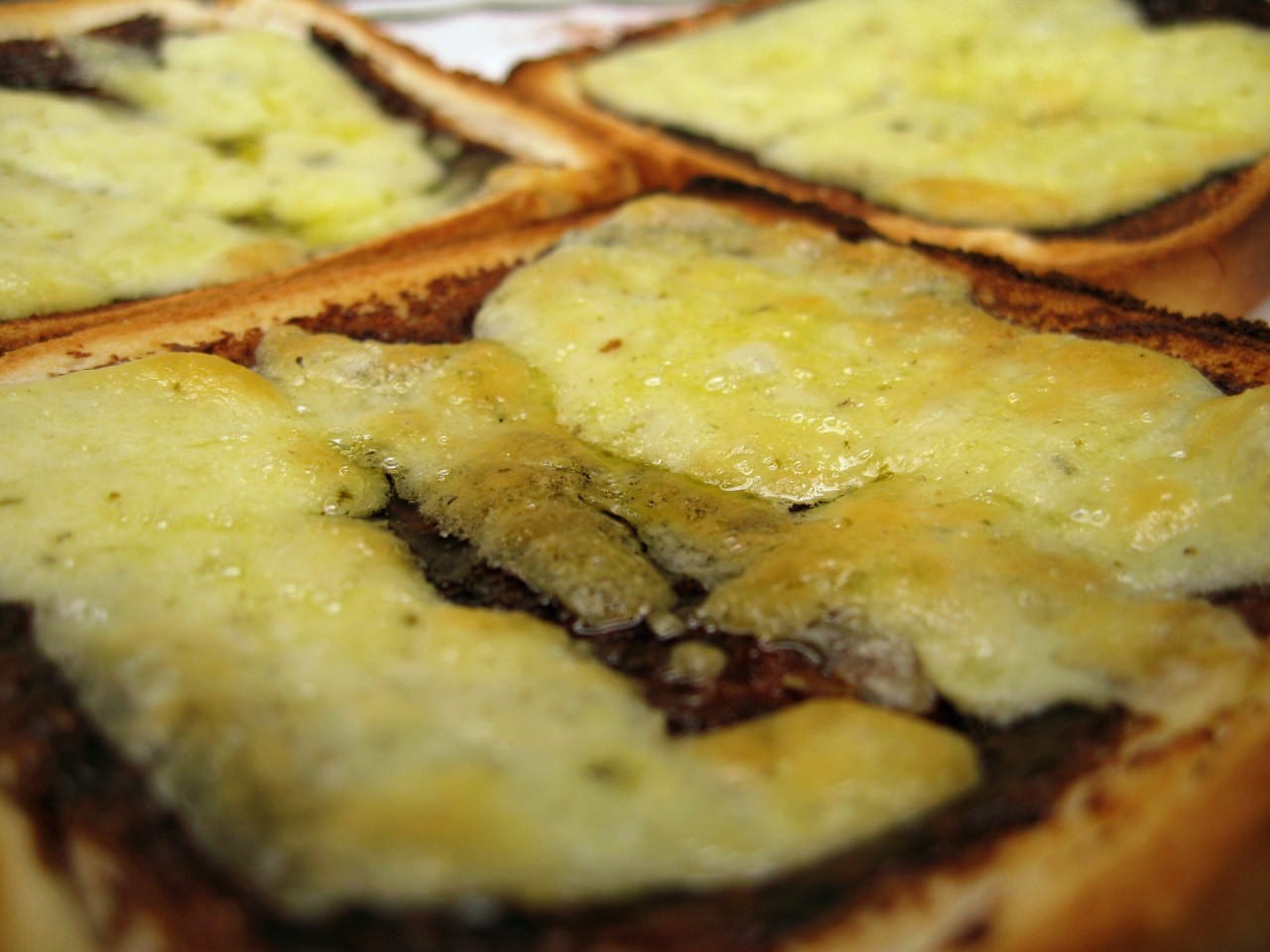
Vegemite, a thick, salty spread made from leftover brewers' yeast extract, divides visitors more than almost any other food on earth, but it is a genuine breakfast and lunchbox staple, spread thinly on buttered toast.
The backyard barbecue, or "barbie", is the other great Australian food institution: sausages ("snags"), chops and increasingly prawns cooked outdoors and shared casually among family, neighbours and friends, with none of the formality a dinner party might carry elsewhere. It is worth noting that Australians overwhelmingly say "prawns", not "shrimp" — the phrase "throw another shrimp on the barbie" comes from a 1980s American tourism advertisement, not from how Australians actually talk.
Where it all came from
British colonisation brought meat-and-three-veg cooking, meat pies, fish and chips and Sunday roasts, and those dishes remain everyday comfort food. Everything changed after 1945, when large-scale immigration — first from Italy and Greece, then from Lebanon, Vietnam, China and, more recently, right across Asia and the world — remade Australian eating from the ground up. Melbourne in particular built one of the world's most admired café and coffee cultures out of its Italian and Greek immigrant communities, and cities like Sydney and Melbourne now have Vietnamese, Chinese, Lebanese, Thai and Indian food woven as tightly into daily eating as anything British-derived.
Native ingredients, finally getting their due
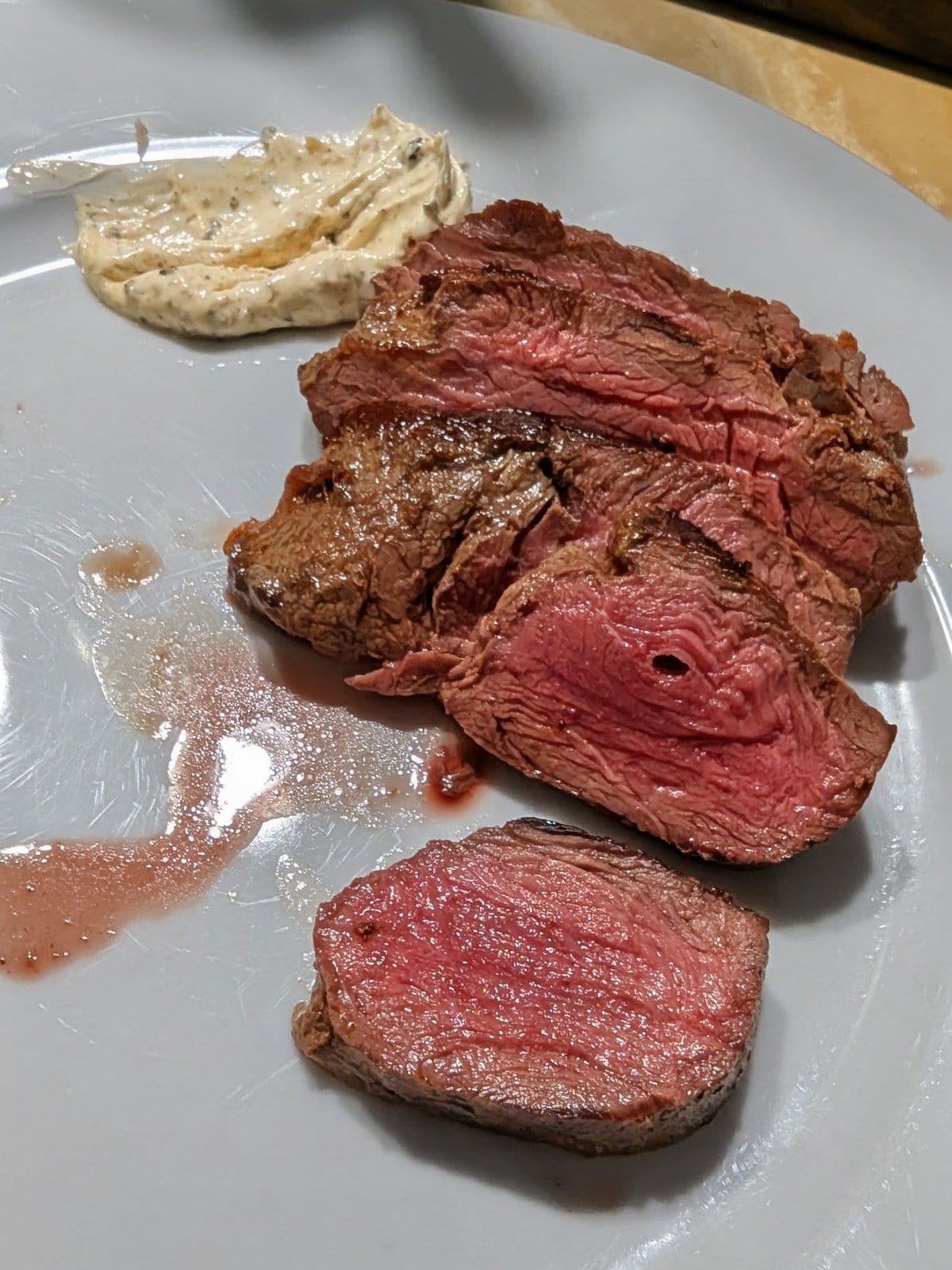
The most significant recent shift in Australian food has been the growing use of native ingredients that Aboriginal and Torres Strait Islander peoples have relied on for tens of thousands of years — kangaroo, crocodile, macadamia nuts (native to Australia's east coast), wattleseed, lemon myrtle, finger lime and quandong among them. Restaurants across the country now build menus around this produce, generally called bush tucker or native ingredients, and it is increasingly common on ordinary supermarket shelves as well as fine-dining tables — a slow but real correction to two centuries in which that older food knowledge was largely ignored.
Dishes to know
Five to recognise anywhere in the country (regional and state specialities are covered on the region pages):
- Pavlova — meringue with a crisp shell and soft centre, topped with cream
and fruit; the subject of a long-running, friendly dispute with New Zealand over which country invented it.
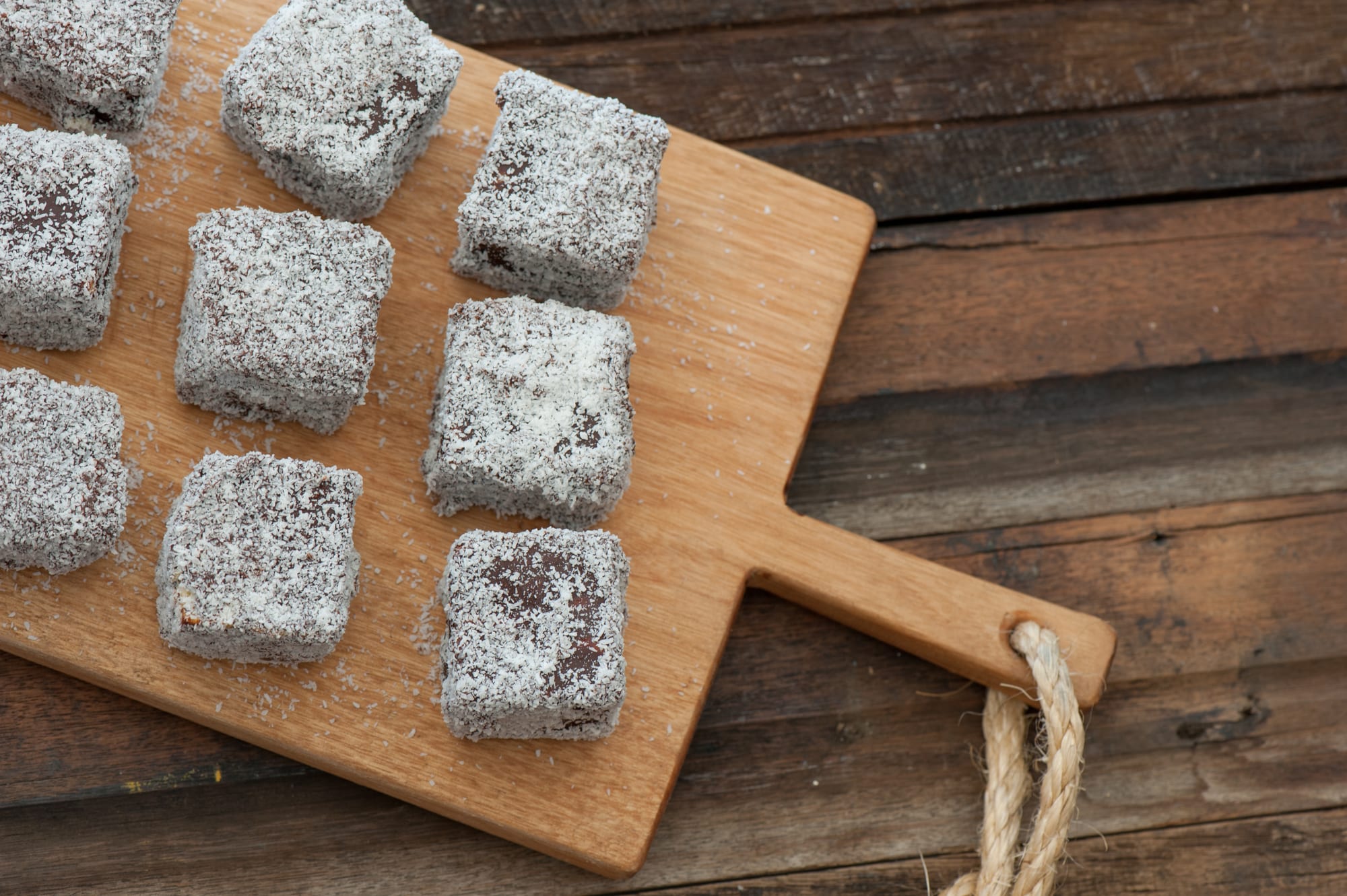
- Lamington — squares of sponge cake dipped in chocolate icing and rolled in
desiccated coconut.
- Fish and chips — a British import that suits a coastal country perfectly,
sold everywhere from beachside shops to inland pubs.
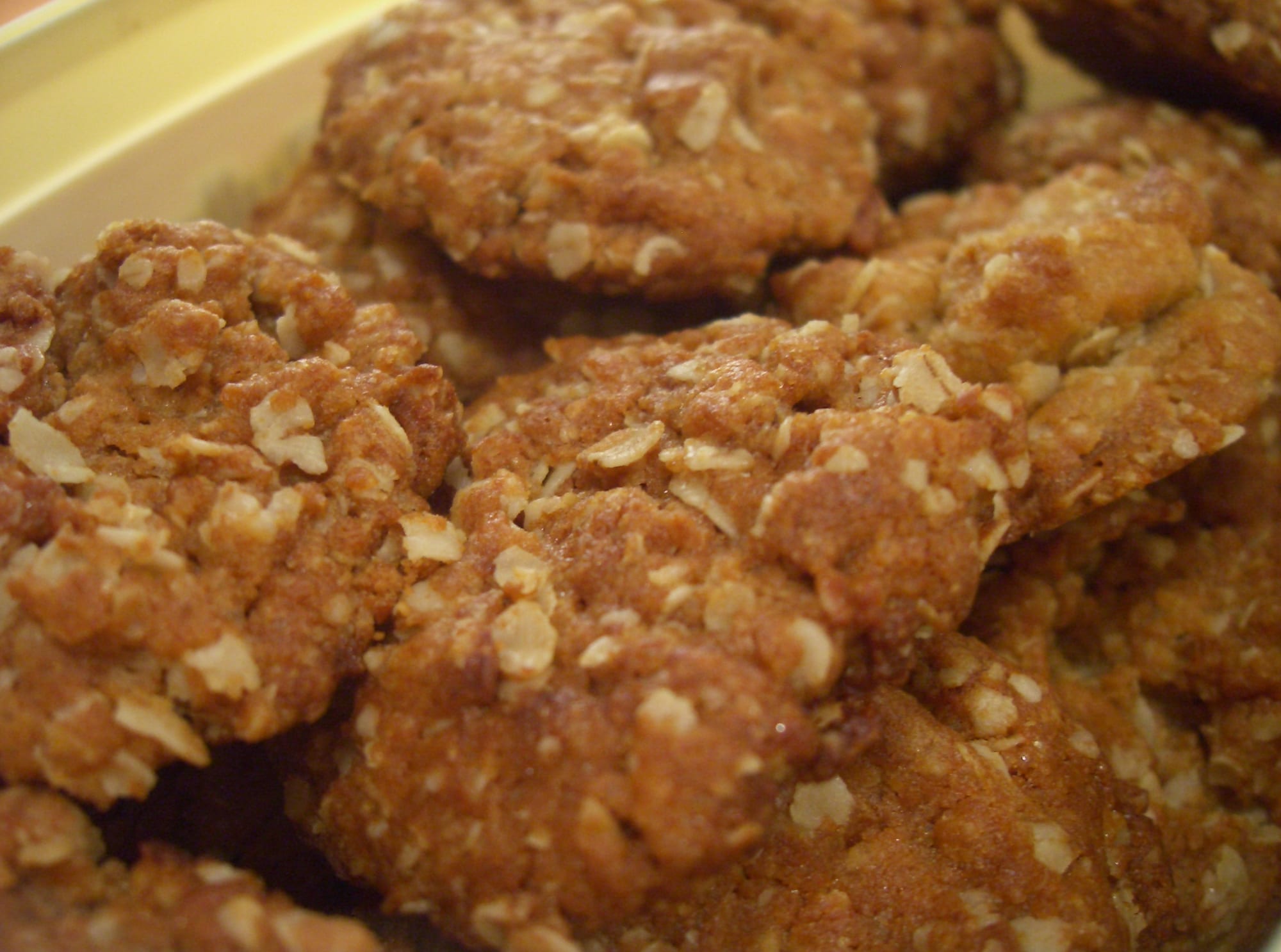
- Anzac biscuits — oat and golden syrup biscuits with wartime origins, baked
year-round but especially around Anzac Day.
- Chiko Roll — a large, deep-fried roll invented in Australia in 1951 and
sold at football grounds and service stations ever since.
Coffee, wine and beer
Australia takes its coffee seriously enough that Melbourne is often ranked among the world's best coffee cities, and Australians (alongside New Zealanders) claim credit for inventing the flat white, a short, strong milk coffee now sold worldwide. Wine regions including the Barossa Valley, Hunter Valley and Margaret River produce internationally respected Shiraz and other varietals, and beer — lagers like Victoria Bitter and XXXX — is the standard accompaniment to a barbecue, drunk in a culture that still runs on the tradition of "shouting", where one person buys a round for the whole group.
Eating as a traveller
Vegetarians and vegans are well catered for in Australian cities, which have some of the most developed plant-based dining scenes anywhere. Tap water is safe everywhere. Food, like everything else in Australia, can be expensive by international standards, particularly eating out in Sydney or Melbourne, but service-station and food-court options are cheap and plentiful for anyone crossing the country's vast distances by road.
What to take from the table
Australian food resists a single, tidy answer, and that is really the point: a meat pie at the football, Vegemite on toast, a backyard barbecue, and a kangaroo fillet on a fine-dining menu can all be equally, unmistakably Australian on the same day.