Food · Aruba
Aruba: Food and the National Dish
A cheese rind turned into a feast, fried turnovers sold on every corner, and a Dutch-Caribbean-Venezuelan kitchen shaped by a dry desert island
By Worldlore Editorial · 16 September 2026
A small, dry island's own creole kitchen
Aruba has one thing few other Caribbean islands can claim: a still-visible indigenous heritage. The Caquetío, an Arawak people, lived on the island long before Spanish contact, and their farming of maize and cassava on ground too dry for much else laid down habits — cornmeal as the everyday starch above all — that Dutch and later Venezuelan influence built on rather than replaced. Spain claimed the island in 1499 and found little to exploit; the Dutch took over in 1636 and, finding the same dry ground, turned first to salt and later, when little else worked, to cultivating aloe vera, which Aruba exported on a large scale for most of the 20th century before oil refining and then tourism became the economy. None of that history produced the wealth of a sugar island, and the food has stayed correspondingly modest and resourceful.
Aruba is arid rather than lush — too dry for the sugar plantations that shaped much of the rest of the Caribbean — and sits close enough to Venezuela that its food carries a Latin American accent alongside its Dutch colonial and West African-Caribbean influences. The result, cooked and named in Papiamento, the Portuguese-Spanish-Dutch-African creole language shared with the neighbouring islands of Curaçao and Bonaire, is a small but distinct cuisine: cornmeal, cheese, dried and salted fish, goat and plenty of frying, built for an island that historically had to make do with what a boat could bring in.
The national dish: keshi yena
Keshi yena means "stuffed cheese" in Papiamento, and it began as a way of using up what should have been rubbish. Dutch plantation owners imported whole wheels of Gouda and Edam and, once the cheese itself was eaten out, threw away the thick wax-coated rind. Enslaved cooks kept the emptied shells, filled them with a spiced mix of meat, chicken or fish with raisins, olives and capers, and baked the whole thing until the cheese around the filling melted back into a soft shell — turning a discard into what is now considered Aruba's (and Curaçao's) national dish.
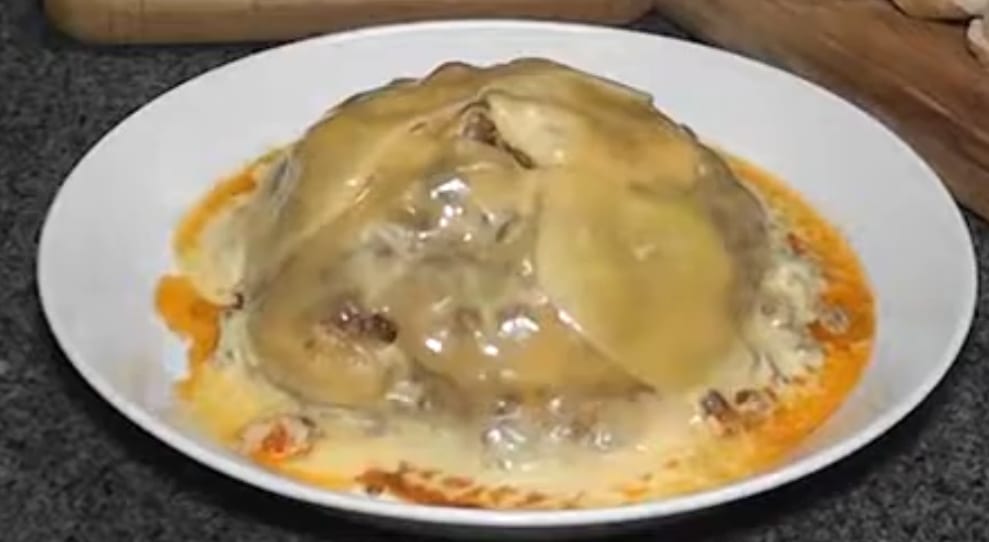
Modern versions often use a smaller round of cheese or simply layer sliced cheese over the filling rather than hollowing out a whole wheel, but the principle — savoury stuffing wrapped in and baked with cheese — has stayed the same. It remains a special-occasion dish, made for holidays and family gatherings rather than every day.
What an Aruban kitchen runs on
Funchi, a firm cornmeal paste close cousin to Italian polenta and to dishes found across West Africa and the wider Caribbean under other names, is the default starch, served alongside stews rather than eaten alone. Pan bati, a savoury cornmeal flatbread cooked on a griddle, plays a similar role at breakfast. Stoba — the Papiamento word for stew, adapted from the Dutch "stoofpot" — covers slow-cooked goat, beef or fish dishes built on tomato, onion and local seasoning, and dried salted fish and conch both appear regularly, a legacy of the years before refrigeration when preserved food had to see an isolated island through. Dutch imports never disappeared either: Gouda and Edam cheese, ham, and pickled herring still turn up on Aruban tables, sitting alongside the funchi and stoba with none of the sense of contradiction an outsider might expect.
Dishes to know
Five to recognise on any Aruban table:
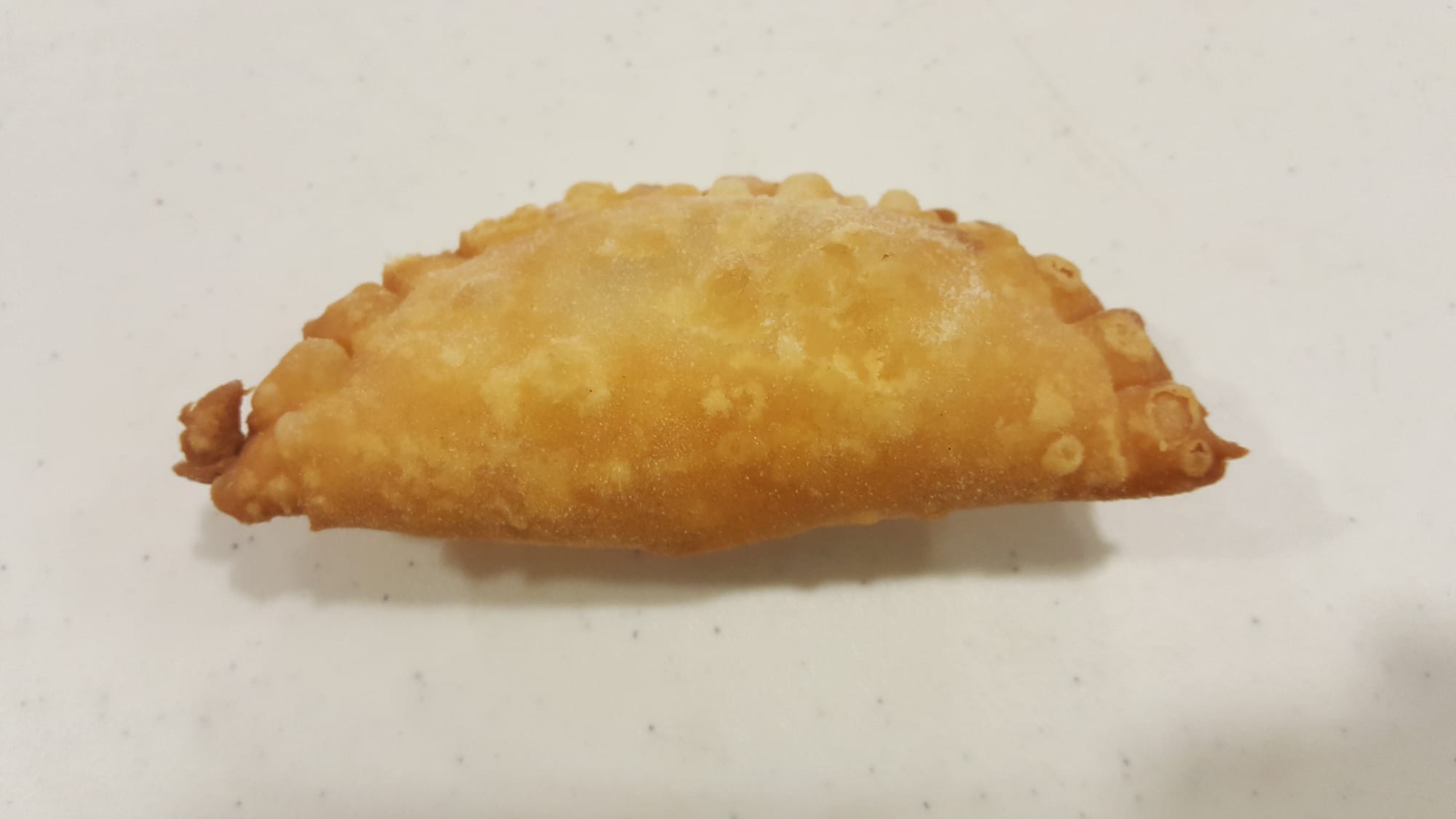
- Pastechi — a fried turnover of Spanish-derived pastry, filled with cheese,
meat, fish or conch, sold from bakeries and roadside stands and eaten at any time of day, especially breakfast.
- Funchi — firm cornmeal paste, the standard starchy side to a stew.
- Stoba — a slow-cooked stew, most often goat (stoba di cabritu) or fish
(stoba di piska), built on tomato and local seasoning.
- Pan bati — a savoury cornmeal flatbread cooked on a griddle.
- Ayaca — a cornmeal dough parcel filled with meat and wrapped in banana
leaf, made especially at Christmas and borrowed directly from neighbouring Venezuela's hallaca.
Drinks and celebrations
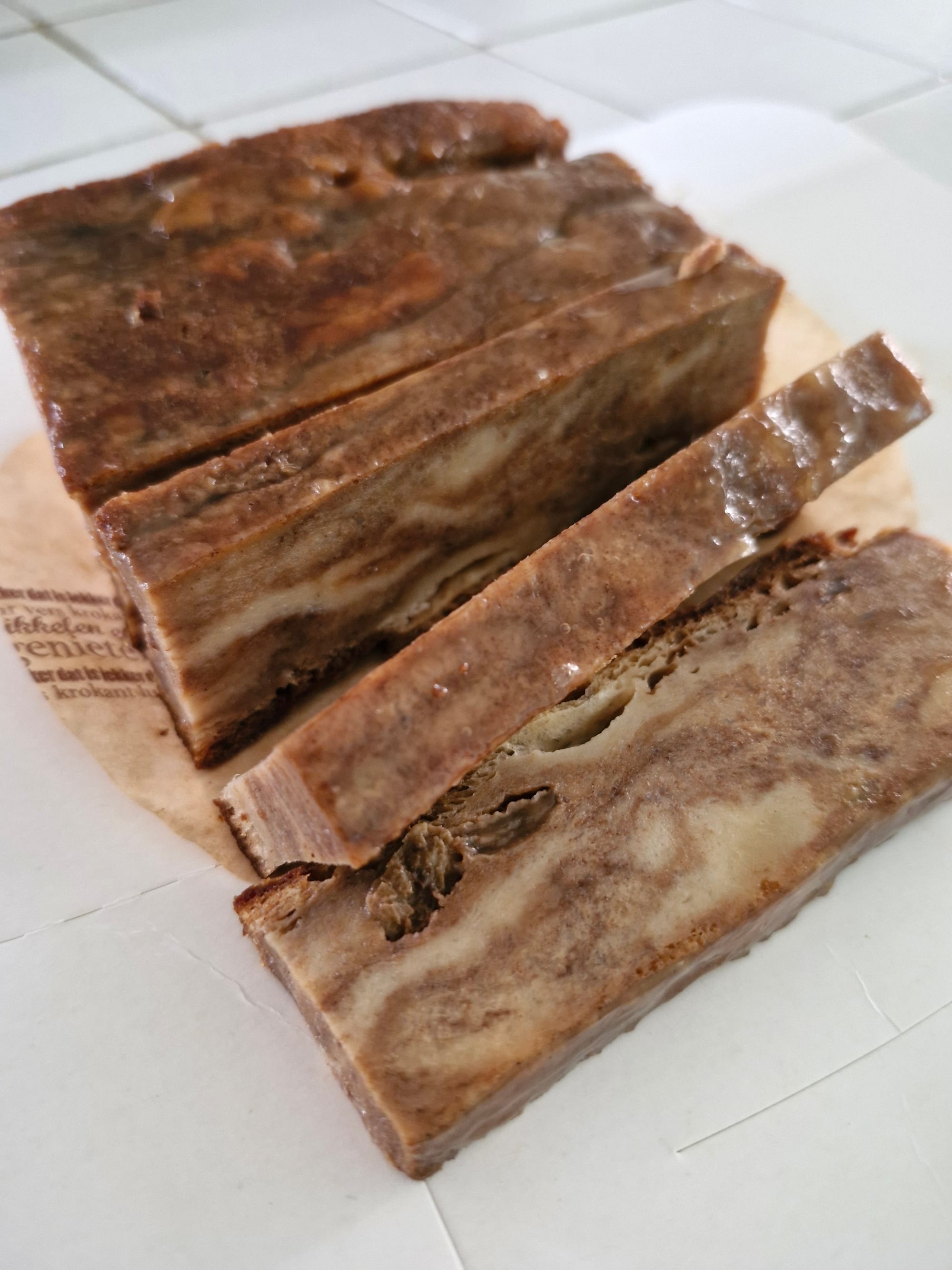
Balashi and its sister brand Chill are the local beers, and rum is the standard spirit, often mixed into fruit-forward cocktails developed for the tourist trade. Ponche crema, a rum-and-egg drink close to eggnog, is a Christmas fixture borrowed from Venezuela, alongside ayaca and pan dushi, a sweet, spiced bread. Dera Gai, a folkloric October festival, and Dande, the traditional New Year's caroling custom in which singers move house to house, both come with their own food, including the peanut bread pictured above.
Eating as a traveller
Vegetarians will find pastechi and funchi manageable but should expect a meat- and fish-heavy menu overall, since stoba and keshi yena are both built around animal protein. Tap water is safe to drink, produced by the island's own desalination plants. Because Aruba imports most of its food, eating out can be pricier than on nearby Venezuela or larger Caribbean islands, and local, family-run spots serving stoba and pastechi are generally both cheaper and more authentic than resort dining.
What to take from the table
Keshi yena is worth trying for the story as much as the dish — a whole national cuisine's talent for turning limited, imported ingredients into something worth celebrating, on an island that never had the luxury of abundance.