Culture & Customs · Argentina
Argentina: The Gourd Goes Round
A kiss on the cheek for everyone in the room, a shared gourd of mate passed hand to hand, roadside shrines to saints the Church never named, and a round of applause for whoever tended the fire
By Worldlore Editorial · 30 September 2026
A group of friends settles in for the afternoon. One of them, the cebador, fills a gourd with yerba mate, adds hot water, drinks the first bitter round himself and then refills it and hands it to the person on his right. That person drinks it to the end, until the metal straw gurgles, and hands it straight back to be refilled for the next. Nobody stirs the straw, and nobody says thank you, because in a mate circle "gracias" means "no more for me". The gourd goes round for an hour or more while the conversation runs on. It is one of the most ordinary scenes in Argentina, and one of the most telling: sharing the same gourd is a sign of friendship and acceptance, and time spent together is never treated as time wasted.
Faith, identity and values
Argentina is historically Catholic, and the Church remains woven into public life, from the saints' names on towns and streets to the churches and religious images found in almost every community. Practice, however, has been declining, particularly among younger people. A 2019 national survey by the research council CONICET found around 63 per cent of Argentines identifying as Catholic, about 15 per cent as evangelical Christians, largely Pentecostal, and nearly 19 per cent with no religion; religious festivals in the north-western provinces often blend Catholic images with older Andean ceremonies. The election of Jorge Mario Bergoglio, the former Archbishop of Buenos Aires, as Pope Francis, the first pope from Latin America, was a source of great national pride.
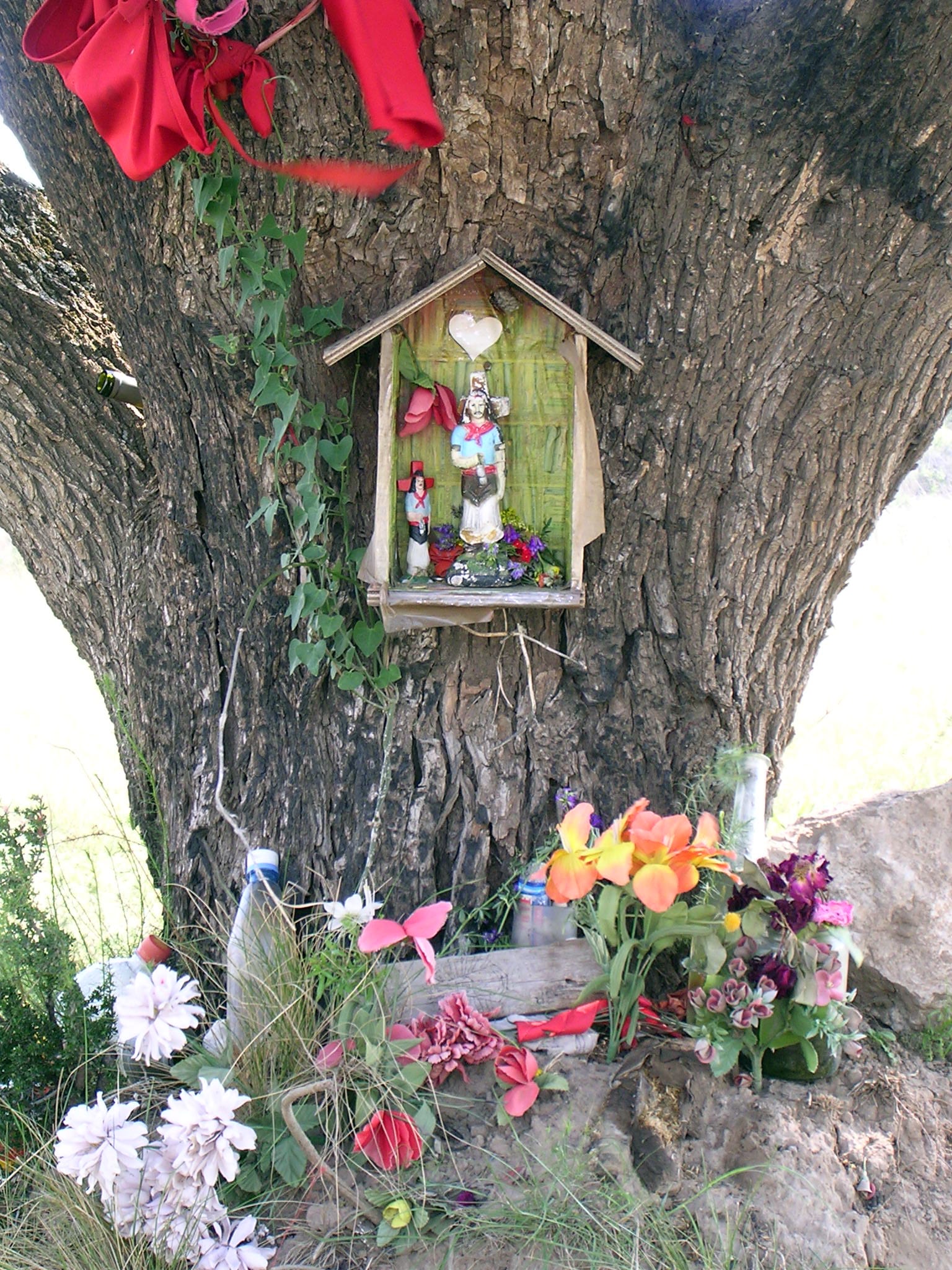
The country's patron is Our Lady of Luján, whose basilica stands some 68 kilometres from the capital. Every year since 1975, usually over the first weekend of October, young people have walked the whole way through the night in the Youth Pilgrimage, and recent editions have been put at more than two million participants. Alongside official Catholicism runs a lively popular devotion to figures the Church has never recognised as saints. The most visible is the Gauchito Gil, remembered as a nineteenth-century gaucho executed unjustly, whose small shrines, painted red and hung with red ribbons and flags, stand beside roads across the country. Drivers often stop to pay their respects and ask for protection on the journey. Another is the Difunta Correa, a woman said to have died of thirst in the desert while her baby survived at her breast; her shrines are heaped with bottles of water left as offerings, and she is regarded as a protector of travellers and lorry drivers.
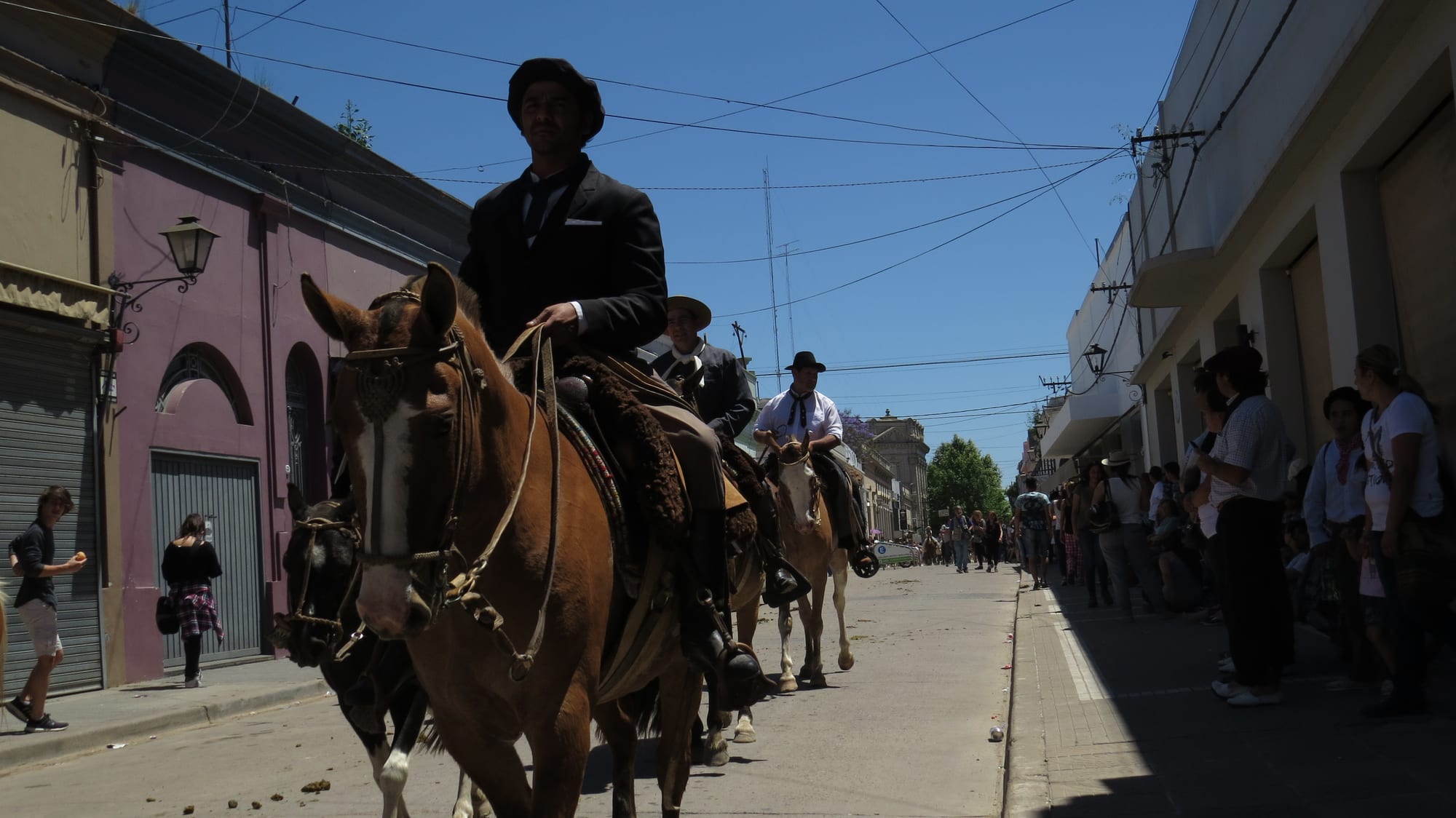
Argentine values combine fierce individualism with deep loyalty to family and friends. Pride, solidarity and loyalty are often named among its core values. Personal networks matter enormously: a gauchada is a favour done for a friend, and palanca, leverage through connections, is how many things get done. Many Argentines take pride in the European ancestry left by mass immigration, alongside Indigenous and Spanish roots, and the gaucho, the horseman of the grasslands, remains the figure that best symbolises the national mix. Communication can be indirect, with meaning read between the lines, even though conversations themselves are animated and loud.
Greetings and meeting people
Greetings are warm and physical. A first meeting or a formal occasion calls for a handshake with a nod, but among friends and family the greeting is the abrazo, a hug often combined with a single kiss on the right cheek. The kiss is usually a light touch of cheeks with a kissing sound rather than a true kiss, and it is exchanged between women, between men and women, and, among friends and relatives, between men as well. At work, a handshake and a friendly hello are safer unless colleagues are already on familiar terms.
On arriving at a gathering, each person is greeted individually rather than with a wave to the room, and the same goes for leaving: a round of goodbyes, each with "chau", is expected, and slipping out unnoticed can seem rude. In formal settings people are addressed by title and surname, or as Señor or Señora; first names follow quickly among friends. Within families, relationship terms such as aunt, uncle or godfather are often used instead of names.
Argentines usually stand close when talking, a little less than an arm's length apart, and a touch on the arm or back is a normal sign of attention and friendliness. Backing away can come across as cold. Direct eye contact is expected. Raised voices in a group are normal and do not signal anger. Pointing with the index finger, however, is considered disrespectful, and standing with hands on hips can look confrontational.
Hospitality and being a guest
Argentines enjoy hosting, and friends and relatives often drop in without much warning. For a social invitation, arriving somewhat after the stated time is normal, and it is polite to call if running very late; business appointments are a different matter and should be kept on time. A guest waits to be shown where to sit. Suitable gifts include chocolates, flowers, pastries or a bottle of wine; they are usually opened on the spot, and anything too expensive can make a host uncomfortable.
The most important invitation of all is to an asado, the long weekend barbecue. One person, the asador, takes charge of the fire and the meat, often for hours, while everyone else lays the table, puts on music and sorts out the drinks. Guests usually bring something to share. When the meat arrives, someone calls out "un aplauso para el asador", and the whole table applauds the cook. The meal is followed by the sobremesa, the time spent lingering at the table over coffee and conversation, which is regarded as the real heart of the occasion.
At the table, the knife is held in the right hand and the fork in the left. Blowing the nose or clearing the throat at the table is impolite, as is using a toothpick in public. In a mate circle, the gourd always goes back to the cebador, the person pouring, who refills it for the next drinker; the straw, or bombilla, is never used to stir the leaves, and "gracias" is only said when one has had enough.
Festivals and life's big moments
The national calendar is full of historical anniversaries. The biggest are 25 May, which marks the revolution of 1810, and 9 July, Independence Day. Flag Day falls on 20 June and the anniversary of the death of the liberator José de San Martín in August. Two dates carry heavier memories: 24 March, the Day of Remembrance for Truth and Justice, recalls the start of the 1976 dictatorship and its victims, and 2 April honours the veterans and the fallen of the 1982 war over the islands that Argentina calls the Malvinas and that Britain administers as the Falklands, whose sovereignty remains in dispute. Carnival, Easter, the Immaculate Conception on 8 December and Christmas complete the list.
On 10 November, Día de la Tradición celebrates rural and gaucho culture. The date is the birthday of José Hernández, whose poem Martín Fierro, telling the life, customs and code of honour of a gaucho, is regarded as a founding work of national literature, and the day was fixed in law in 1975 as a celebration of the country's rural traditions.
Because the seasons are reversed, Christmas falls in the heat of summer. The main celebration is on Christmas Eve, when extended families gather for a late dinner that runs past midnight; glasses are raised at twelve, and fireworks go up across towns and cities. New Year's Eve follows much the same pattern.
Family occasions are large and lively, and extended families come together for weddings, birthdays and holidays. A girl's fifteenth birthday, the quinceañera or fiesta de quince, is traditionally marked with a big party as her passage from childhood. Many couples now marry later than their parents did, and cohabitation is widely accepted; same-sex marriage has been legal since 2010. At weddings, the couple are supported by padrinos, sponsors who act much like godparents, and a popular custom is the cintas de la torta: single women each pull a ribbon from the cake, and the one whose ribbon carries a small ring is said to be the next to marry.
Arts, crafts and music
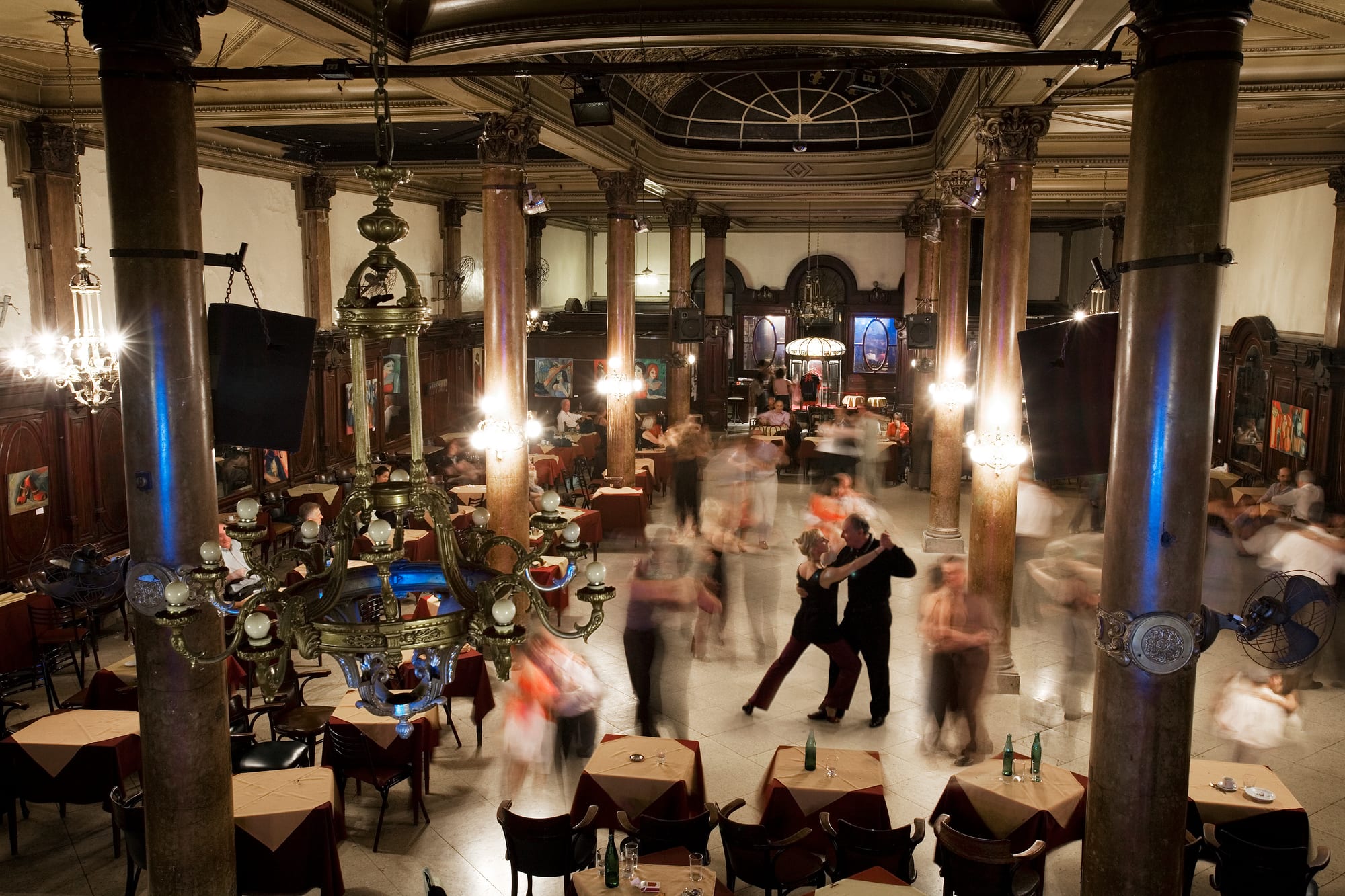
Tango is the art most closely tied to Argentina's image, and it is recognised by UNESCO as the shared heritage of Argentina and Uruguay. It grew up among the working people of the port cities of the Río de la Plata, mixing the traditions of European immigrants, the descendants of enslaved Africans and the criollo population, and it combines music, dance and poetry. It is still danced socially in milongas, the dance halls where amateurs and professionals share the floor, often late into the night.
The country's musical range is much wider. Chamamé, also on UNESCO's list, is danced in a close embrace without set steps to the accordion, guitar and bandoneón, punctuated by the sapukay, a cry expressing joy, sorrow or courage; its songs were long sung in Guaraní and are now often in a mix of Spanish and Guaraní. Cuarteto, the dance music of the city of Córdoba, joined the same list in 2025. Football, meanwhile, inspires a devotion that borders on the religious, and is one of the safest and happiest subjects of conversation anywhere.
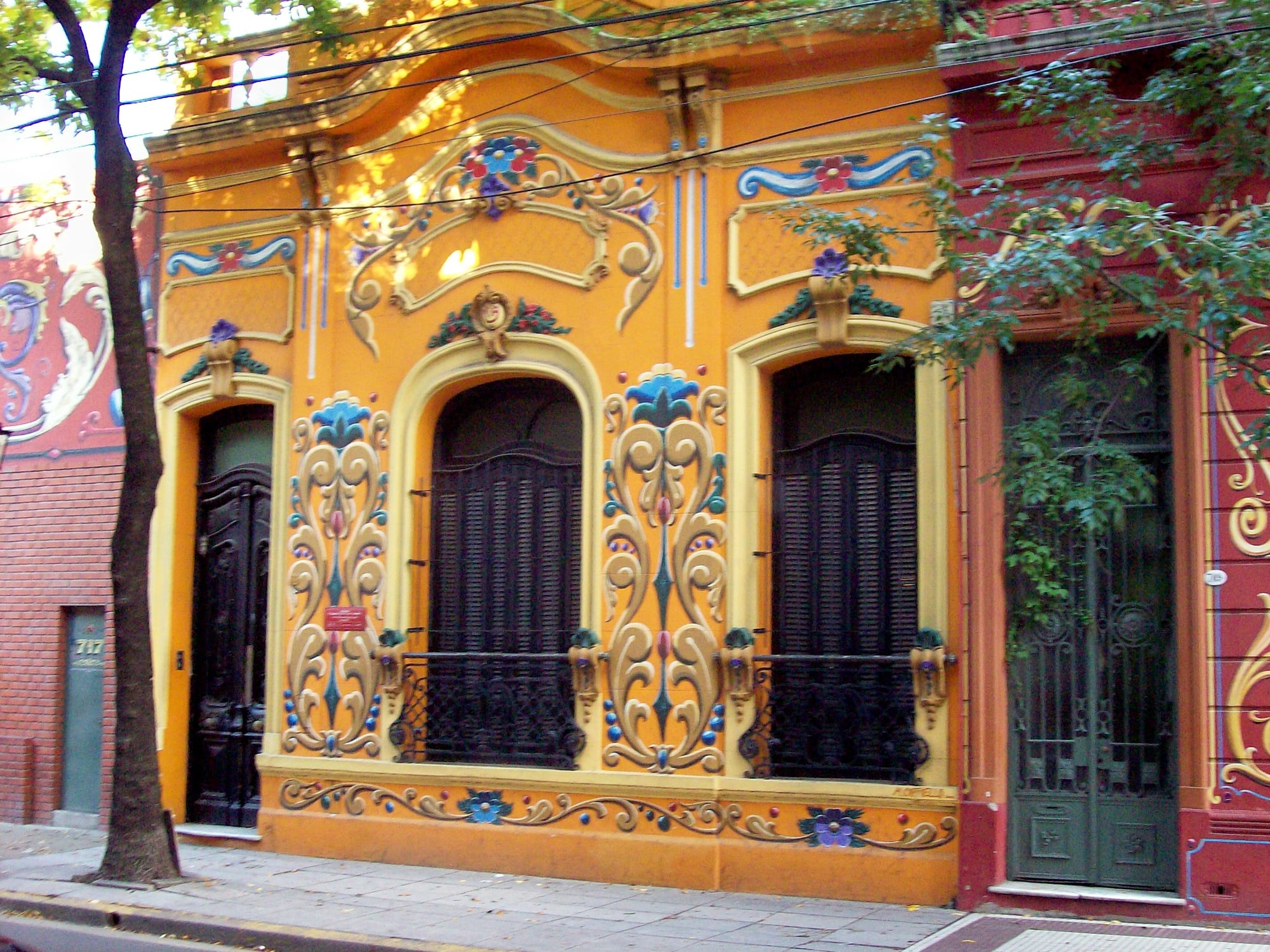
Among the crafts, the most distinctive is filete porteño, a decorative painting style of brilliant colours, curling scrolls and flowing lettering. It began on horse-drawn carts in the late nineteenth century, spread to buses and lorries, and is now seen on shop signs, house fronts and household objects. Painted with long-haired brushes, its designs often feature saints, admired politicians, and music and sporting idols, together with popular sayings, and it serves as a kind of collective memory of the city where it was born. It too is on UNESCO's list, inscribed in 2015.
Dos and don'ts for visitors
- Do greet and say goodbye to each person individually; among friends, this means a light kiss on the right cheek.
- Do arrive a little late to social gatherings, but be on time for business meetings.
- Do bring chocolates, pastries, flowers or wine when invited to a home, and avoid gifts that look expensive.
- Do join the applause for the asador and stay on for the sobremesa after the meal.
- Don't say "gracias" when handed the mate unless finished, and never stir or move the bombilla.
- Do dress with care; many Argentines put real effort into looking well presented.
- Don't raise politics, Perón or the Falklands/Malvinas unless the host does, and don't call the United States simply "America".
- Don't point at people with the index finger.
What to take away
Argentine customs turn on warmth, closeness and time shared, and visitors who greet everyone, join the circle and never rush a meal will find themselves treated much like friends.