History · Argentina
Argentina: From the Pampas to Perón
Indigenous nations, a Spanish backwater that became a breadbasket, the country that was nearly the richest in the world, and the long shadow of 1976
By Worldlore Editorial · 19 September 2026
The shape of the country
Argentina runs 3,700 kilometres from the subtropics to the edge of Antarctica, but its heart is the pampas: a huge, flat, temperate grassland around the Río de la Plata estuary, some of the most productive farmland on earth. That grassland, and the port city that controls its outlet to the Atlantic, have dominated the country's history. Buenos Aires held most of the people, most of the money and most of the power, and much of Argentine politics for two centuries has been a struggle between the port and the provinces — and, later, between the city's classes — over who the wealth of the pampas was for.
A short history
- from c. 7000 BCE
First peoples
Hunting societies across the pampas and Patagonia; farming societies, some under Inca influence, in the north-west.
- 1536 / 1580
Buenos Aires
A first Spanish attempt fails; the city is refounded in 1580, but stays a smuggling backwater.
- 1776
Viceroyalty of the Río de la Plata
Spain makes Buenos Aires a viceregal capital and opens it to Atlantic trade.
- 25 May 1810 / 9 July 1816
Revolution and independence
Buenos Aires deposes the viceroy; independence is declared at Tucumán.
- 1817
San Martín
The Army of the Andes crosses into Chile to carry the war north.
- 1829–1852
Rosas
The Federalist strongman Juan Manuel de Rosas rules from Buenos Aires.
- 1878–1885
The "Conquest of the Desert"
Military campaigns seize the pampas and Patagonia from Indigenous nations.
- 1880–1914
The great boom
Beef, wheat, railways and some six million immigrants make Argentina briefly one of the world's richest countries.
- 1946–1955
Perón
Juan and Eva Perón build a mass movement of organised labour.
- 24 March 1976 – 1983
The dictatorship
A military junta "disappears" thousands; it falls after defeat in the Falklands.
- 2001
Collapse
Argentina defaults on its debt; five presidents hold office in two weeks.
Before Spain
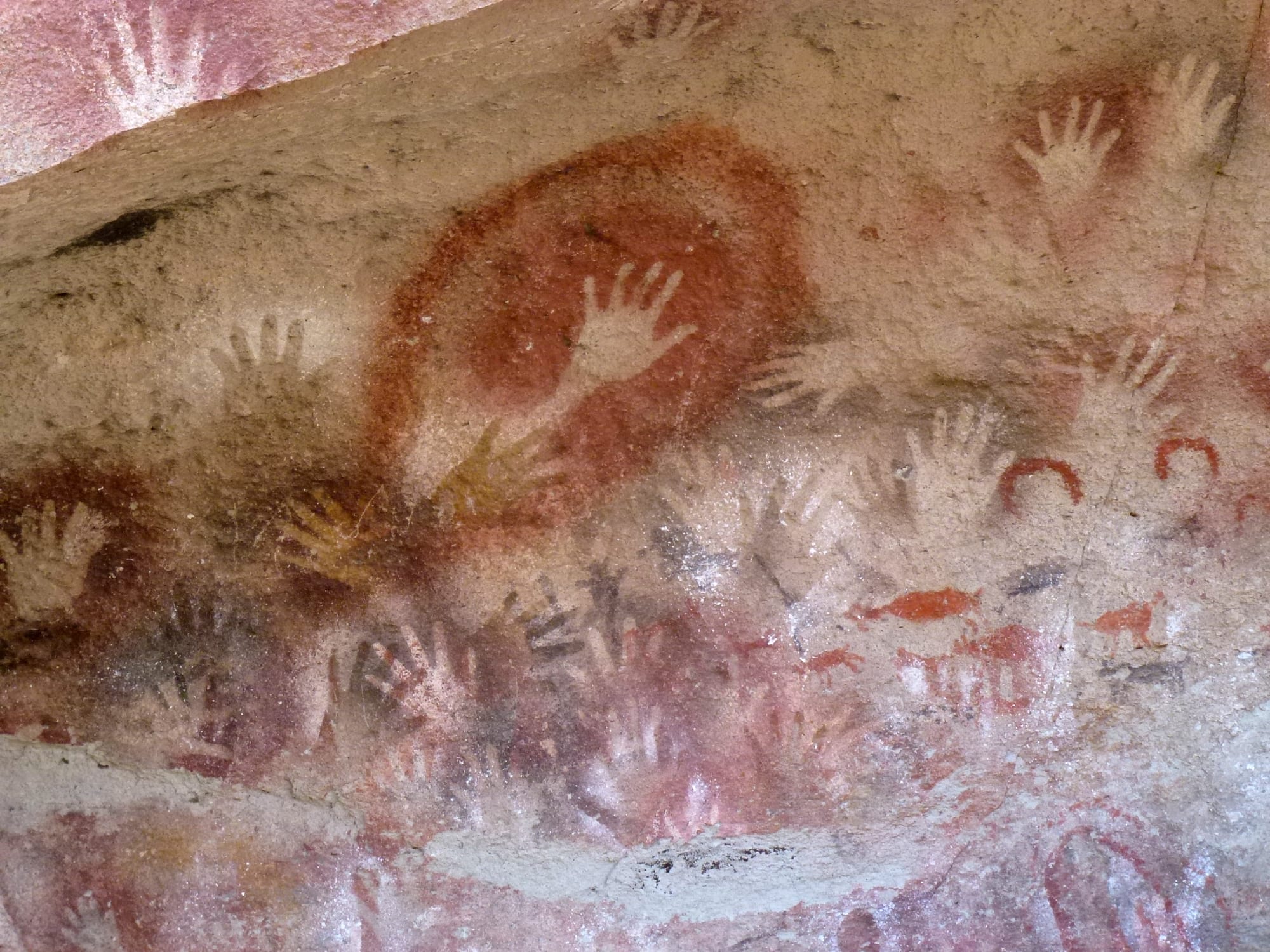
The peoples of what is now Argentina were as varied as its geography. In the north-west, valley farmers such as the Diaguita grew maize in terraced fields and, from the late 15th century, paid tribute to the Inca empire, whose southern roads reached deep into the Andes here. In the north-east, Guaraní communities farmed the subtropical forest. Across the pampas and Patagonia, mobile hunting nations — the Querandí, the Tehuelche, and the Mapuche moving in from the west — lived off guanaco and, later, the feral cattle and horses that Spanish stock left behind. The rock art at Cueva de las Manos, thousands of years old, belongs to this grassland world.
A Spanish backwater
Spain's first attempt to settle Buenos Aires, in 1536, collapsed within five years from hunger and Querandí resistance. The city was refounded in 1580, but for two centuries it barely mattered. Spain's American economy ran on the silver of Potosí, in Upper Peru, and its trade was funnelled through Lima and Panama; the useful Spanish towns in the region — Córdoba, Tucumán, Salta — were in the north-west, supplying the mines with mules, cloth and food. Buenos Aires, forbidden to trade across the Atlantic, lived largely by smuggling.
Everything changed in 1776, when Spain created the Viceroyalty of the Río de la Plata, made Buenos Aires its capital, and allowed it to trade directly with Europe. Hides, tallow and salt beef from the pampas now had an outlet, and the port city grew rich and confident — confident enough that in 1806 and 1807 its own militia twice threw out British invading forces without waiting for help from Spain.
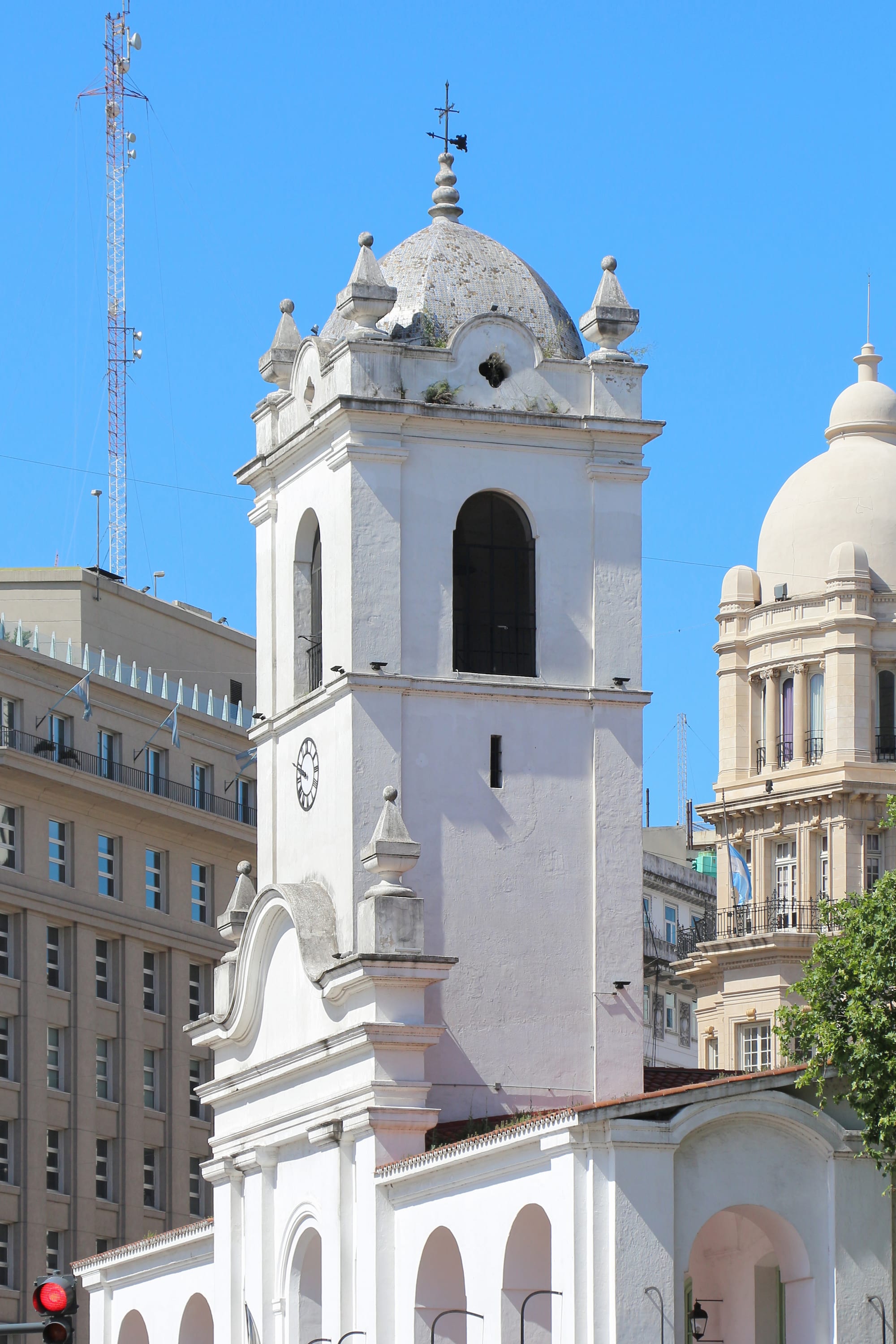
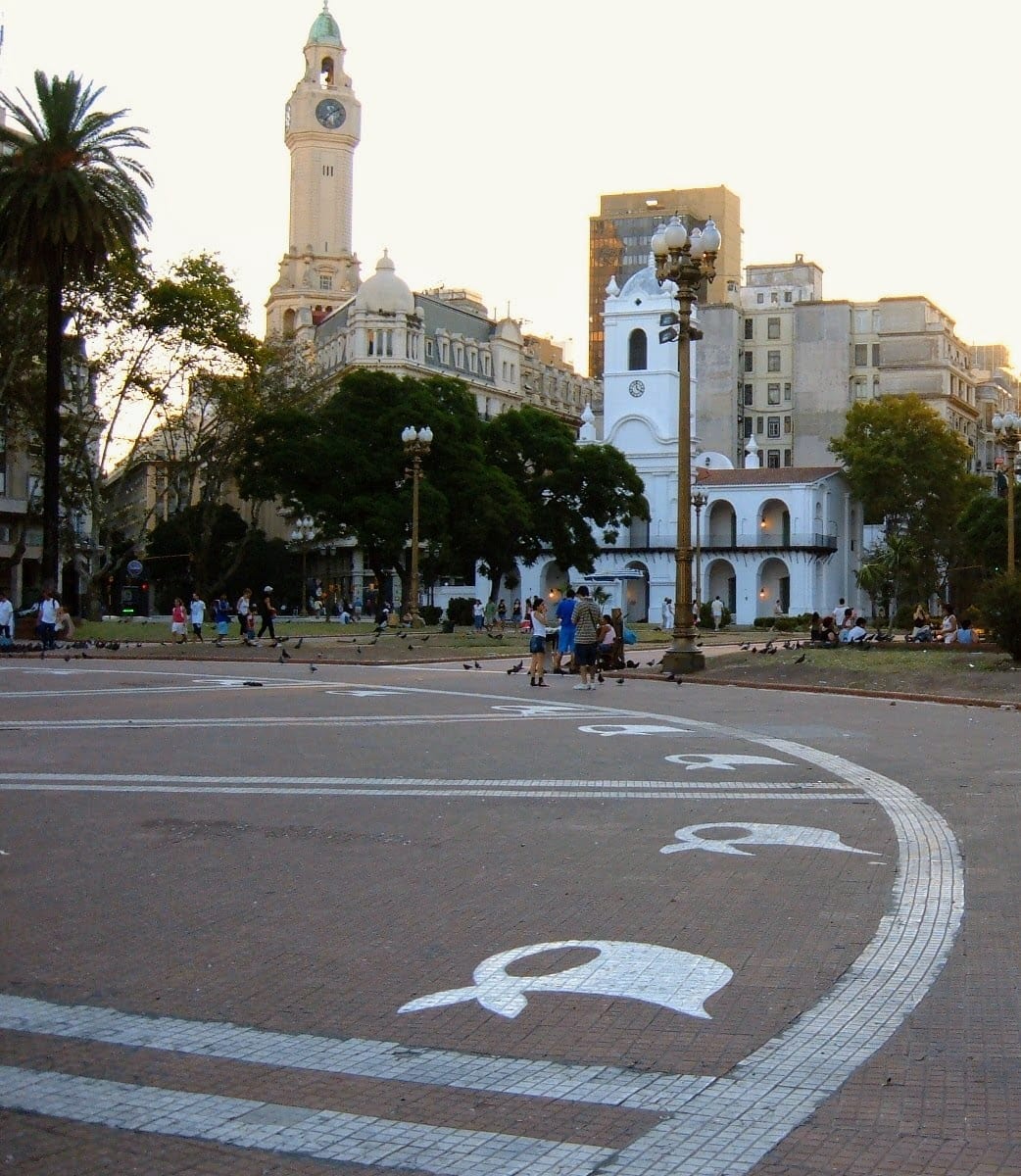
The date, 25 May, is still Argentina's national day, and the square in front of the Cabildo — the Plaza de Mayo — has been the stage for the country's politics ever since.
Revolution and civil war
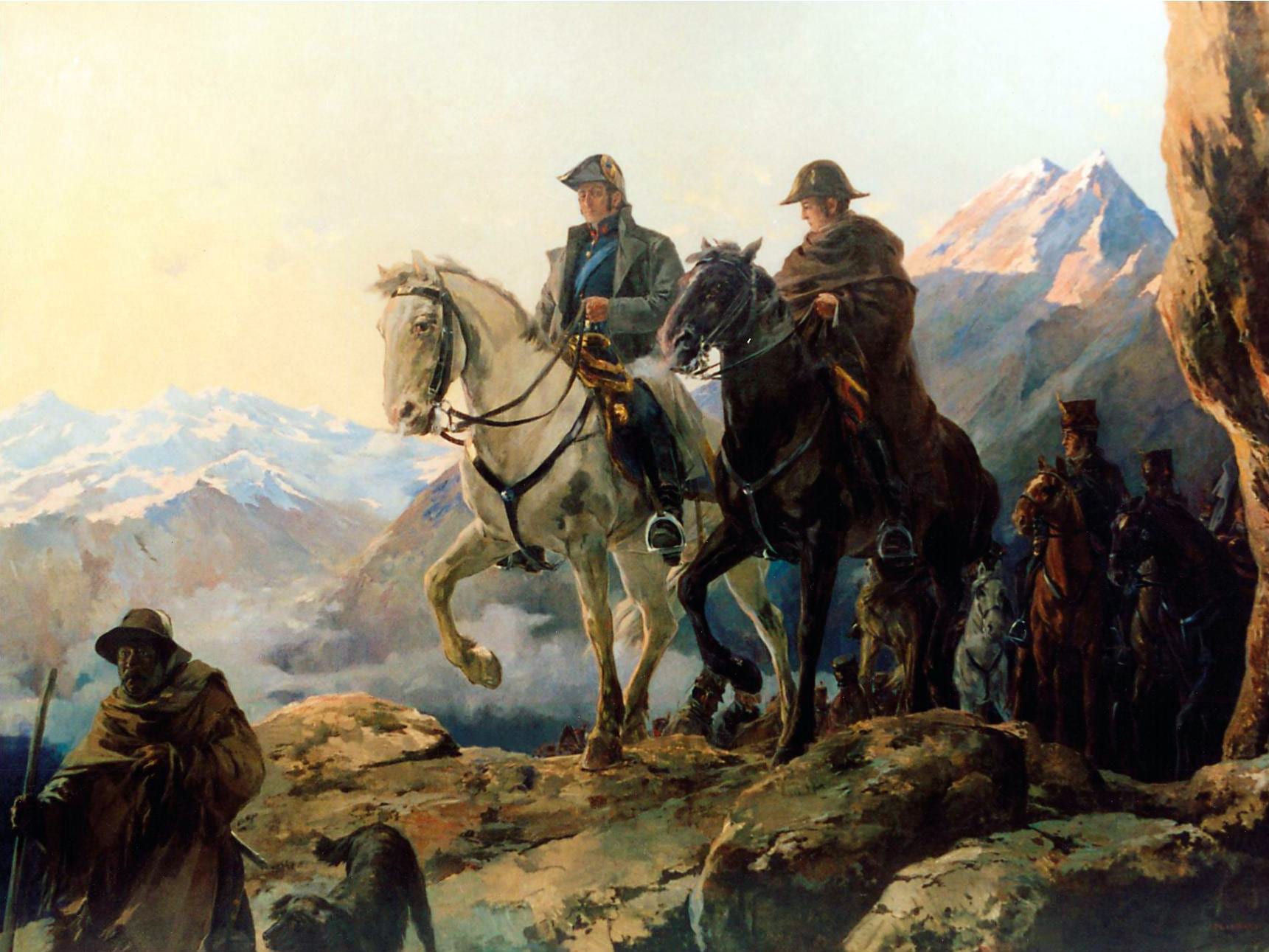
When Napoleon's occupation of Spain in 1808 threw the empire into crisis, Buenos Aires acted. On 25 May 1810 an open town meeting removed the viceroy and set up a local junta; a congress at Tucumán formally declared independence on 9 July 1816. The military genius of the wars was José de San Martín, who assembled an army in the western province of Mendoza, hauled it over the Andes in 1817, freed Chile alongside Bernardo O'Higgins, and pushed the campaign north into Peru before stepping aside for Simón Bolívar.
Independence did not produce a settled country. For four decades Argentina tore itself apart over how to organise: centralists in Buenos Aires who wanted the port to lead, against Federalists in the provinces defending local autonomy under their own strongmen. Juan Manuel de Rosas, Federalist governor of Buenos Aires, ruled the confederation as a dictator from 1829 until he was overthrown in 1852. A constitution followed in 1853, Buenos Aires fought and then rejoined the rest, and by 1862 a single national government finally held.
The pampas taken, the country made
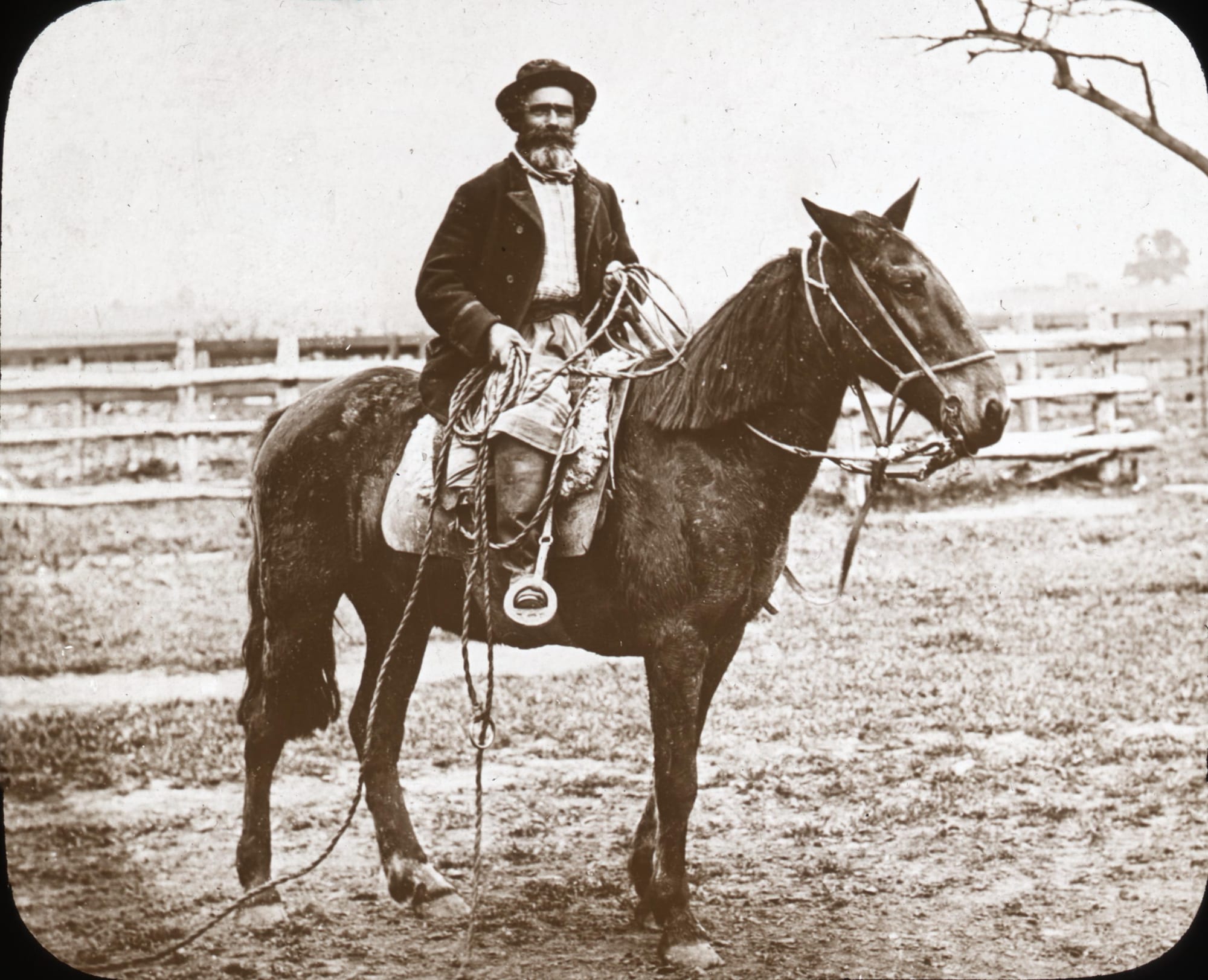
The Argentina of the late 19th century was built on two acts. The first was the "Conquest of the Desert" of 1878–1885, a series of army campaigns that killed, enslaved or drove out the Mapuche and Tehuelche nations of the pampas and Patagonia and opened tens of thousands of square kilometres of grassland — most of it handed to a small circle of families. The second was the decision to plug that land into the world economy. British-financed railways fanned out from Buenos Aires; refrigerated ships from the 1880s let Argentine beef reach Europe fresh; and the country became one of the great exporters of meat and wheat.
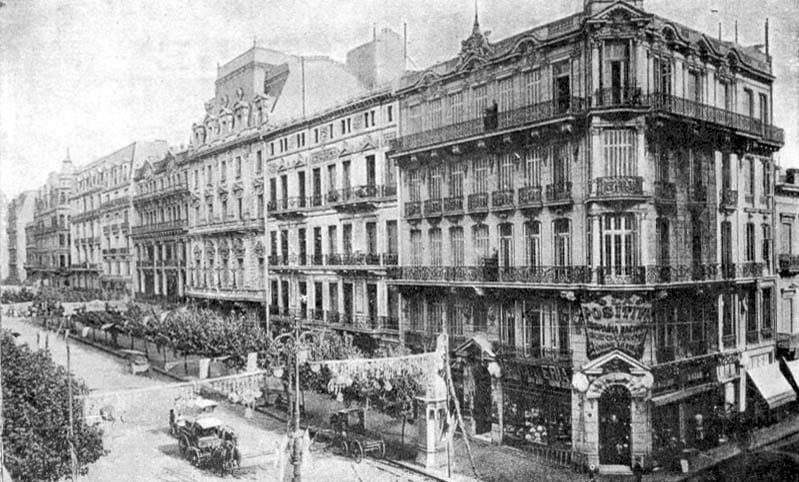
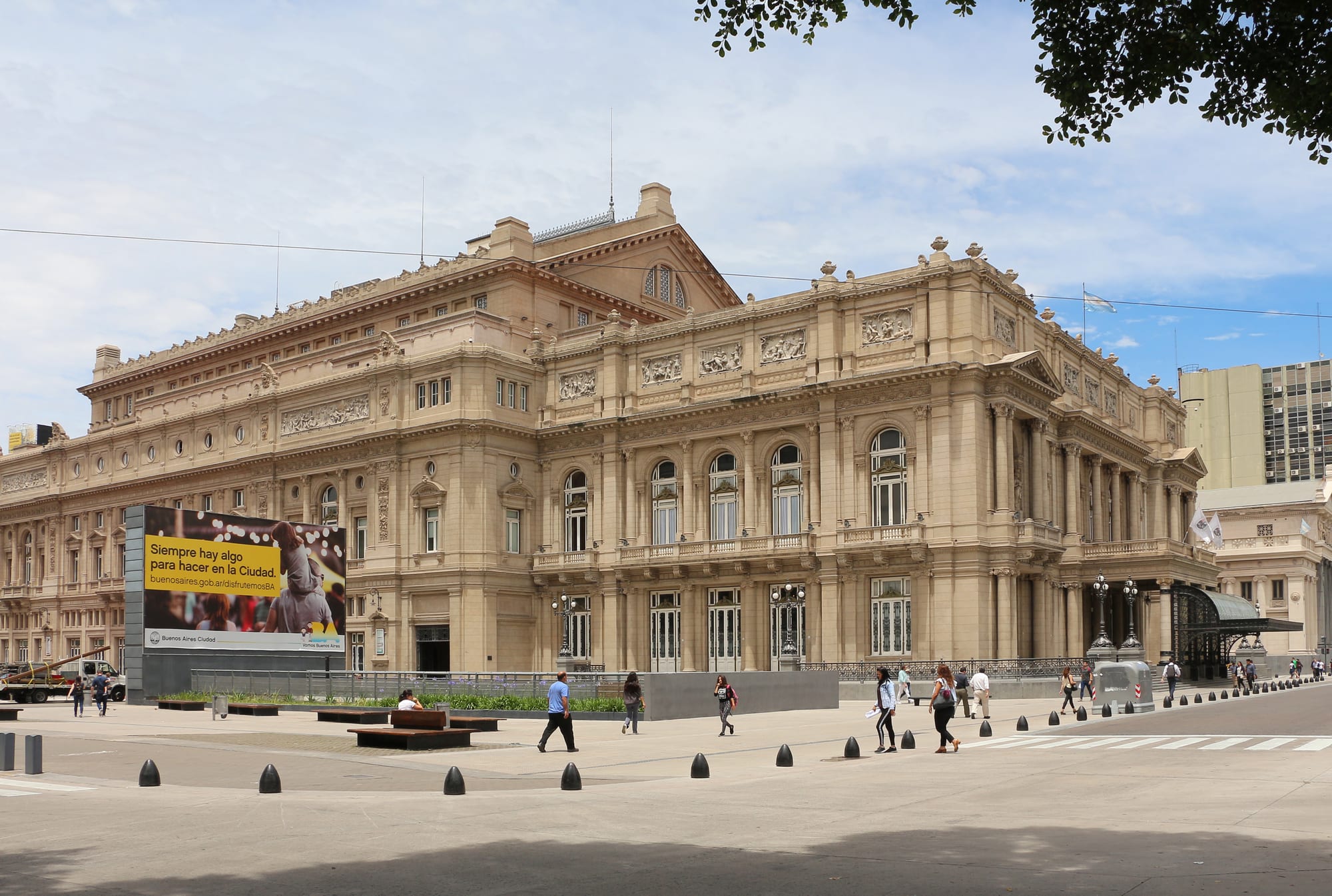
The wealth pulled in people. Between 1870 and 1930 around six million Europeans arrived, most of them Italian and Spanish, and most passing through Buenos Aires; the city grew from under 200,000 people in 1869 to more than 1.5 million by 1914. By some measures Argentina in 1913 had a higher income per head than France or Germany. The port barrios produced the tango; the elite built an opera house to rival any in Europe.
The country that was going to be rich
Perón
Politics opened up in 1912, when a new law made the male vote secret and compulsory and brought the middle-class Radical party to power. But the export model faltered after 1914, the military staged its first coup in 1930, and a decade of rigged elections followed. Out of the next military government rose Colonel Juan Domingo Perón, who as labour secretary from 1943 built a devoted following among industrial workers. Jailed by rivals in October 1945, he was freed after a vast crowd filled the Plaza de Mayo to demand it — the founding day of Peronism — and he won the presidency in 1946.
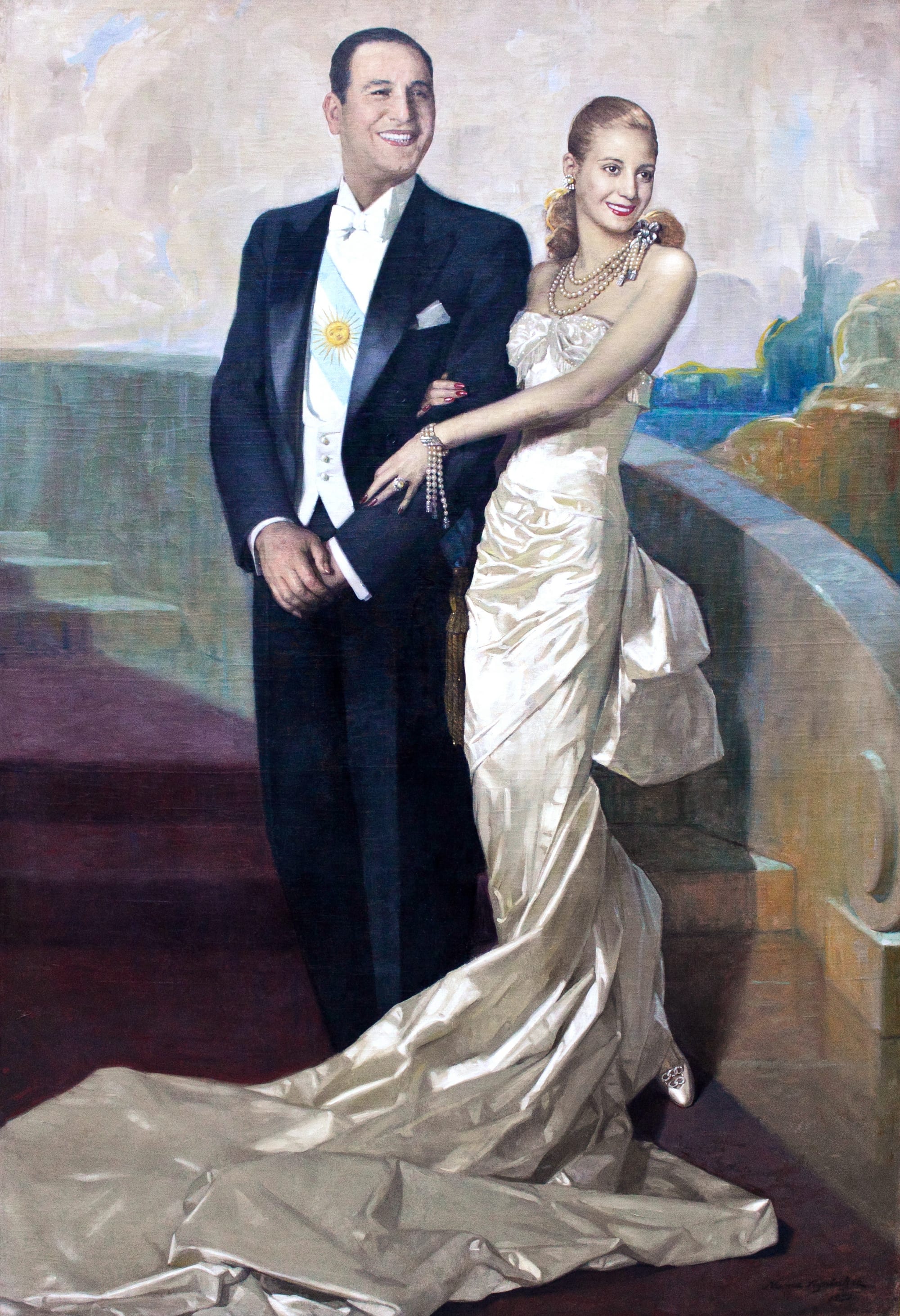
Perón nationalised the railways and the central bank, promoted industry, raised wages sharply and built a welfare state, and his movement — nationalist, pro-labour, suspicious of both liberal capitalism and the left — reshaped Argentine politics permanently. It also polarised the country. His second term brought economic trouble and a clash with the Catholic Church, and in 1955 the military overthrew him and forced him into an 18-year exile, banning Peronism outright. The proscription solved nothing: the years that followed were a churn of fragile civilian governments, more coups, and by the late 1960s political violence and armed guerrilla groups.
The dictatorship
Perón was allowed back in 1973 and elected president a third time, but he died within a year, leaving his widow, Isabel, as president amid hyperinflation and right-wing death squads. On 24 March 1976 the military seized power again, under General Jorge Videla, and launched what it called the Process of National Reorganisation. Over the next seven years the state ran a campaign of clandestine terror against anyone it deemed subversive: secret detention centres, torture, "death flights" that dropped prisoners into the sea, and the theft of babies born to murdered captives. Human-rights groups put the number of disappeared at around 30,000.
The junta gambled on a foreign victory to shore up support and, in April 1982, invaded the British-held Falkland Islands, which Argentina claims as the Malvinas. Britain sent a task force and retook the islands within ten weeks; about 650 Argentine and 250 British service members died. The defeat destroyed the junta's authority, and it handed power back to civilians in 1983.
Democracy and its crises
The elected president Raúl Alfonsín set up a truth commission whose 1984 report, Nunca Más, documented the disappearances, and in 1985 the country did something almost no other post-dictatorship state had done: it put its former military rulers on trial and convicted them. Later amnesties and pardons rolled the convictions back, before the trials were reopened for good after 2003.
The economy stayed the unsolved problem. Carlos Menem tamed hyperinflation in the 1990s by pegging the peso one-to-one to the US dollar and selling off state companies, but the peg became a trap: uncompetitive and unaffordable, it broke in 2001 in the largest sovereign debt default the world had then seen. Banks froze deposits, crowds banging pots drove the government from office, five presidents held power in two weeks, and more than half the population fell below the poverty line. A commodity boom under Néstor and Cristina Kirchner brought a partial recovery in the 2000s, but chronic inflation, recurring debt crises and a politics still divided for and against Peronism have defined the decades since.
What Argentina carries
Argentina is a country that measures itself against its own past. It was, for a moment before 1914, on the short list of the world's richest nations, and the long argument since — Perón against the oligarchy, the port against the provinces, one economic fix against the next — has been shaped by the sense of a promise not kept. Underneath it lie the two acts the modern country was built on: the grassland taken by force from its first peoples, and the millions who crossed the Atlantic to work it.