Food · Argentina
Argentina: Food and the National Dish
Beef cooked slowly over wood embers, a century of Italian immigration baked into the pasta and pizza, and a shared gourd of yerba mate passed around every gathering
By Worldlore Editorial · 16 September 2026
A country built around beef
Few national identities are as tied to a single food as Argentina's is to beef. The pampas, the vast grassland plain at the country's centre, turned out to be near-perfect cattle country, and from the 19th century onward Argentina became one of the world's great beef producers and exporters, with consumption per head that has long ranked among the highest anywhere. Around that foundation sits one of the largest Italian immigrant influences of any country outside Italy, which explains why pasta, pizza and ice cream sit completely naturally next to a plate of grilled beef on any Argentine menu.
The national dish: asado
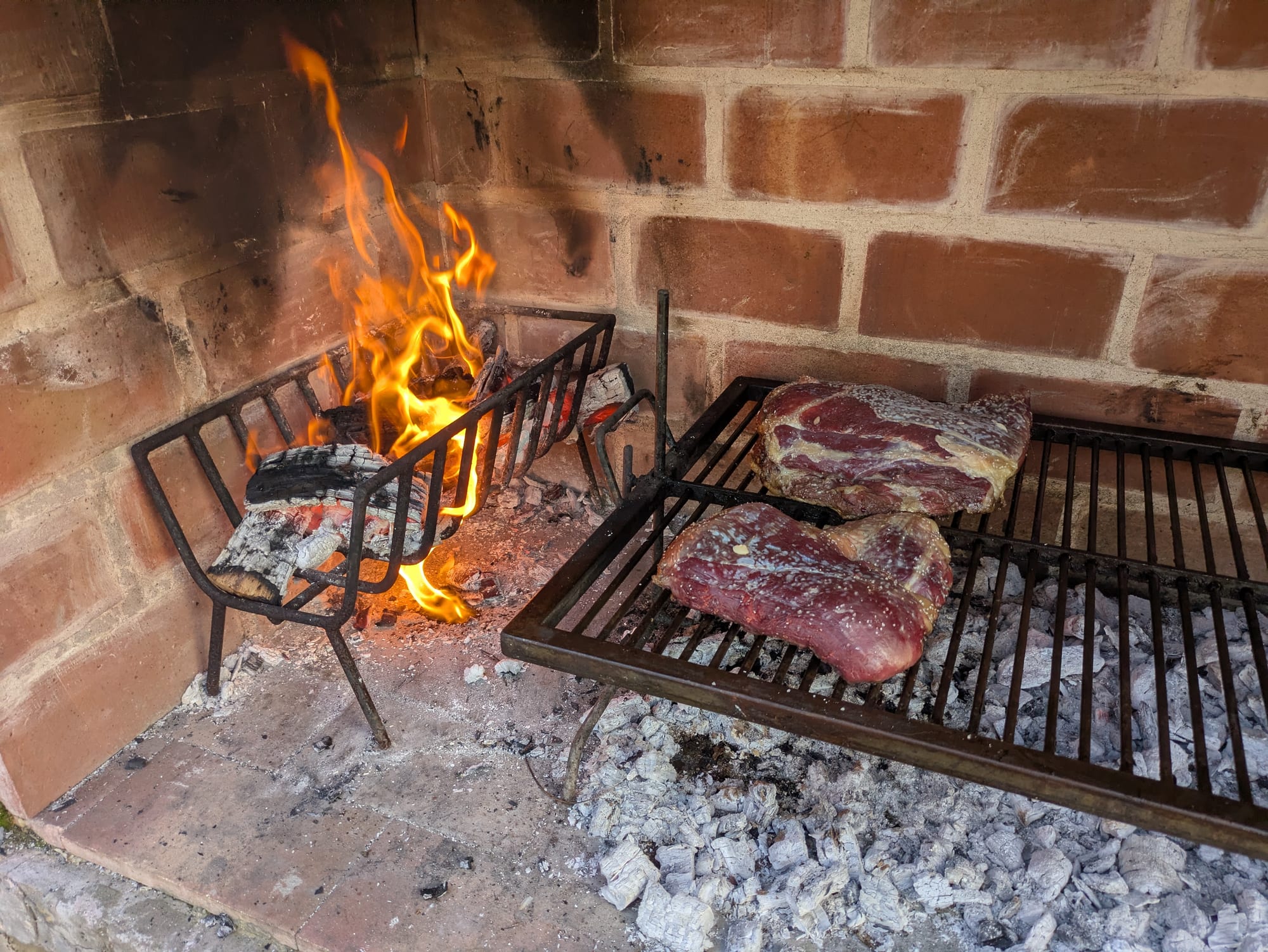
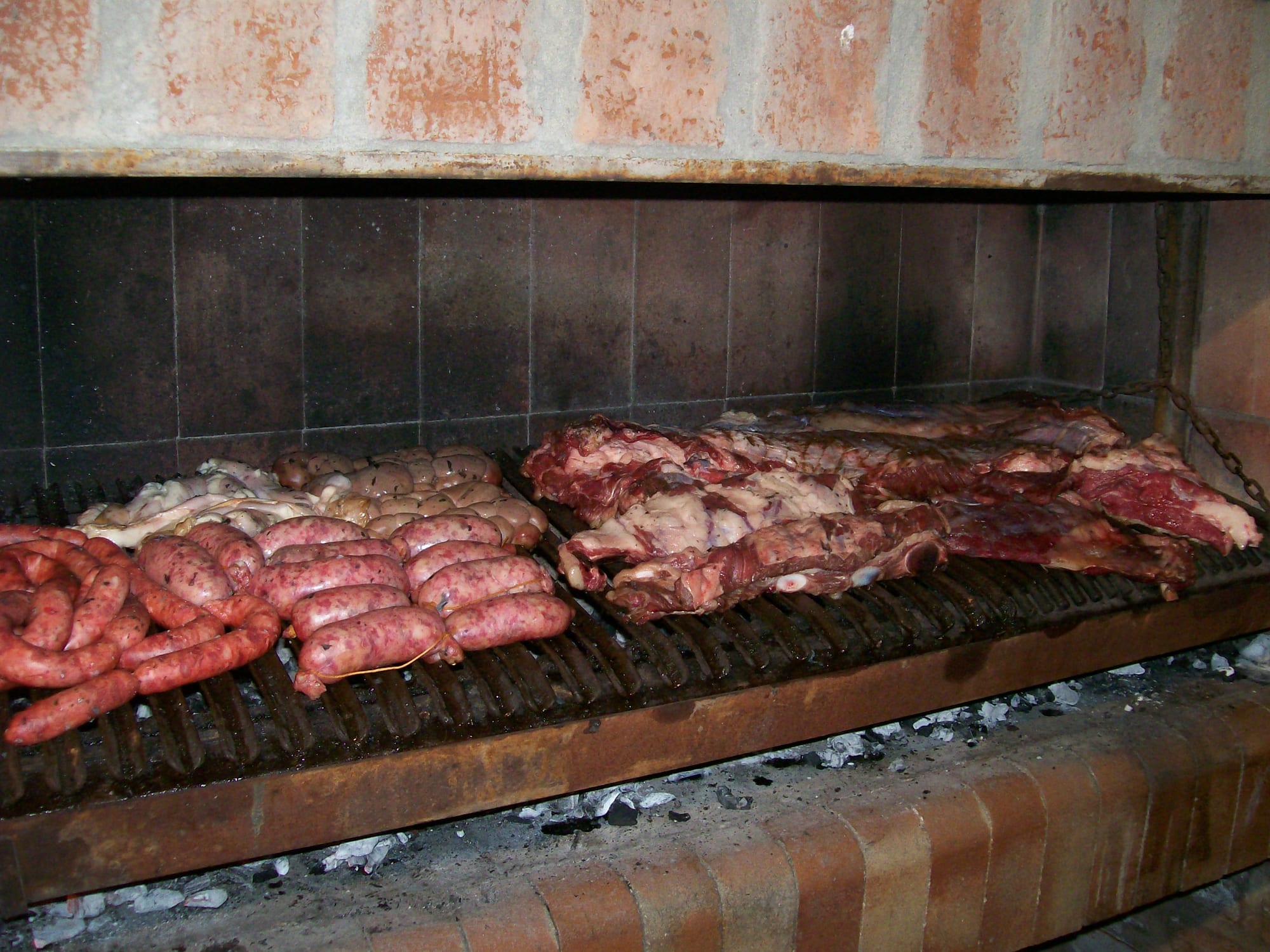
Asado is less a single dish than an entire method and occasion, and it is what Argentina eats to mark almost anything worth marking. Cuts of beef — asado de tira (ribs cut across the bone), vacío (flank), matambre — along with chorizo and morcilla sausages and achuras (offal: sweetbreads, kidneys, small intestine) are cooked slowly beside a wood or charcoal fire, on a grill called a parrilla, rather than directly over the flame.
The seasoning is famously plain — coarse salt, sometimes nothing more — on the theory that good beef needs no help, though a bowl of chimichurri, a garlicky, oregano-flecked sauce of oil, vinegar and herbs, sits on the table for those who want it. An asado is a whole afternoon, usually a Sunday, tended by one person, the asador, who is often the most argued-over authority in the family. It is built to be shared, unhurried, and social, and it descends directly from the open-fire cooking of the gauchos who worked cattle on the pampas for centuries before refrigeration made Argentine beef a global export.
An asado has a structure most first-time visitors don't expect. Sausages and morcilla usually come off the grill first, as something to eat while the larger cuts finish; achuras, for those who want them, follow; and the big cuts of beef arrive last, carved into portions with a knife at the table rather than served whole from the start. Bread and a simple salad round out the meal, but the meat is always the point, and a good asador is judged on patience and timing rather than on any marinade — the coarse salt and the quality of the beef are meant to do all the work.
How the rest of the plate got here
Spanish colonisation set the base language of the cuisine — wheat, dairy, olive oil — but the far larger force was the wave of European immigration between the 1880s and the 1940s, above all from Italy, which left Buenos Aires with a food culture as Italian in places as it is Spanish: fresh pasta, pizza a la piedra, gelato-style ice cream and strong coffee are all standard rather than novelties. Smaller waves of German, Welsh, French, Middle Eastern and other immigrants left their own regional marks, from the chocolate and beer of Bariloche's German-Swiss settlers to Middle Eastern-influenced snacks like fainá, a chickpea-flour flatbread often eaten alongside pizza.
From the Pampas to Patagonia
The cattle-and-wheat Pampas around Buenos Aires is Argentina's culinary centre of gravity, but the country is long enough to hold real regional differences. The Andean Northwest — Salta, Jujuy — cooks closer to Bolivia and Peru, with corn, quinoa, llama meat and the stew called locro. Patagonia, in the far south, is lamb country, traditionally spit-roasted upright beside an open fire, and also produces trout, wild boar and, around Bariloche, chocolate and craft beer from its German and Swiss settler history. The Litoral and Mesopotamia region in the northeast, where yerba mate is actually grown, leans on river fish like dorado and surubí and on cassava. Mendoza, at the foot of the Andes, is wine country before it is anything else.
Dishes to know
Five to recognise on any Argentine menu (regional specialities are covered on the region pages):
- Empanadas — hand-sized baked or fried pastries, filled with seasoned beef,
chicken, cheese or corn, with fillings and styles that change by province.
- Milanesa — a breaded, fried cutlet, usually beef, eaten plain, "a caballo"
with a fried egg on top, or napolitana with tomato, ham and cheese.
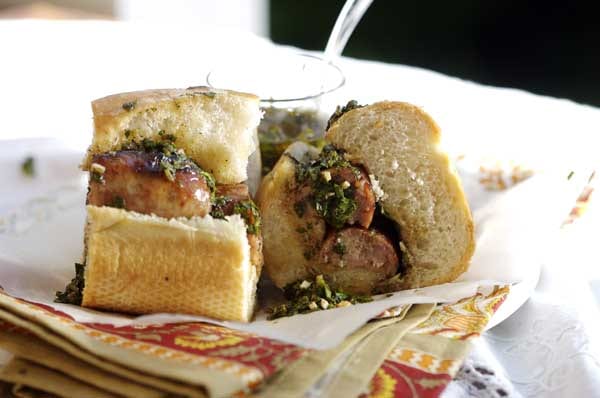
- Choripán — a grilled chorizo sausage split into a crusty roll and topped
with chimichurri, the standard street and stadium food.
- Locro — a thick stew of corn, beans, squash and meat, cooked for hours and
eaten especially around the 25 May Revolution Day holiday.
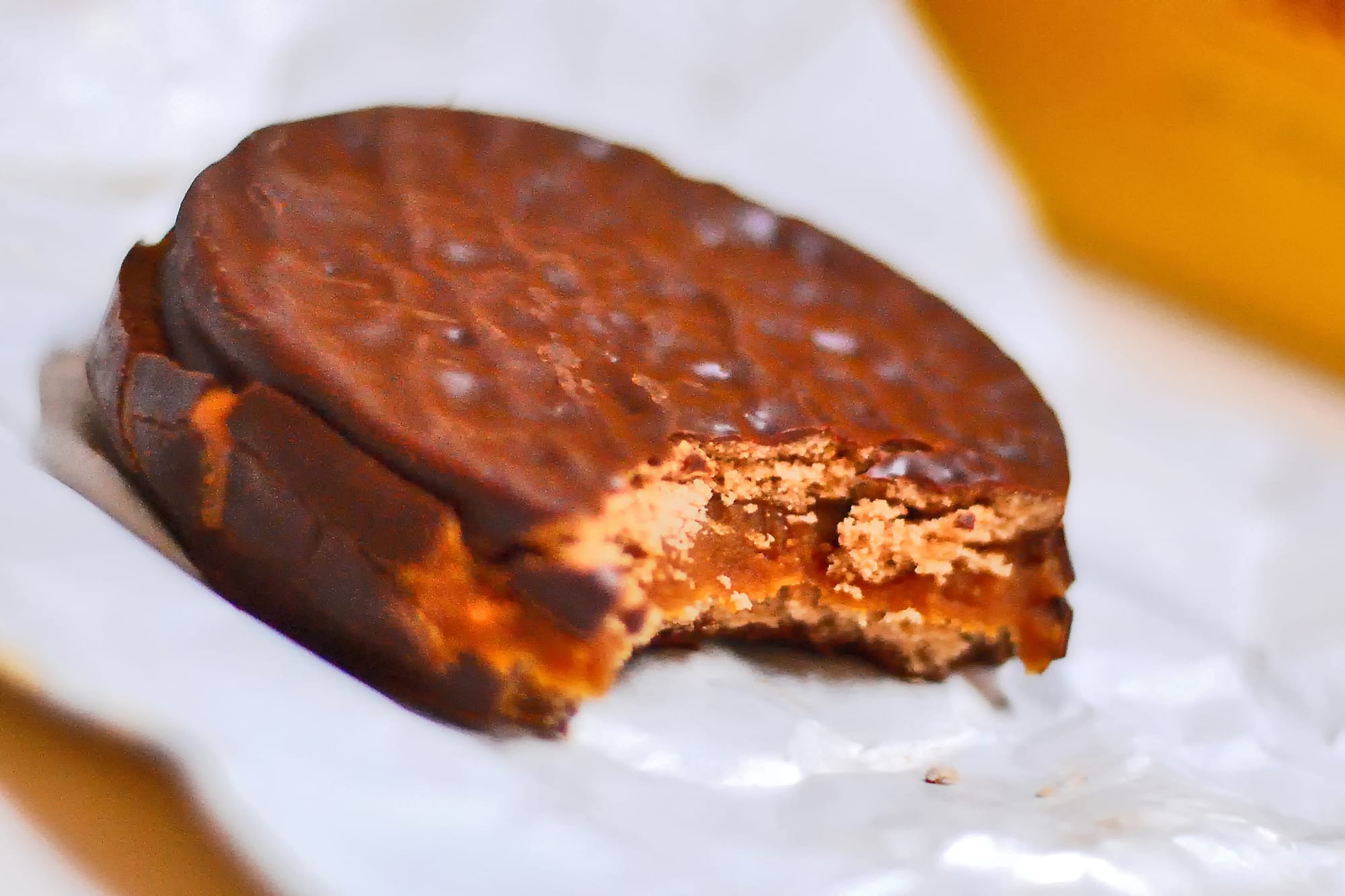
- Alfajores — two round biscuits sandwiched around dulce de leche and coated
in chocolate or dusted with sugar, sold everywhere from bakeries to petrol stations.

Dulce de leche, a caramel made by slow-cooking sweetened milk, is less a dish than a national relationship — spread on toast, folded into pancakes, layered through cakes, and at the centre of the alfajor.
Mate and other drinks
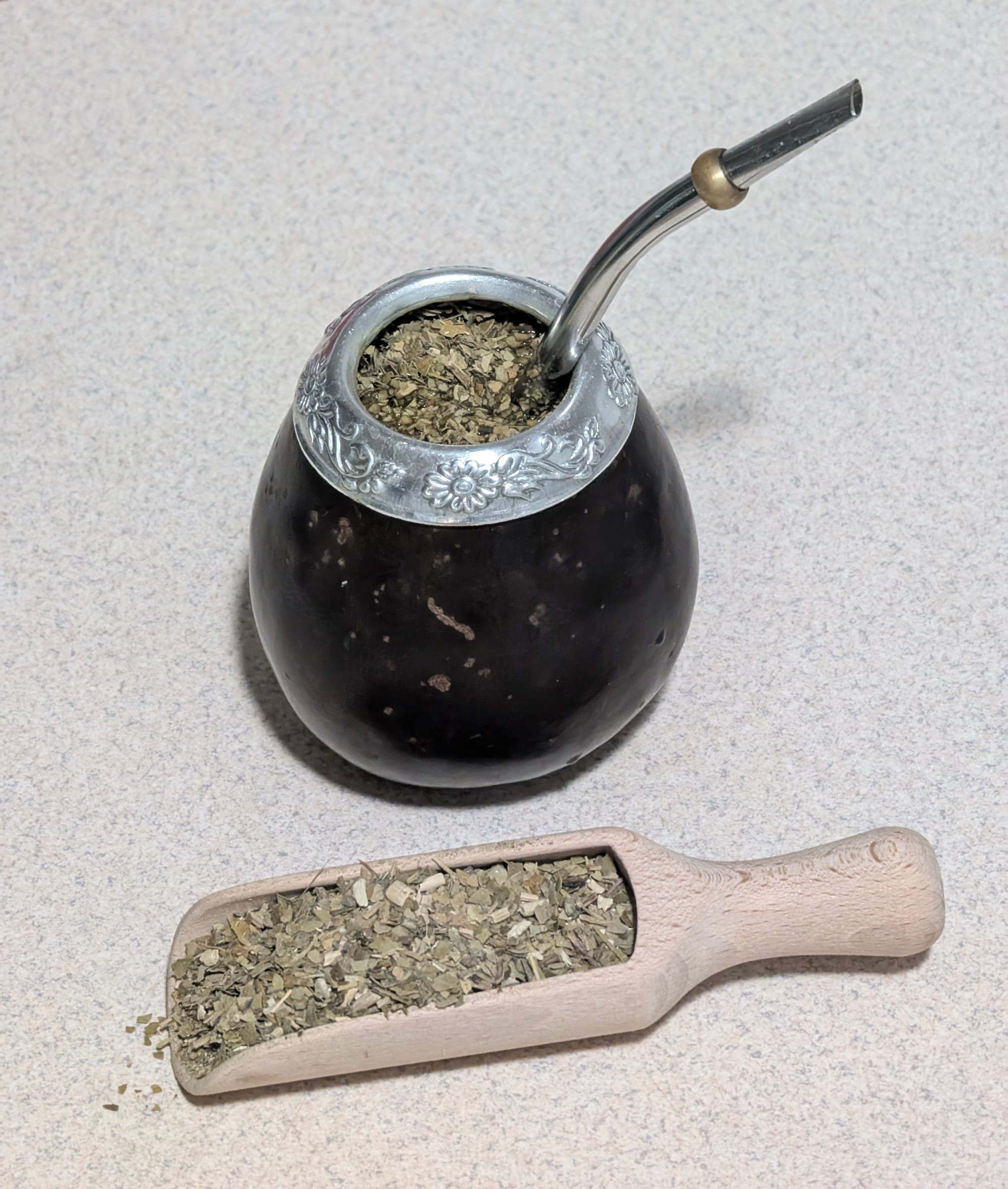
Yerba mate, a bitter infused tea drunk from a shared gourd through a metal straw and topped up with hot water as it is passed from person to person, is arguably more central to Argentine daily life than any single food — offices, picnics and long bus rides all run on it. Wine, especially Malbec from the high-altitude vineyards around Mendoza, has made Argentina one of the world's major wine-producing countries. And Fernet con Coca — an Italian bitter liqueur mixed with cola — is a specifically Argentine institution: the country is said to drink more Fernet-Branca than Italy does.
Sunday lunch and daily rhythms
Beyond asado, the Argentine week runs on a few reliable fixtures: an espresso-style coffee and a medialuna, a small sweet croissant, for breakfast; a proper lunch, often the day's main meal outside a weekend asado; and a merienda in the late afternoon, tea or mate with something sweet, that keeps most people going until the very late dinner hour. Sunday itself is protected territory — family lunches, whether asado or a big pot of pasta, are still the default way most households spend it.
Eating as a traveller
Vegetarians will find plenty of pasta, pizza and empanada fillings but should expect a beef-forward menu by default, and asado itself is not really a vegetarian occasion. Argentines eat late — dinner rarely starts before nine — and restaurants keep correspondingly late hours. Tap water is safe to drink in most cities. An asado at someone's home, if you are lucky enough to be invited, is a far better introduction to the food than any restaurant meal.
What to take from the table
Argentine food is unhurried by design: a slow fire, a shared gourd of mate, a long Sunday. Asado is the dish to build a trip around, but the pasta, the empanadas and the alfajores are just as much a part of how the country actually eats.