Attractions & Natural Wonders · Argentina
Argentina: Ten Attractions and Natural Wonders
The world's most overwhelming waterfall, a glacier that calves on cue, a painted desert in the north, and a granite spire at the end of the road south
By Worldlore Editorial · 9 September 2026
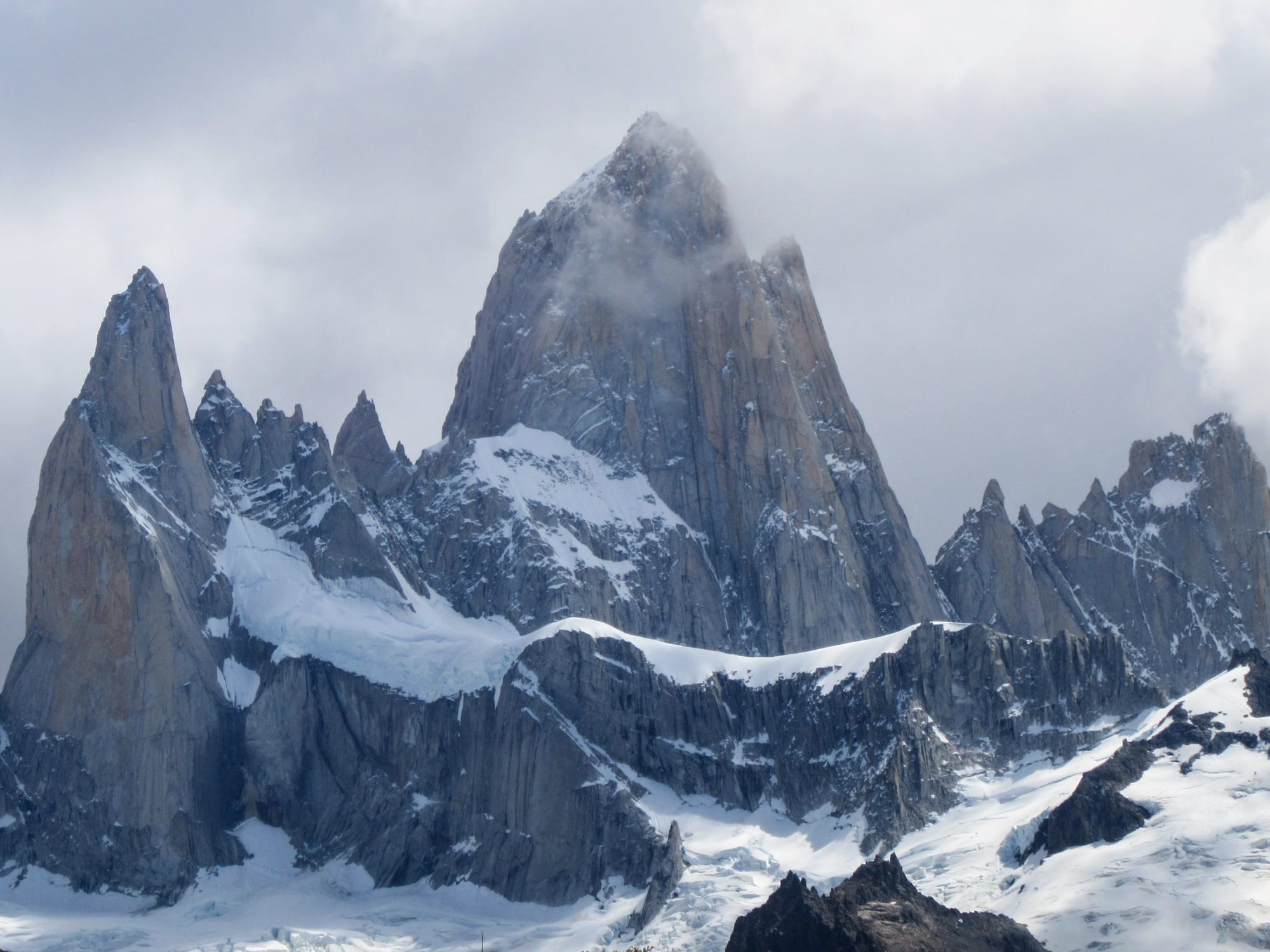
A country the length of a continent
Argentina runs 3,700 kilometres from the subtropics to the edge of Antarctica, and its attractions are spread the whole way down: jungle waterfalls in the far north, painted desert canyons in the Andean northwest, wine country and big mountains in the centre, lakes and glaciers in Patagonia, and penguins and end-of-the-world scenery in the south. In the middle is Buenos Aires, one of the great cities of the Americas.
The ten below are the headline sights. Distances are enormous — you fly between regions — so most trips pick two or three: usually Buenos Aires plus Iguazú, and Patagonia, or the northwest. Seasons are reversed: December to February is Patagonian summer; the north is best in winter.
1. Iguazú Falls
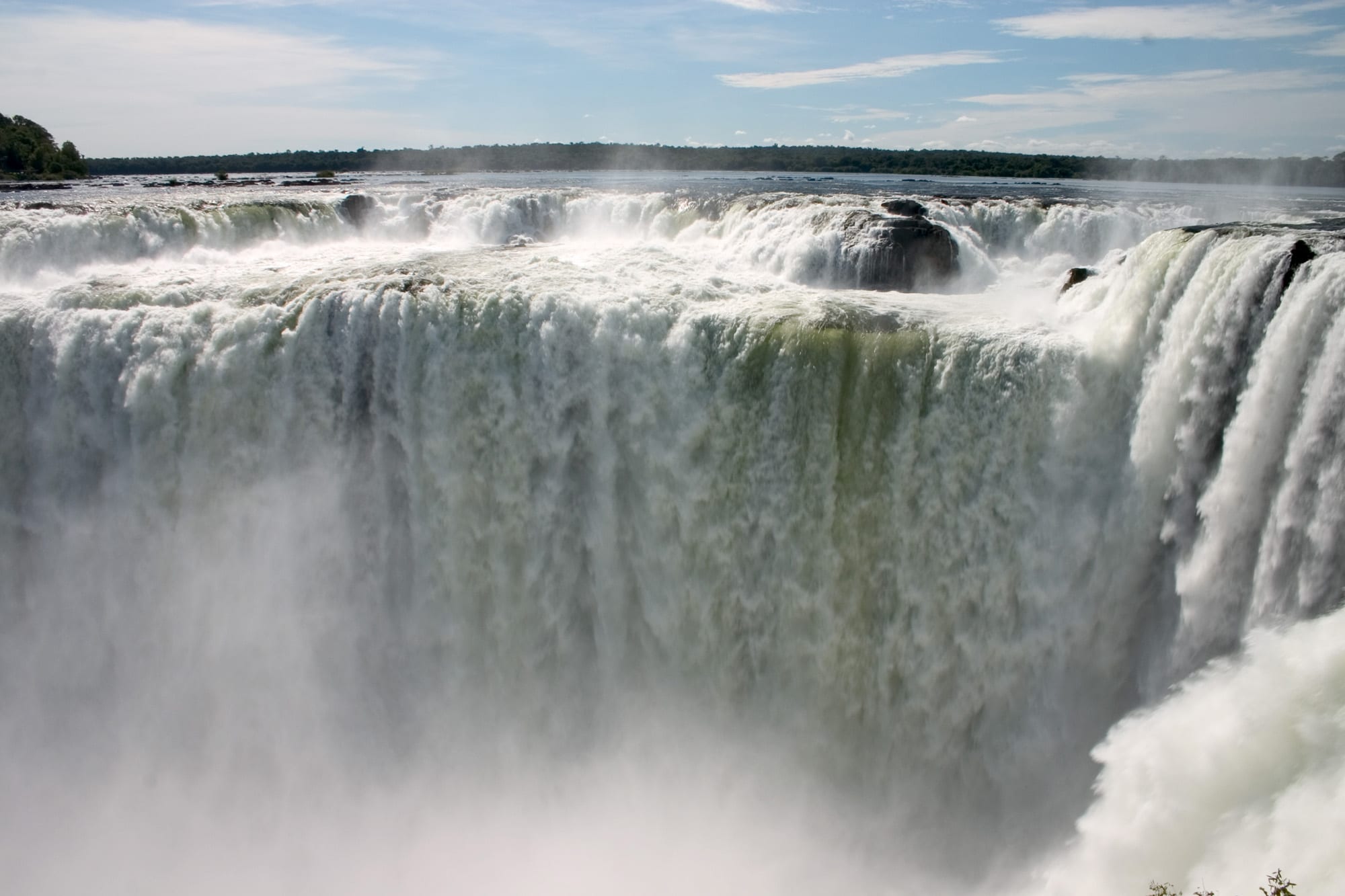
Iguazú is a system of some 275 separate waterfalls strung along nearly three kilometres of the Iguazú River, at the point where Argentina, Brazil, and Paraguay meet. The Argentine side has most of the falls and puts you right on top of them: a network of catwalks leads to a platform at the lip of the Devil's Throat, where the noise and spray are physical.
It is a UNESCO World Heritage Site and a national park full of coatis, toucans, and butterflies. Most people also cross to the Brazilian side for the wide panoramic view. Puerto Iguazú, the Argentine town, has the airport and the hotels.
2. The Perito Moreno Glacier
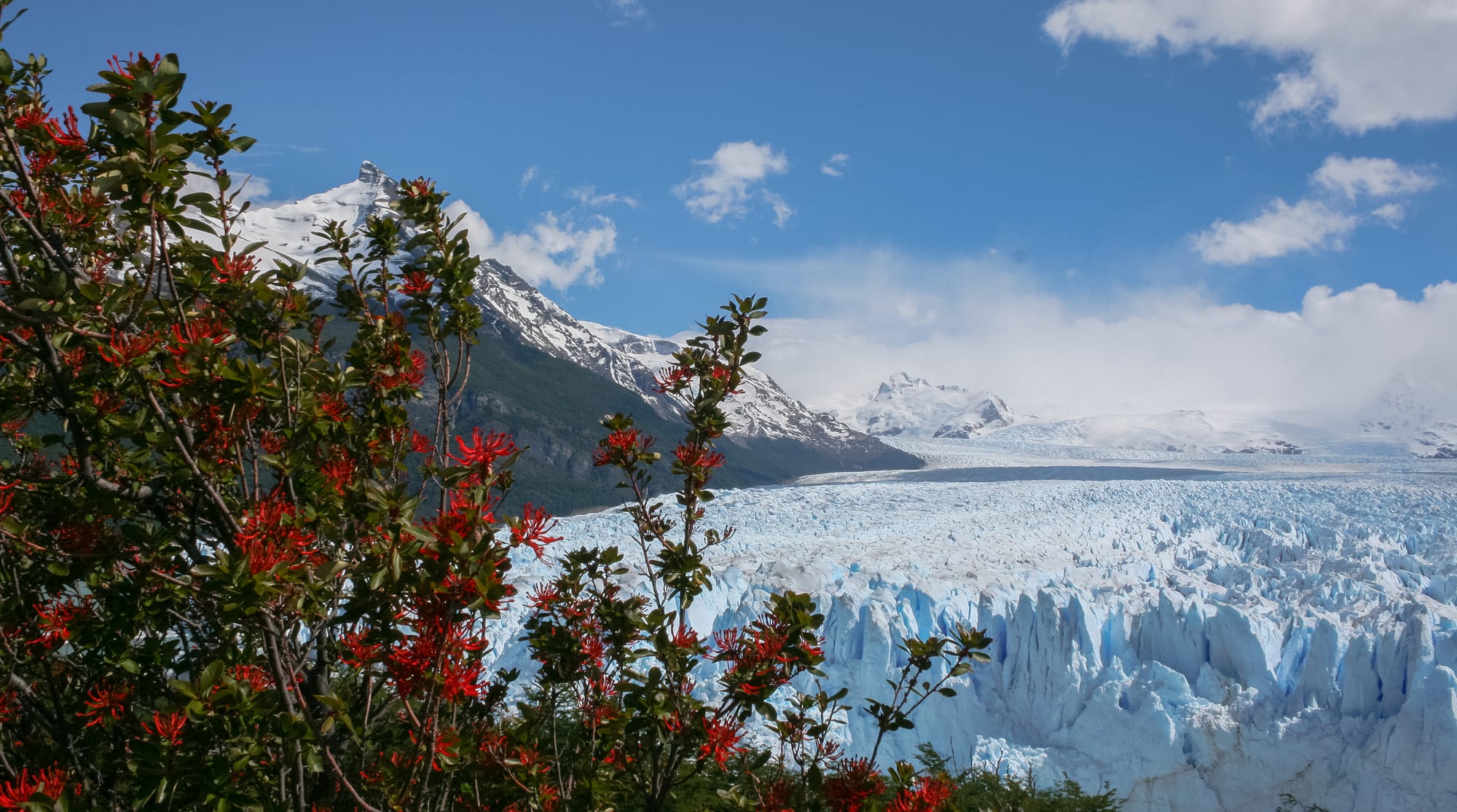
Perito Moreno is a river of ice five kilometres wide that flows down from the Southern Patagonian Ice Field and ends in a cliff about 60 metres high in Lake Argentino. Unlike most glaciers, it is roughly stable, and it is unusually accessible: a system of steel walkways runs along the ice front, close enough to hear it crack and watch blocks the size of buildings fall into the lake.
Every few years the glacier advances across a channel and dams an arm of the lake, until the water bursts through in a spectacular collapse. It is an easy day trip from El Calafate, which also has boat trips to other, larger glaciers nearby.
3. Mount Fitz Roy and El Chaltén
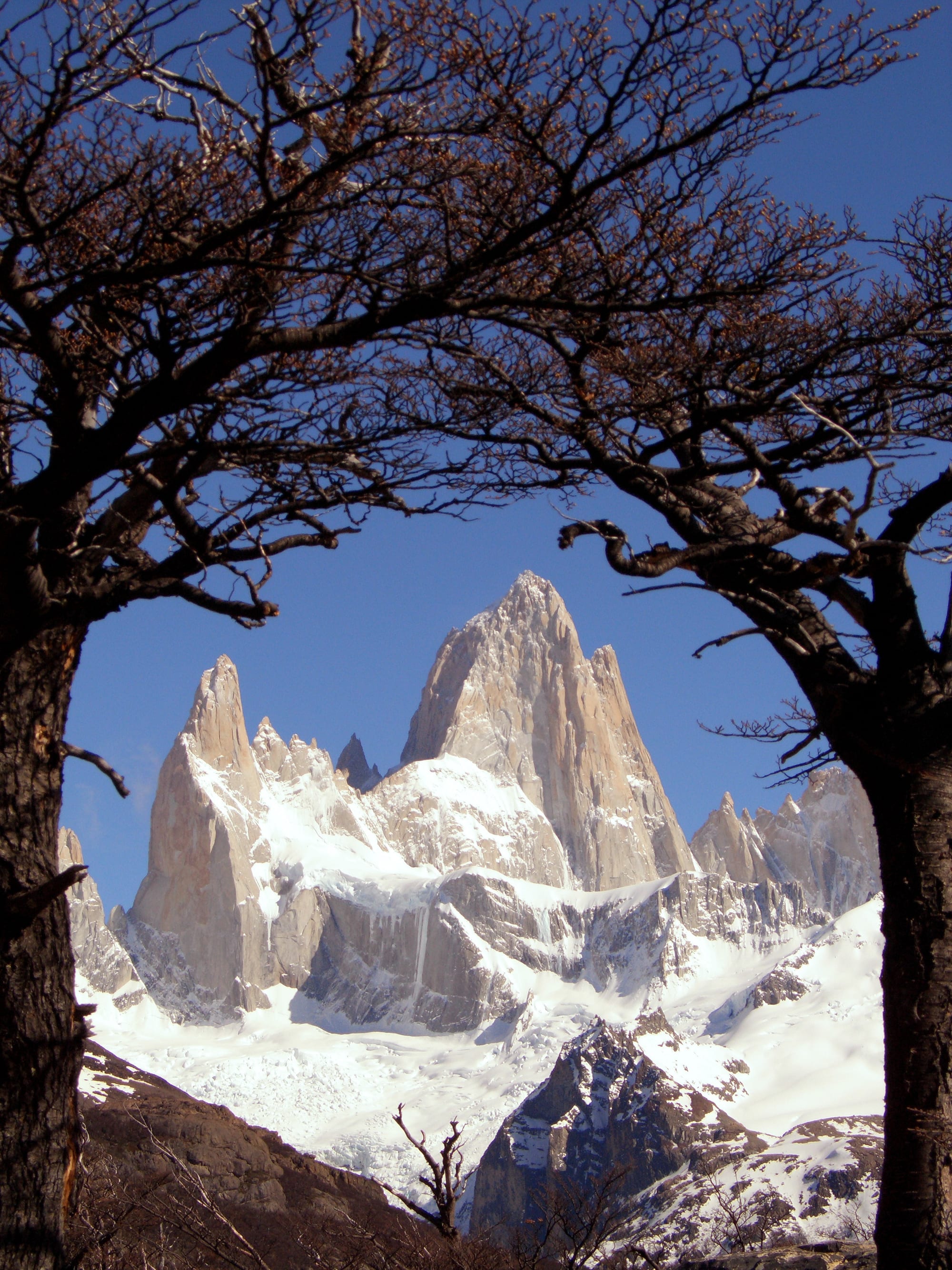
At the northern end of Los Glaciares, the small village of El Chaltén sits at the foot of the Fitz Roy massif — a group of near-vertical granite towers that are among the hardest climbs on Earth, but that ordinary walkers can get close to on well-marked day trails straight from the village.
The classic hike is to Laguna de los Tres, a glacial lake right beneath the main peak. El Chaltén has grown fast to serve the trekkers, with hostels, breweries, and bakeries, but the trailheads are still a five-minute walk from the main street.
4. Buenos Aires
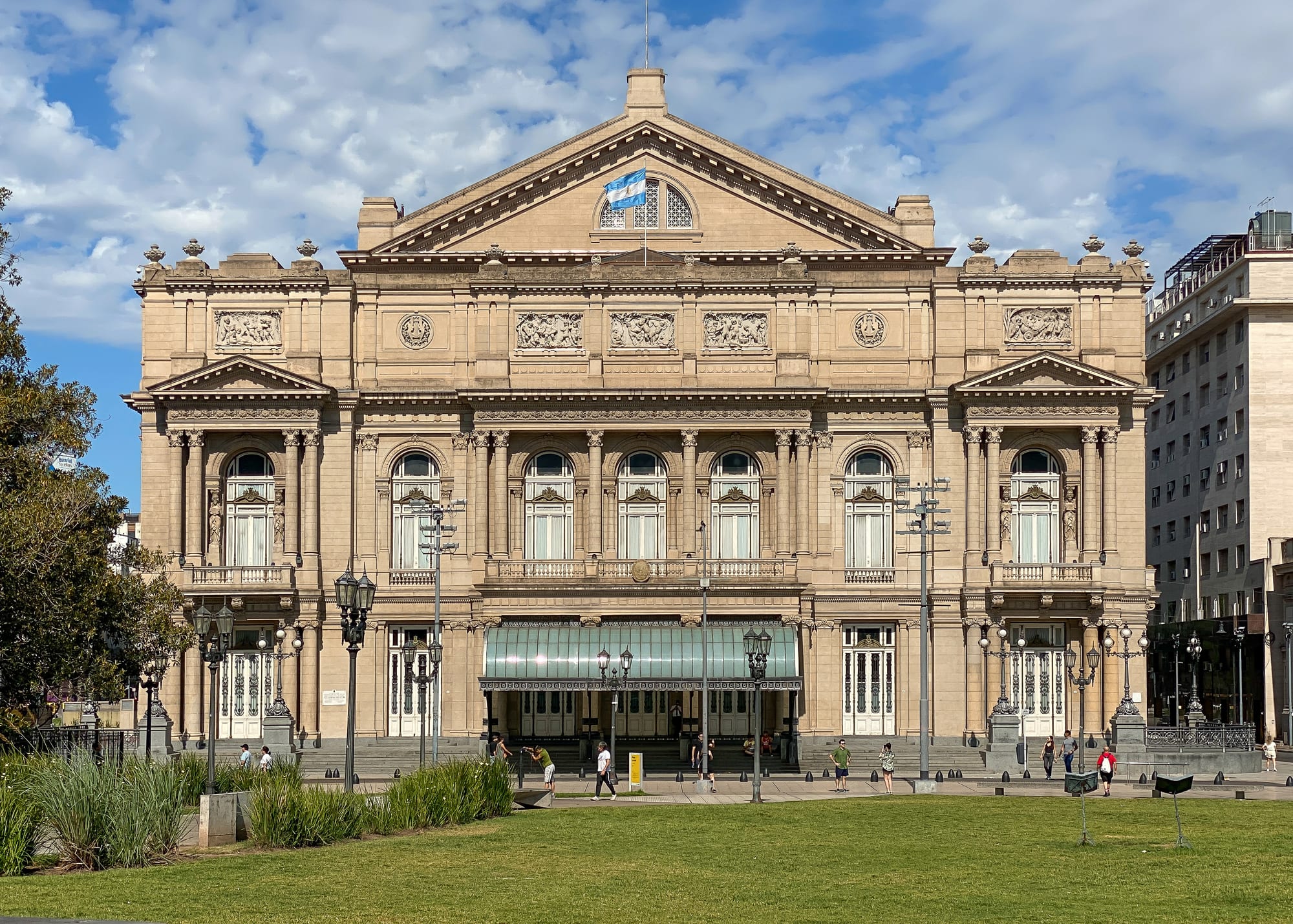
Argentina's capital is a huge, dense, European-looking city that runs on café culture, football, and tango. The set-piece sights are spread across a few neighbourhoods: the Plaza de Mayo and the pink Casa Rosada downtown; the grand Teatro Colón; the bookshop-in-a-theatre El Ateneo; and the wide Avenida 9 de Julio with its Obelisco.
But the city is really about its barrios — the antique markets of San Telmo, the cafés and parks of Palermo, the smart avenues of Recoleta — and about staying out late. Give it three or four days at the start or end of a trip.
5. La Recoleta Cemetery
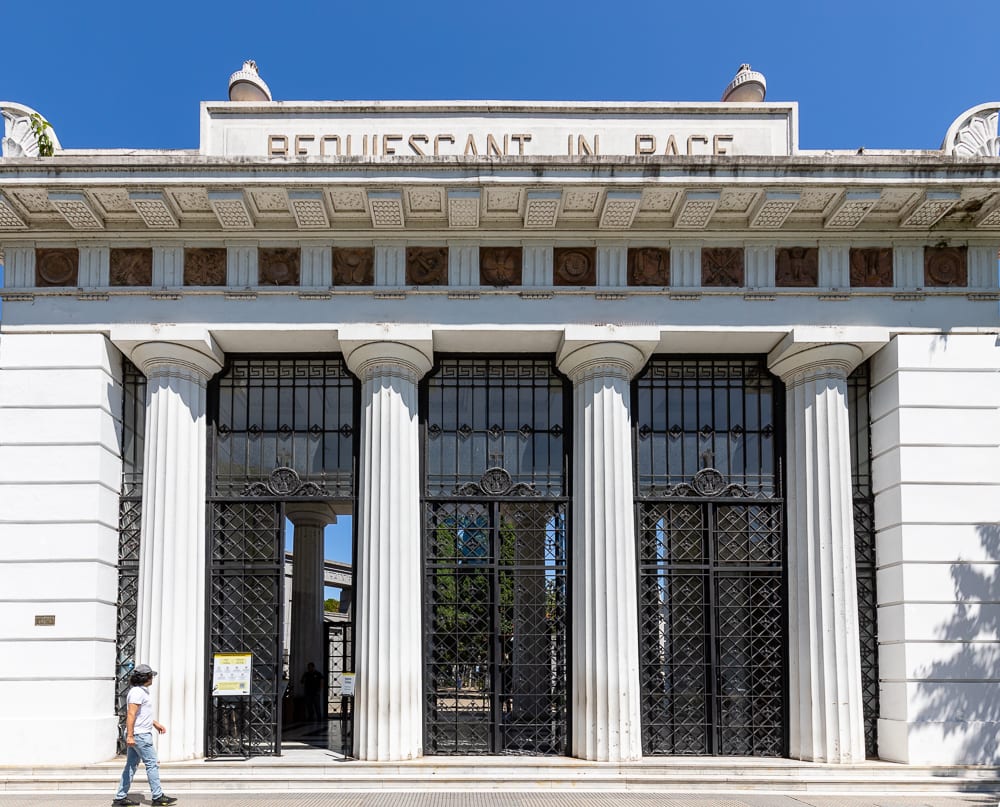
In the wealthy Recoleta district, this walled cemetery is a grid of narrow avenues lined with several thousand above-ground tombs — marble temples, art nouveau chapels, bronze doors — belonging to the presidents, generals, and landowning families of Argentina's golden age. The most-visited grave is Eva Perón's, comparatively modest, in the Duarte family vault.
Entry is free, it is open daily, and an hour of wandering the lanes is one of the most atmospheric things to do in the city. Guided walks explain who is who.
6. La Boca and the Caminito
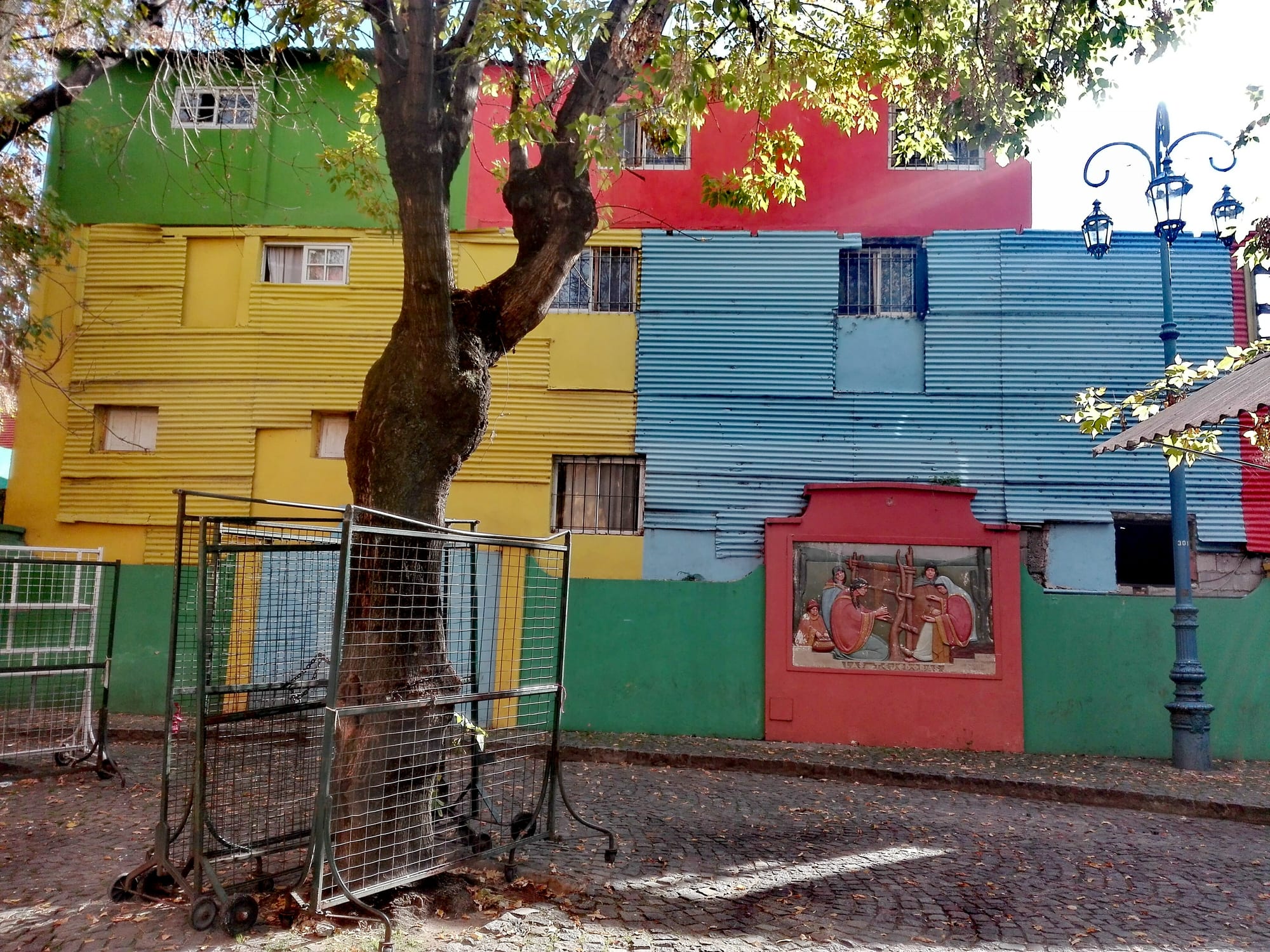
La Boca, by the old port, was the first landfall for many 19th-century Italian immigrants, who built their houses from ships' scrap and painted them with leftover marine paint in whatever colours came to hand. One short street, the Caminito, has been turned into an open-air museum of this look, with tango dancers and cafés.
It is touristy and best seen by day — the surrounding area can be rough — but La Boca is also home to Boca Juniors and their famously loud stadium, La Bombonera, one of the temples of world football.
7. The Quebrada de Humahuaca
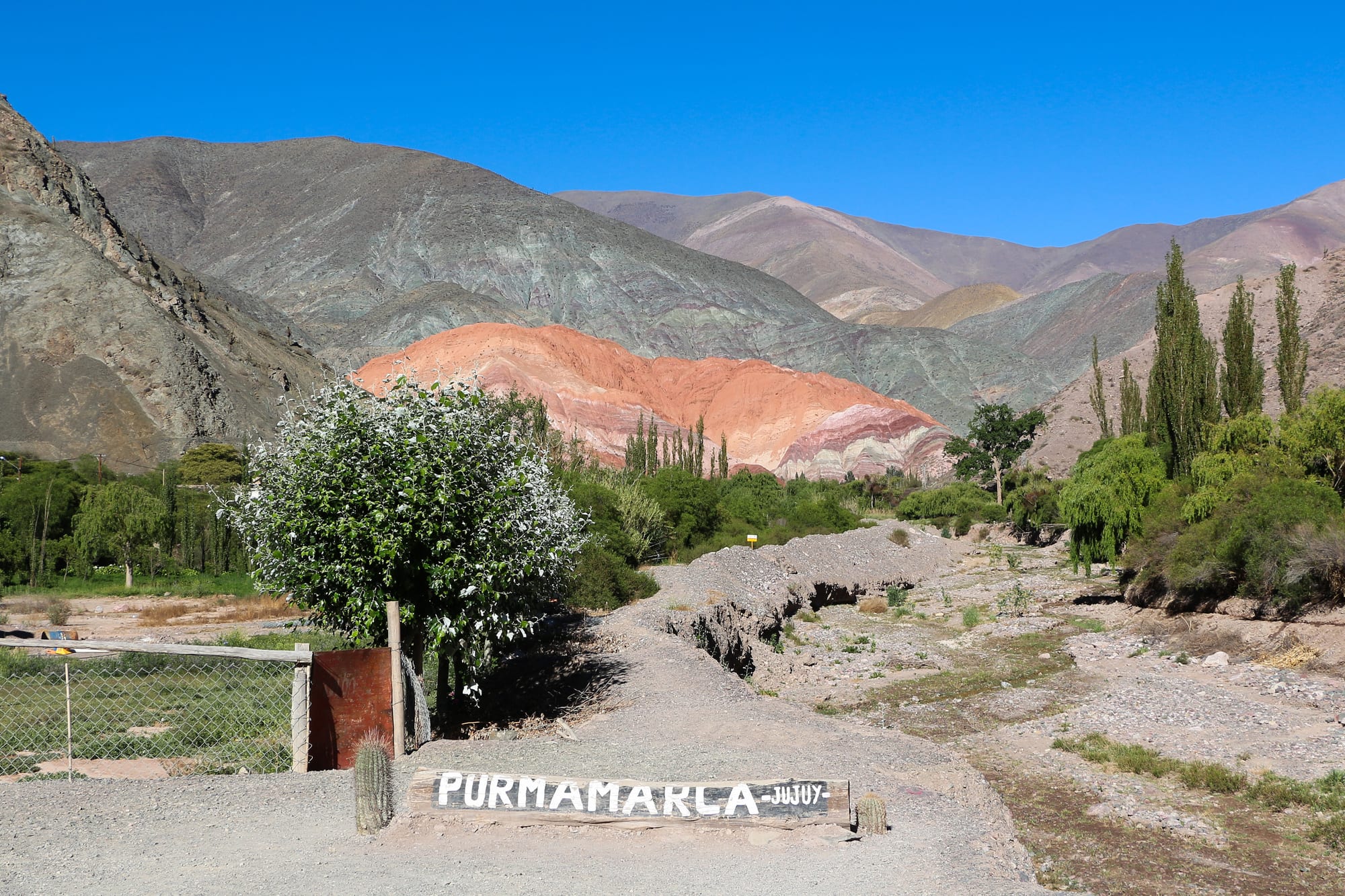
In the far northwest, near the Bolivian border, the Rio Grande has carved a long desert valley — the Quebrada de Humahuaca — that was a caravan route for thousands of years and is now a UNESCO World Heritage Site. Its walls are spectacularly coloured: mineral-streaked hillsides in red, ochre, green, and violet, best seen at Purmamarca and along the Serranía de Hornocal.
The valley's villages — Tilcara with its pre-Inca hill fort, Humahuaca itself — keep a strong Andean, indigenous character. It pairs with a trip to the vast white salt flats of the Salinas Grandes over the pass.
8. Bariloche and the Lake District
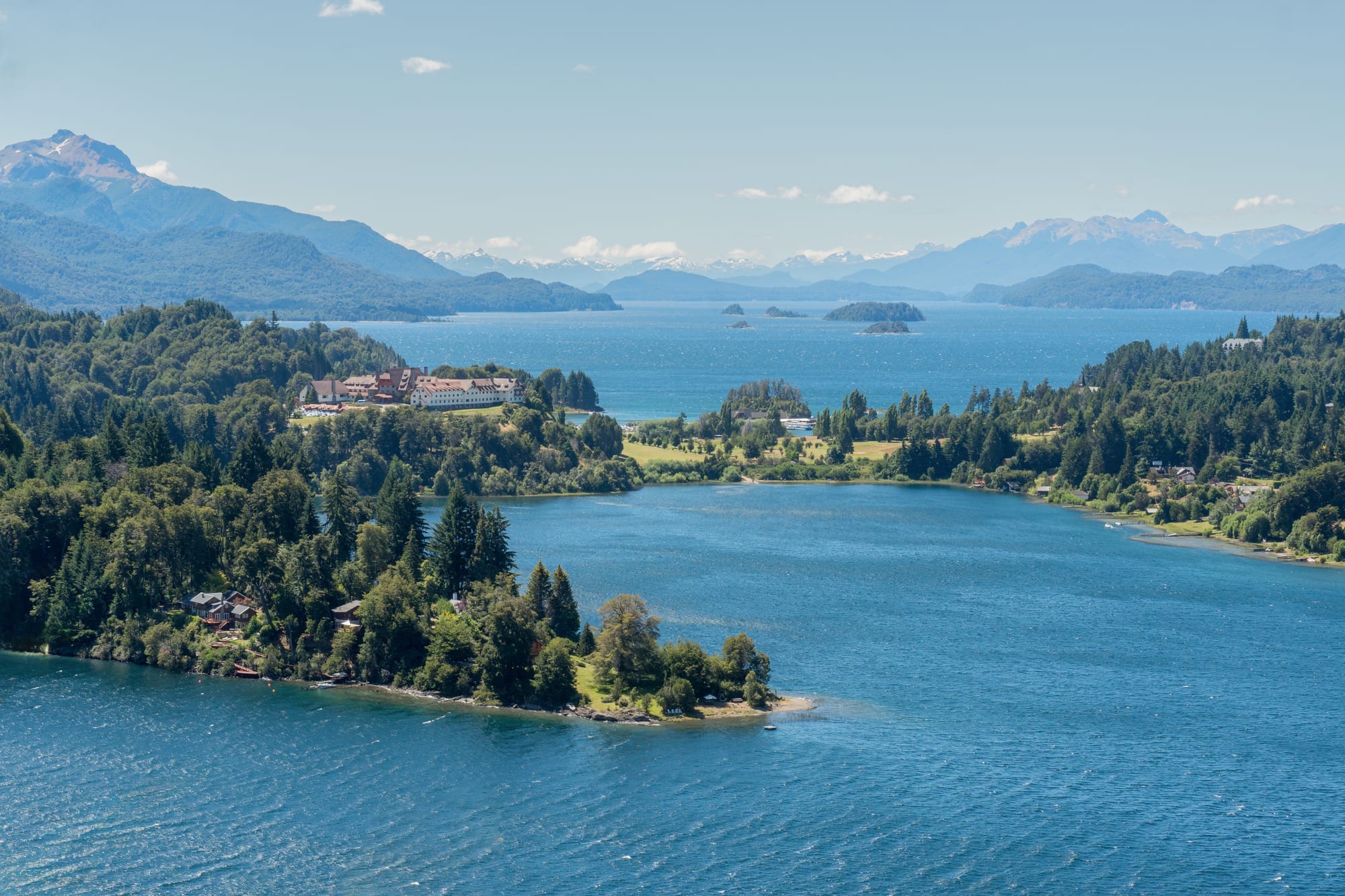
On the eastern slope of the northern Patagonian Andes, San Carlos de Bariloche sits on a huge glacial lake, Nahuel Huapi, surrounded by forested mountains and more lakes in every direction. It is Argentina's outdoor-sports hub: skiing in winter, hiking, kayaking, and scenic drives in summer, and chocolate shops and Alpine-style architecture year-round.
The classic outing is the Circuito Chico, a short loop drive past viewpoints and the Llao Llao hotel. From here the "seven lakes" road runs north through the national parks toward San Martín de los Andes.
9. Península Valdés
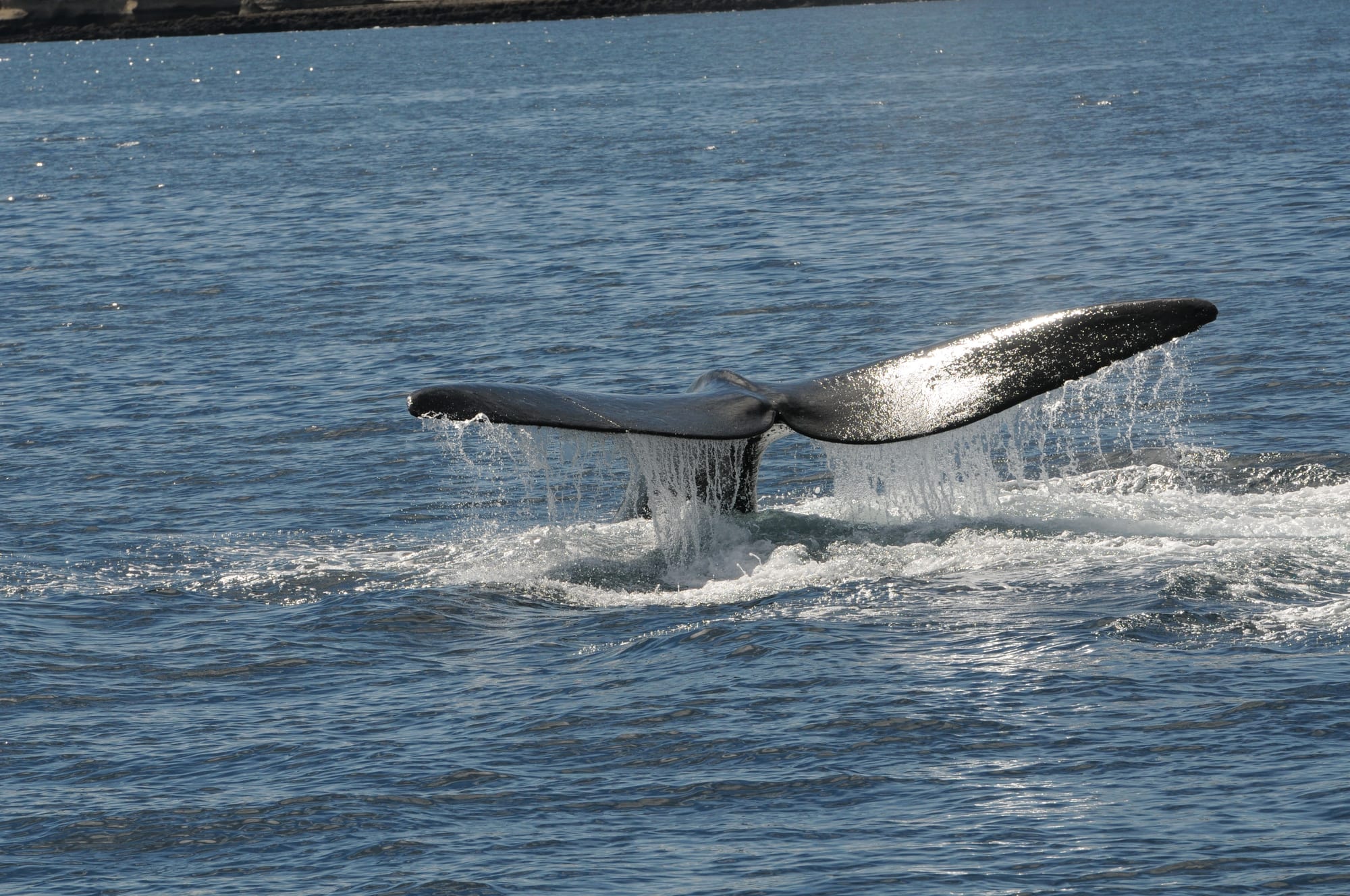
This blunt peninsula on the Atlantic coast of central Patagonia is one of the best places in the world for marine wildlife, and a UNESCO World Heritage Site. Southern right whales come into the sheltered gulfs to calve between June and December; the shoreline has colonies of elephant seals, sea lions, and Magellanic penguins; and at Punta Norte, orcas famously beach themselves to grab sea lion pups.
The base is Puerto Madryn or the village of Puerto Pirámides, from where the whale-watching boats leave. Nearby Punta Tombo has one of the largest penguin colonies on the continent.
10. Ushuaia and Tierra del Fuego
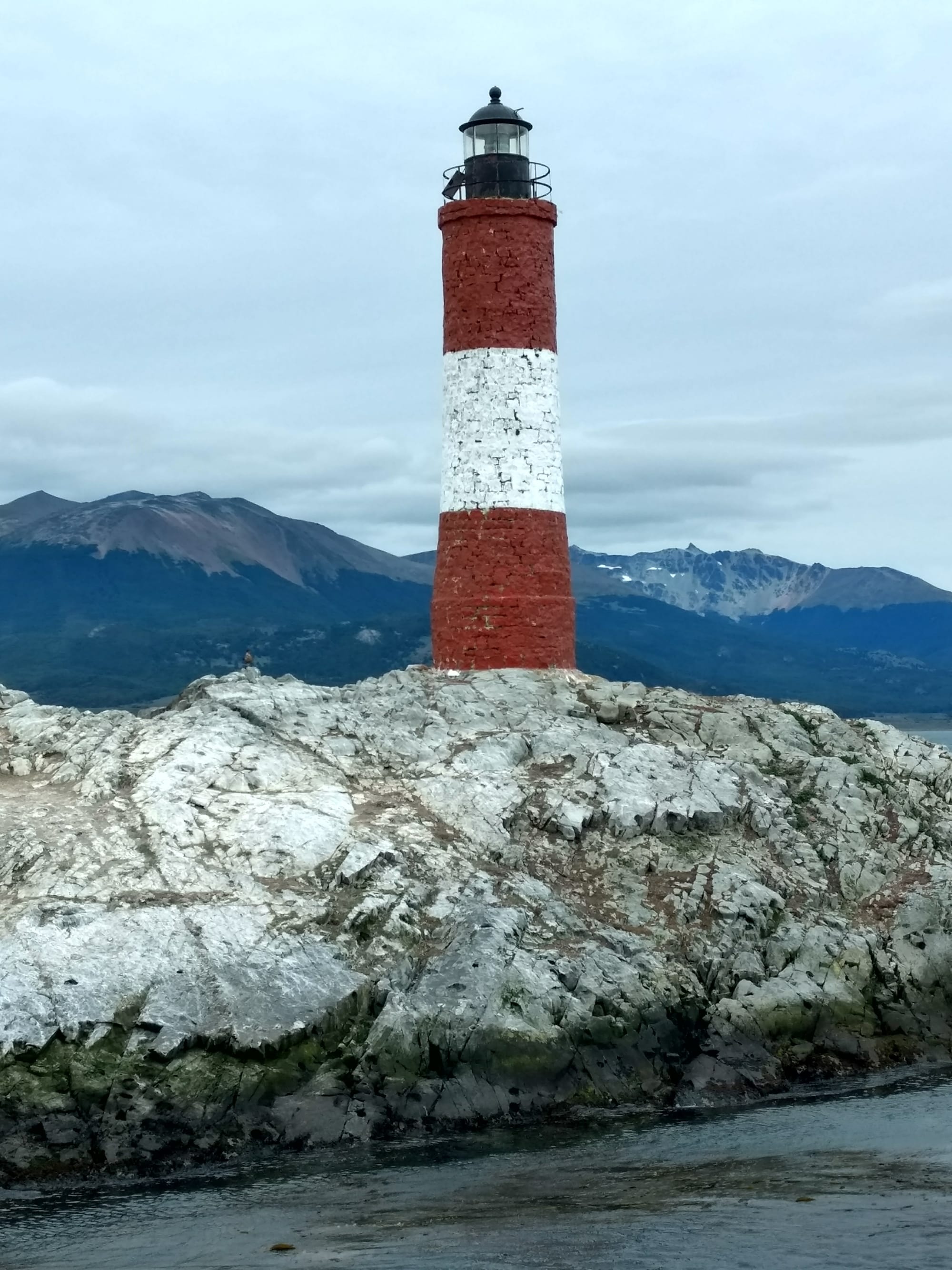
Ushuaia, wedged between the Beagle Channel and a wall of mountains at the bottom of the Americas, bills itself as the "End of the World" and mostly lives up to it. It is the main departure port for Antarctic cruises, but it also has plenty of its own: boat trips down the Beagle Channel past sea lion and cormorant colonies to the Les Éclaireurs lighthouse; the small, wild Tierra del Fuego National Park; a scenic old prison-railway; and skiing in winter.
The town itself is a scrappy, fast-growing frontier place. The light in summer, when it barely gets dark, is extraordinary.
Argentina is a country to travel across in chapters. Pick a region or two, give each of them time, and accept that you will have to come back for the rest.