Daily Life · Argentina
Argentina: A Day That Runs Two Hours Late
Mate passed from hand to hand all day long, a merienda of coffee and pastries at six, and a dinner that properly starts after nine
By Worldlore Editorial · 30 September 2026
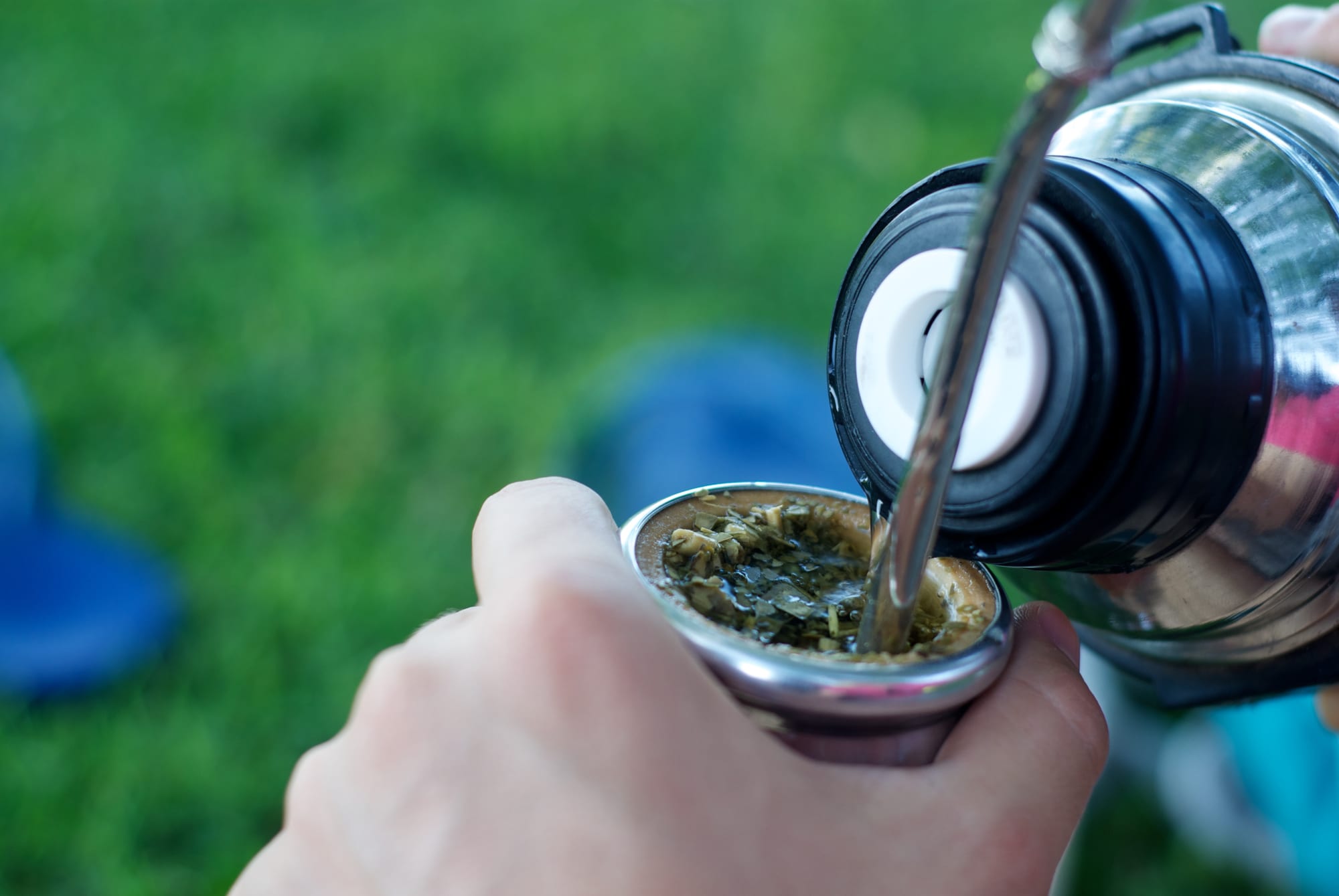
Clocks in Argentina keep official time, but daily life runs on its own, later schedule. Lunch is unhurried, a mid-afternoon coffee and pastry called the merienda bridges the long gap before dinner, and dinner itself rarely starts before nine at night. Threaded through the whole day, in homes, offices, parks and football grounds alike, is mate, the bitter herbal infusion sipped through a metal straw from a shared gourd and topped up with hot water for whoever's turn comes next.
Family and home life
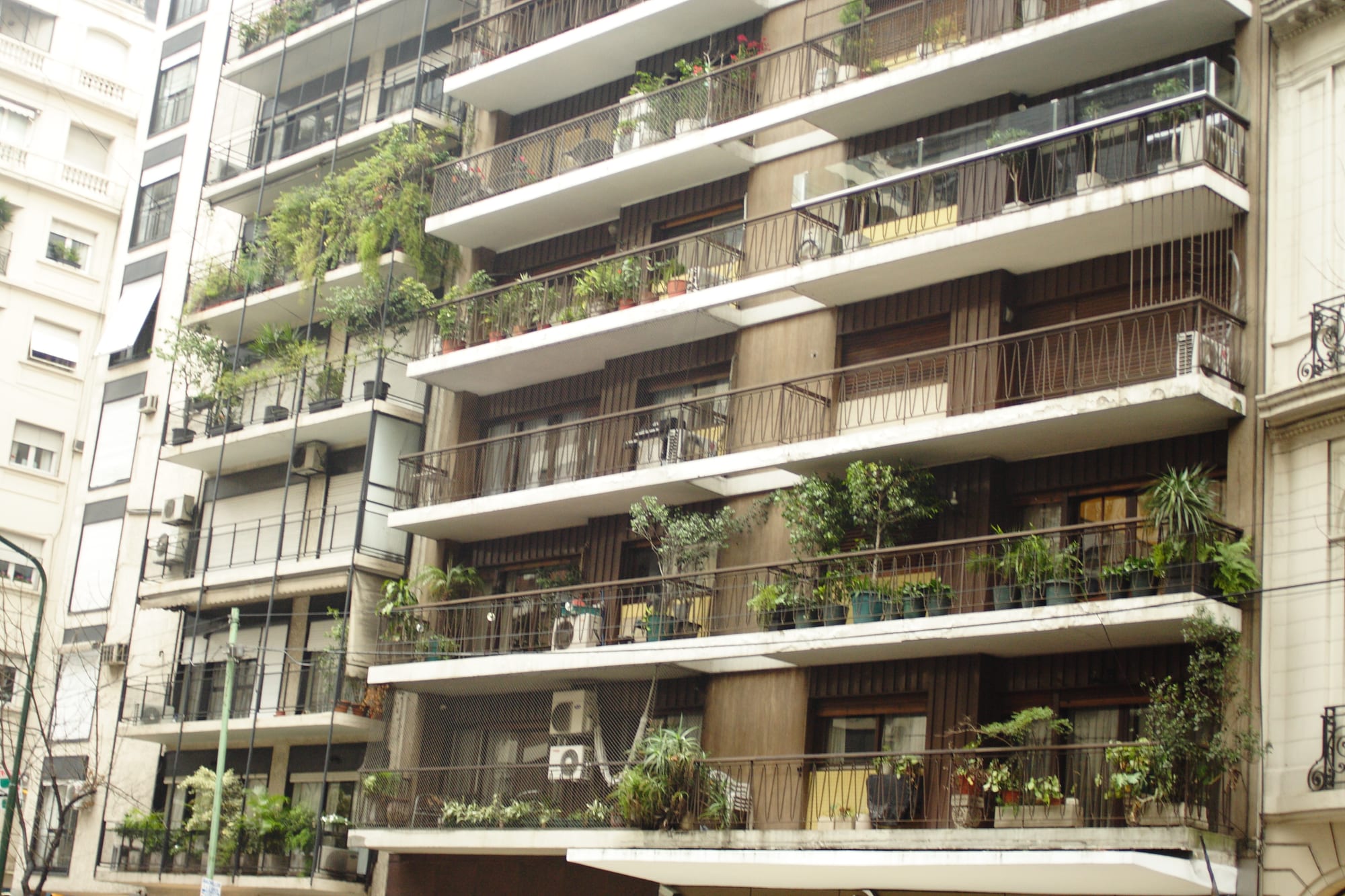
Most households are nuclear rather than extended, though grandparents often live close by, especially outside the largest cities. Argentina also has the highest share of one-person households in Latin America, with roughly one home in every four occupied by a single person. Housing in Buenos Aires and the other big cities usually means an apartment rather than a house, in blocks whose balconies, often crowded with pot plants, are almost a stand-in for a garden. In rural areas and smaller provincial towns, extended, multigenerational households are more common, often as a practical way of pooling housing and income.
Work, school and the rhythm of the day
The working week generally follows a Monday-to-Friday office schedule, but the clock behind it runs later than in most countries: lunch is taken without much hurry, and a mid-afternoon pause for the merienda, coffee or mate with a facturas pastry, typically around five or six o'clock, is a genuine daily fixture rather than an occasional treat. Shops and offices generally close by early evening, but restaurants barely start serving dinner before eight and stay busy well past midnight on a Friday. A constant backdrop to work and shopping alike is Argentina's history of high inflation, which has eased sharply since its 2024 peak but is still far above most countries': people are used to comparing prices often, frequently save in US dollars where they can, and treat any peso figure as provisional rather than fixed.
Community life and public spaces
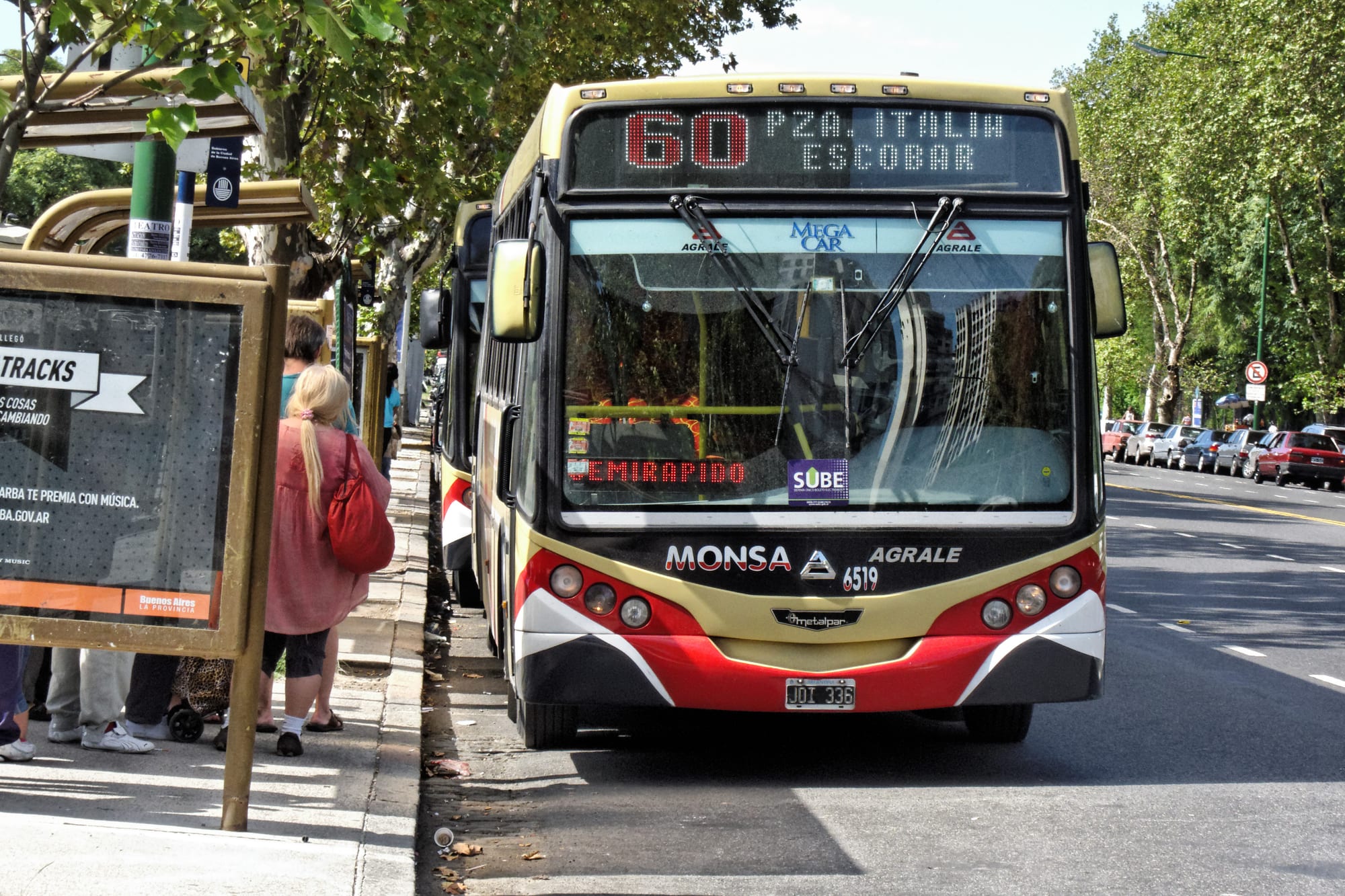
Neighbourhood cafés remain a genuine social institution rather than just somewhere to buy coffee, and sitting for an hour over a single espresso is normal, not a sign of slow service. Buenos Aires runs on an extensive network of colectivo buses and the Subte underground, both heavily used for the daily commute, alongside commuter trains reaching well into the surrounding suburbs. Public parks and plazas fill in the early evening once the heat breaks, and the corner café or bar is often the closest thing a block has to a shared living room.
Free time and weekends
Football is a genuine communal passion rather than a niche interest, followed as closely in a corner bar as inside the stadium, and the Boca–River rivalry, the Superclásico, is followed across the country. Weekends bring the asado, a long, unhurried barbecue that can run all afternoon, usually at a family home or a club rather than a restaurant. Mate remains the constant thread through free time of every kind: in a park, at a football match, on a bench, the same gourd is refilled and passed round a circle of friends or family for as long as anyone wants to keep talking.
A visitor's ordinary day
Cards are accepted almost everywhere in the cities, though Argentina's exchange-rate history means it is worth checking the current official rate before changing money and bringing clean, undamaged US dollar bills as a backup. Restaurants rarely fill up before nine at night, so a seven o'clock booking usually means an empty room. The Subte and colectivo buses are cheap and comprehensive in Buenos Aires, paid for with a rechargeable card rather than cash, and the long-distance bus network, with fully reclining seats for overnight trips, is the practical way to cover the country's vast distances outside the main cities.
What to take away
An ordinary day in Argentina is really the same day as anywhere else, just pushed two or three hours later, and threaded throughout, whatever the hour, by the same gourd of mate being topped up and passed to whoever's turn it is next.