Culture & Customs · Antigua and Barbuda
Antigua and Barbuda: Freedom Danced in the Streets
A church-going, cricket-loving nation where a greeting comes before any business, emancipation is celebrated with a carnival, and the national dress is cut from madras cloth
By Worldlore Editorial · 30 September 2026
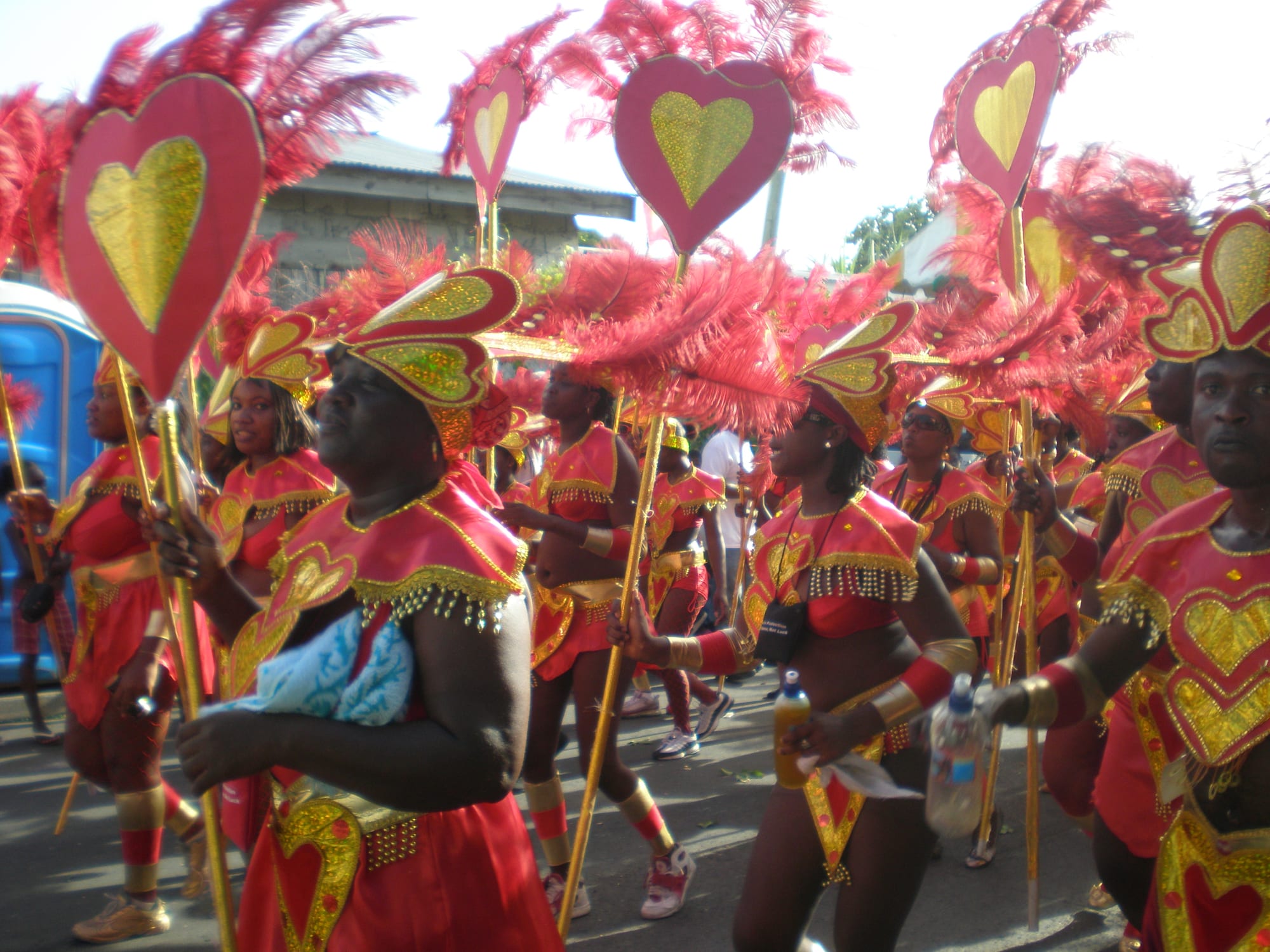
It is still dark on the first Monday in August when the streets begin to fill. By daybreak thousands of people are on the move, dusted with paint and powder, dancing behind iron bands clanging out rhythms on brake drums and scrap metal, while steel pans ring out alongside them. This is J'ouvert, the dawn street party that opens the last and wildest days of Antigua Carnival. Its roots lie in 1 August 1834, the day slavery ended on the islands and, as the story is told, freed people poured into the streets to celebrate. Nearly two centuries later, emancipation is still marked in much the same spirit, and it says a great deal about Antigua and Barbuda: a people who value courtesy and churchgoing, but who, when the moment comes, celebrate freedom out loud and all together.
Faith, identity and values
Antigua and Barbuda is a Christian country with a remarkably varied church life. At the 2011 census, around 18 per cent of the population was Anglican, 12 per cent Seventh-day Adventist, 12 per cent Pentecostal and 8 per cent each Moravian and Roman Catholic, with Methodists and many smaller churches making up much of the rest. Rastafarians, Muslims, Hindus and Baha'is form small communities, and almost 5 per cent report no religion. Moravian and Methodist missionaries arrived in the mid- to late eighteenth century and won large followings among the enslaved population, and their chapels, like the old Anglican parish churches, remain landmarks in villages across the islands.
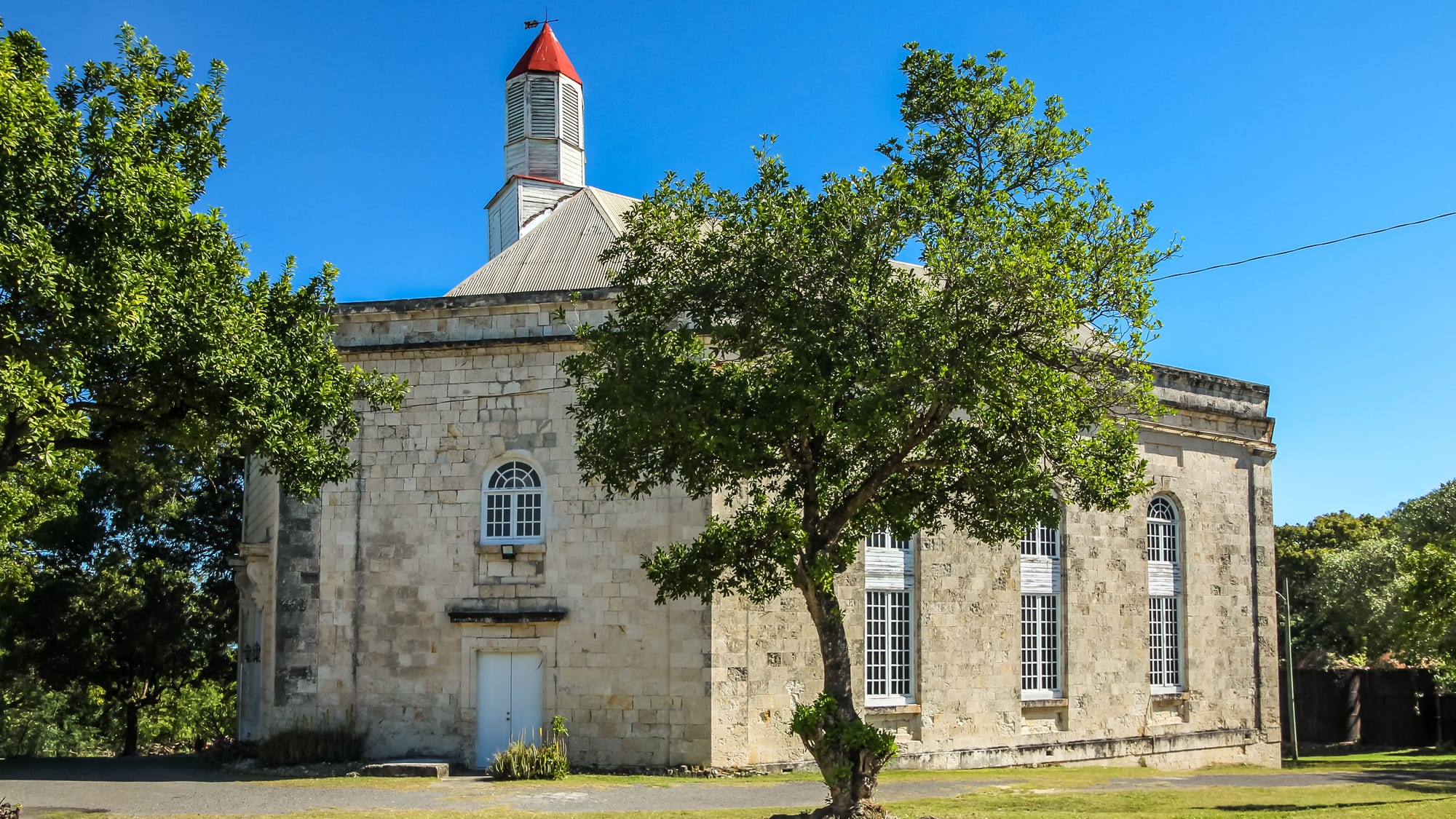
Faith shapes the calendar and the rhythm of the week. Sunday is given over to church and family in many households, and the country even keeps a National Day of Prayer, a public holiday held on the second Thursday of September. Christian ceremonies mark birth, marriage and death, and confirmation is an important step for many young people. Older beliefs survive alongside: obeah, a set of practices of African origin, still has followers, and folklore tells of jumbies, restless spirits of the dead.
Family arrangements are varied and flexible. Alongside marriage, couples may live together or form "visiting unions", in which partners regard themselves as a couple but keep separate homes, and children are often raised with the help of grandparents, aunts and other relatives across several households. Barbudans, meanwhile, hold an identity of their own, tied to their island's long tradition of holding land in common.
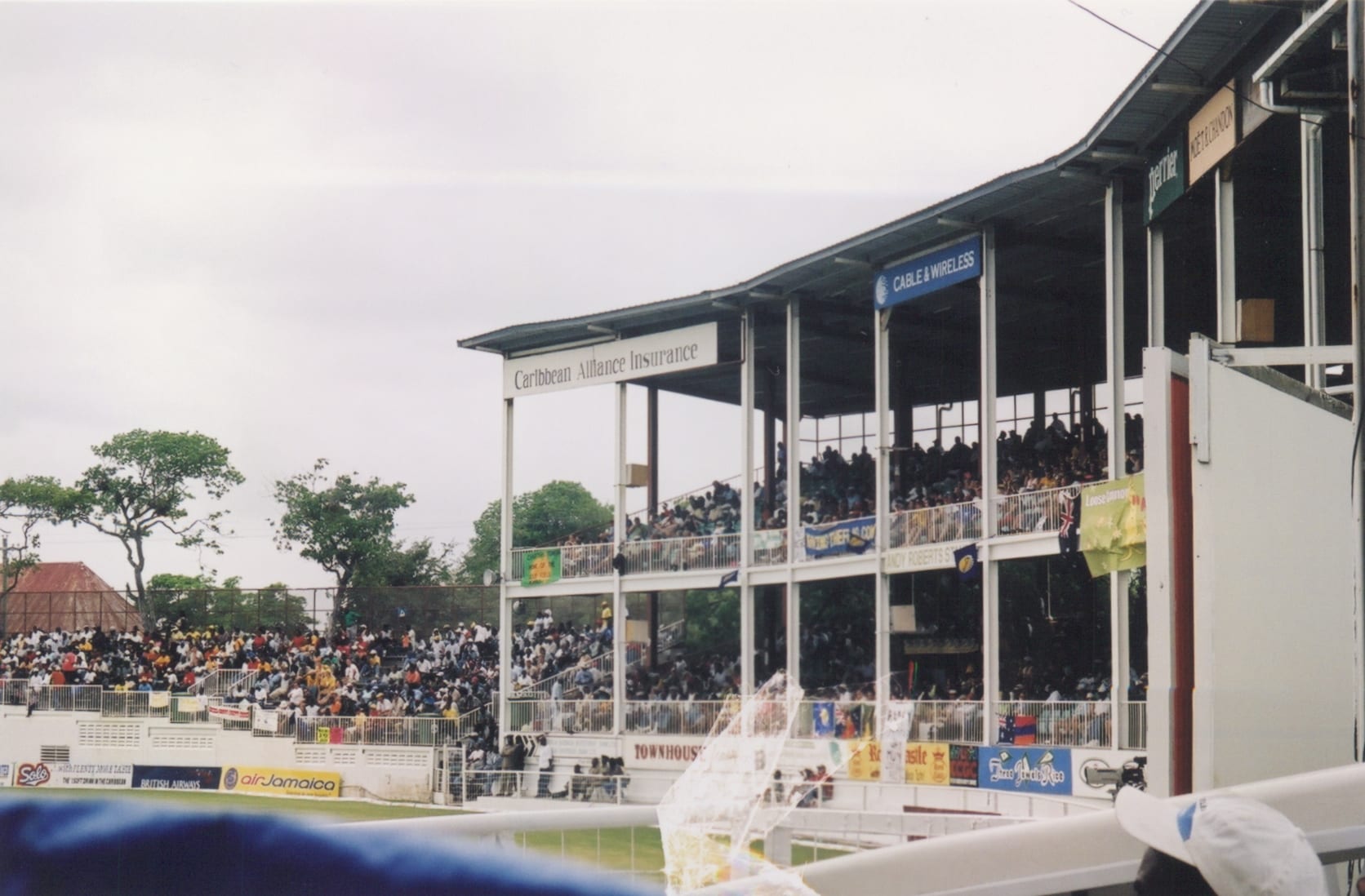
Cricket, the national sport, is as much a part of national identity as any institution. The islands have produced a string of great West Indies players, and a Test match remains one of the great communal occasions of Antiguan life.
Greetings and meeting people
Greeting properly is the single most important piece of everyday etiquette. A "good morning", "good afternoon" or "good evening" is expected before any conversation or transaction begins, whether with a shopkeeper, a bus driver or a passer-by, and launching straight into a question or request without one can come across as rude. A handshake, with eye contact and a friendly manner, is the usual greeting between acquaintances and in business; relatives and close friends are more likely to embrace.
Respect for age and position runs through forms of address. Elders are sometimes addressed as "Aunty" or "Uncle" as a mark of respect, even by people who are not related to them. Titles are also used in professional life, and clear lines of seniority are generally recognised, so visitors do well to begin formally and let the other person set a more familiar tone. Everyday conversation among Antiguans and Barbudans is often in the local English-based creole, but people switch readily to standard English with visitors.
Hospitality and being a guest
Visiting follows a simple rule of thumb. Among friends and family, people often drop by unannounced, but acquaintances and business contacts wait to be invited, so a visitor should not assume an open door without an invitation. Sunday is the great day for family gatherings, and a guest invited to one should expect a long, sociable afternoon, and generous helpings of whatever has been cooked.
Dress is where visitors most often misjudge local expectations. Beachwear belongs on the beach or by the pool: walking through towns and villages, shops or offices in swimwear or very revealing clothing is regarded as disrespectful, and smart-casual clothes are the norm for towns, churches and government buildings. Churchgoers themselves dress with care, and a visitor attending a service should do the same.
Festivals and life's big moments
Carnival is the high point of the year. First staged in its modern form in 1957, it runs for well over a week from late July into early August and celebrates emancipation. The programme builds through calypso and soca competitions, the Panorama steel band contest and pageants to a Watch Night on the eve of 1 August, and then to J'ouvert, the costumed Parade of Bands on Carnival Monday and Tuesday, both public holidays, and a final street party known as the Last Lap. The Calypso Monarch competition has been held since the very first carnival, and steel bands and costumed masquerade troupes take part in the Parade of Bands. On Barbuda, the Whit holiday weekend brings Caribana, the smaller island's own festival.
Independence Day, on 1 November, is the main national day, marked with ceremonies, parades and a flood of madras in the national colours. V. C. Bird Day, on 9 December, honours the country's first prime minister. Christmas is kept as a religious and family festival, followed by Boxing Day. Until 1957 it was also the season of the Old Time Christmas festival, with masqueraders and iron bands in the streets, carollers carrying lantern-hung "carol trees", and John Bull dancers dressed in banana leaves and animal horns. Carnival replaced the festival in 1957, and many of its traditions now live on there.
Life's milestones are marked mainly through the church. Christenings, weddings and funerals follow Christian rites, and funerals in particular draw large numbers of relatives, neighbours and church members, many returning from abroad, to pay their respects.
Arts, crafts and music
Music is the islands' most distinctive art. Benna, one of the earliest local forms, grew up after emancipation as a kind of calypso, often in call and response, that carried news, gossip and sharp social comment; calypso and later soca grew from the same roots, and the calypsonian's role as commentator on public life is still valued. The iron bands of the old Christmas festivals, which beat rhythms on metal, helped give rise to the local steel bands, and steel pan remains central to both Carnival and everyday entertainment. Fife and drum music, which once accompanied the stilt-walking moko jumbies at Christmas, is another older tradition.
Craftwork includes pottery, sculpture and scrimshaw, and madras cloth has become a craft and fashion material in its own right, turned into shirts, dresses and accessories around Independence and Carnival.
Dos and don'ts for visitors
- Do say "good morning" or "good afternoon" before asking a question or starting any transaction.
- Do use titles and surnames until invited to use first names, and show particular respect to elders.
- Do keep swimwear for the beach or pool, and wear smart-casual clothes in towns, shops and churches.
- Do dress with care if attending a church service, and follow the congregation's lead.
- Do wait for an invitation before visiting someone's home unless you know them well.
- Do join the crowds at Carnival, but expect paint and powder at J'ouvert and dress accordingly.
- Don't treat a Test match or a Carnival parade as a minor event; both are major communal occasions.
What to take away
Antiguan and Barbudan customs rest on courtesy, church and community, and visitors who greet people properly and dress with respect will find themselves warmly included when the islands turn out to celebrate.