Culture & Customs · Albania
Albania: The Weight of a Promise
Mosques, churches and Sufi lodges side by side, a word of honour that once saved lives, and a hospitality that turns a stranger into a guest before the first coffee has cooled
By Worldlore Editorial · 30 September 2026
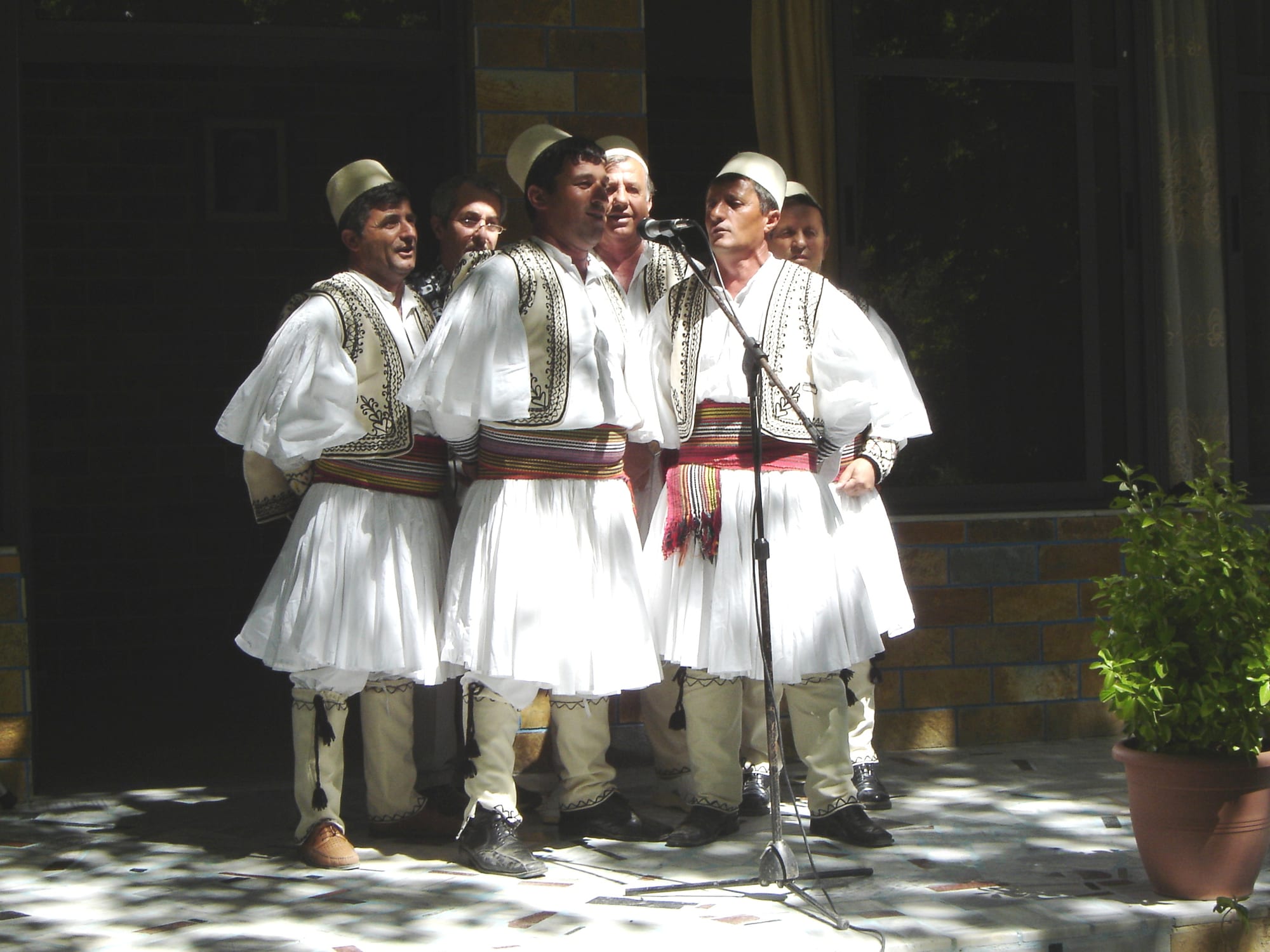
A foreigner steps off a bus in a small Albanian town and asks the way. Within minutes the conversation has turned into an invitation to sit and talk, and before long into an invitation home. There the host brings out the best the household has, whatever its means: food, homemade wine or raki, fruit, sweets. Questions follow that elsewhere might seem startlingly personal, about work, money, marriage. None of it is meant to intrude. It is simply how a stranger is turned into a guest, and in Albania a guest is someone to whom obligations are owed. The Kanun, the old customary law of the northern highlands, puts it plainly: the house of the Albanian belongs to God and to the guest.
Faith, identity and values
Albania is often described as a Muslim-majority country, but its religious life is more layered and more relaxed than that label suggests. In the 2023 census just under half the population identified as Sunni Muslim, around 5 per cent as Bektashi, about 8 per cent as Catholic and about 7 per cent as Orthodox, while a large number described themselves as believers without a particular denomination. The Orthodox Church has disputed the figures. Between 1967 and 1990 the communist state banned all religious practice, and in 1976 made Albania the world's first constitutionally atheist state, and many Albanians of every background remain non-practising today.
The Bektashi are a distinctive presence. A liberal Sufi order rooted in Anatolia, they have their world headquarters in Tirana and are known for a tolerant, inward-looking form of Islam that sets no rules on dress and does not forbid alcohol. In 2024 the prime minister announced plans to create a sovereign Bektashi state within the capital, a territory about a quarter the size of Vatican City. Coexistence is also written into the calendar: Catholic and Orthodox Easter, both Eids, Christmas and the spring festival of Nevruz are all public holidays.
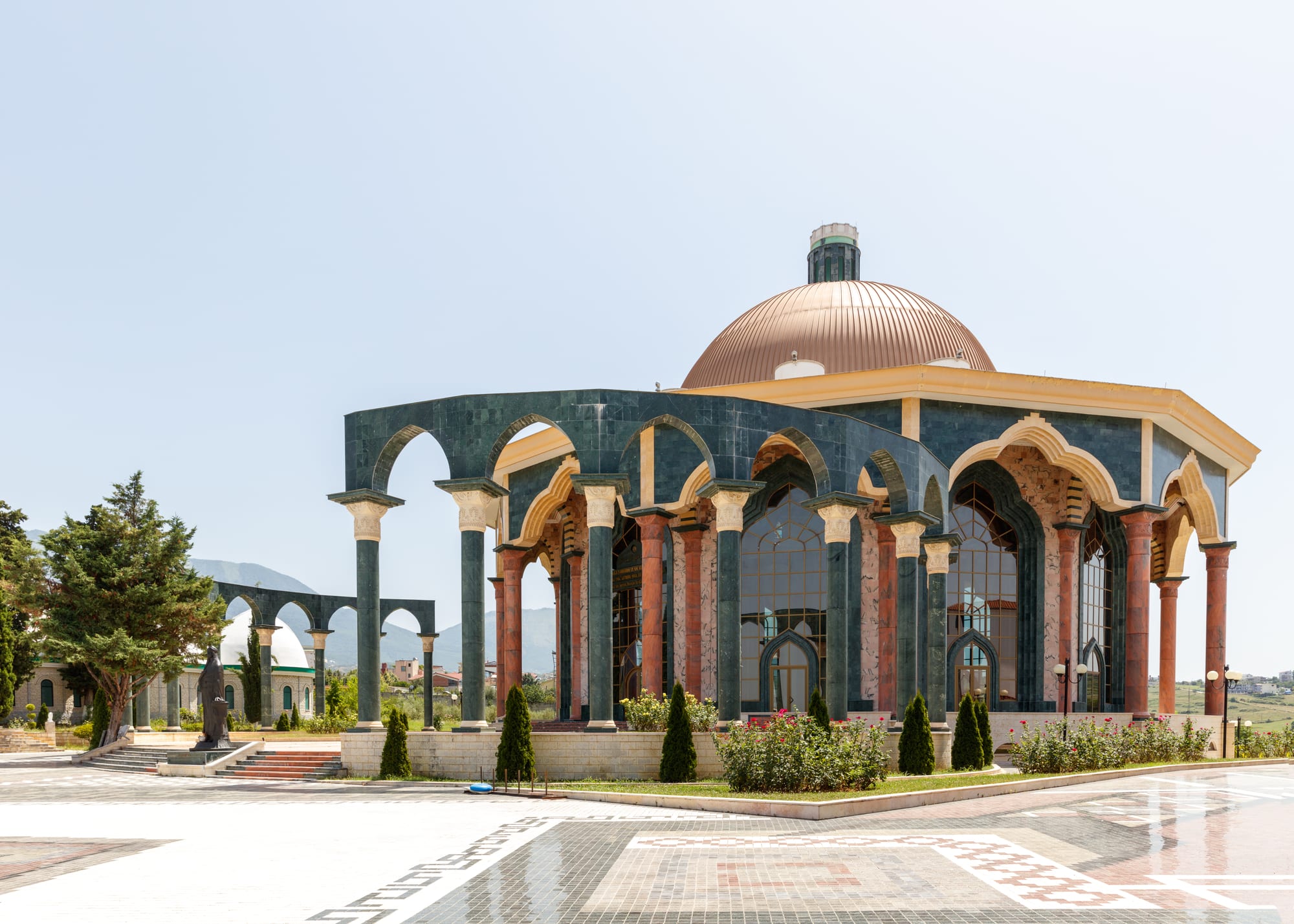
If one idea sits beneath all of this, it is besa. The word means, literally, to keep the promise, and it describes a person who keeps their word: someone to whom one can entrust one's life and the lives of one's family. Besa grew up alongside the Kanun of Lekë Dukagjini, a body of customary law that governed life in the northern highlands. Passed down orally for centuries, it was written down by the priest and folklorist Shtjefën Gjeçovi and published in full in 1933. The Kanun's harsher provisions belong to the past, but its language of honour, loyalty and duty to the guest still shapes how Albanians describe themselves.
Family comes first. Households have traditionally been led by a senior man, with every member expected to contribute, and Albanians identify with and support their families before anything else. Traditional gender roles remain strong, particularly outside the cities, where a married woman may still be expected to manage all the domestic work.
Greetings and meeting people
Albanians are curious, sociable and quick to strike up a conversation, especially with foreigners, and a smile or a simple greeting is often enough to start one. Visitors who try a few words of the language, Shqip, are received with real delight. It can be hard to walk down a street in a small town without being greeted or invited to sit and chat.
One habit catches many visitors out. Traditionally, a shake of the head means "yes" and a nod means "no", the reverse of the gestures used in most of Europe. Younger Albanians, and those used to dealing with foreigners, often switch to the international gestures, so a head movement on its own can be genuinely ambiguous. It is always worth confirming in words.
Respect for elders runs through everyday behaviour. Older people, and older men in particular, are deferred to: a younger person will stand to offer a seat, and it can be almost impossible to persuade an Albanian to go through a door first. Letting a guest walk in front is itself a mark of respect, which can be awkward for a visitor who does not know the way.
Conversation is frank. Albanians may comment openly on someone's weight or ask how much they earn, or whether they intend to marry, without any thought of giving offence. These questions are usually a sign of interest rather than rudeness, and a good-humoured answer is the best response. Appearance matters too. People dress in their smartest clothes in public, even when those clothes are worn, and a visitor in ragged or unkempt clothing can be seen as showing a lack of respect.
Hospitality and being a guest
The Kanun set out the duties of a host in detail. A guest was to be greeted and given bread, salt, fire and a bed, and a trusted friend was also to be offered coffee and raki. The same instinct survives in a modern flat. Invitations come quickly, sometimes on the day of a first meeting, and even households with little money take pride in setting out their best food and drink.
A few things are worth knowing before accepting. Beer, wine and raki are not always thought of as alcohol in the ordinary sense, so a guest who does not drink may need to say so clearly and more than once; one who does may find moderation difficult. Portions are generous and more is pressed on the guest, so it helps to pace the meal. None of this should be mistaken for insistence for its own sake. To feed and look after a guest well reflects on the whole household.
Gifts are appreciated but not expected; a small token of friendship, such as sweets or a souvenir from home, is enough. Neighbours and new acquaintances often give small gifts of their own, from fruit and sweets to more practical things, and a first invitation for coffee is common. Friendships, once made, come with expectations: a guest who has been welcomed into a family is expected to keep in touch, visit again and call from time to time. In restaurants, small bills are usually rounded up to the nearest note, with around ten per cent the norm for a larger meal.
Festivals and life's big moments
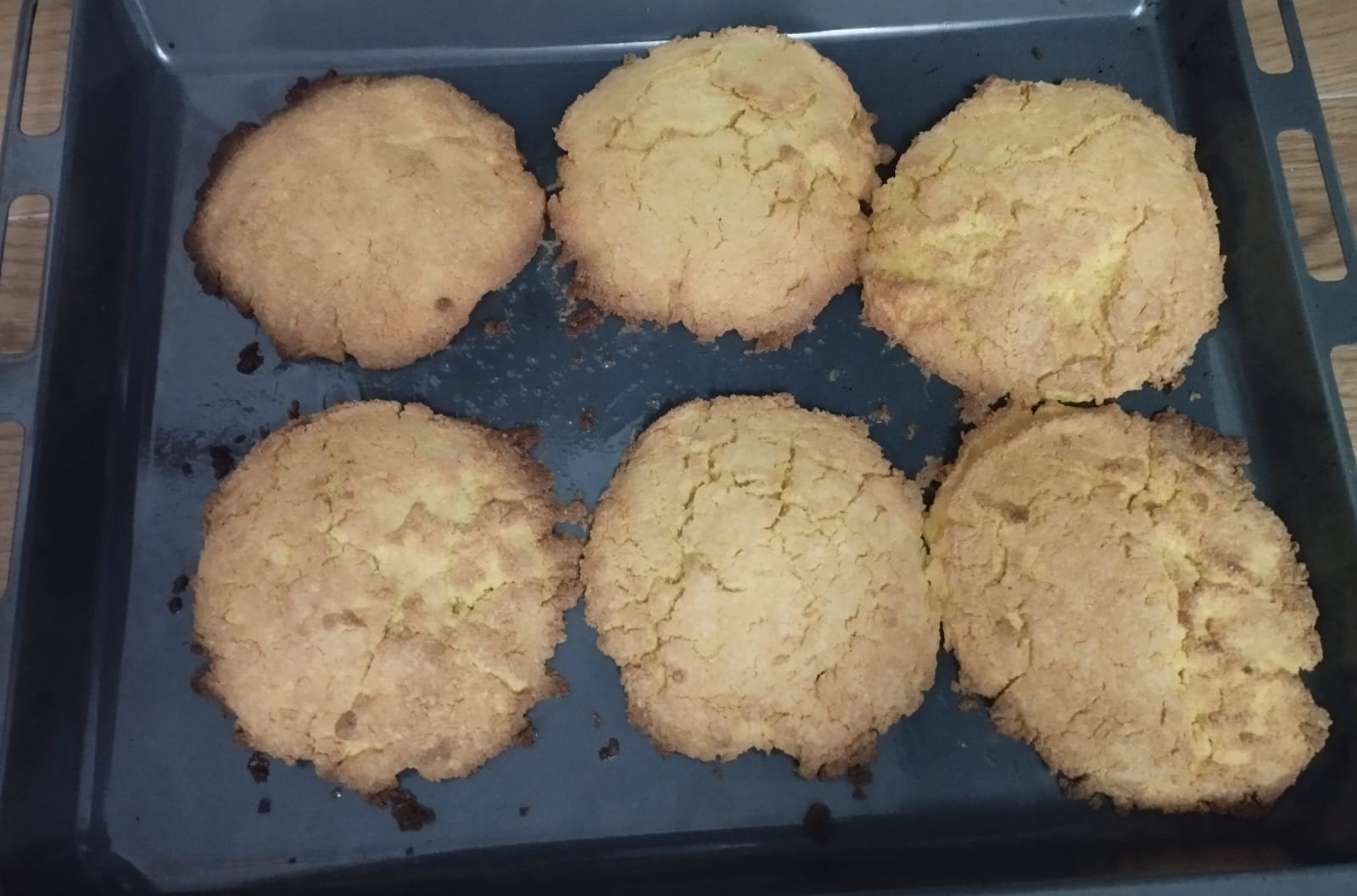
The calendar mixes the religious, the national and the ancient. The most distinctive holiday is Summer Day, Dita e Verës, on 14 March, which celebrates the end of winter and the renewal of nature. Its roots are pre-Christian, linked in tradition to a shrine of a goddess of nature near Elbasan, and it is now an official national holiday. Families bake and exchange ballokume, a crumbly biscuit of cornflour, sugar and butter, and many families have their own way of making it. Around the festival many people wear a verore, a bracelet of twisted red and white thread, which is later hung on a tree or rose bush, in the belief that swallows will come and carry it away.
A week later comes Nevruz, on 22 March, a spring festival held especially dear by the Bektashi. Late November brings a run of national days: Alphabet Day on 22 November, a public holiday devoted to the Albanian alphabet, then Independence Day on 28 November and Liberation Day, marking the end of German occupation in 1944, on the 29th. Mother Teresa, an ethnic Albanian, is honoured with a public holiday on 5 September, the anniversary of her death and her feast day.
Life's great occasions have long been marked in song. Albania's polyphonic singing is performed at weddings, harvest feasts and religious celebrations as well as at funerals. Marriage is highly valued, and foreigners who stay any length of time are regularly asked whether they plan to marry an Albanian. Mourning has its own music. In the south in particular, women perform the vajtim, a sung lament for the dead, and the songs are passed from mother to daughter. For many women, as one study of the tradition observes, mourning is not measured in months or years but can continue, in song, for decades.
Arts, crafts and music
Albanian folk iso-polyphony is the country's best-known living art and is on UNESCO's list of intangible cultural heritage. It is built from two solo parts, a melody and a countermelody, carried over a sustained choral drone, the iso, from which it takes its name. Styles differ between the north and the south, and between communities within the south, where the drone may be held continuously on a single vowel with singers breathing in turn or sung rhythmically to the words of the song. Sung by men's, women's and mixed groups, it is showcased at the national folk festival held at Gjirokastër. UNESCO notes that the tradition is under pressure as older singers age and younger people move to the cities, and that it is now passed on more by professional folk artists than within families.
The north has its own musical heritage in heroic epics and ballads on themes of honour and vengeance, a sung counterpart to the codes of the Kanun.
Traditional dress is still seen in rural areas, mainly among the older generation, and one garment has become a symbol of highland identity. The xhubleta is a handmade dress worn by women and girls of the northern highlands, recognisable by its bell shape and undulating back. Making one involves preparing woven felt, cutting and sewing it into strips that flare out in waves, and embroidering it with symbolic figures; worn from puberty, it once signalled a woman's social and economic standing. Its everyday use ended under the socialist policies of the 1960s, and so few people now hold the full set of skills that UNESCO has placed it on its list of heritage in need of urgent safeguarding.
Dos and don'ts for visitors
- Do watch for the head gestures: a shake can mean "yes" and a nod "no", so confirm in words when it matters.
- Do accept hospitality graciously, and pace the meal, since more food and drink will keep coming.
- Do offer a seat to older people and let them go first.
- Do dress neatly in public; scruffy clothing can come across as disrespectful.
- Do bring a small gift, such as sweets, when invited to someone's home.
- Do round up small restaurant bills and leave around ten per cent after a larger meal.
- Don't take frank questions about money, weight or marriage as rude; they are usually a sign of interest.
- Don't assume "no alcohol" will be understood to include raki, beer or wine; a non-drinker should say so clearly.
What to take away
Albanian customs rest on the old idea of besa, a promise kept and a guest protected, and a visitor who meets that warmth with patience and good humour will find that the obligation of hospitality runs both ways.