Attractions & Natural Wonders · Albania
Albania: Ten Attractions and Natural Wonders
Ottoman stone towns, a turquoise spring, a ferry ride through a drowned canyon, and a coastline that stayed quiet while the rest of the Mediterranean filled up
By Worldlore Editorial · 19 September 2026
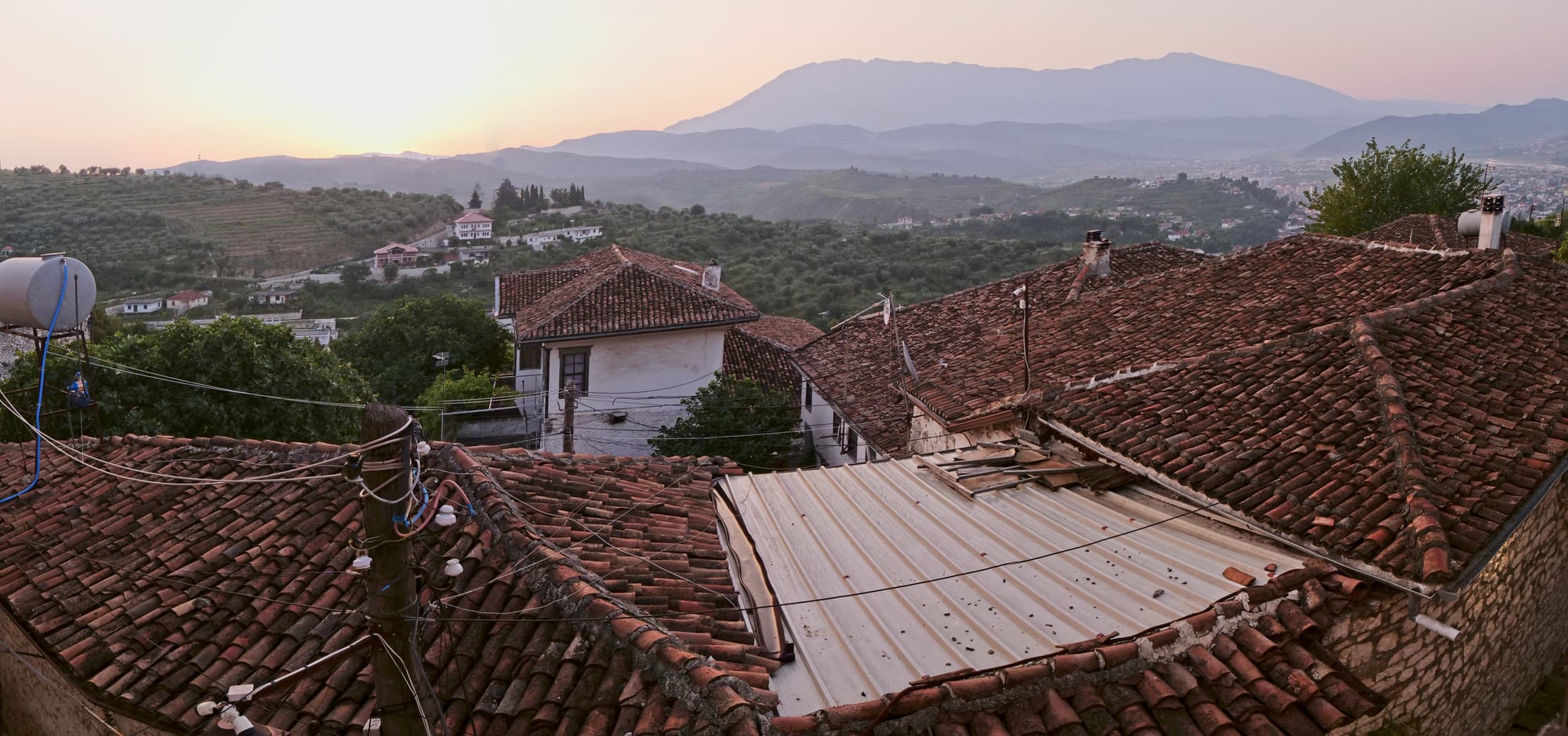
A small country with a long coastline
Albania spent most of the 20th century sealed off — first by war, then by one of the most isolated communist regimes in Europe — and only really opened to travellers in the 2000s. The upside for anyone visiting now is a Mediterranean country that still feels unhurried: Roman and Greek ruins with almost no crowds, two perfectly preserved Ottoman towns, a wall of 2,500-metre mountains in the north, and a stretch of Ionian coast that the rest of Europe somehow overlooked.
The ten places below run from the far south, near the Greek border, to the alps on the Montenegro and Kosovo frontier. Distances are short but roads are slow and winding, so plan on more driving time than the map suggests. Late spring and early autumn are the sweet spots; July and August are hot and, on the coast, finally getting busy.
1. Butrint
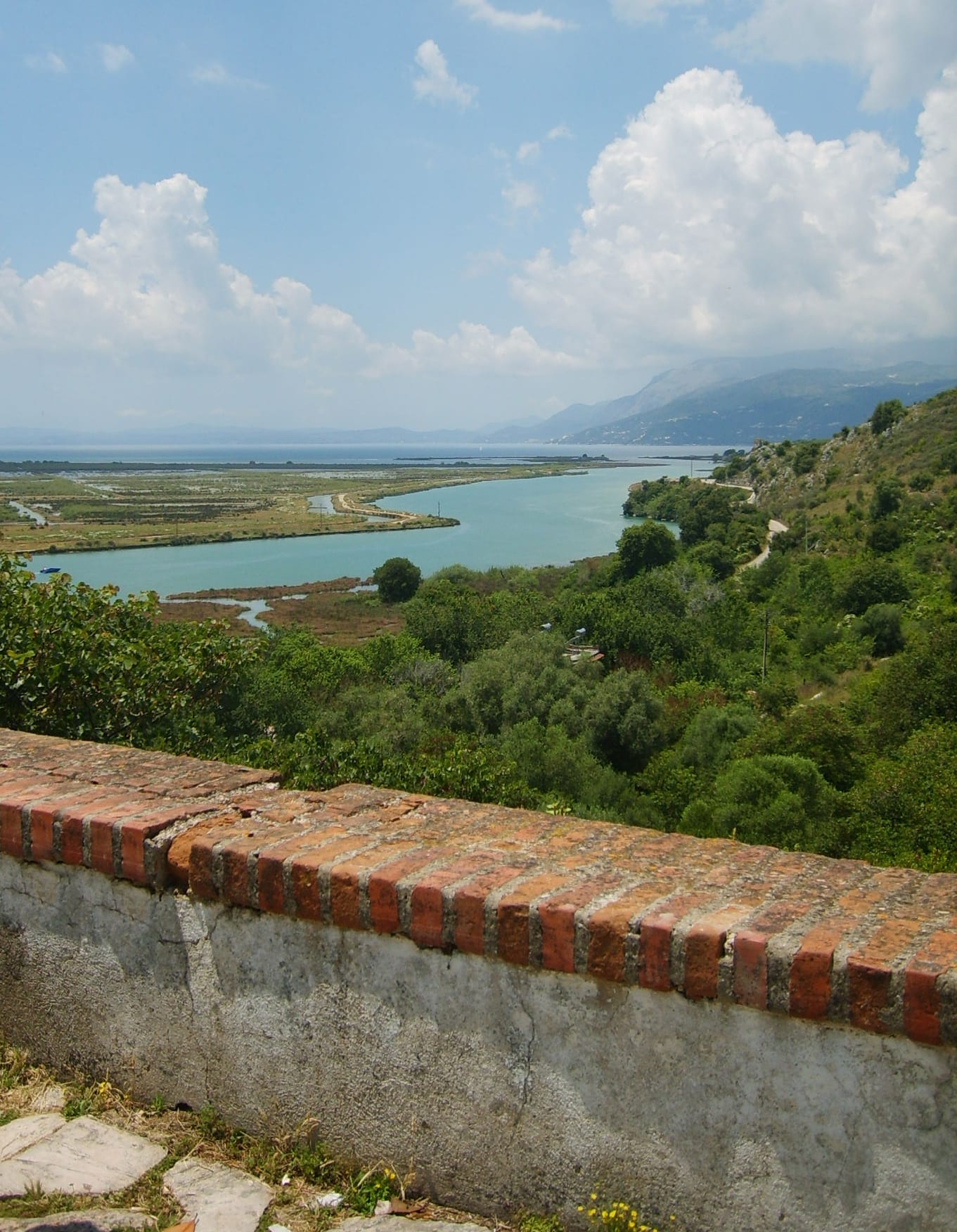
On a green peninsula in the far south, ringed by water on three sides, Butrint is one of the most complete ancient sites in the Mediterranean and one of the least visited. People lived here for well over two thousand years — Greek colonists, then Romans, then Byzantines, then Venetians — and each layer is still legible: a Greek theatre, Roman baths with mosaic floors, a 6th-century baptistery, a Venetian tower guarding the channel.
What makes Butrint special is the setting. It has been left half-wild, so you walk through oak and laurel woods full of birdsong and turtles, coming across ruins rather than filing past them. It is a UNESCO World Heritage Site and a national park, about 30 minutes by road from the beach town of Sarandë, and easily the best day out in southern Albania.
2. Berat, the Town of a Thousand Windows
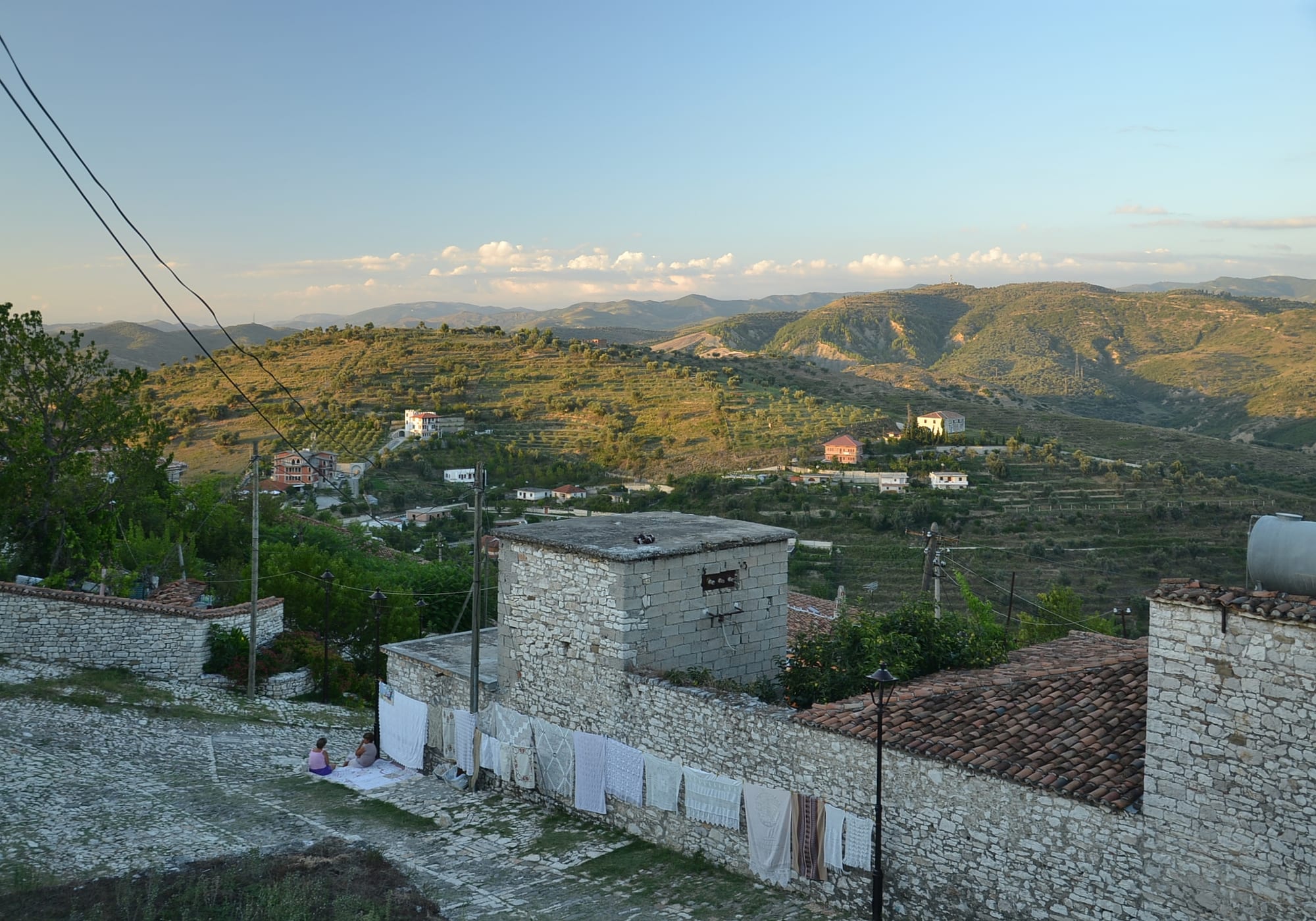
Berat is a well-kept Ottoman town wrapped around a rocky hill on the Osum River. Two old quarters — Mangalem below the castle, Gorica across the river — face each other across the water, their tall white houses stacked so tightly up the slope that the rows of big wooden windows seem to overlap. Hence the nickname.
Up on the hill, the castle is not a museum but a lived-in neighbourhood: families still occupy houses inside the walls, among Byzantine churches and the ruins of mosques. One church holds the Onufri Museum, named for a 16th-century icon painter famous for a particular deep red. Berat is a UNESCO World Heritage Site, along with Gjirokastër, and sits about two hours south of Tirana.
3. Gjirokastër, the Stone City
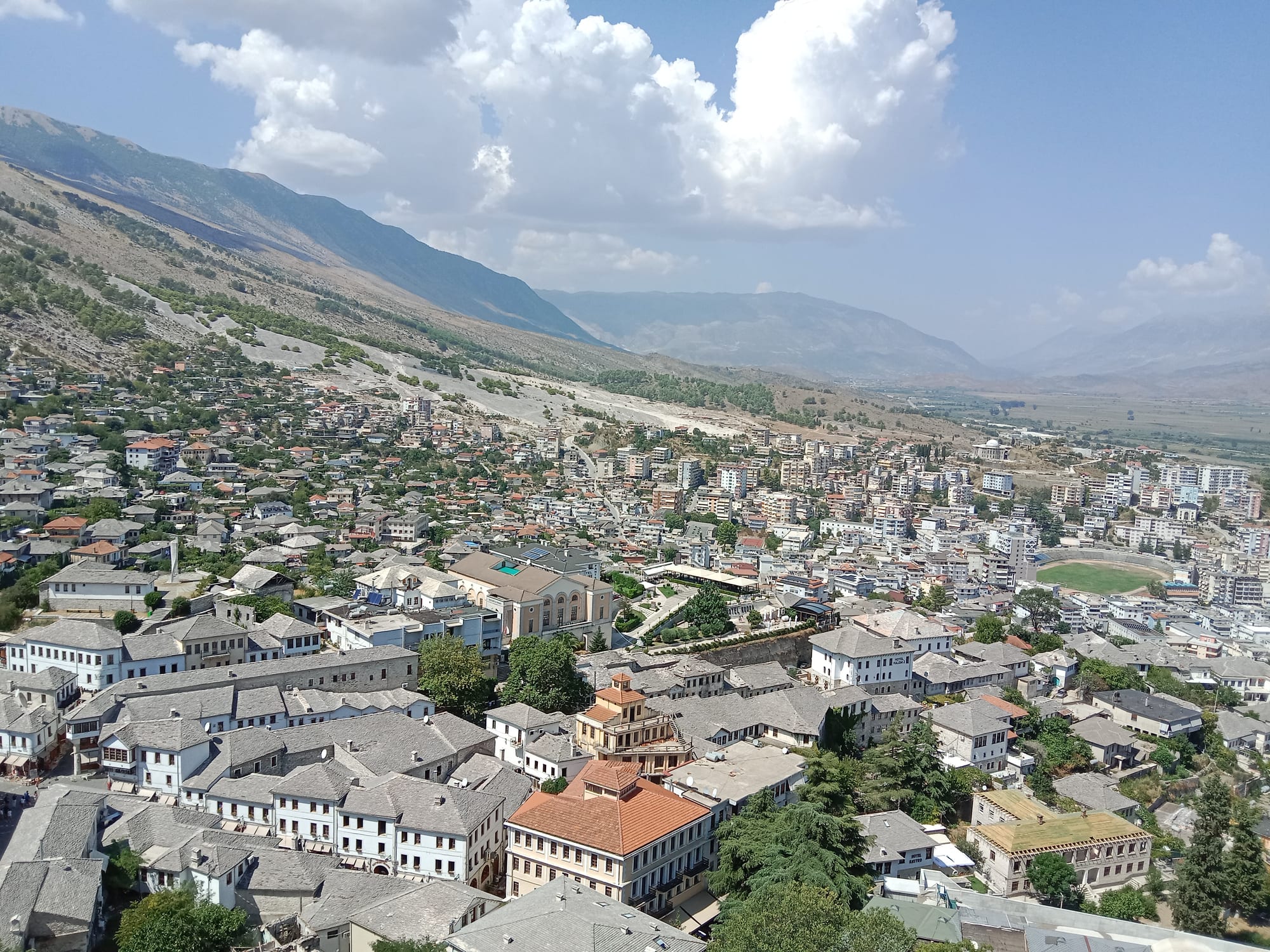
An hour further south, Gjirokastër is the other great Ottoman survivor, and it has a completely different character from Berat. Where Berat is white and delicate, Gjirokastër is grey and fortress-like: the tall merchant houses are built of stone, roofed with stone slates, and designed like small strongholds, with defensive lower floors and airy living quarters above.
A huge castle dominates the ridge, holding a weapons museum and, oddly, a captured American reconnaissance plane from the Cold War. Gjirokastër was the birthplace of Enver Hoxha, Albania's long-ruling dictator, and of the novelist Ismail Kadare, whose book Chronicle in Stone is set in its lanes. The old bazaar at the centre is still the place to eat and buy the local textiles.
4. Krujë Castle and the Skanderbeg Museum
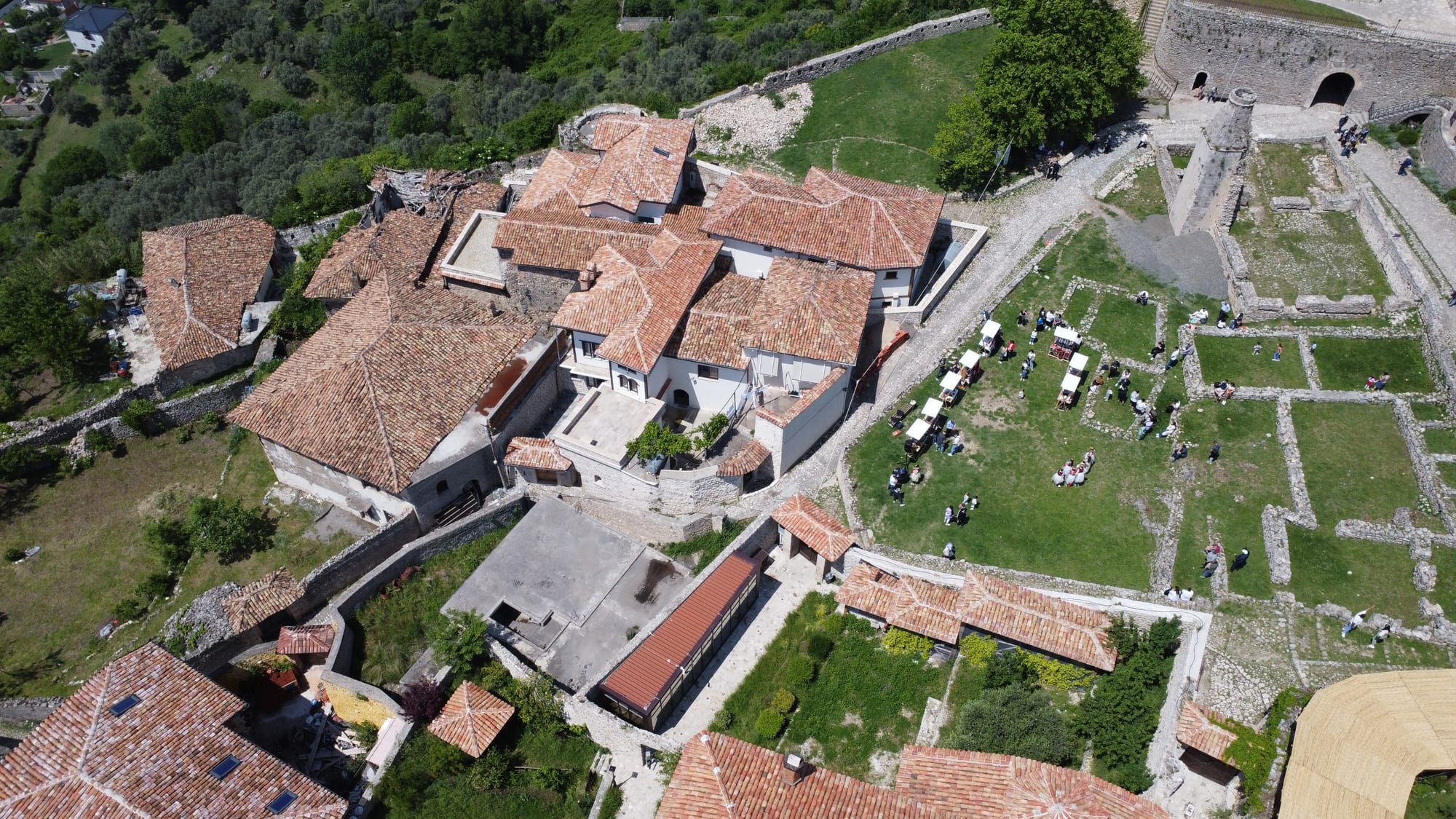
Clinging to a mountainside about an hour north of Tirana, Krujë is where Albania's national story is centred. In the 15th century the nobleman Gjergj Kastrioti, known as Skanderbeg, held this castle against the Ottoman Empire for a quarter of a century, becoming a symbol of resistance across Christian Europe.
Inside the walls, a striking modernist building from the 1980s houses the Skanderbeg Museum, telling his story through armour, banners, and huge dramatic canvases. Just outside the gate, the restored Ottoman-era bazaar is one of the better places in the country to shop for antiques, carpets, and copperware. It is an easy half-day trip from the capital.
5. The Blue Eye (Syri i Kaltër)
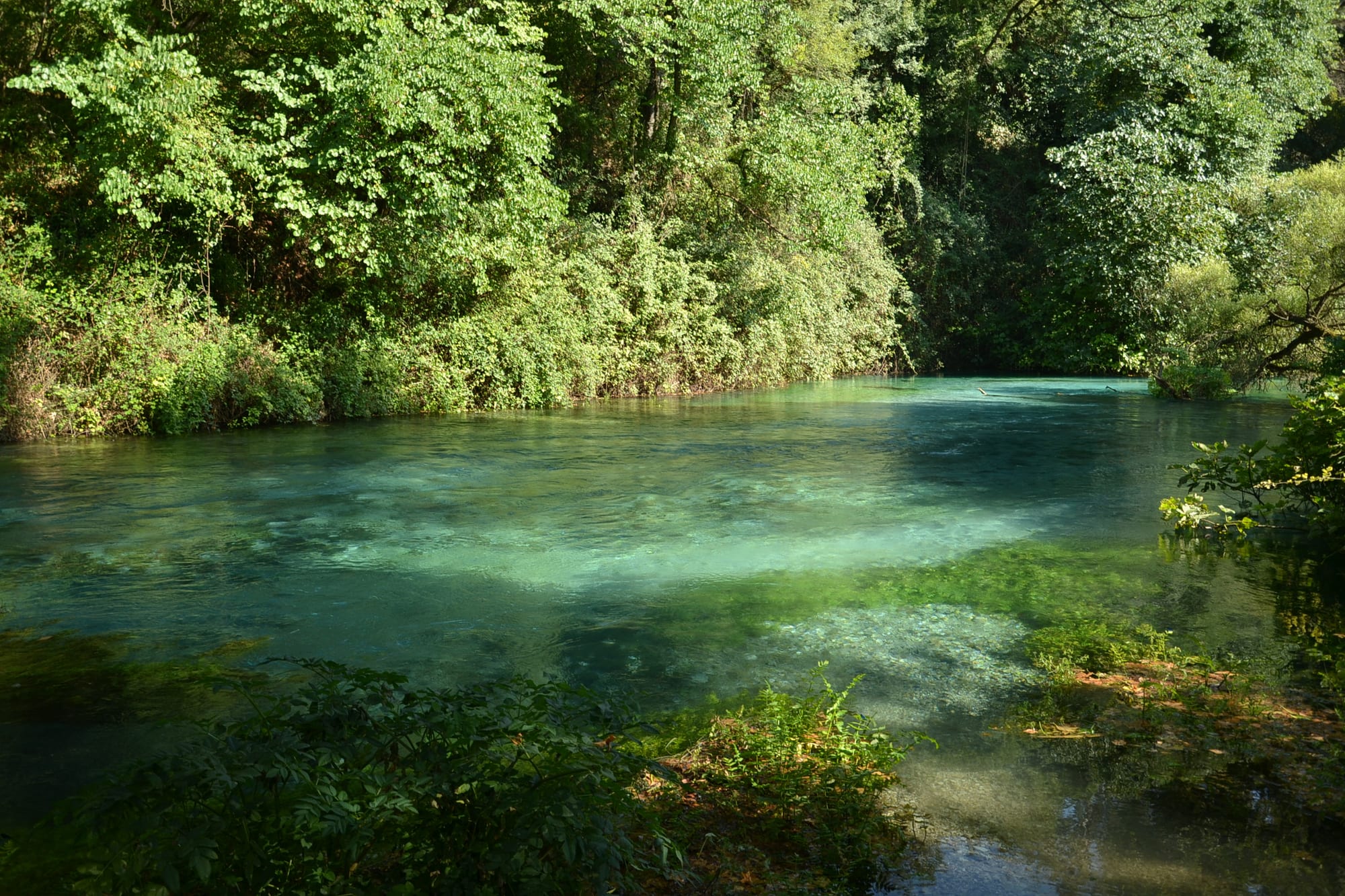
Between Sarandë and Gjirokastër, a river simply begins: water forces its way up out of a limestone cavern with such volume that it forms a pool, ringed with pale turquoise and dropping to a dark blue-black centre that divers have never reached the bottom of. The water stays around 10°C all year, which does not stop people jumping in.
The spring feeds the Bistricë River and is the source of drinking water for much of the coast. It sits in a small protected area reached by a rough two-kilometre track off the main road; get there early, because tour buses arrive through the morning and the viewing platform is small.
6. The Albanian Riviera
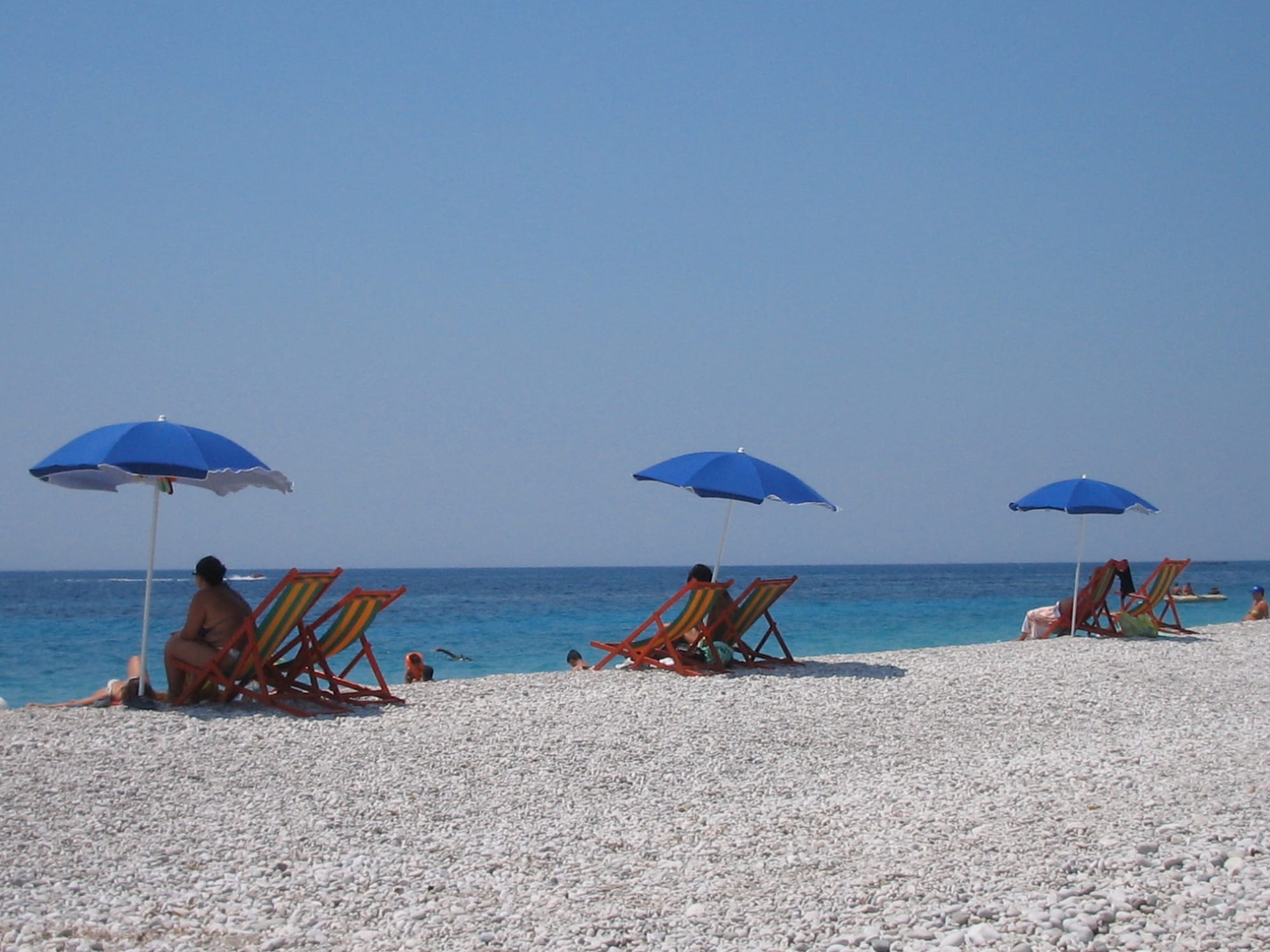
South of the Llogara Pass, the coast road drops off a 1,000-metre mountain wall onto a run of Ionian shoreline that stayed almost undeveloped until recently: the Albanian Riviera. The villages — Dhërmi, Himarë, Qeparo, Vuno — sit above small pebble coves with very clear water, backed by olive terraces and the bare Ceraunian Mountains.
At the southern end, near Butrint, the little town of Ksamil looks out on a scatter of tiny islands you can wade to. The Riviera has been "discovered" and is building fast, but come in June or September and it still delivers the version of the Mediterranean that other countries lost decades ago. The drive over Llogara itself, through alpine pine forest with the sea far below, is a highlight in its own right.
7. Lake Komani
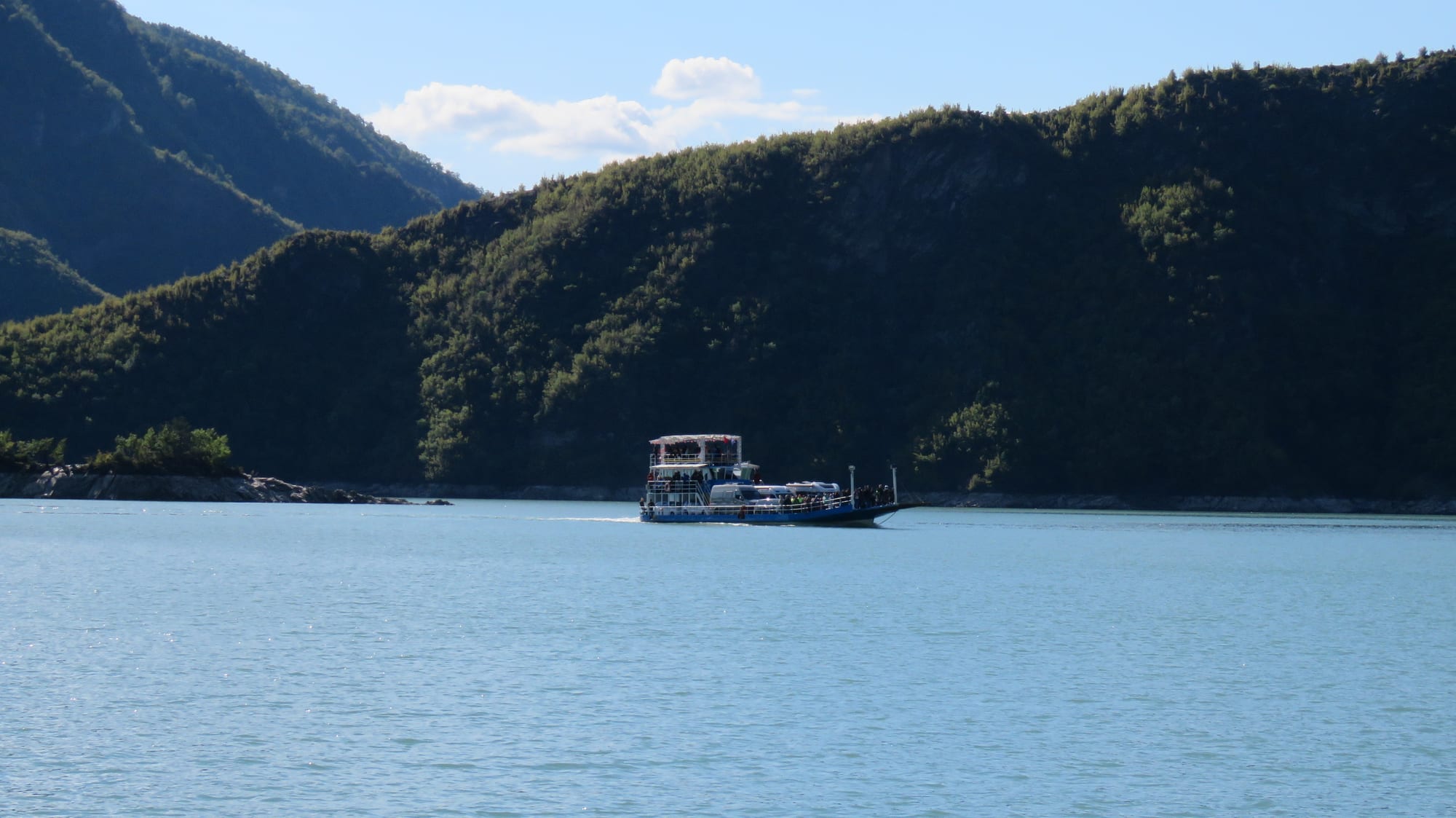
Lake Komani is a reservoir, created by a hydroelectric dam on the Drin River in the 1980s, but the result is one of the great boat trips in Europe. The water fills a canyon so narrow and deep that in places the ferry seems to be nosing into a blank wall of rock before the passage opens again.
A working passenger ferry runs the length of it, roughly two and a half hours, carrying villagers, backpackers, and the occasional car between the town of Komani and Fierzë. Many travellers use it as the scenic way to reach Valbona and the northern mountains. Departures are early and timetables change with the seasons, so check locally the day before.
8. Theth and the Accursed Mountains
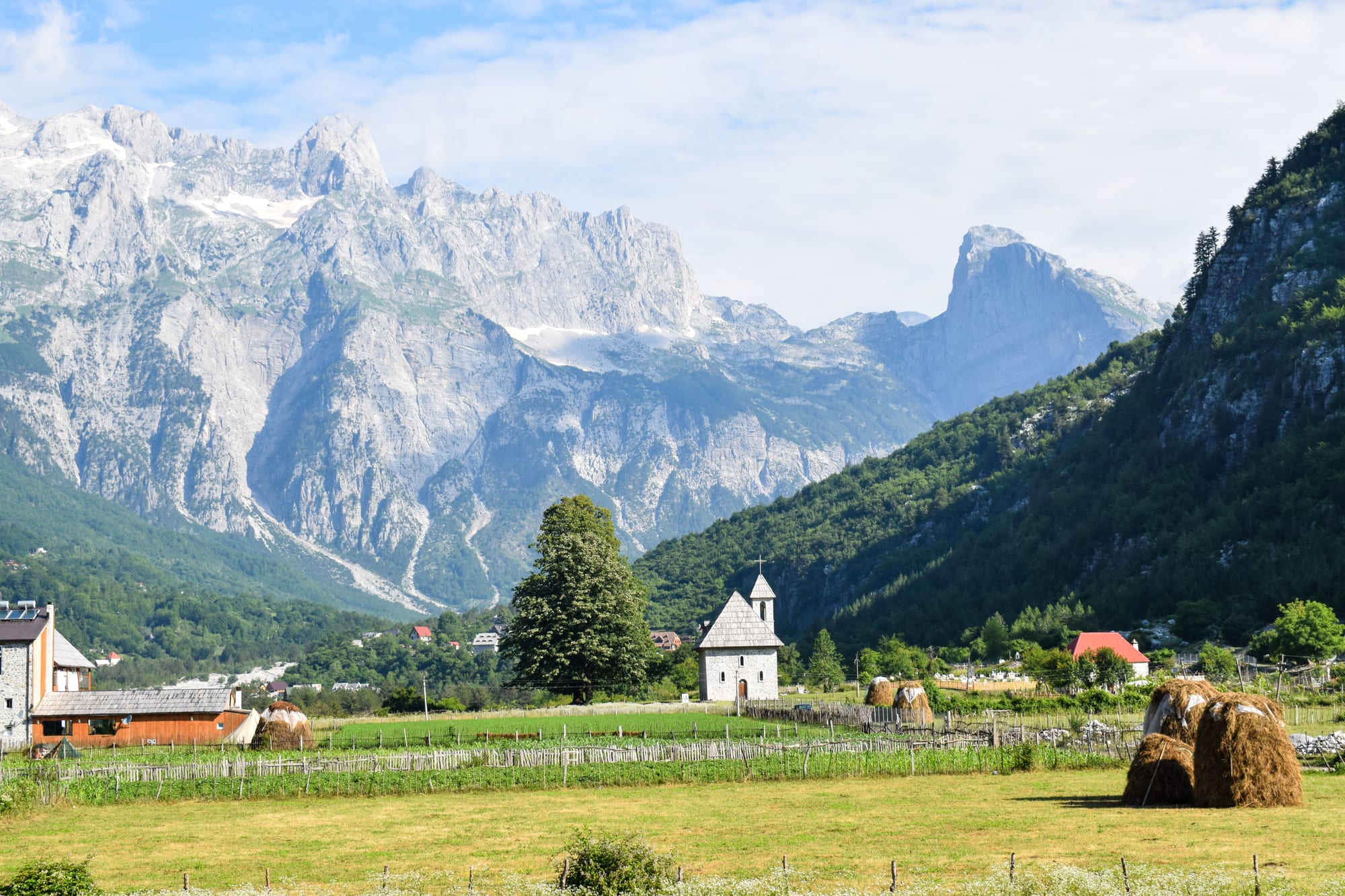
The mountains along the northern border — the Prokletije, or "Accursed Mountains" — are the wildest corner of Albania: limestone peaks over 2,500 metres, beech forest, and stone villages that were effectively cut off for most of the year until a paved road reached Theth in 2022.
Theth, with its lone stone church in a green bowl of pasture, is the usual base. From here you can walk to the Blue Eye of Theth (a different spring from the southern one), the Grunas waterfall, and over the Valbona Pass — a long, classic day hike into the next valley. The village also has a "lock-in tower," where men once sheltered during blood feuds under the old customary law. Trails are snow-free roughly from June to October.
9. Tirana and Skanderbeg Square
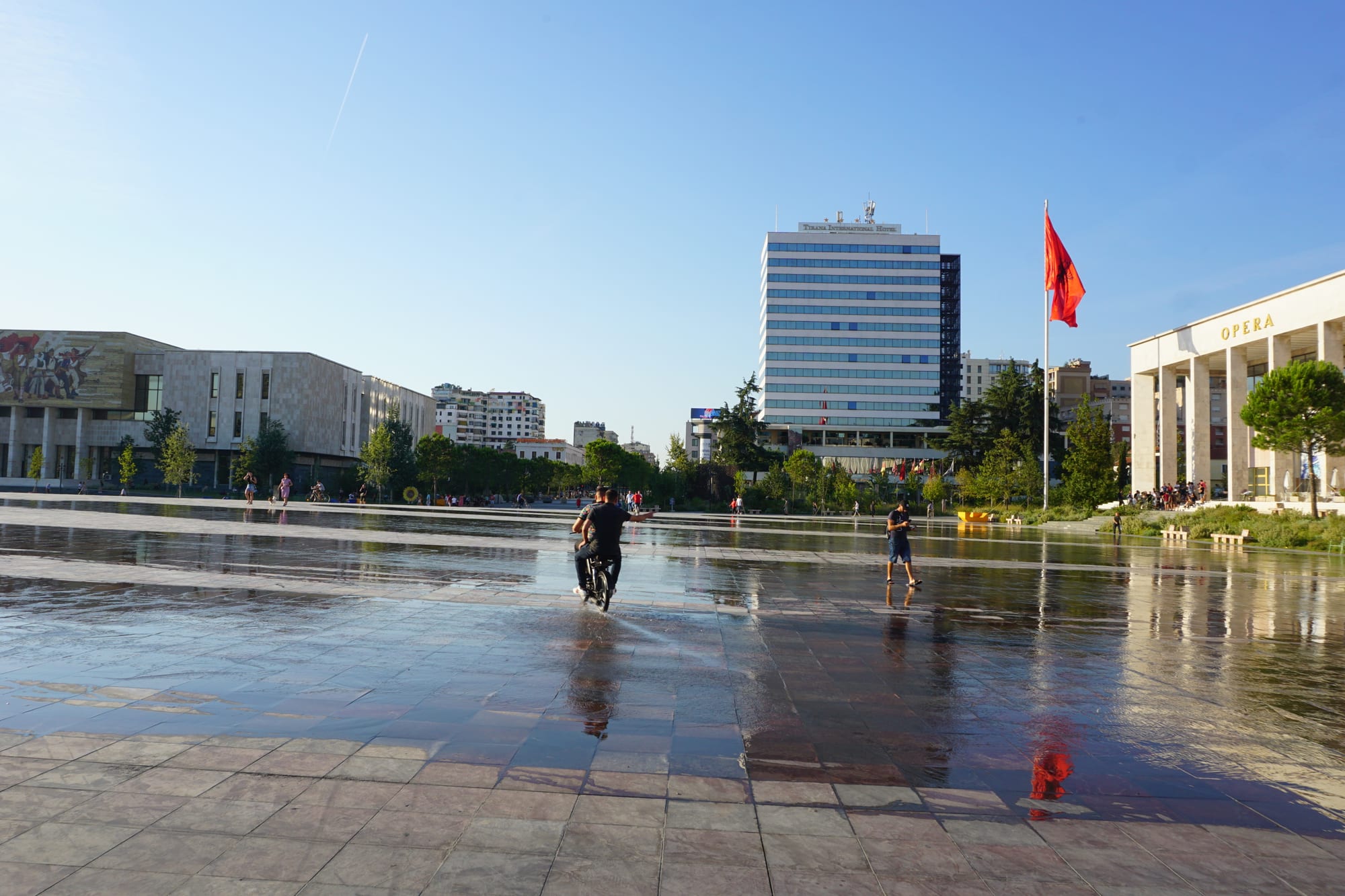
Albania's capital is small, young, and much more enjoyable than its reputation. The centre is Skanderbeg Square, a huge car-free plaza with the national history museum on one side and the Et'hem Bey Mosque on another. Around it, whole blocks of grey communist apartment buildings have been painted in bright colours and patterns, a project started by a former mayor who is now prime minister.
The city's best sights deal with the recent past. Bunk'Art 1 and 2 are enormous secret bunkers, built for the Hoxha regime's leadership, now turned into museums of the communist decades. The House of Leaves covers surveillance and the secret police. For a break from all that, a cable car climbs Mount Dajti for the view back over the city.
10. Rozafa Castle and Shkodër
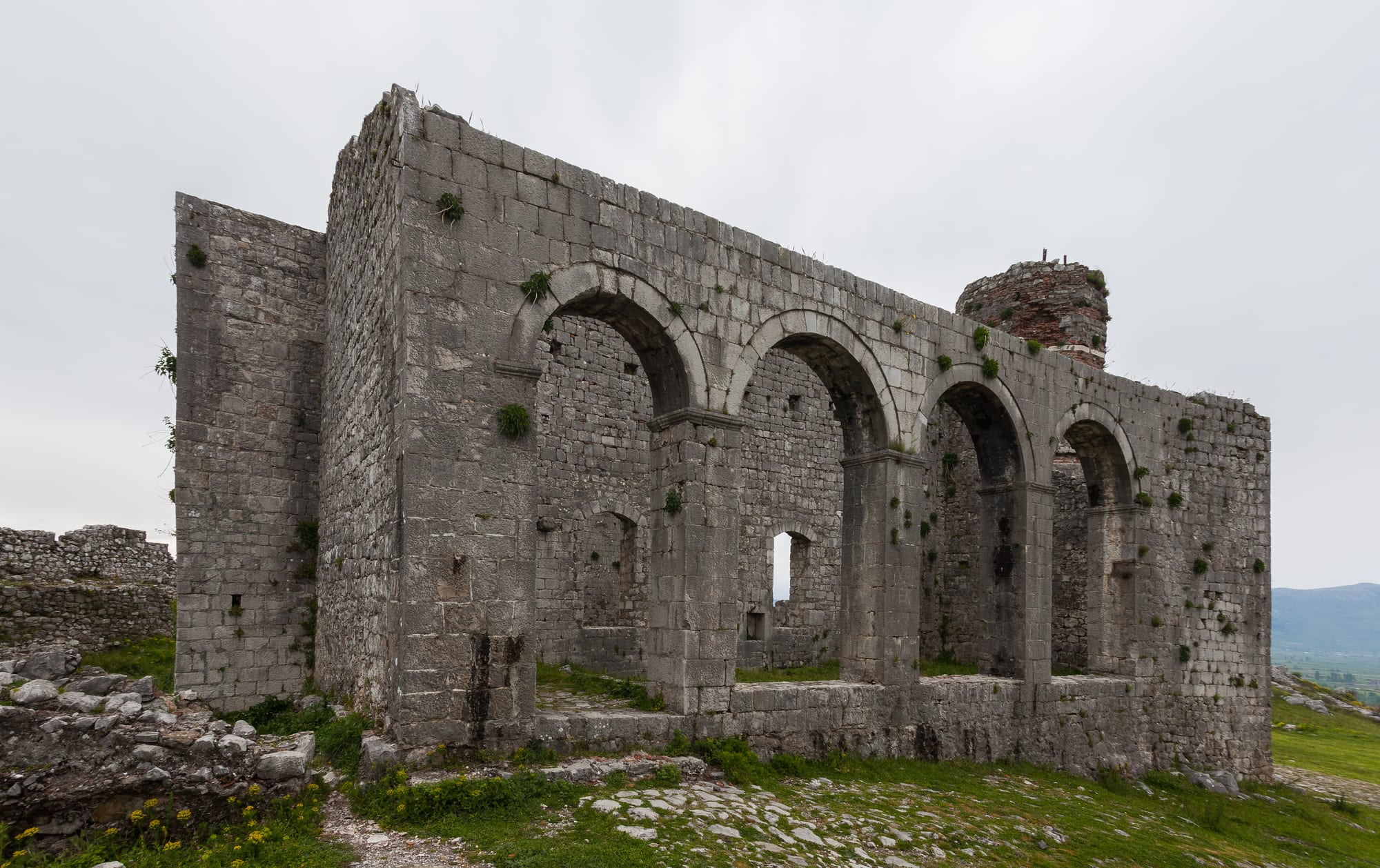
Shkodër, in the northwest, is one of Albania's oldest cities and the gateway to Lake Shkodër, the largest lake in the Balkans, shared with Montenegro. On a hill above the city stands Rozafa Castle, its Illyrian, Venetian, and Ottoman walls spread along the ridge with a wide view over the meeting point of three rivers.
The castle carries one of the region's darkest legends — that a woman, Rozafa, was walled into the foundations so the fortress would stand. The city below is flat, green, and famously bicycle-friendly, with an Italian-influenced café culture, and it works well as a staging post between the northern mountains and the coast.
Albania rewards a slower trip than most people give it. Two weeks is enough to link the south coast, the Ottoman towns, the capital, and the northern mountains, and almost everywhere you go the food is good, the prices are low, and the sites are still uncrowded.