Daily Life · Albania
Albania: An Evening Built for Walking
Grandparents down the hall, coffee that takes an hour, and a nightly walk along the boulevard that draws whole towns onto the same stretch of pavement
By Worldlore Editorial · 30 September 2026
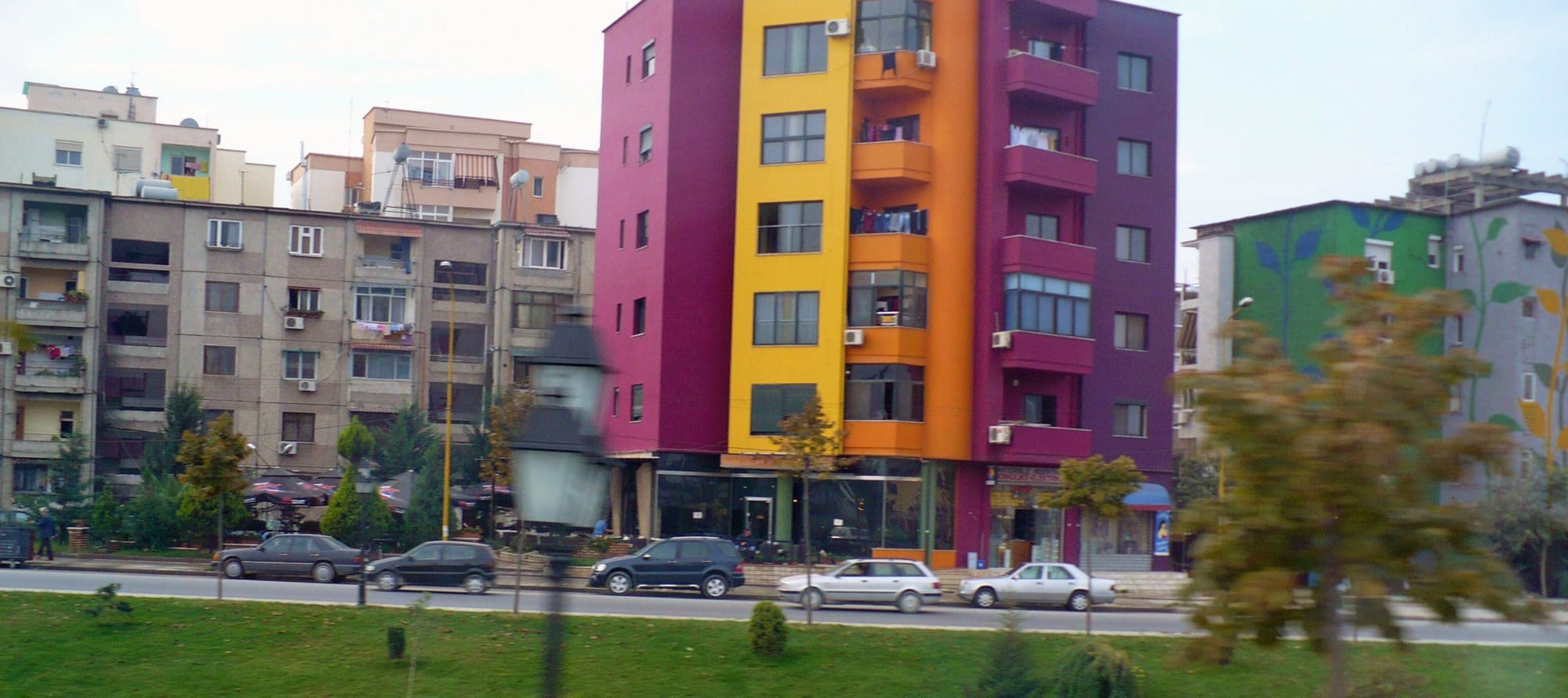
Life in Albania runs on two speeds: unhurried through the day, then, without fail, out onto the street by early evening. Families tend to raise children within reach of grandparents, coffee is drunk slowly rather than quickly, and in the height of summer many small shops close for a midday break. What holds the day together, in Tirana and in small towns alike, is the evening walk, a long-standing ritual that draws people out onto the main boulevard as the light softens.
Family and home life
Albanian households have traditionally been large and closely knit, and it remains common in rural areas for three generations to share one roof. Urban households, by contrast, have grown smaller and simpler over recent decades as younger Albanians move to Tirana and other cities for work, even as grandparents often continue to live nearby and help raise grandchildren. Many city dwellers live in apartment blocks, a good number of them built during the communist era and since renovated, extended, and in many cases painted in bright colour as part of a citywide beautification effort that began in Tirana in the early 2000s.
Work, school and the rhythm of the day
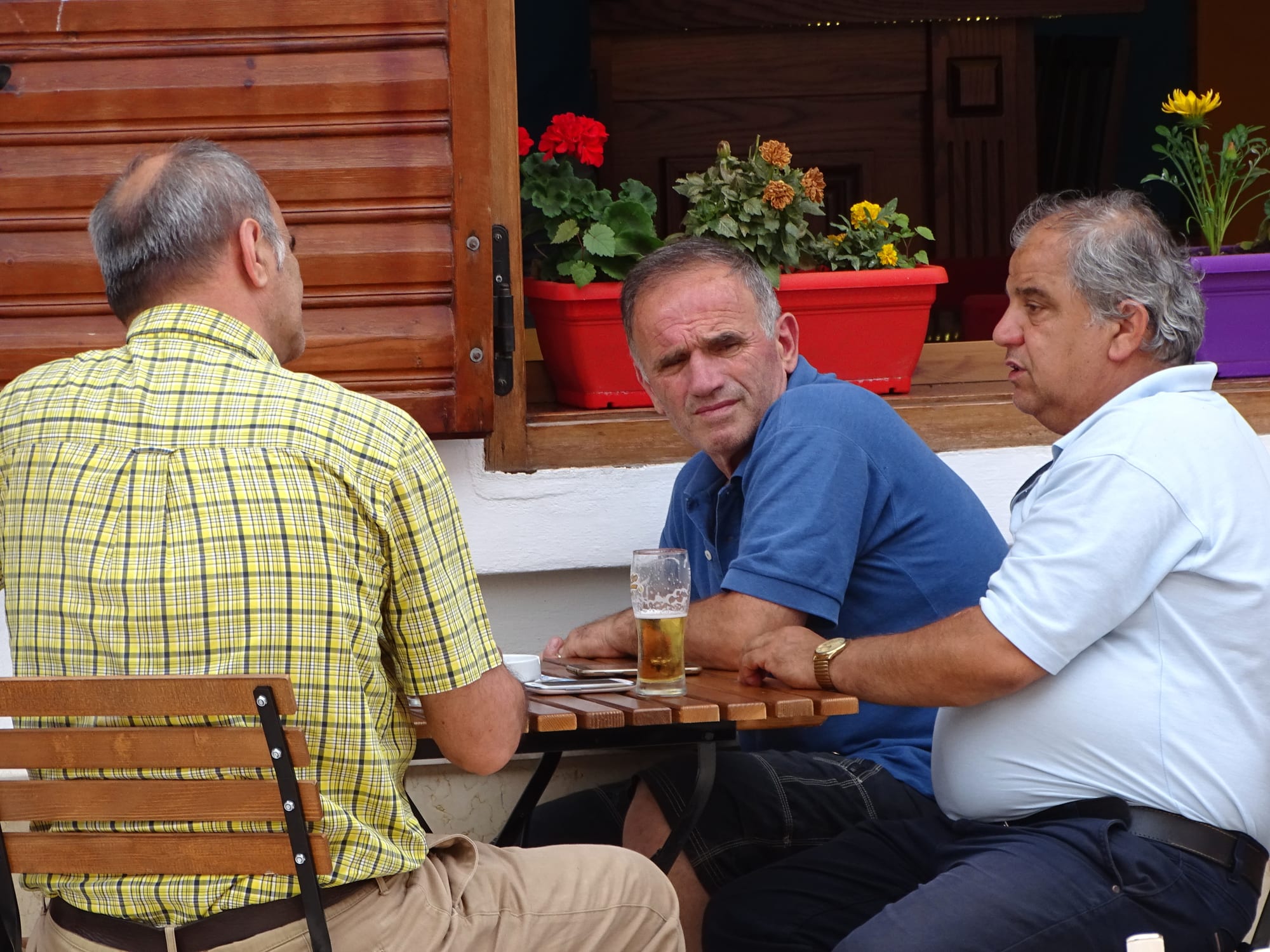
The standard working week runs eight-hour days, though small shops and cafés keep far longer and more flexible hours than any office. In summer, especially outside Tirana, many small businesses close for a midday break, a pause known locally as pushim, rest, before reopening once the heat breaks. Coffee paces the day rather than interrupting it: sitting over a single espresso for an hour, alone or with company, is entirely normal and never read as slow service.
Community life and public spaces
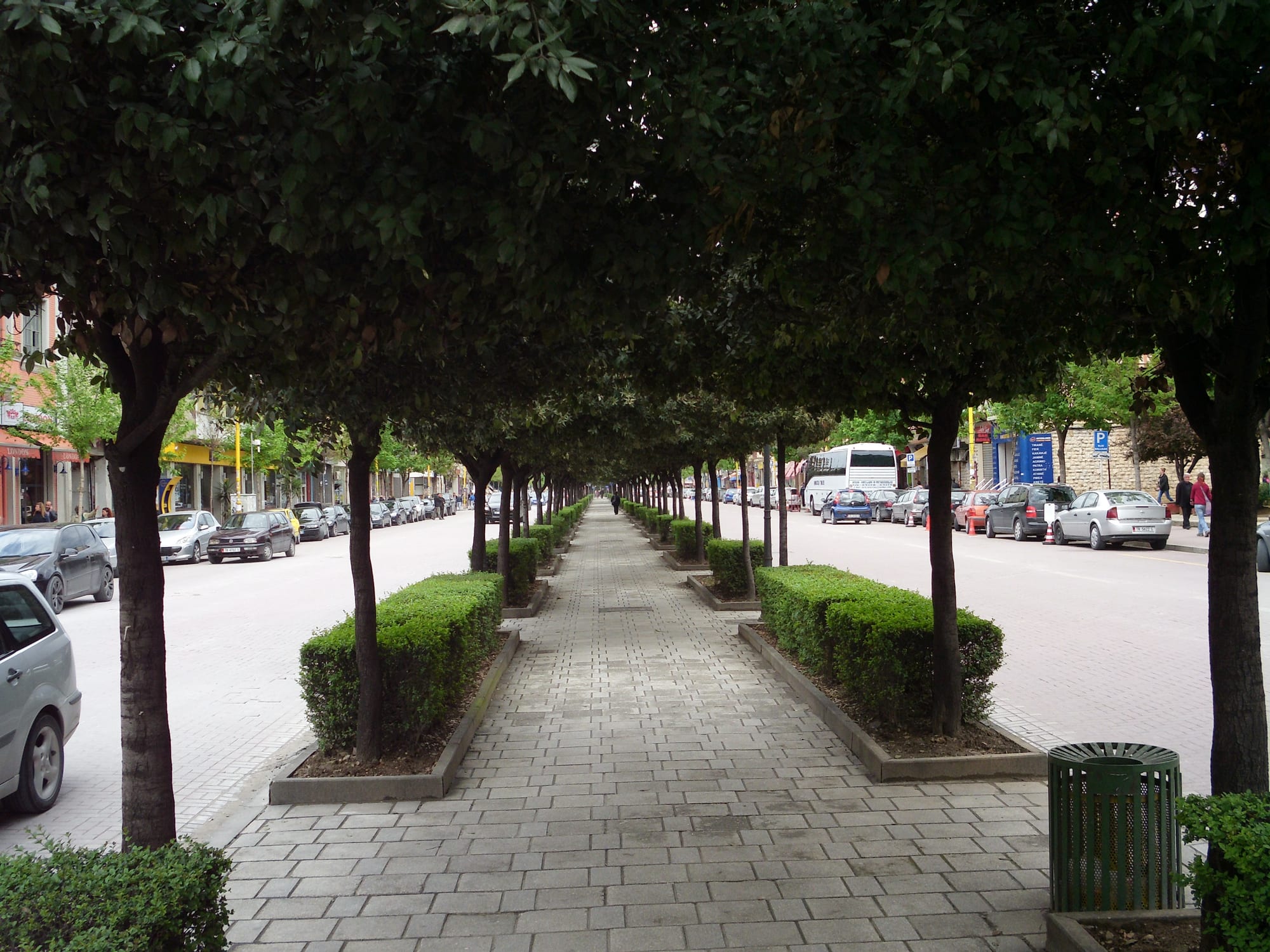
Each evening, a ritual called the xhiro draws much of a town out onto its main boulevard or pedestrian promenade: families, couples and groups of friends walking the same stretch back and forth, stopping to talk, taking a seat at a café, simply being seen. It is a familiar sight in cities and small towns alike, and functions as the day's real gathering point, more than any single indoor venue does. Tree-lined walkways and pedestrianised centres suit this daily rhythm well.
Free time and weekends
Weekends follow the same unhurried pattern as evenings, just longer: extended family lunches that run into the afternoon, and, where distance allows, a drive to the coast or the mountains. In summer, weekend trips to the beach are common enough to be treated as routine rather than an occasion. Football is followed closely nationwide, and matches, watched at home or in a café, are a genuine communal event rather than a niche interest.
A visitor's ordinary day
Cards are increasingly accepted in Tirana and larger towns, but cash remains useful, especially for smaller purchases and outside the capital. Public transport is informal: shared minibuses called furgons run frequent but not strictly timetabled routes between towns, generally leaving once they are full rather than on a fixed schedule. Expect shops and services to slow or close for the midday pushim in summer, particularly outside Tirana, and expect the streets to fill again by early evening as the xhiro gets underway.
What to take away
What defines an ordinary day in Albania isn't the schedule so much as the evening it always resolves into: the whole town, more or less, out on the same street at the same time.